Best Practices for Data Privacy in Retail Workplaces


You face real dangers every day at retail jobs, especially concerning data privacy. More than half of retailers had a data breach in the last five years.
Cyberattacks, mistakes, and stolen passwords cause most breaches.
Most incidents happen because of errors or scams that trick staff.
New rules and AI changes affect how you keep data safe and ensure data privacy.
Key Points | Impact on Retail Practices | |
|---|---|---|
GDPR | Lawful purpose, transparency, minimization | Builds consumer trust |
CCPA | Consumer rights over personal data | Makes privacy better |
EU AI Act | Prohibits risky AI, mandates risk management | Makes sure AI is used safely |
You earn customer trust and follow the rules regarding data privacy when you use smart solutions.
Key Takeaways
Data breaches happen a lot in retail. You should keep customer information safe with strong passwords and encryption.
You need to follow privacy laws like GDPR and CCPA. This helps customers trust your store. Tell customers clearly how you use their data.
Only collect the data you really need. Ask for information just to finish a sale or service.
Teach your staff about data privacy often. When employees know what to do, they make fewer mistakes and stop data leaks.
Use privacy tools to keep customer data safe. These tools help you follow the law and protect your store’s name.
Data Privacy Compliance
Key Retail Regulations
Retail stores must follow rules to keep customer data safe. These rules include GDPR and CCPA. Each rule has its own requirements. The table below explains what you need to know:
Regulation | Key Requirements |
|---|---|
GDPR | - Get clear permission from EU residents. |
CCPA | - Let everyone opt out. |
If you break these laws, you could pay big fines. The table below shows some penalties:
Regulation | Penalty Type | Amount |
|---|---|---|
GDPR | Fine | |
CCPA | Per violation | $2,500 |
CCPA | Intentional violation | $7,500 |
CCPA | Violation involving minors | $7,500 |
Following privacy laws helps you earn customer trust. Customers want to know you protect their information. When you show you care about privacy, shoppers feel loyal. Many people like special service but do not want to be watched. Clear rules and honest actions help you meet both needs.
Compliance Management Steps
It can be hard to follow all the rules. Many stores say tech issues and confusing laws make it tough. Some stores also have websites that confuse customers about their choices.
To manage data privacy, you can do these things:
Make your policies and procedures the same in every store.
Check often to see if you follow the rules.
Use software to track and report your progress.
Watch for problems and report them right away.
Automate tracking and sending reports to regulators.
You can use helpful tools and strategies. Many stores use AI tools to help with privacy tasks. Build privacy into your apps and services from the start. Limit who can see private information. Use consent management tools for customer choices. Follow standards like ISO 27701 to show you care about privacy.
Tip: Make data privacy part of your daily routine. This helps you avoid fines and keeps your customers happy.
Encryption and Privacy Technologies
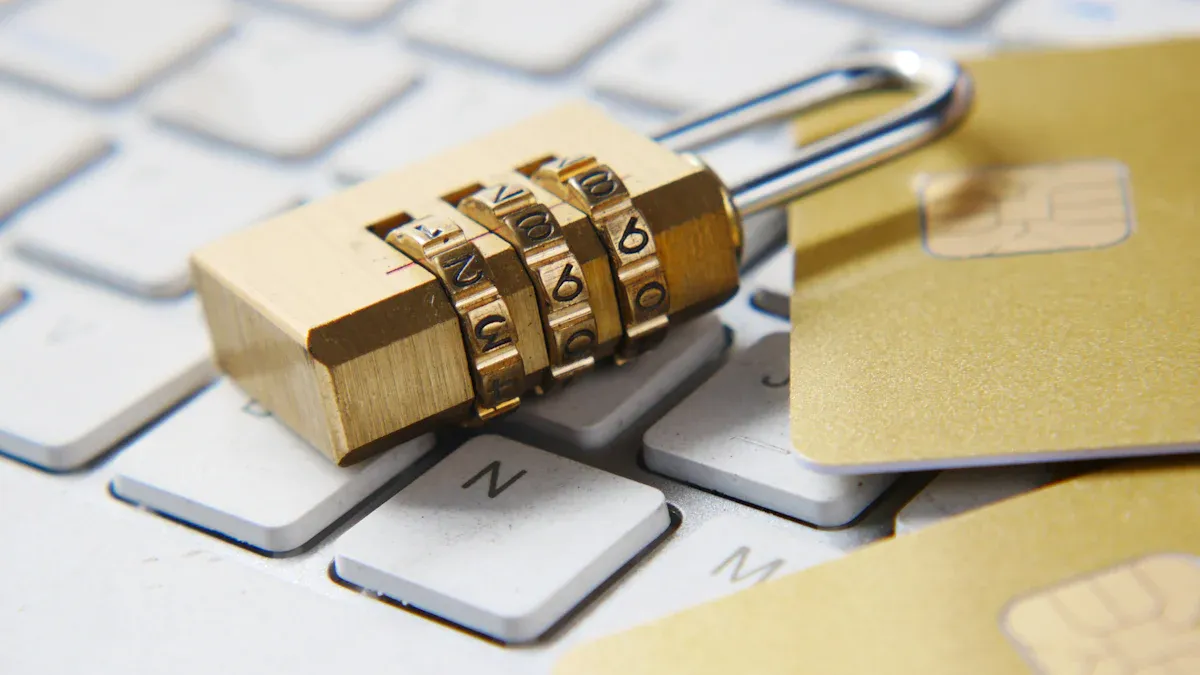
Retail Data Encryption
You must keep customer data safe all the time. Data encryption stops hackers and thieves from stealing information. You can use strong encryption like AES-256 to lock data when you store it. You should also encrypt data when you send it online or between devices. This makes sure only people with the right key can read it.
End-to-end encryption is used in online shopping. It keeps credit card numbers, passwords, and addresses safe during checkout. You must take care of your encryption keys. If someone gets your keys, they can unlock all your data.
Here are some best ways to use retail data encryption:
Use strong encryption for all customer data, both when stored and sent.
Keep your point-of-sale systems on their own network.
Make everyone use multi-factor authentication to log in.
Check your systems often for weak spots.
A big store made data privacy better by using advanced encryption and clear data rules. This helped them stop data breaches and earn customer trust.
Using Privacy-Enhancing Technologies
Privacy-enhancing technologies, called PETs, help lower the risk of data leaks. PETs let you use and share data without showing personal details. For example, you can use anonymous or grouped data to learn about shopping trends. This keeps customer identities safe.
You can also use AI-driven encryption and advanced authentication to protect your systems. Decentralized data storage spreads information across many places. This makes it harder for hackers to steal everything.
A recent survey says most security experts believe customers will not shop if they think their data is unsafe.
PETs help you follow laws like GDPR and CCPA. They also protect your brand’s reputation. You can use PETs to work with partners on shared projects without sharing raw data. For example, banks use secure methods to spot fraud without showing customer names.
Challenge/Solution | Description |
|---|---|
Data Minimization | Only collect what you need to protect privacy. |
Encryption | |
Employee Training | Teach staff how to handle data safely. |
When you use these tools, you make your store safer and show customers you care about their privacy.
Data Minimization and Access Control
Reducing Data Collection
You can keep your customers safe by only asking for the information you really need. Some stores ask for too much information. This can make things risky for you and your customers. Try to collect just enough details to finish a sale or give a service. For example, you do not need someone’s birthday if you are just mailing a package.
The table below gives smart ways to collect less data in retail:
Strategy Type | Recommendation |
|---|---|
Collection | Only ask for what is needed to complete the transaction or provide the service. |
Retention | Automate deletion schedules. If a customer hasn’t engaged in three years, do you really need their purchase history? |
Usage | Ensure data collected for shipping isn’t quietly funneled into third-party advertising algorithms without consent. |
You should set up automatic ways to delete old information. If a customer has not shopped with you for a long time, you do not need to keep their records. Always tell customers how you use their information. This helps them trust you and supports data privacy.
Tip: Look at your forms and apps. Take out questions that are not needed for the sale.
Limiting Data Access
You need to control who can see private information in your store. Not every worker should see all customer data. Here are some steps to keep information safe:
Give each worker only the access they need for their job. This is called the "least privilege" rule.
Check and watch who looks at data. Regular checks help you find problems early.
Teach your team about security rules and why they are important.
Use identity and access management (IAM) systems. These tools help you control user rights and remove access when someone leaves.
When you limit who can see data, you lower the chance of mistakes and leaks. You also show customers that you care about their privacy.
Transparency and Stakeholder Collaboration
Communicating Data Use
You build trust when you tell people how you use their information. Customers and workers want to know what happens to their data. You should explain your rules in simple words. Put signs in your store. Give out easy privacy notices. Make short videos so everyone can understand.
Being open is important for trust. You need to share both good and bad news.
You can teach customers about data privacy. Many people worry about brands using their personal data. You should answer their questions. Show them how you keep their information safe.
Teaching customers about data privacy matters. Most people worry about how brands use their data.
You must keep teaching because threats change. Your programs should update often.
Customer education should be clear and happen often. This helps with new threats.
When you are honest, customers feel safe. Your team also finds it easier to follow privacy rules.
Honest businesses earn strong trust from customers.
Brands that are fair and honest get more loyal shoppers.
Being open is very important for trust in online stores.
Roles of Consumers, Retailers, and Regulators
Everyone helps keep data safe. Each group has its own job. The table below shows what each group does:
Role | Responsibilities |
|---|---|
Retailers | Follow privacy rules, use good security, and act fairly. |
Regulators | Make and enforce privacy laws, check rules, and protect people. |
Consumers | Know their rights, give permission, and opt out if needed. |
You must use strong security tools. Give customers choices about their data. Always explain how you use and collect information. Regulators make sure rules are followed. Consumers should know their rights and use them.
Retailers must get clear permission before collecting data.
Tell customers how their data is used, stored, and shared.
Let customers fix, see, or delete their data easily.
Working together makes stores safer. Teamwork helps you follow the law and keeps customers coming back.
Staff Training and Channel Security

Privacy Training Programs
You need to teach your workers how to keep customer information safe. A good privacy training program helps everyone know what to do. Your training should have these important parts:
Explain the laws that your store must follow.
Make special lessons for each job in your store.
Use real-life examples and practice with role play.
Teach rules for using social media and digital marketing.
Update your training when laws change.
Check how well your staff learns and follows the rules.
Ask workers for ideas to make training better.
Tip: Use short quizzes and group talks to help people remember what they learn.
When you teach your team about data privacy, you lower mistakes. You also help your workers feel sure when they handle private information.
Securing All Retail Channels
You must protect both your stores and your online sites. Bad things can happen in many ways, so you need a plan for every place. The table below shows smart ways to keep your retail channels safe:
Best Practice | Description |
|---|---|
Adopt a Zero Trust Approach | Always check who is using your system with ID checks and multi-factor authentication. |
Implement Advanced Endpoint Protection | Use AI to stop bad software and ransomware on all devices. |
Teach everyone to spot scams and handle data the right way. | |
Strengthen Access Controls & MFA | Give each person only the access they need and require strong passwords. |
Network Segmentation & IoT Security | Split networks to lower risks and keep devices safe. |
Continuous Monitoring & Incident Response | Watch for strange things and have a plan to act fast. |
You can use new tools to keep your store safe. Try easy security like fingerprint or face scans. Use AI to find fraud quickly. Central security helps you use the same rules everywhere. Cloud security and mobile payment tools add more safety.
Remember: Training your staff and using strong security tools work best together to keep your store safe.
When you focus on training and channel security, you make your business stronger. You also show customers you care about their data privacy.
You can keep your store safe by using strong data privacy steps. Train your team often so they know what to do. Manage devices to stop problems before they happen. Get leaders to help make plans and decisions. Use tools that find new risks and keep records of what you do. Check your data privacy plan every year to make sure it works. Work with your team and be honest with customers about your actions. The table below shows how these steps help your business:
Benefit | Impact |
|---|---|
Customers trust you more | |
Consumer Loyalty | Shoppers return and feel safe |
Financial Savings | You avoid costly data breaches |
FAQ
What is the most important step for retail data privacy?
You should always protect customer data. Start by using strong passwords and encryption. Teach your team about privacy rules. Check your systems often for weak spots.
How often should you update your privacy policies?
Update your privacy policies at least once a year. You should also review them after any big changes in laws or technology.
What should you do if a data breach happens?
Act fast. Tell your manager and follow your store’s plan. Inform customers if their data is at risk. Fix the problem and learn from it.
How can you help customers feel safe about their data?
Explain how you use their information.
Give them choices about what data you collect.
Answer their questions honestly.
Do you need to train new employees on data privacy?
Yes. You must train every new worker before they handle customer data. Ongoing training keeps everyone ready for new threats.
See Also
Navigating Walgreens Self-Checkout: Benefits and Hurdles in Shopping
Understanding AI-Driven Convenience Stores: Essential Insights for Retailers
Walmart Self-Checkout Updates: Anticipated Changes for 2025
Transforming Retail: The Impact of Smart Electronics Vending Machines
Discovering Sensi Retail: A Cannabis Dispensary Promoting Social Equity
