Best practices for launching a pilot autonomous store in Convenience store chains & small-format grocery.

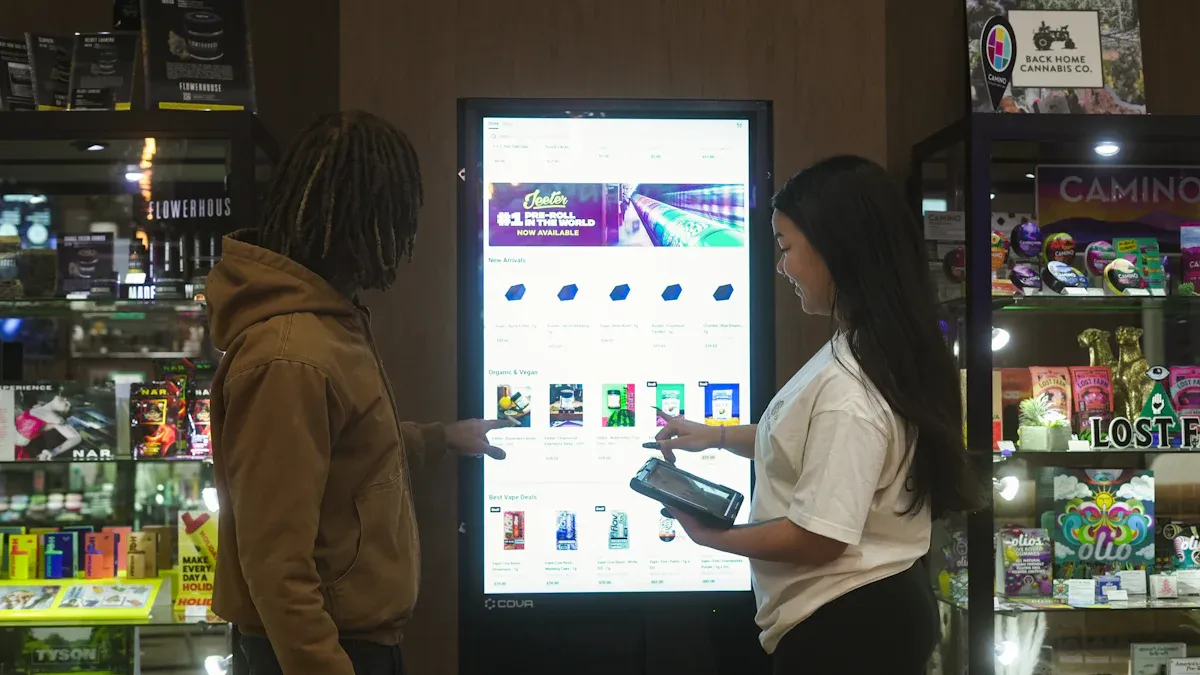
You play a key role in shaping the future of retail when you launch a pilot autonomous store. Many retailers set clear business objectives, such as reducing labor costs, boosting customer convenience, or enabling 24/7 operation. The table below shows common goals for autonomous retail pilots:
Strategic Objective | Description |
|---|---|
Clear Business Objectives | Define what you aim to achieve (e.g., reduce labor costs, increase customer convenience, gain data insights, enable 24/7 operation). |
AI now drives efficiency in store operations. You see improvements through predictive inventory optimization, hyper-personalization, and dynamic pricing. AI also enables robotic integration for restocking and enhances security with behavioral biometrics. These best practices help you deliver a better customer experience, support innovation, and unlock the potential of autonomous technology in your store.
Key Takeaways
Set clear objectives for your pilot autonomous store. Focus on goals like reducing labor costs and improving customer convenience.
Use both quantitative and qualitative metrics to measure success. Track sales growth, customer satisfaction, and technology performance.
Engage all stakeholders early in the planning phase. Open communication builds trust and ensures everyone understands their roles.
Choose the right technology for your store. Smart checkout solutions can enhance customer experience and streamline operations.
Gather feedback from customers and staff regularly. Use their insights to improve the shopping experience and address any challenges.
Setting Pilot Objectives And Metrics
Define Pilot Goals
You need to set clear objectives before you launch a pilot autonomous store. These objectives guide your decisions and help you measure success. In convenience store chains and small-format grocery, you often focus on goals that drive both efficiency and customer satisfaction. When you plan your pilot, consider the following objectives:
Reduce labor costs by using ai and automation
Make shopping easier for customers with autonomous checkout
Collect better data to improve store operations and inventory
Aim for 24/7 operation to increase convenience and sales
You should choose objectives that match your business needs and the unique features of your store location. For example, if your store is in a busy area, you might focus on fast checkout and high customer turnover. If your store is in a residential neighborhood, you might prioritize convenience and extended hours. Comprehensive pilot planning helps you set the right objectives for your autonomous retail project.
Establish Success Metrics
Once you define your objectives, you must decide how to measure them. Success metrics show if your pilot meets its goals. You can use both quantitative and qualitative metrics. For example, you might track the number of customers who use autonomous checkout, the reduction in labor hours, or the increase in sales during extended hours. You can also collect feedback from customers about their experience with ai-powered technology.
Here are some best practices for setting metrics:
Use clear numbers, such as sales growth or labor cost reduction
Track customer satisfaction with surveys or interviews
Monitor technology performance, like system uptime and error rates
Compare results to your objectives for each store
Metrics help you see where your pilot works well and where you need to improve. They also support your case for scaling autonomous technology across more locations.
Align Stakeholders
You need support from everyone involved in your pilot. This includes store staff, technology partners, and company leaders. Early alignment ensures that everyone understands the objectives and their roles. Open discussions help you address concerns and build trust.
Many retail teams find that structured workshops work well for stakeholder alignment. You can bring together different groups for in-group discussions, then share ideas in a larger session. This approach gives everyone a voice, including people with diverse needs. Early engagement with hosts and careful planning of moderators also helps guide the conversation and provide support.
Tip: Involve all stakeholders early in the planning phase. Open communication and inclusive discussions lead to better outcomes for your pilot autonomous store.
When you align your team around shared objectives, you create a strong foundation for ai-driven innovation in your store. This step is key for successful pilot execution and future expansion in convenience store chains and small-format grocery.
Technology Selection For Autonomous Stores

Smart Checkout Solutions
You have many options when choosing self-checkout systems for your autonomous store. Leading retailers use different smart checkout technologies to improve the shopping experience. The table below shows how some major brands use automated checkout and ai-powered self-checkout to boost efficiency and customer satisfaction:
Retailer | Technology Description | Impact |
|---|---|---|
Amazon Go | Utilizes computer vision, sensor fusion, and deep learning for a cashier-less experience. | Reduced checkout times and improved customer satisfaction; 57% of shoppers prefer it over traditional methods. |
Walmart | Integrates AI for self-checkout kiosks and mobile scan-and-go options. | Reduced checkout times and a 15% decrease in inventory loss due to AI detection of unscanned items. |
Sam's Club | Scan & Go app allows members to scan items and pay through the app. | 27% increase in average basket size among Scan & Go users compared to traditional checkout. |
Aldi | Partnered with Grabango for frictionless checkout using computer vision and AI. | 20% reduction in checkout-related labor costs and improved customer satisfaction. |
Kroger | Smart carts equipped with AI for scanning items and direct payment. | 30% increase in customer satisfaction scores and a 12% boost in average transaction value. |
Target | Express self-checkout lanes with AI technology to speed up the process. | Reduced wait times and enhanced security measures to prevent theft. |
You can see that automated checkout and self-checkout systems help reduce wait times and improve store operations. Choosing the right smart checkout solution is a key step in autonomous technology integration.
Sensor And Camera Placement
You need to plan sensor and camera placement carefully in your store. Mapping the store layout and identifying blind spots are essential for accurate monitoring. Repurposing existing cameras can create a flexible sensor network. Strategic camera placement inside fridges helps you track product availability and customer interactions. Consistent monitoring supports better inventory management and improves the accuracy of your autonomous system.
Map out your store layout to find blind spots.
Use existing cameras to build a flexible network.
Place cameras in fridges for better product tracking.
Monitor customer traffic to decide sensor coverage.
Work with technology providers early to plan your infrastructure.
Payment Integration
Payment is a critical part of the self-checkout experience. You should select payment systems that work smoothly with your automated checkout and ai-powered self-checkout solutions. Mobile payments, contactless cards, and digital wallets make the process faster and more secure. Integrating payment with your autonomous system helps you deliver a seamless experience for every customer.
Data Security
You must protect customer data in your autonomous store. Secure all self-checkout and automated checkout systems with strong encryption and regular updates. Limit access to sensitive information and train your staff on data privacy. Data security builds trust and supports the long-term success of your autonomous retail project.
Tip: Always review your data security policies when you add new technology to your store.
Customer Journey And Store Operations

Store Layout Optimization
You can improve your store by using ai to monitor shelves and optimize layouts. Many retailers see a 25% increase in on-shelf availability after adding ai shelf-monitoring systems. These systems detect out-of-stocks and planogram errors right away. You save time because field staff do not need to do long manual audits. Ai systems reach nearly 100% planogram adherence and show over 98% SKU recognition accuracy. You also get over 99% recall in identifying shelf conditions, which is much better than manual checks.
Automated, store-level planograms match shelf stock with local demand. You may see an average sales increase of 3%.
Localized planograms help you avoid excess inventory. You can reduce overstocking by 2–10% at each store.
Customized layouts sometimes drive over 15% more sales in specific stores.
Ai lets you adjust layouts for each location. For example, you can focus on quick meals and drinks in a college town or family-size products in a suburban area. This makes the customer experience more relevant and boosts sales.
Staff Role Adaptation
You notice changes in staff roles when you launch an autonomous store. Cashiers become less important. You need more people who can maintain technology, supervise ai systems, analyze data, and support customers. You must retrain your team to handle these new tasks. This shift changes how you manage your workforce and helps you deliver a better user experience.
Customer Education
You help customers feel comfortable with autonomous technology by using clear education strategies. The table below shows ways to improve customer experience and increase adoption rates:
Strategy | Description |
|---|---|
In-store demonstrations | You give hands-on experiences so customers learn how the technology works. |
Clear signage | You use signs to guide customers through the autonomous process. |
Dedicated staff assistance | You have staff ready to answer questions and help customers. |
Incremental implementation | You roll out new features slowly and adjust based on customer feedback. |
Tip: You build trust and improve customer experience by making education part of your store operations.
Launching The Pilot Autonomous Store
Technology Testing
You start your pilot by testing every part of your autonomous store. You check that smart checkout, self-checkout, and automated checkout systems work together. You run tests for ai-powered self-checkout to see if it scans items correctly. You also test sensors and cameras in each store location. You make sure the payment process is smooth and secure. Testing helps you find problems before customers use the store. You use this step to improve your technology and prepare for real-world use.
Staff Training
You prepare your team for the pilot by focusing on new skills. Staff learn to manage the autonomous system and handle customer questions. They practice restocking shelves and fixing basic issues with self-checkout and automated checkout. You use different training activities to help your team:
Role-playing exercises for real-life challenges
Workshops for hands-on experience with technology
Onboarding for new hires to learn quickly
Customer service training for better interactions
Troubleshooting lessons for solving tech problems
Well-trained staff make your autonomous retail pilot run smoothly and help customers feel confident using the new systems.
Customer Onboarding
You introduce customers to the pilot autonomous store with clear steps. You explain how the technology works and how you use their data. You offer strong customer support next to automated checkout and self-checkout areas. You answer questions and help with any issues. You keep improving your ai and self-checkout systems based on feedback. This approach builds trust and helps customers enjoy the new shopping experience in your grocery store.
System Integration
You connect your autonomous systems with your existing retail setup. You may face challenges with old payment systems or missing connections. You work with your technology partners to solve these problems. You also protect customer data by using encryption and following privacy laws. The table below shows key training activities for system integration:
Training Activity | Purpose |
|---|---|
Role-Playing Exercises | Practice real-life challenges |
Workshops | Hands-on experience with new tech |
Onboarding Process | Quick learning for new hires |
Customer Service Training | Better interactions and satisfaction |
Troubleshooting Lessons | Solve basic tech problems |
Careful planning and strong security help your pilot succeed and prepare your store for future autonomous retail growth.
Measuring Results And Gathering Feedback
Track Performance Indicators
You need to track performance indicators to understand how your pilot autonomous store works. Start by measuring how many customers use self-checkout and automated checkout systems. Watch for changes in sales, labor costs, and store traffic. Use ai to collect data on product movement and checkout speed. You can set up dashboards to see real-time results. This helps you spot trends and make quick decisions. You should also check system uptime and error rates to make sure your technology runs smoothly. Tracking these indicators gives you a clear view of your store’s progress and helps you improve the customer experience.
Collect Customer And Staff Insights
You must gather feedback from both customers and staff during your pilot. Ask customers about their experience with self-checkout and automated checkout. Use surveys, interviews, or suggestion boxes in your store. Staff can share what works well and what needs fixing. You can hold short meetings to hear their ideas. Listen for comments about ai, technology, and store layout. This feedback helps you understand the user experience and find ways to make your autonomous store better. When you act on these insights, you build trust and improve the customer experience.
Tip: Regular feedback sessions help you catch problems early and keep your pilot on track.
Address Challenges
You will face challenges during your pilot autonomous store launch. Common issues include product detection errors, technical glitches, and customer hesitation. The table below shows frequent challenges and how you can address them:
Challenge | Description |
|---|---|
Accuracy of Product Detection and Billing | Misidentification of products can lead to incorrect billing and unhappy customers. |
Customer Adoption and Understanding | Some customers may worry about privacy or not understand the technology. |
High Initial Investment and Operational Costs | You may need to spend a lot on hardware and ongoing maintenance. |
Technical Glitches and Downtime | Software bugs can disrupt service and frustrate customers. |
Inventory Management Challenges | Fast-moving items can make real-time tracking difficult. |
Data Privacy and Security Concerns | Protecting customer data is critical for trust. |
Shrinkage and Fraud | Shoplifting and errors can cause losses. |
Solutions | Use technical fixes, adjust operations, and engage customers to solve these problems. |
You can solve these challenges by improving ai systems, training staff, and educating customers about autonomous technology. You should update your self-checkout and automated checkout processes often. Work with your retail partners to share solutions. When you address problems quickly, you create a better store experience and set your pilot up for success.
Scaling Best Practices For Convenience Store Chains
Analyze Pilot Outcomes
You need to look closely at the results from your pilot autonomous store. This helps you decide what works and what needs improvement. You can use a table to organize the main metrics that matter most in autonomous retail:
Metric | Description |
|---|---|
Shrink Reduction | You see double-digit shrink reduction when you use new modules. |
Labor Savings | You can offset hardware costs within 18 months in busy stores. |
Inventory Accuracy | Real-time accuracy helps you restock faster and keeps customers happy. |
Customer Experience | Personalized offers based on pick intent make shopping better for everyone. |
You should collect feedback from different types of stores, including those that accept SNAP benefits. This gives you a wider view of how autonomous technology works for all customers. You can use surveys, interviews, and store data to measure self-checkout use, ai performance, and customer satisfaction. You need to compare these results to your original goals. This helps you find the best practices for future pilots.
Tip: Work with SNAP-approved retailers to get feedback from a diverse group of customers. This helps you improve your autonomous store for everyone.
Refine Autonomous Processes
You must improve your autonomous processes after you study your pilot results. You can use ai to make self-checkout faster and more accurate. You should fix any problems with product detection or payment integration. You need to update your store layout to help sensors and cameras work better. You can train your staff to handle new technology and support customers during their shopping journey.
You should focus on these best practices:
Use ai to spot errors and fix them quickly.
Adjust self-checkout systems to match customer needs.
Update store layouts for better sensor coverage.
Train staff to help with technology and answer customer questions.
Review data security rules to protect customer information.
You need to keep testing and improving your autonomous systems. This helps you stay ahead in retail innovation and gives your customers a better experience every time they visit your store.
Plan Expansion
You need a clear plan before you expand your autonomous store pilot. You should look at the main factors that help you grow. The table below shows what you need to consider:
Factor | Description |
|---|---|
You must know what you want to achieve, like saving labor costs or making shopping easier. | |
Adequate Capital Investment | You need enough money for hardware, software, and integration services. |
Robust IT Infrastructure | Your store needs a strong network and good servers for real-time data. |
Store Layout and Design | You should have open layouts for sensors and ai vision to work well. |
IMS Integration | You must connect your inventory management system for accurate tracking. |
Payment Gateway Integration | You need a secure payment gateway for automatic charges at self-checkout. |
Legal and Regulatory Compliance | You must follow data privacy laws and retail rules. |
Skilled Workforce | You need staff who can support IT and analyze data. |
Customer Communication Strategy | You should teach customers about the new shopping experience. |
You should use your pilot results to guide your expansion. You can start with stores that have high self-checkout use and strong ai performance. You need to make sure your technology works well in different store sizes, including small-format grocery locations. You should keep talking to your customers and staff to learn what works best. You can use these best practices to build a strong foundation for autonomous retail growth.
Note: Always use pilot data to shape your rollout strategy. This helps you avoid mistakes and gives your customers a better experience in every store.
You can scale your autonomous store pilot by following these steps. You need to analyze outcomes, refine your processes, and plan your expansion with care. You can use ai, self-checkout, and smart technology to create a better retail experience for your customers. You build trust and drive innovation when you use best practices in every store.
You can launch a successful pilot autonomous store by following best practices.
Plan and select vendors with clear requirements.
Set up infrastructure and integrate systems.
Calibrate, train staff, and test technology.
Launch, monitor, and optimize your store.
You learn important lessons from each pilot. The table below shows what retail leaders focus on:
Lesson Type | Key Points |
|---|---|
Identify | Set objectives, know your customers, and check risks. |
Pilot | Test ai technology and business ideas in small pilots. |
Launch | Retrain staff and help customers use new systems. |
You use data from ai systems to improve your store. Data helps you understand customer behavior, manage inventory, and make better retail decisions. You see how ai boosts experience and store performance.
You should treat every pilot as a learning sprint.
Start with an ai readiness check.
Benchmark your retail store against others.
Launch a small pilot with clear goals.
Work with local partners and use privacy checklists.
Train staff with ai bootcamps.
You build a better store when you use these steps. You lead retail innovation and create a great experience for every customer.
FAQ
What is an autonomous store?
You run an autonomous store with technology that lets customers shop and pay without cashiers. AI, sensors, and cameras track products and automate checkout. You save time and make shopping easier for everyone.
How do you keep customer data safe?
You use strong encryption and limit access to sensitive information. You update systems often and train staff on privacy rules. You build trust by following data protection laws.
What happens if technology fails during checkout?
You provide backup options like manual checkout or staff assistance. You train your team to fix problems quickly. You keep customers informed and help them complete their purchases.
How do you help customers learn to use autonomous systems?
You offer in-store demos, clear signs, and friendly staff support. You answer questions and guide customers through the process. You make learning easy and stress-free.
Can you use autonomous technology in small-format grocery stores?
Store Type | Autonomous Tech Use |
|---|---|
Convenience Store | Yes, for fast checkout |
Small Grocery | Yes, for inventory and payment |
You adapt technology to fit your store size and needs.
See Also
Comparing Micromarkets And Smart Stores In Global Retail
Understanding The Growth Of AI-Driven Corner Stores Today
Starting An AI-Enhanced Corner Store On A Budget
Analyzing Walgreens Self-Checkout: Benefits And Hurdles In Retail
