Can AI Reduce Retail Labor Costs for Modern Stores?

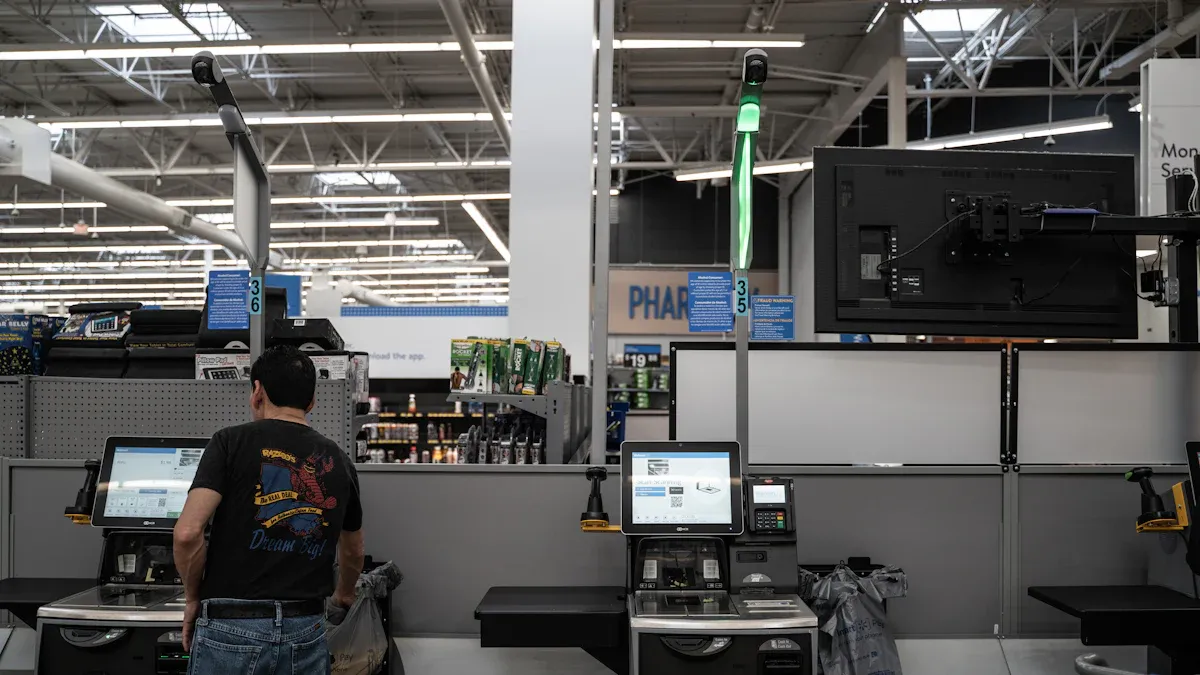
Using artificial intelligence helps physical stores work much better. Stores face big problems today, as they deal with high worker turnover, rapidly rising wages, and a continuous labor shortage. So, using AI in retail boosts overall work output while reducing labor costs. Smart AI tools handle boring, repeated tasks without replacing real human workers, using smart task automation to perform simple, basic checkups easily.
Integrated AI systems track store inventory automatically. This lets employees focus on giving great, friendly customer service.
Stores improve worker coverage with special AI plans:
Predictive scheduling matches employee shifts with store traffic.
Autonomous robotics clean floors and scan store shelves.
Data-driven tools quickly handle hard office management work.
These modern tools offer great ways to lower expenses, effectively reducing labor costs while protecting total store profit margins.
Key Takeaways
AI tools make smart work schedules.
They cut extra labor costs.
Store robots check store shelf items.
They clean floors on their own.
Automated tools count store stock fast.
They fix costly human mistakes.
Digital helpers support store staff.
They give customers better help.
Core Drivers of Reducing Labor Costs with AI
Smart AI tools change daily work for leaders. A 2024 U.S. Chamber survey proved this. AI scheduling saved 60% of managers money. They cut 5% to 15% off pay. These AI technologies fix big work problems directly.
Eliminating Manual Inventory Audits
Old stock counting wastes many work hours yearly. Hand counting creates high store costs:
Metric / Cost Component | Detail / Impact |
|---|---|
Labor Intensity per Store | Takes over 16 total hours each time |
Overall Workforce Requirement | Big; needs special count teams every store |
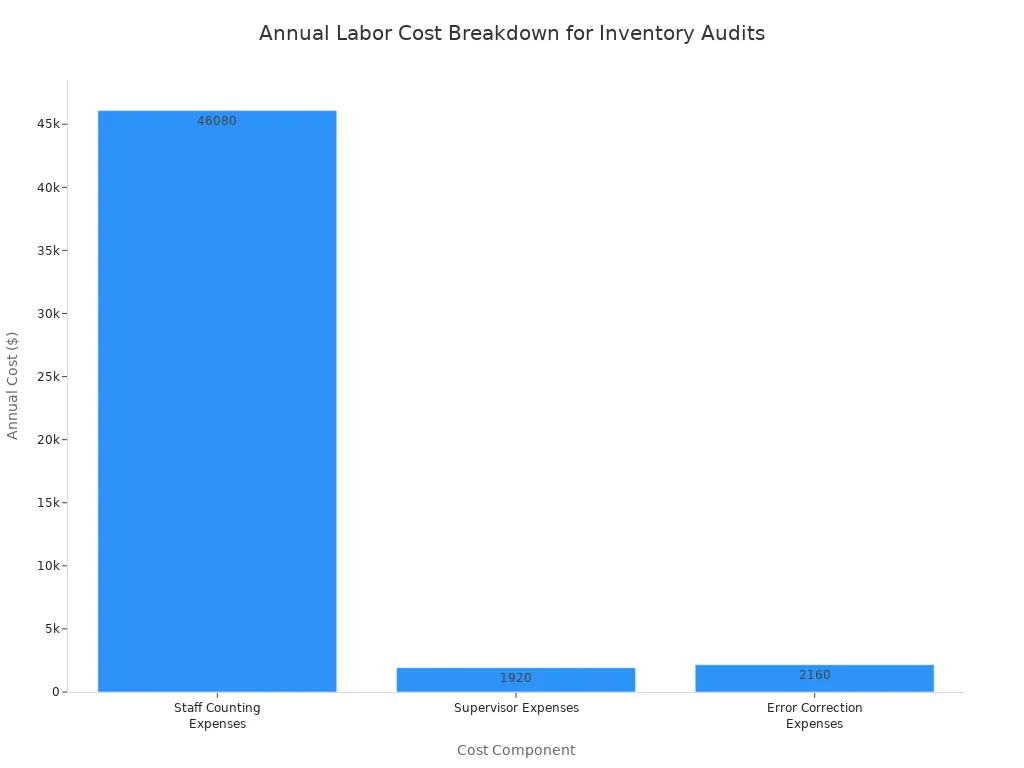
Staff Counting Expenses | $46,080 yearly (20 workers, 5 stores, 16 hours, $12/hr) |
Supervisor Expenses | $1,920 yearly (8 fix hours total at $20/hr) |
Error Correction Expenses | $2,160 yearly (3 recount hours per store, $12/hr) |
Overall Financial & ROI Impact | Yearly cost hits $50,160 for 5 stores, losing money |
Old hand counts hit 63% correctness usually. Yet camera systems keep over 99.5% accuracy. Computer vision hits up to 99.9% precision. It raises total work correctness by 70%. Dropping manual counts saves funds right now.
Streamlining Store Task Management
New AI tools slash store costs by 40%. Clever software handles simple, repeated job tasks. Store bosses use AI for price checks. They verify shelf items automatically too. This smart task automation raises overall store output.
Curbing Overtime and Turnover Expenses
Extra worker hours ruin shop earnings fast. Smart schedule tools track store visitor trends. Drink seller Juice Press saved $200,000 yearly. They used predictive scheduling software to do it.
Good schedule programs lower worker quitting rates. They cut staff turnover by 15%. This schedule optimization builds fair work shifts. It sends early shift alerts to workers. It helps staff enjoy life outside work. Using AI in retail saves big money.
High-Impact Applications of AI in Retail
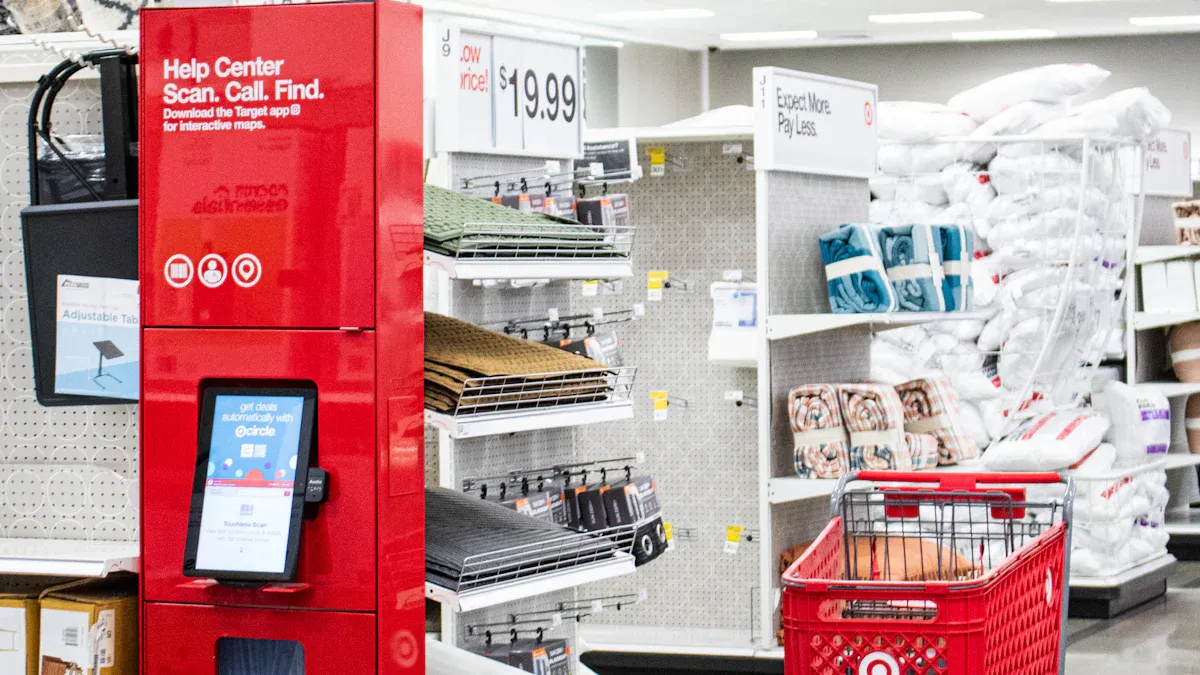
Smart store managers use helpful tools today. These tools cut store costs fast. They help shoppers get better care.
Smart Scheduling for AI in Retail
Clever work plans save shop money. Smart math tools guide schedule optimization easily. They match work shifts with traffic. Sales events shape work times too. This method cuts store labor costs.
The predictive scheduling software acts in three steps:
Demand and Workload Forecasting: Smart tools review past visitor data.
Profile Integration: Apps check worker skills and availability.
Automated Roster Generation: Systems build great work schedules automatically.
Using ai in retail stops extra shift spending.
Autonomous Store Robotics and Scanning
New smart machines handle boring store jobs. Cleaners scrub floors while scanners check items. Adding artificial intelligence to tools helps workers.
AI Application | Primary Store Function | Operational Cost Impact |
|---|---|---|
AI-Enabled Robots | Shelf scanning and floor care | Replaces routine physical tasks |
Inventory Management | Dynamic tracking of perishable items | Minimizes waste and shrinkage costs |
Loss Prevention AI | POS sensor tracking | Decreases financial theft costs |
These ai technologies do constant store checks. Workers get more time to help people.
Real-Time Associate Copilots
Shops use an ai-powered store assistant today. It guides store teams on phones. Fast artificial intelligence replaces old training books.
Fast help speeds up new staff training. It improves shopper care in all areas.
Staff use ai-powered solutions on store floors. Modern ai technologies show great items fast. Workers use real-time personalization during daily tasks. These ai-driven personalization capabilities teach employees quickly. Store teams use personalization workflows for suggestions. Workers offer personalized cross-selling during sales chats. They give personalized assistance to build trust. This digital tool shares clear personalized insights. Modern personalized service tools lift brand value. These systems improve schedule optimization and inventory optimization.
Navigating AI and Retail Jobs
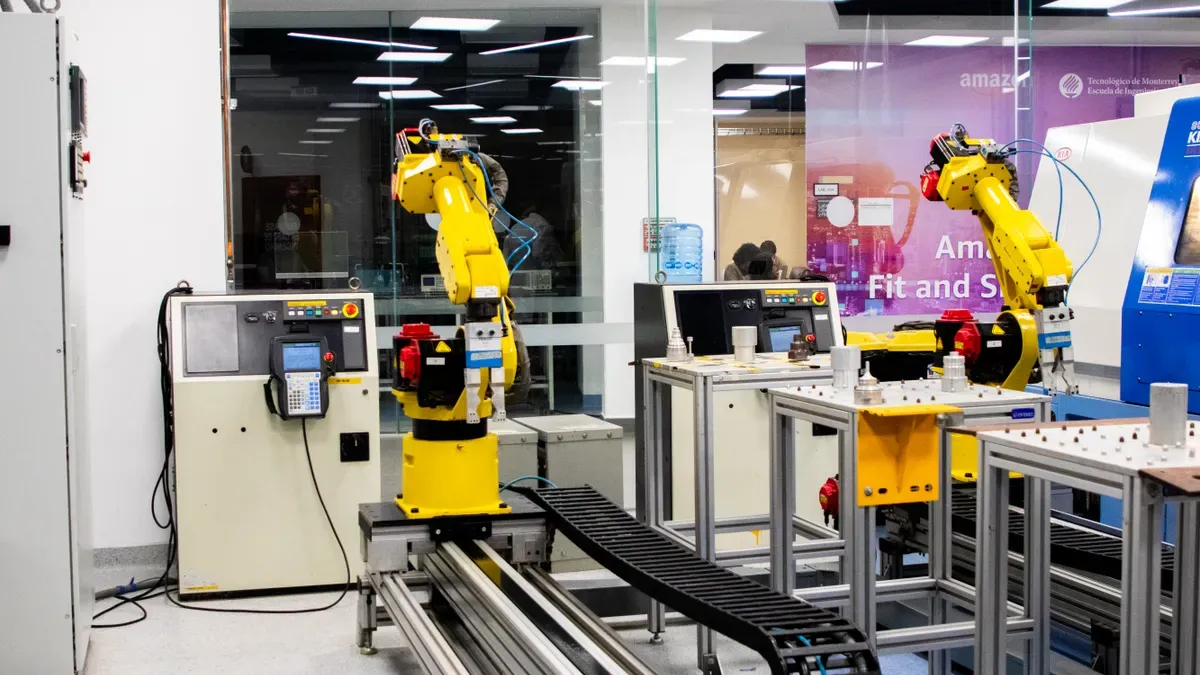
New shop tools blend quick tech with warm care. Bosses use smart tech to help floor staff. This big shift shapes ai and retail jobs.
Preserving Human Touch in High-Value Sales
Tech frees time for deep store talks. Workers earn real shopper trust on floors. AI in retail gives custom tips to buyers.
Moving staff away from boring desk tasks aids work:
Moving staff to busy aisles helps shoppers fast.
Turning simple sales into demo times raises sales.
Staff give custom advice to guide shoppers well. Workers add warm care to live chats. Shoppers like custom help with top goods. Tech data brings custom chats to store visits. Staff share custom advice to win loyalty. Good custom care brings shoppers back to shops.
Building a Sustainable Hybrid Workforce
Smart tools change daily shift work for teams. Using artificial intelligence updates shift duties for all. Tech builds a helpful system for floor teams.
Tech shifts daily roles through special help:
Absorbing Routine Tasks: AI apps list tasks, find display errors, and alert teams.
Instant Knowledge Retrieval: Digital tools look up guides and check stock fast on phones.
Elevating Customer Interaction: Systems stop guesswork, so staff give great care.
Smart tools shape retail work by aiding staff. AI helpers handle background data work quietly. Workers get fresh energy for active shopper care. Store teams hit daily goals while keeping care high.
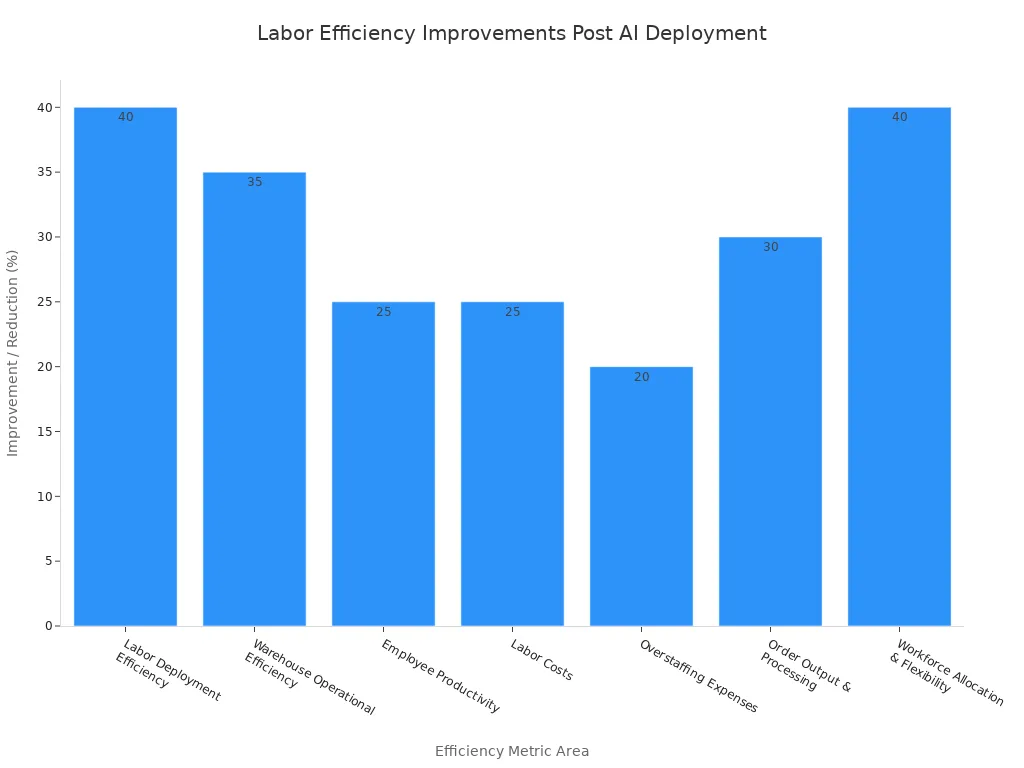
Bosses use AI to grow sales. These systems lower costs safely. Smart tools stop hard inventory work. AI fixes costly human mistakes. Smart tools stop bad overstaffing. Great schedules keep shops full.
Store managers guide retail workers well:
Audit Expenses: Check slow, hard daily tasks.
Pilot Technology: Try new schedule software and robots.
Upskill Teams: Teach workers modern mixed jobs.
Using ai in retail helps stores win.
FAQ
💡 Quick Tip: Using early tech gives a big edge now.
How fast do businesses see ROI from retail software?
Shops see big gains in six months. Smart tech cuts spending super fast. These systems save money through lower labor costs.
Does ai replace store employees entirely?
No, tech does not fire workers fully. Smart tools do simple shelf cleaning. Staff get time for great care. This boosts total sales fast.
Can small physical merchants afford smart ai systems?
Yes, cheap cloud tools help small shops. Bosses buy small app parts easily. They cut shift costs very fast.
How does predictive scheduling reduce store labor costs?
Smart software reads old shop trends. It calculates worker needs for shifts. AI stops extra shift pay errors. It cuts overstaffing costs fast.
See Also
Discover Why Smart Artificial Intelligence Retail Stores Lead Tomorrow's Shopping
Essential Insights For Retailers On Growing Automated Local Neighborhood Markets
Revolutionize Your Digital Shop Operations Using Advanced Smart Software Solutions
Key Advantages Of Next Generation Smart Automated Merchandisers In Business
