Why cashierless retail is gaining momentum in 2026

You see cashierless retail growing everywhere. AI technology and automation make shopping quick and simple. Stores use AI scanners and checkout systems. You can pay with your phone and skip lines. Customers want things to be fast and easy. Stores are making changes to help.
The global market for unmanned stores will rise from $82.56 billion in 2025 to $103.39 billion in 2026. The CAGR is 25.2%.
By 2030, this market could reach $252.29 billion.
AI-based loss prevention systems keep stores safe. Store operations change fast. Shopping feels new, and you notice it each time you visit.
Key Takeaways
Cashierless retail is growing fast. The market may reach $103.39 billion in 2026. This is because people want shopping to be easy.
AI and automation make shopping smoother. Customers can skip lines and check out fast. This makes people happier when shopping.
Cashierless stores use smart technology like sensors and computer vision. These tools help track what people buy. Shopping is quicker and wait times are shorter.
Retailers save money and work better with cashierless stores. They can spend more time helping customers. This makes shopping better for everyone.
Cashierless systems have many good points. But there are problems like theft and privacy worries. Stores need strong security to keep things safe.
Cashierless retail explained
What are cashierless stores?
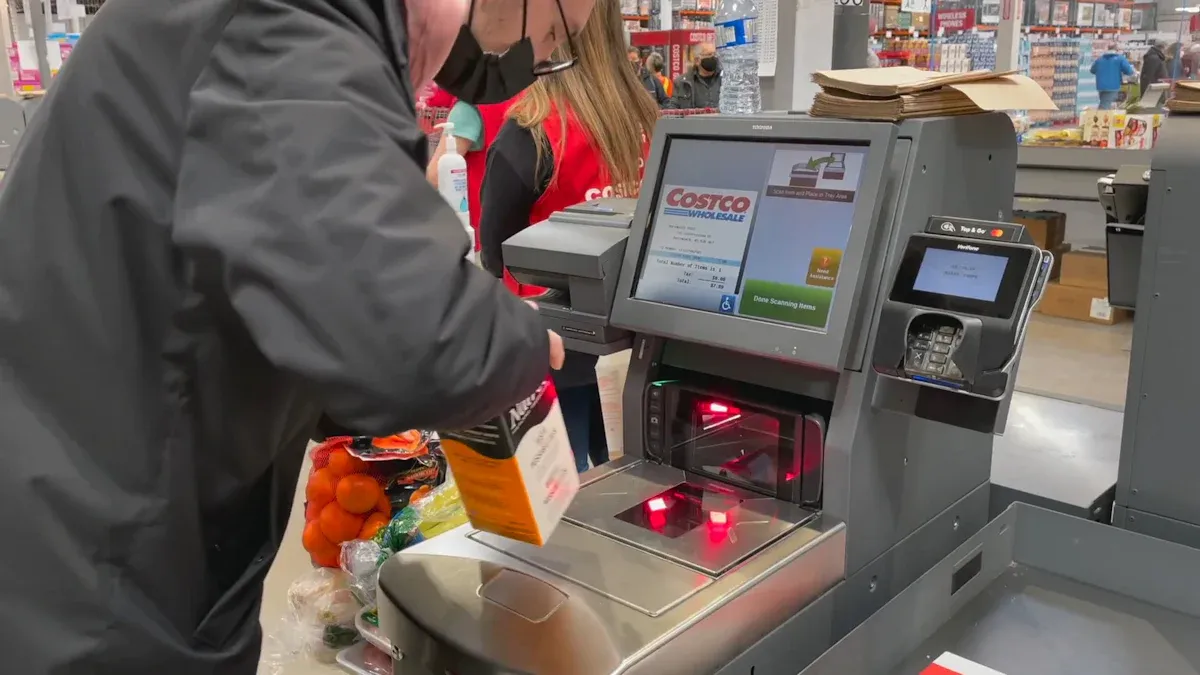
When you walk into cashierless stores, things feel different. These stores use special technology like computer vision and sensors. You can take what you want and leave without waiting in line. In regular stores, cashiers check you out, so you wait a lot. Cashierless stores get rid of that problem. You just grab your stuff and go. Amazon Go has a ‘Just Walk Out’ system that lets you skip checkout. Other stores like Giant Eagle and Tesco use these systems too. Shopping is faster and easier this way. People who like technology enjoy these stores. They usually have fewer products to choose from. Regular stores try to have something for everyone, so they have more items and sometimes higher prices. Cashierless retail is growing because people want shopping to be quick and simple.
You might ask if cashierless stores are right for you. If you like fast shopping and don’t like waiting, you may like them.
How cashierless systems work
Cashierless stores use smart tools to make shopping simple. Here’s how the main parts work together:
Sensor Technology: Sensors watch what you pick up or put back. They use cameras and weight sensors to see what you do.
Computer Vision: Cameras make a digital map of the store. They know what you take.
Artificial Intelligence (AI): AI takes care of payments. When you leave, it charges your account by itself.
You do not need to scan anything or talk to a cashier. The system does all the work for you. Cashierless retail uses these tools to make shopping fast and easy. You save time, and stores work better.
Why cashierless retail is growing fast
AI and automation in retail
You see more cashierless stores because technology is smarter now. AI and automation help make this happen. When you go inside, sensors and cameras watch what you pick up. These tools let stores know what you buy without a cashier. Automated checkout uses computer vision and IoT sensors to make shopping easy. You grab your things, and the system charges you right away.
Here’s a quick look at the main technologies behind cashierless stores:
Technology | Function |
|---|---|
Computer Vision | Finds and understands what customers do, tracks items, and checks inventory. |
IoT Sensors | Watches product movement and collects data right away. |
Big Data Analytics | Looks at shopper actions to suggest products and make shopping better. |
Automation in Inventory | Helps restock shelves and manage inventory with smart systems. |
Automated checkout makes shopping faster and easier for everyone. You do not need to wait in line or scan items. Stores use big data to learn what you like and suggest things. This makes your shopping feel special. Retailers also use automation to keep shelves full and manage stock. You get a better trip, and stores work better.
The Retail Interactive Terminal Market is growing fast. It will go from $5.38 billion in 2025 to $5.97 billion in 2026. By 2032, it could reach $12.18 billion. This shows cashierless stores are growing faster than regular stores.
Consumer demand for convenience
You want shopping to be quick and easy. Cashierless stores help with this. Most people do not like waiting in lines or slow checkouts. Automated checkout lets you grab what you need and leave. You save time and skip the hassle.
Look at these numbers from recent surveys:
Statistic | Finding |
|---|---|
77% | U.S. shoppers care most about convenience. |
90% | Free shipping is very important for online buyers. |
84% | Fast shipping matters a lot for online buyers. |
81% | Return policy is important for online buyers. |
55% | Many people will pay more for easy shopping. |
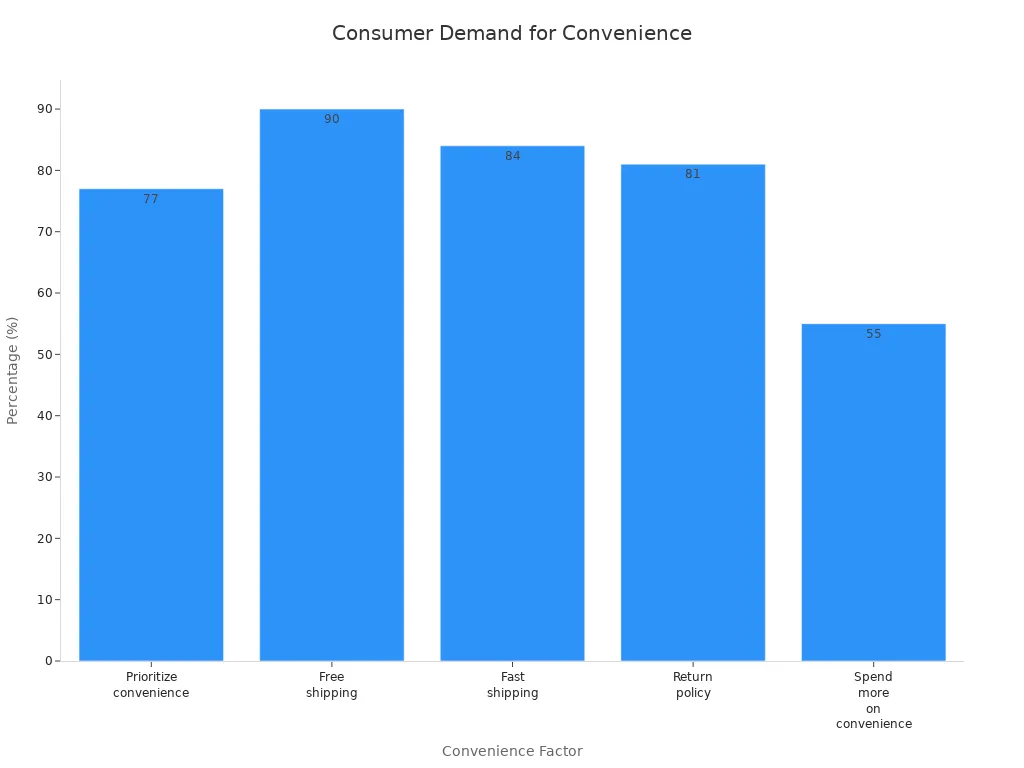
You see shoppers paying extra for convenience. E-commerce keeps growing, and people buy more online now. The pandemic changed how you shop, making speed and safety matter more. Cashierless stores fit these new habits.
People will pay up to 5% more for convenience.
E-commerce has grown, with 17% of U.S. staples bought online in 2023.
The pandemic changed shopping, and these changes last.
Cashierless stores make shopping faster. You do not wait in lines. Speed is now very important. Stores use cashierless retail to give you a better trip. Automated checkout also helps stores learn about your habits. Staff can help you instead of running checkouts. You get a smooth shopping trip with apps and loyalty programs.
Retail competition and innovation
Retailers want to stay ahead of others. Cashierless stores help them compete. You see stores using new tech to bring in shoppers. Automated checkout makes shopping easier and faster. Stores use AI-powered suggestions to show you things you might like. This can help sales go up by 40%.
Here’s a table showing the latest trends:
Trend/Innovation | Description |
|---|---|
AI-Powered Personalization | Can boost sales by up to 40%, important for cashierless shopping. |
Hybrid Shopping Models | Mixes automation with regular checkout, like scan-and-go and smart carts. |
Biometric and Digital Payments | Uses face or palm scans for faster, safer payments. |
Challenges in Implementation | High costs and privacy worries are big problems for stores. |
Customer Adoption | Some people still like regular checkouts, so stores offer both. |
You see hybrid shopping in many stores now. You can pick automated checkout or use a cashier. Biometric payments, like face or palm scans, make paying faster and safer. Some shoppers still want regular checkouts, so stores give both choices.
Retailers use cashierless stores to work better and stay ahead. They add AI-powered checkout and IoT inventory tools. Smart retail uses new tech and data to make shopping better for you. Cashierless retail helps stores run smoother and keep shoppers happy.
Tip: If you want to shop fast, try cashierless stores. You get in and out quickly, and stores keep making things better.
Benefits for shoppers and retailers
Faster checkout and less waiting
Most people do not like waiting in lines. Cashierless stores help stop this problem. You can grab your things and leave fast. RFID technology lets you put items in your cart and walk through a scanner. The system reads all the tags right away and makes your bill. You do not have to scan each item or talk to a cashier. This makes your shopping trip much quicker.
RFID scanners check all your items at once.
The system keeps track of what you buy and charges you right away.
You skip lines and save time.
Here is how cashierless stores help you move faster:
Benefit | Description |
|---|---|
Gets rid of regular checkout lines. | |
Smoother in-store flow | Makes it easier to move around the store. |
Fewer scanning mistakes | Cuts down on billing errors, so checkout is faster. |
Better visibility into inventory | Helps stores keep track of stock for quick checkouts. |
Consistent operations | Keeps things running well, even when busy. |
Operational efficiency and cost savings
Cashierless technology helps stores work better. You see more products on shelves and fewer empty spots. Stores use smart systems to check inventory and restock fast. This makes stores run smoother and keeps shoppers happy.
Metric | Improvement Percentage |
|---|---|
Reduction in out-of-stock events | 20-25% |
10-20% | |
Improvement in operational efficiency | 15-25% |
Stores also save money. Amazon plans to cut tech costs by almost 75% from 2020 to 2023. The price to set up cashierless tech drops from $3.92 million to $1.44 million for each store. Stores spend less on tech every year, going from 8.2% to 2.1% of their revenue. These savings let stores offer better prices and add new features.
Lower tech costs give stores more money for upgrades.
Stores can focus on making your shopping trip better.
Enhanced shopping experience
You want shopping to be easy and fun. Cashierless stores use edge AI to make choices fast and help you find things. You do not wait in lines, so you get in and out quickly. Staff can answer your questions instead of working at the register. This makes your visit smoother and more personal.
Evidence Type | Description |
|---|---|
Technology Utilization | Edge AI works in real time to help customers and make decisions. |
Queue Elimination | Cashierless systems cut down on long lines, so you enter and leave faster. |
Operational Efficiency | Automated checkout lets staff help customers, which makes people happier. |
Cost Savings | Stores save on labor and make fewer mistakes, so they earn more money. |
You see higher customer satisfaction and more people coming back to shop. The whole shopping experience gets better because it feels smooth and easy.
Challenges for cashierless stores
Security and theft concerns
Cashierless stores make shopping faster, but they have new problems. Theft is now a bigger issue. When you scan your own things, mistakes or stealing can happen more easily. Some stores, like Dollar General and Target, are limiting self-checkout because of this. Target uses cameras to find items that are not scanned. Stores lose more money from theft now. In 2022, shoplifting cost stores $112 billion. About 15% of shoppers say they have stolen at self-checkout. Stores use smart cameras and sensors to watch for bad behavior.
More theft happens with self-checkout.
Stores limit self-checkout to stop losses.
Cameras help find things that are not scanned.
Shoplifting is higher at self-checkout.
Stores use new security tools to protect products.
Technology costs and scalability
Cashierless stores need special tech to work. You see scanners, smart carts, and sensors in these stores. Some systems cost more than others. If you own a store, you must pick tech that fits your money and needs. Here is a table that shows the costs:
Technology Type | Capital Expenditure | Infrastructure Requirements |
|---|---|---|
Scan and Go | Minimal | Uses customer’s device and current store setup |
Self-Checkout | Moderate | Needs kiosks, peripherals, and POS integration |
Smart Carts | High | High cost per cart, charging stations, maintenance |
Just Walk Out | Extremely High | Requires AI, sensors, and full-store redesign |
It is hard to add cashierless tech to many stores. You need to buy equipment, software, and change the store. Small stores may have trouble paying for this.
Customer trust and service issues
You want to feel safe when you shop. Cashierless stores use cameras and sensors to watch you. This can make you worry about privacy. Some people do not want to use these systems, especially when weighing food or sharing their data. You might wonder how stores use your information. Many people will share data if they trust the store.
Some shoppers worry about privacy and data collection.
Self-checkout can cause more theft, so stores get stricter.
You may have trouble weighing things or using new tech.
Trust is important. You want stores to keep your data safe.
Stores try to make shopping easy and safe. They use smart cameras that do not bother you. Touchless payments help keep your money safe. Stores must earn your trust by telling you how they use your data.
Tip: If you worry about privacy, ask the store how they keep your information safe. Good stores will explain their rules.
Impact on retail jobs and operations
Changing roles for employees
You might wonder what happens to store workers when cashiers disappear. Cashierless technology changes jobs in a big way. You see fewer cashiers and stock clerks. By 2033, there could be over 10% fewer cashier jobs. If just 10% of stores switch to cashierless systems, more than 61,000 cashier jobs could go away. But that does not mean all jobs vanish.
You see new roles pop up. Employees move from scanning items to helping you in the aisles. They answer questions, solve problems, and make your shopping trip better. Stores want workers who know how to use technology and help customers. You notice staff using tablets or phones to check prices or find products. Some workers learn data skills or help with tech support.
Here’s how jobs are changing:
Employees focus more on customer service and less on repetitive tasks.
Staff use technology to give you personal help.
New jobs need skills in tech, data, and talking with customers.
Retailers now train workers to boost their customer service skills. You get more help and a friendlier shopping experience. AI and automation make jobs less boring and more interesting.
Tip: If you work in retail, learning tech skills and customer service can help you grow in your career.
Store layout and process changes
You notice stores look different with cashierless systems. Traditional checkout counters disappear. This gives stores more space for products or comfy seating. You walk through open aisles without stopping to pay. The whole store feels more open and welcoming.
Most retailers remove cashier stations. You do not have to wait in line or stop for scanning. Stores use the extra space to show off new items or create fun displays. You might see more self-serve kiosks or digital screens that help you find things.
Here’s what changes in the store:
Change | What You Notice |
|---|---|
No checkout counters | More space and easier movement |
Open floor plans | A more inviting shopping environment |
Digital help stations | Quick answers and product info |
Flexible displays | New products and seasonal themes |
You get a smoother shopping trip. The store feels less crowded and more modern. Cashierless technology makes shopping simple and enjoyable.
The future of retail with cashierless technology
Mainstream adoption outlook
Cashierless technology is changing stores everywhere. You see more self service kiosks and self checkout counters. By 2026, over half of in-store shopping will be cashierless. People want to check out faster and use their phones to pay. Stores are adding these choices to help shoppers.
Here’s how the market is growing:
Market Type | 2020 Value | 2026 Value |
|---|---|---|
Self-Checkout Systems | $3.1 billion | $5.9 billion |
Unmanned Stores | N/A | $103.39 billion |
Unmanned stores could reach $103.39 billion in 2026. Self-checkout systems are getting more popular too. Cashierless retail is growing because people want things to be quick and easy. You find self service kiosks in many places like grocery stores and airports. Self checkout counters make shopping simple for everyone.
You might ask if cashierless stores will be everywhere soon. The answer is yes. Retail is moving toward faster and easier shopping with automation.
Innovations shaping the future
New ideas are changing how stores work every day. There are over 70 innovation areas making stores better. Sensors, cameras, and deep learning help track what you buy. AI and machine learning give you smart shopping tips. You get suggestions based on what you like.
Here are some new things you will see:
AI and machine learning help stores work better and give you personal tips.
Biometric authentication and QR code scanning make mobile payments safer and quicker.
Automated purchase tracking helps stores restock fast and know what you buy.
AI-driven surveillance helps stop theft and keeps stores safe.
You see more mobile payments and touchless ways to pay. Automation helps big stores save money and run better. Self service kiosks and self checkout counters are showing up in more places. The future will bring even more changes to stores. Shopping will get smarter, safer, and easier for you. You will have a better time shopping and get good service.
If you enjoy technology, you will like what’s coming. The future of retail will make shopping simple and fun.
You see cashierless retail growing fast because stores want to make shopping easier for you. Companies use new technology in busy spots and special sections to help you skip lines and buy things quickly.
Amazon’s ‘Just Walk Out’ system is showing up in more places, making checkout simple.
Stores save money and serve more customers without needing extra staff.
High costs and tech glitches can slow things down, but clear instructions and good support help you feel comfortable.
Cashierless stores will keep changing how you shop. You get more convenience, and stores work smarter.
FAQ
What is self-checkout and how does it work?
You use self-checkout to scan your items and pay without help from a cashier. You find a kiosk or station in the store. You scan each product, follow the steps on the screen, and pay with cash, card, or your phone.
Is self-checkout safe for my privacy?
You might worry about privacy at self-checkout. Stores use cameras and sensors to watch for theft. They collect some data to improve your shopping. You can ask the store how they protect your information. Most stores try to keep your data safe.
Why do stores offer self-checkout instead of regular checkout?
Stores add self-checkout to help you shop faster. You skip lines and finish your trip quickly. Self-checkout also helps stores save money and use staff for other jobs. You get more choices and a smoother shopping experience.
What should I do if I have trouble at self-checkout?
If you have trouble at self-checkout, you can ask a staff member for help. Sometimes the scanner does not read your item or the payment does not work. Staff can fix problems or answer your questions. You do not need to worry.
Are there any risks with self-checkout?
You face some risks at self-checkout. Mistakes can happen when you scan items. Some people steal or forget to scan products. Stores use cameras and sensors to stop theft. You should check your items and follow the steps to avoid problems.
Tip: Always double-check your items at self-checkout. This helps you avoid mistakes and keeps your trip smooth.
Self-Checkout Benefits | Self-Checkout Risks |
|---|---|
Faster shopping | Scanning mistakes |
Less waiting | Privacy concerns |
More control | Higher theft rates |
Can I use self-checkout for all types of products?
You can use self-checkout for most products. Some stores limit self-checkout for age-restricted items like alcohol or tobacco. You may need staff approval for these. For regular groceries and household items, self-checkout works well.
Does self-checkout help stores save money?
Self-checkout helps stores save money. They need fewer cashiers and can use staff for other jobs. Stores spend less on labor and can offer better prices. You benefit from faster service and sometimes lower costs.
How does self-checkout change the shopping experience?
Self-checkout changes your shopping experience. You control the process and move at your own pace. You skip lines and finish faster. Stores use self-checkout to make shopping easier and more modern. You see more kiosks and fewer cashier counters.
What happens if I make a mistake at self-checkout?
If you make a mistake at self-checkout, staff can help you fix it. You might scan the wrong item or miss something. Staff can correct your bill or answer questions. You do not need to worry about small errors.
Why do some stores limit self-checkout?
Some stores limit self-checkout because of theft and mistakes. They want to protect products and keep losses low. Stores use cameras and sensors to watch self-checkout. You may see fewer self-checkout lanes in busy stores.
Is self-checkout available everywhere?
You find self-checkout in many stores like grocery stores, big box retailers, and convenience shops. Some small stores do not offer self-checkout yet. You see more self-checkout kiosks every year as stores upgrade their technology.
Can I earn rewards or use coupons at self-checkout?
You can earn rewards and use coupons at self-checkout. Most kiosks let you scan loyalty cards and enter coupon codes. You get discounts and points just like at regular checkout. Ask staff if you need help with rewards.
What are the main features of self-checkout kiosks?
Self-checkout kiosks have touch screens, barcode scanners, and payment options. You scan items, pay with cash or card, and print receipts. Some kiosks offer mobile payment and digital coupons. You find these features in most modern stores.
How do stores prevent theft at self-checkout?
Stores use cameras, sensors, and staff to prevent theft at self-checkout. They watch for missed scans and suspicious behavior. Some stores limit self-checkout to certain hours or products. You help by scanning items carefully and following the rules.
See Also
Transforming Your Store Experience With Cashierless Technology
Upcoming Changes to Walmart Self-Checkout by 2025
The Future of Retail: Embracing AI-Powered Stores
