Will cashierless retail reshape shopping in 2026 and beyond

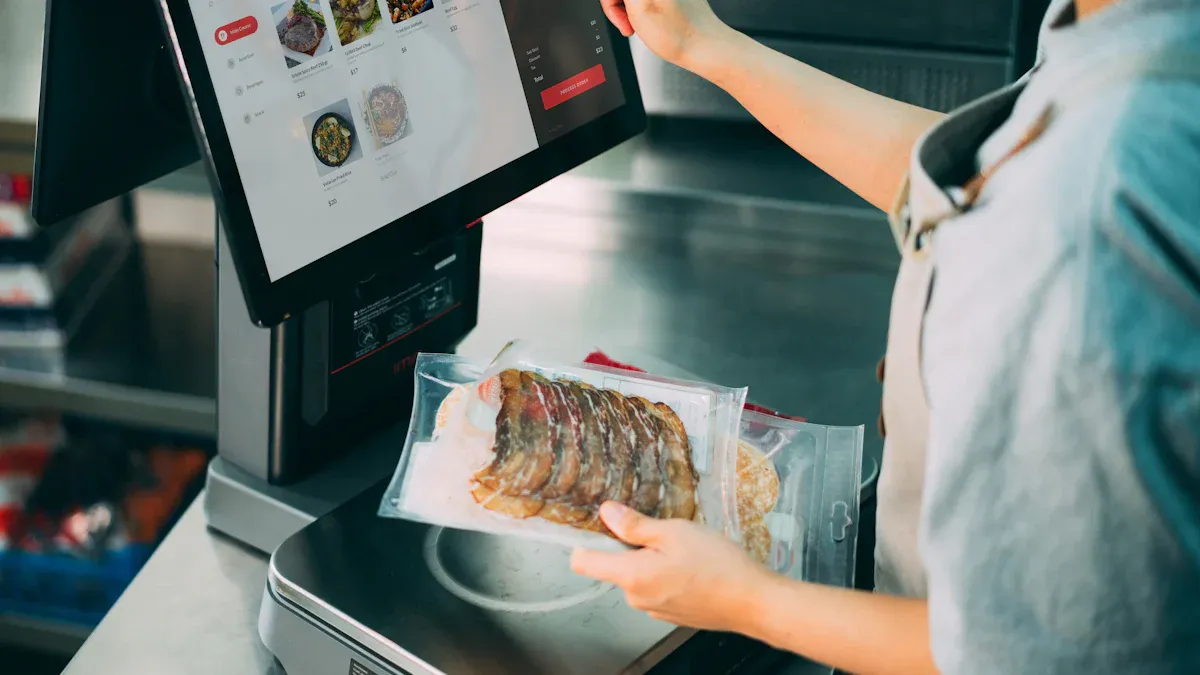
Cashierless retail will change how you shop by 2026 and later. Think about walking into a store. You grab what you want and leave. You do not have to wait in line. Cashierless retail is growing fast everywhere. Here are some numbers:
Market Type | 2020 Value | |
|---|---|---|
Self-Checkout Systems | $3.1 billion | $5.9 billion |
Unmanned Stores | N/A | $103.39 billion |
You can see that over half of all in-store buys will be cashierless by 2026. Many people already like shopping faster. Learning about cashierless retail helps you get ready for big changes. It also helps store owners and workers prepare.
Key Takeaways
Cashierless retail lets you shop without waiting in line. You just pick up what you want and leave. This makes shopping faster and easier.
This new way to shop uses smart technology like cameras and sensors. These tools watch what you buy, so you do not have to scan items. This helps make shopping smooth and simple.
Cashierless stores are opening quickly. Experts think there will be many more by 2026. This shows people want to shop faster.
Cashierless retail has good points like shorter waits and lower costs. But there are problems too, like stealing and people not trusting the system.
As cashierless technology gets better, store jobs will change. Workers will help customers and solve problems instead of doing the same tasks over and over.
What Is Cashierless Retail
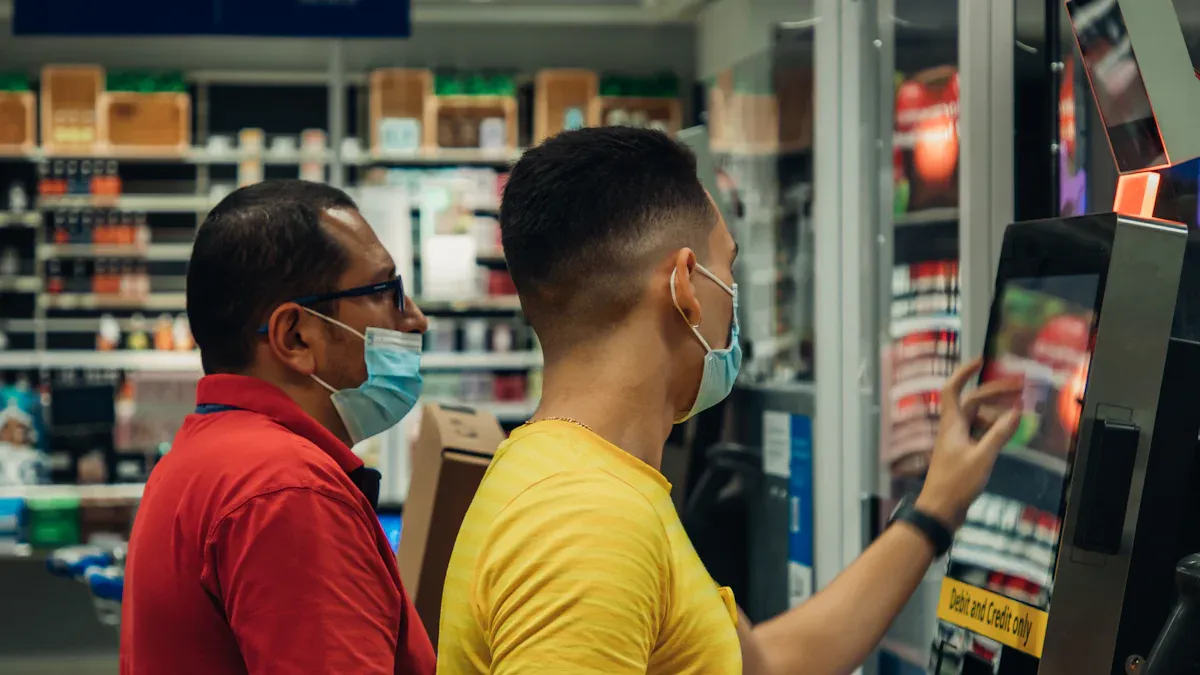
Cashierless retail lets you shop without stopping at checkout. You pick up things you want. The store keeps track of what you take. When you finish shopping, you just leave. The store charges your account by itself. This way of shopping uses new technology. It makes shopping faster and easier for you.
How It Works
Cashierless stores use tools to see what you buy. Cameras and sensors are all over the store. These devices watch you and record what you grab. Machine vision and artificial intelligence help the system know your actions. RFID tags and electronic shelf labels help too. Your phone connects to the store’s app. It makes a virtual cart for you. When you leave, the store takes payment from your account. You do not scan items or wait in line.
Tip: You can shop anytime because cashierless stores are open all day and night.
Here is a table showing how cashierless retail is different from traditional checkout:
Feature/Aspect | Cashierless Retail Systems | Traditional Checkout Systems |
|---|---|---|
Checkout Process | Walk out without scanning or paying | Scan items and pay at a terminal |
Convenience | Ultimate convenience, available 24/7 | Requires time to scan |
Labor Costs | Reduces labor and operational costs | Needs staff for assistance |
Customer Experience | Minimal wait time, no scanning errors | Possible errors during checkout |
Technology Used | Camera-only computer vision for tracking | Self-checkout machines |
Privacy Concerns | Ensures shopper anonymity | May collect personal data |
Store Models
You can find different cashierless store models in many places. Amazon Go uses your phone to connect with the store. Amazon Fresh has smart carts for bigger shopping trips. Aisle 24 gives resident and community formats with kiosks for checkout. Carrefour runs stores with no checkout, like Carrefour City+ and Carrefour Flash. Whole Foods Market tries cashierless technology in some stores. Many stores use digital wallets and smart carts to help you shop. Automated checkout is normal in these stores. Shopping is simple and fast.
Resident Format: 325 to 800 square feet, found in common areas.
Community Format: 1,000 square feet or more, with at least two kiosks.
You see cashierless stores in supermarkets, convenience stores, and small shops. Each model uses technology to make shopping easier for you.
Cashierless Stores: Adoption and Growth
Global Expansion
Cashierless stores are popping up in many countries. The United States has the most cashierless stores. Europe is next, with the United Kingdom, Germany, and France leading. In Asia-Pacific, China, Japan, and South Korea are growing fast. Look at the table to see how regions compare in 2024:
Region | Market Share in 2024 | Leading Countries |
|---|---|---|
North America | Over 40% | United States |
Europe | Approximately 30% | United Kingdom, Germany, France |
Asia-Pacific | Around 20% | China, Japan, South Korea |
You find more cashierless stores in cities and busy places. Retailers open new stores to meet what shoppers want. Experts think cashierless stores will grow a lot by 2025.
Consumer Expectations
You want shopping to be quick and simple. Most shoppers feel this way too. Long lines make you leave without buying anything. In the U.S., 86% of shoppers have left stores because of lines. This makes stores lose lots of money. Cashierless stores fix this problem. You skip lines and shop in private.
Retailers pick cashierless stores for several reasons:
They want fewer staff shortages. Many workers have quit their jobs lately.
They can change store layouts and use data to make better choices.
They need less staff, so workers can help shoppers in other ways.
More people are using cashierless stores now. Surveys show 80% of shoppers want new checkout options. Younger shoppers use cashierless technology more than older adults. About 21% of people aged 18 to 34 use it often. Only 6% of older adults use it regularly. You may worry about privacy and safety, but most people like saving time and having a better shopping trip.
Note: Cashierless stores keep growing because shoppers want faster, easier, and newer ways to shop.
Benefits of Cashierless Retail
Speed and Convenience
You want to shop fast and not waste time. Cashierless stores help you do this. You walk in, grab what you need, and leave. You do not wait in line or scan items. This new way uses advanced retail technology for a smooth trip. You do not worry about self checkout machines or picking a lane.
Many shoppers say cashierless stores are quick and easy. You can just enter, get your things, and go. Amazon Go is a good example of how it works. People spend less time in the store and feel happier. You have more control over your shopping. You do not need to talk to a cashier or use a self checkout kiosk.
Tip: If you want to skip crowds, shop anytime. Cashierless stores are open all day and night.
You also get more privacy. You do not share personal details with a cashier. The system tracks your items and charges you by itself. This makes shopping simple and not stressful.
Operational Efficiency
Cashierless stores help stores work better. They use automation for checkout. This means fewer mistakes and faster service. You see fewer staff at the front, but more help in other places. Workers can help you find things or fill shelves.
Here is a table that shows how cashierless stores help operations:
Benefit | Description |
|---|---|
Better customer experience | No long lines, so you feel happier and come back more often. |
Increased efficiency | Shopping takes less time, and stores can serve more people each day. |
Reduced labor costs | Stores need fewer cashiers, which saves money. |
Better inventory management | Real-time tracking helps stores keep shelves stocked and reduce waste. |
Shrink reduction | Advanced systems help prevent theft and fraud. |
Optimized retail space | Stores can use space for more products instead of checkout counters. |
You also see lower costs. Cashierless stores can cut labor costs by up to 40%. Some stores, like Amazon Go, spend only half as much on workers as regular supermarkets. Businesses that use AI and automation spend less on daily work.
Self checkout and automated checkout systems help stores track what you buy. This gives them better data. Stores use this to give you better deals and keep popular items in stock. You get a better shopping trip, and stores run smoother.
Cashierless stores remove long lines.
They use fewer staff, which saves money.
Real-time tracking helps stores manage inventory and reduce waste.
Data from your shopping helps stores improve their service.
You see that cashierless stores have many benefits. They make shopping faster, easier, and more fun. They also help stores save money and work better. As more stores use self checkout and automated checkout, you will see even more changes when you shop.
Challenges for Cashierless Stores
Theft and Security
You may think that removing cashiers makes shopping easier, but it also brings new risks. Theft rates in stores without cashiers are much higher than in regular stores. People often take items without paying because there is less human oversight. In fact, almost 39% of grocery shrink comes from self-checkout lanes, and theft rates can be up to five times higher than with traditional checkouts. Some shoppers even admit to stealing at unmanned checkouts. Here is a table that shows the main security concerns:
Concern | Detail |
|---|---|
Increased Theft Rates | Theft rates can be up to five times higher than traditional checkouts. |
System Vulnerabilities | Some customers try to skip item scans or find ways to trick the system. |
Need for Surveillance | Stores need staff and security cameras to watch for theft and keep everyone safe. |
Note: Video cameras help, but they cannot stop all theft. Stores must use other security steps too.
Cost and Technology Barriers
You might notice that not every store uses this new technology. The reason is that the systems cost a lot to install and run. Smaller stores can use cashierless systems more easily, but big stores face more problems. It is hard to set up the technology in large spaces. Retailers also need to explain how they keep your data safe and how they track what you buy. These steps take time and money.
High costs make it hard for many stores to switch.
Large stores need more equipment and planning.
Stores must tell you how they protect your privacy.
Customer Trust
You may worry about how stores use your data. Many shoppers want to know if their information stays private and safe. Some people do not trust machines to charge them the right amount. Others feel nervous about being watched by cameras. If you do not trust the system, you may not want to shop there. Stores must work hard to earn your trust by being clear about how they use your data and by keeping your information safe.
Tip: Look for stores that explain their privacy rules and show how they protect your data.
Cashierless stores bring many benefits, but they also face big challenges. Theft, high costs, and trust issues can slow down their growth. You will see more changes as stores find better ways to solve these problems.
Retail Employee Roles in the Future
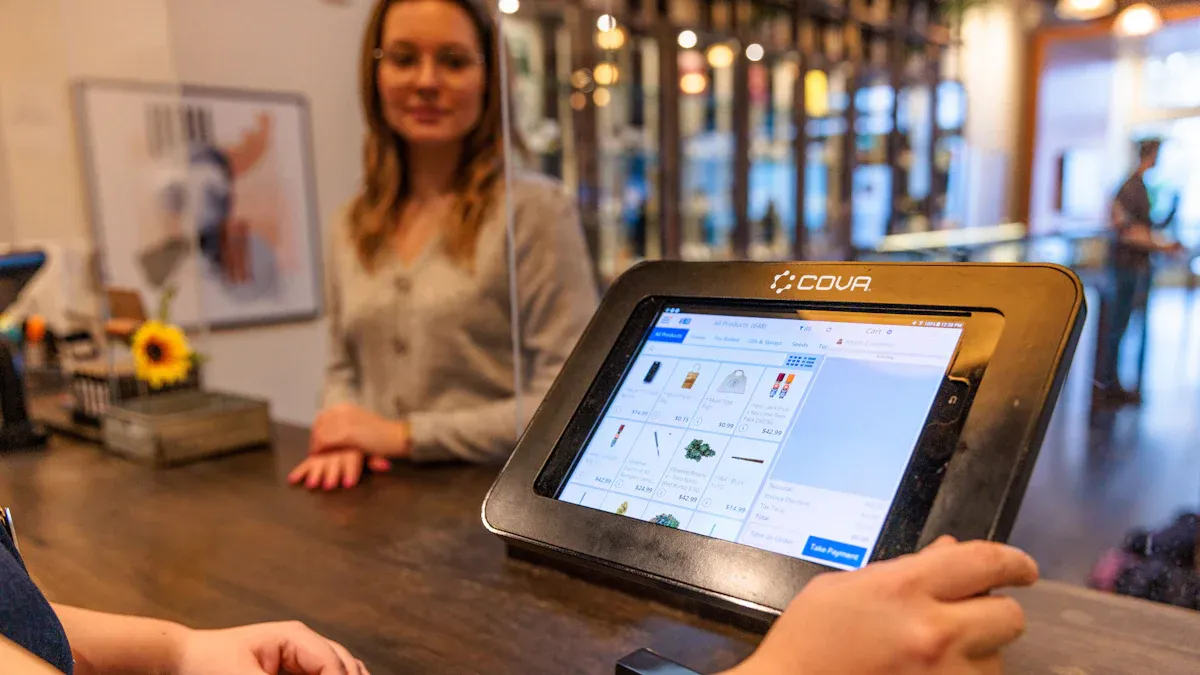
Automation and Job Impact
Retail jobs will change a lot as cashierless technology grows. Automation will do many simple jobs like scanning items and taking payments. This means you will see fewer cashiers and stock clerks in stores. In the United States, about 3.3 million people work as cashiers now. By 2033, there could be over 10% fewer cashiers. Cashiers might lose their jobs because machines work faster and make fewer mistakes.
Tip: If you work in retail, you should learn new skills to keep your job.
Retailers want to use automation to save money and make stores better. If just 10% of stores use cashierless systems, more than 61,000 cashier jobs could go away. Stores will become more efficient and need fewer workers for easy jobs. But stores will still need people to help customers and fix problems. You will see more staff giving advice and helping with things machines cannot do.
Automation will make stores stronger and less dependent on people for simple jobs.
Workers will spend more time helping customers and less time on boring tasks.
People will need to learn new skills as technology changes how stores work.
New Opportunities
Not all jobs will disappear. Cashierless technology will create new jobs in retail. Stores need workers to make sure everything works well behind the scenes. You might find jobs in AI oversight, data analysis, and store planning. These jobs need you to think, solve problems, and help make shopping better.
Retailers are teaching workers to focus on customer service. You might help shoppers find things or give advice. Training now includes learning new technology and understanding what customers want. In-store jobs are more interesting because you do less boring work and spend more time helping people.
You can get jobs that let you talk to customers and help them.
Jobs in inventory management and system monitoring are growing.
Training helps you learn new ways to work and keeps your skills up to date.
Note: The future of retail will mix smart machines with people. You will help make shopping better for everyone.
The Future of Retail: Industry Impact
Store Design Changes
Stores will look very different as cashierless technology spreads. Amazon Go stores do not have regular checkout counters. This makes the store look simple and open. You will see fewer lines and more space to walk. The new design helps you shop quickly and easily.
Stores use smart technology like AI and computer vision.
Cameras and sensors watch what you pick up from shelves.
You use a special app to enter and pay, so you skip the register.
Digital signs and contactless payments make shopping simple.
Real-time tracking keeps shelves full, so you find things fast. You do not waste time looking for products. The new store layout lets you enjoy shopping more. The style is modern and clean. Shopping feels new and exciting.
Tip: Stores want you to feel relaxed and comfortable. They make shopping easy for you.
Market Shifts
Big stores are changing how they work as cashierless retail grows. Walmart might let only some people use self-checkout. This can stop theft and give you better service. Target uses express lanes for self-checkout. You can use them if you have ten items or less. Many stores now offer curbside pick-up and delivery. These options save you time and give you more ways to shop.
Retailer | Strategy Shift | Reason for Change |
|---|---|---|
Walmart | May limit self-checkout to members | To stop theft and help customers more |
Target | Uses express lanes for self-checkout | To make shoppers happy and stop theft |
General | Offers curbside pick-up and delivery | To make shopping easier and save money on workers |
You will see more machines doing simple jobs in stores. Workers can help you instead of doing boring tasks. Cashierless systems make shopping faster and smoother. Amazon Go and Uniqlo show how easy shopping can be. More stores will copy these ideas in the future.
Note: Shopping will be faster and easier. You will have more choices and a better time in stores.
Cashierless retail will change how you shop by 2026. You will check out faster and wait in shorter lines. Stores will use smart technology to make shopping easier. Retailers must keep shopping quick but also safe and private. Here are some important points:
Key Takeaway | Description |
|---|---|
Adaptability matters | Stores need flexible, cost-effective solutions. |
AI improves experiences | Smart systems help with inventory and recommendations. |
Privacy and trust are vital | Shoppers want safe, secure shopping. |
You should look for new store types and better service as technology grows. Think about how these changes could affect your shopping and your job.
FAQ
What do you need to shop in a cashierless store?
You need a smartphone with the store’s app. Some stores use a credit card or digital wallet. You scan your app or card at the entrance. The system tracks your purchases as you shop.
Are cashierless stores safe for your privacy?
Most stores use cameras and sensors. They say they protect your data. You should read the store’s privacy policy. Look for stores that explain how they keep your information safe.
Will you still find workers in cashierless stores?
Yes, you will see workers. They help you find products and answer questions. They also restock shelves and fix problems with the technology.
Can you return items bought in a cashierless store?
You can return items. Most stores let you use the app or visit a help desk. Check the store’s return policy for details.
See Also
Upcoming Changes to Walmart's Self-Checkout Experience in 2025
The Future of Retail: Embracing AI-Driven Stores
Enhancing Store Experience with Cloudpick's Cashierless Solutions
