How to choose an autonomous retail vendor for convenience store chains and small-format grocery


You want to pick the best autonomous retail vendor for your store, but it’s not always simple. You have to think about your store’s needs and how new technology fits into daily life. Some stores struggle with technology that confuses older shoppers or people with disabilities. Others worry about losing community connections when fewer staff work in the store. Sometimes, small shops in rural areas find it hard to keep up with automation. Technology can also break down or face security risks, making reliability a big concern.
Key Takeaways
Identify your store's needs and customer preferences before selecting an autonomous vendor. Understanding your audience helps you choose the right technology.
Look for vendors with proven technology and strong support. Reliable systems improve efficiency and enhance customer satisfaction.
Ensure the vendor's solutions integrate well with your existing systems. Smooth integration prevents data errors and operational delays.
Prioritize security and compliance. Choose vendors who protect customer data and follow regulations to build trust.
Consider the total cost and potential return on investment. A good vendor should help you save money and boost sales over time.
Define Your Store Model and Needs
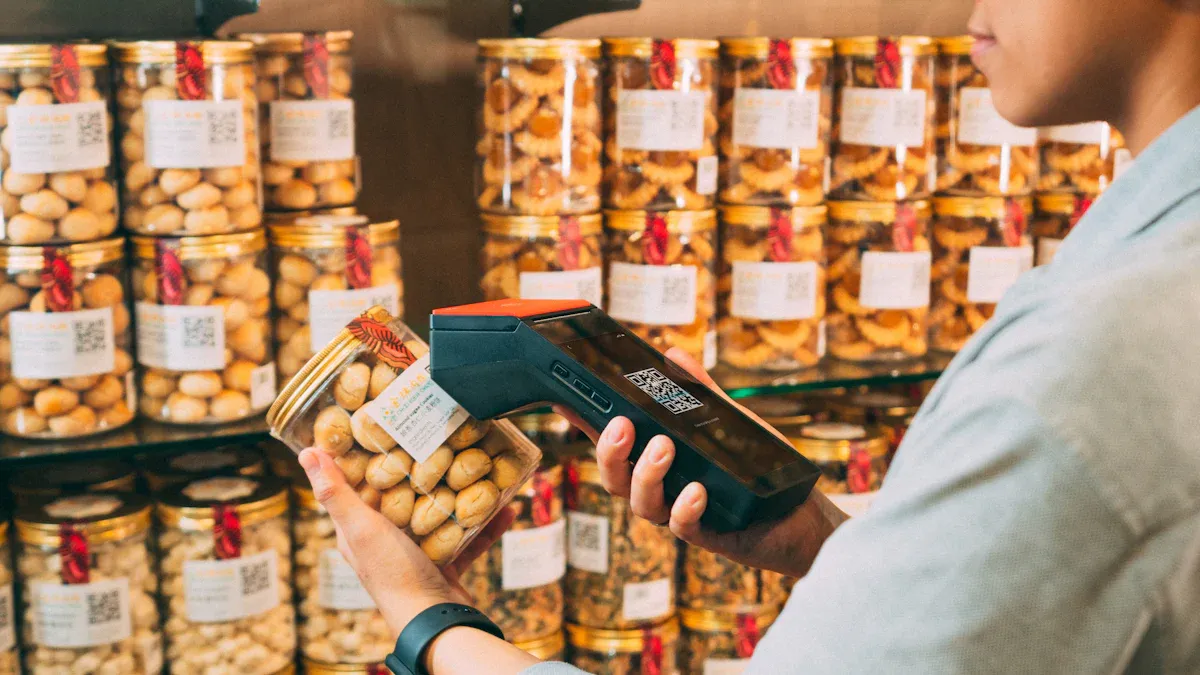
Autonomous Stores: Formats and Models
You have many choices when it comes to autonomous stores. Each format fits different business goals and customer needs. Here are some common types you might see:
Store-within-a-store: This is a small, self-service area inside a bigger store. For example, Żabka set up an autonomous shop inside Decathlon.
Stand-alone retrofit store: You can turn your current shop into an autonomous store. Circle K did this with a petrol station, making it fully self-operating.
Stand-alone store in a new location: Some retailers build a brand-new autonomous store from scratch. This can be risky, but it lets you open quickly in new places.
Hybrid store: This model mixes autonomous shopping with traditional service. Customers can pick how they want to shop.
Think about which model matches your vision and resources. Each one has its own setup and challenges.
Customer Base and Shopping Patterns
Your shoppers shape your store’s future. About 75% of retail customers now prefer autonomous stores. People want quick, easy, and personal shopping. The pandemic changed habits, so many shoppers look for convenience and less contact. You might notice more customers using in-store technology, like AI-driven tools, to get help or find products. These trends show that autonomous stores can boost customer engagement and satisfaction.
Operational Goals and Efficiency
You want your store to run smoothly and make more money. Autonomous stores help you reach these goals. For example, JuiceBabe cut bill processing time by 80% and grew revenue by 45%. They also kept inventory accuracy at 99%. If you worry about out-of-stock items, autonomous stores can help. In the US and Canada, retailers lost $349 billion from empty shelves in 2022. Sensors in these stores track what sells and help you place products better. At Sam’s Club, shoppers using Scan & Go bought 27% more than those at regular checkouts. Smart carts and AI-powered systems also cut labor costs and improve checkout speed. These tools make your store more efficient and keep customers happy.
Key Criteria for Choosing an Autonomous Retail Vendor
Choosing the right autonomous retail vendor can feel overwhelming. You want a partner who brings the best ai, reliable technology, and strong support. Let’s break down the most important things you should look for when picking a vendor for your autonomous stores or small-format grocery.
Technology and AI Capabilities
You need a vendor with advanced ai and technology that actually works in real life. The best autonomous retail vendor uses ai for more than just checkout. You’ll see ai helping with product recommendations, inventory management, and even dynamic pricing. Vendors use computer vision, real-time data processing, and deep learning to make sure their checkout systems are accurate and fast. For example, some vendors use smart weighing solutions to identify and weigh items instantly. Others use ai to spot unscanned items and prevent theft.
Here’s a quick look at the latest technology trends in autonomous retail:
Technology Trend | Description |
|---|---|
Composable Architectures | Lets you add new ai services or payment systems without changing your whole platform. |
Edge Computing | Keeps vision processes private, which helps with new privacy rules. |
Multimodal Sensing | Combines different sensors to make autonomous stores easier to set up and run. |
Digital Twins | Gives you a virtual version of your store for better decisions and planning. |
You’ll also see ai powering shopping assistants, visual search, and fraud detection. These features make shopping easier and safer for everyone.
Tip: Look for a vendor who uses ai to personalize shopping and improve security. This will help your store stand out.
Integration and Scalability
You want your autonomous retail vendor to fit with your current systems. Integration can get tricky if your old systems don’t talk to the new ones. This can cause data errors and slow things down. Make sure your vendor has experience connecting their solutions to different retail platforms. Ask how they handle product misidentification or network issues.
Scalability matters, too. If you plan to grow, your vendor should help you open new stores or add features without starting from scratch. Today’s best autonomous technology lets you scale up fast, even in a crowded market. You can adapt to new trends and keep up with customer demands.
Improved technology makes it easier to open new stores.
Economic changes, like inflation, can make autonomous stores more attractive because they cost less to run.
You need a vendor who helps you stay ahead of the competition.
Security and Compliance
Security is a big deal in autonomous retail. Your vendor must protect customer data and follow strict rules. Here’s a table showing some important standards and laws:
Security Standard/Regulation | Description |
|---|---|
ISO 27001 | Information security management systems |
NIST 800-53 & NIST CSF | Security and privacy controls for all systems |
SOC 2 | Data handling and operational controls |
HIPAA | Protects health information |
GDPR/CCPA | Data protection for personal information |
Your autonomous retail vendor should also use anonymous computer vision. This means the system tracks items and purchases without using faces or fingerprints. The best vendors start tracking with keypoints, not biometrics, so they stay GDPR-compliant and protect privacy.
PCI DSS is a must for payment security.
SOC 2 and CCPA help keep customer data safe.
Vendors should never use facial recognition or store personal images.
Cost, ROI, and Support
Cost is always a big question. Autonomous retail usually costs more to set up than regular stores, but you save money over time. Here’s a simple breakdown:
Retail Model | Initial Setup Costs | Ongoing Operational Expenses | ROI Impact |
|---|---|---|---|
Autonomous Retail | High | Low (drops over time) | Scales fast, strong ROI as you grow |
Attended Retail | Lower | High (labor costs) | Less cost-effective for busy or low-margin shops |
You’ll pay for licenses, software, cameras, sensors, and network upgrades. There are also costs for custom features, maintenance, and training. But the payoff is big. On average, retailers get $3.50 back for every $1 they spend on autonomous technology. Some top stores see returns of 8x or more.
Don’t forget about support. You want a vendor who helps you set up, trains your team, and fixes problems fast. Good support keeps your store running and your customers happy.
Note: Always ask your vendor for real numbers on ROI and support response times.
Keeping Up with Technology Trends and Future-Proofing
The world of autonomous retail moves fast. Cashierless checkout and smart food service are changing how people shop. Self-checkout kiosks and scan-pay-go apps are now common. By 2026, almost 40% of all retail transactions will use self-checkout. These trends help you serve busy shoppers and cut down on wait times.
Here’s why these trends matter:
Better customer experience with less waiting.
More efficient operations and fewer mistakes.
Lower labor costs and easier training.
More data to help you stock the right products.
Flexible systems that grow with your business.
To future-proof your store, pick a vendor who offers modular and scalable technology. Stay open to new features and keep an eye on privacy rules. Train your team and build strong partnerships with tech experts. This way, your store stays ahead, no matter how the market changes.
Remember: The best autonomous retail vendor helps you adapt, innovate, and grow.
Matching Vendors to Store Scenarios
Unmanned Convenience Store Solutions
You want your unmanned convenience store to fit your location and customer flow. In busy cities, you see urban micro-stores pop up everywhere. These stores let people grab essentials fast and keep lines short. If you run a shop in a train station or airport, you need 24/7 operation. These unmanned convenience store setups cut wait times and lower costs by 30%. You also see a 20% jump in sales. In apartment buildings or office parks, unmanned convenience store options give people easy access to snacks and basics. You save on staffing and boost satisfaction.
Location Type | Key Features | Benefits |
|---|---|---|
Urban Micro-Stores | Quick stops for essentials in city centers | Reduces congestion, high adoption among convenience-focused consumers, increased satisfaction. |
Transportation Hubs | 24/7 operation in airports, train stations, bus terminals | Streamlines shopping, reduces wait times, 30% reduction in operational costs, 20% sales increase. |
Corporate & Residential Complexes | Unmanned stores in apartments and offices | Convenient access, rising adoption, enhances amenities, reduces staffing costs. |
You can match your unmanned convenience store to your location for the best results.
Small-Format Grocery Needs
Small-format grocery stores have unique needs. You want to offer fresh produce and specialty items, but you also need smart tools. Autonomous stores use RFID and IoT to track inventory in real time. This means you restock faster and keep shelves full. Computer vision helps automate checkout, so shoppers move through your grocery quickly. You can use mobile apps and digital tools to make shopping personal.
Technology Used | Improvement | Description |
|---|---|---|
RFID & IoT | Enhanced Inventory Management | Real-time visibility of inventory leads to better in-stock rates and faster replenishment. |
Computer Vision | Checkout Automation | AI-powered image recognition automates checkout, improving customer experience. |
RFID | Real-time Inventory Tracking | Scannable tags offer updates on inventory levels, allowing for quick restocking. |
You build loyalty by making your grocery store easy and friendly.
Large Chains vs. Single Stores
You might run a single unmanned convenience store or manage a chain of autonomous stores. Large chains need solutions that scale. You want smart shelving, cashierless checkout, and even delivery robots. These tools help you open more stores and keep operations smooth. For single stores, you focus on personal service and local products. Autonomous stores for small shops use digital tools to create a unique experience.
Aspect | Small-Format Grocery Stores | Larger Chains |
|---|---|---|
Product Selection | Curated range of high-demand items, fresh local produce, and specialty products | Vast assortment of products |
Technology Integration | Digital tools for operations, mobile apps, self-checkout, and automation in inventory management | Varies, often less focused on personalized tech |
Customer Experience | Personalized shopping experience, fostering loyalty and engagement | Standardized experience, less focus on personalization |
Tip: Choose a vendor who supports innovation. Smart shelving and AI kitchen robots can help your unmanned convenience store stand out. Delivery robots can also cut costs and improve reliability.
You can find autonomous stores that fit your goals, whether you want to grow fast or serve your neighborhood.
Comparing and Validating Autonomous Retail Vendors
Research and Track Record
You want to know if a vendor can really deliver what they promise. Start by looking at their track record. Have they worked with big names or helped stores like yours? Many top vendors have helped retail chains and unmanned stores improve their inventory and customer experience. For example, Walmart used AI to cut stockouts by 10%. Amazon improved demand forecasting by 20% and lowered inventory costs. Nike saw a 25% jump in sales with a virtual stylist. These results show that vendors with real-world experience can help you run a better unmanned store.
Company | Implementation Details | Results |
|---|---|---|
Walmart | AI-powered demand forecasting | 10% fewer stockouts, 5% less excess inventory |
Amazon | Machine learning for demand forecasting | 20% better forecasting, lower inventory costs |
Stitch Fix | AI for customer data and demand prediction | 15% lower inventory costs, 10% happier shoppers |
Target | Personalized AI shopping assistants | 35% higher average order value |
Nike | Virtual Stylist for gear recommendations | 25% more sales, 15% fewer returns |
Amazon Go | Just Walk Out cashierless technology | New way to shop, no checkout lines |
JD.com | Unmanned stores using AI and IoT | Fully autonomous, smart inventory management |
Proof-of-Concept and References
Before you choose a vendor, ask for proof-of-concept demos. These let you see how their unmanned technology works in your store. You can test inventory tracking, checkout speed, and customer flow. Always check references. Talk to other store owners who use the same vendor. Ask about delivery, support, and how well the system handles unmanned operations.
Here are key things to look for in case studies and references:
Criteria | Description |
|---|---|
Financial Stability | Can the vendor support you long-term? |
Product/Service Quality | Does the technology work well every day? |
Delivery Performance | Do they meet deadlines and promises? |
Compliance and Ethical Standards | Do they follow laws and protect privacy? |
Vendor Reputation | What do others say about them? |
References | Can you talk to real customers for honest feedback? |
Tip: Always speak with current and past clients. They can tell you if the vendor keeps unmanned stores running smoothly and if inventory stays accurate.
Side-by-Side Feature Comparison
You want to compare vendors side by side. Make a list of features that matter most for your unmanned store. Look at inventory management, AI tools, support, and how easy it is to scale. Use a simple table to keep track.
Feature | Vendor A | Vendor B | Vendor C |
|---|---|---|---|
Unmanned Checkout | Yes | Yes | No |
Real-Time Inventory | Yes | No | Yes |
AI Recommendations | Yes | Yes | Yes |
Easy Integration | Yes | Yes | No |
Support Response Time | 24/7 | 9-5 | 24/7 |
This way, you can see which vendor fits your unmanned store best. Focus on inventory accuracy, unmanned operation, and support. The right choice will help your store grow and keep customers happy.
Making the Final Decision for Efficiency
Decision Checklist
You want your store to run with maximum efficiency and give shoppers the best convenience. Before you pick your autonomous retail vendor, use this checklist to make sure you cover every detail:
Review your store’s needs and customer habits. Think about how people use the checkout and what makes their shopping convenient.
Compare vendors side by side. Look at their technology, support, and how they improve operational efficiency.
Check if the vendor’s system fits your current setup. Make sure it works with your existing checkout process and inventory tools.
Ask about security, privacy, and compliance. You want a safe and reliable checkout for everyone.
Calculate the total cost and expected return. Will the solution boost efficiency and convenience for your shoppers?
Talk to other retailers who use the system. Find out if they see better checkout speed and a more flexible shopping experience.
“Retailers today have a lot on their plate. They may not have the time or the knowledge to run a pilot that uses specific standards and formalized testing. But if you really want to understand the performance of an innovation, you need a strategic pilot process from the outset.” – John Cloe, CEO at ProductivityONE
Next Steps and Pilots
After you finish your checklist, it’s time to test your choice. Start with a pilot program. This lets you see how the new checkout works in real life and how it affects convenience and efficiency. Here’s how you can set up a strong pilot:
Assess your current store environment and checkout process.
Focus on your business needs and what makes shopping convenient for your customers.
Pick the right technology partner who understands operational efficiency.
Run the pilot in a controlled setting. Watch how the checkout and flexible shopping experience work. Gather feedback from staff and shoppers.
Keep improving after your pilot. Train your AI models with new data to make checkout even smoother. Schedule regular maintenance to avoid downtime and keep efficiency high. Teach your customers how to use the new checkout so they feel confident and enjoy the convenience.
A good pilot and ongoing evaluation help you build a store that delivers efficiency, convenience, and a flexible shopping experience every day.
You want every shopping experience in your store to feel smooth and easy. When you match vendor strengths to your goals, you build a better shopping experience for everyone. Try a pilot or demo first. You can see how the new system changes the shopping experience before making big moves.
A fashion retailer might pilot agentic AI by creating a closed sandbox environment using historical data from a specific product category, like women’s dresses from the previous season. In this controlled environment, the AI model could practice making autonomous pricing decisions based on simulated customer behavior patterns, inventory levels, and trends, but without the risk of those decisions affecting live customer experiences or actual pricing.
A structured, criteria-based approach helps you improve every shopping experience and avoid costly mistakes. You get more efficiency, better growth, and a shopping experience that keeps customers coming back. Use smart tools and keep testing. Your shopping experience will always get better.
FAQ
What is autonomous shopping, and how does it work?
Autonomous shopping lets you grab what you need and leave without waiting in line. Sensors, cameras, and AI track your items. You get charged automatically. This makes shopping faster and easier. You experience one of the most convenient ways to shop.
How do autonomous stores keep my data safe?
Vendors use advanced security and privacy tools. They avoid facial recognition and store only what is needed. Most autonomous systems follow strict rules like GDPR. You can trust that your information stays protected while you enjoy autonomous shopping.
Can autonomous technology fit small stores or only big chains?
You can use autonomous solutions in any store size. Small shops benefit from self-service checkout and smart inventory. Large chains use autonomous shopping to scale fast. Both get more efficient and offer checkout-free solutions for customers.
What are the main benefits of autonomous shopping for customers?
You save time with cashierless solutions. No lines or waiting. Autonomous shopping gives you more control and flexibility. You find retail technology that adapts to your needs. Stores use emerging technologies to make every visit smooth.
Will autonomous stores replace all staff?
No, autonomous stores do not remove every job. Staff still help with stocking, customer service, and troubleshooting. Autonomous shopping just lets you focus on helping customers in new ways. Technology supports people, not replaces them.
See Also
Comparing Micromarkets And Smart Stores In Global Retail
Grocery Vending Machines Transforming Access To Retail Services
Analyzing Walgreens Self-Checkout: Benefits And Hurdles In Retail
Understanding The Growth Of AI-Driven Corner Stores For Retailers
