How to choose an autonomous retail vendor for convenience store chains and small-format grocery

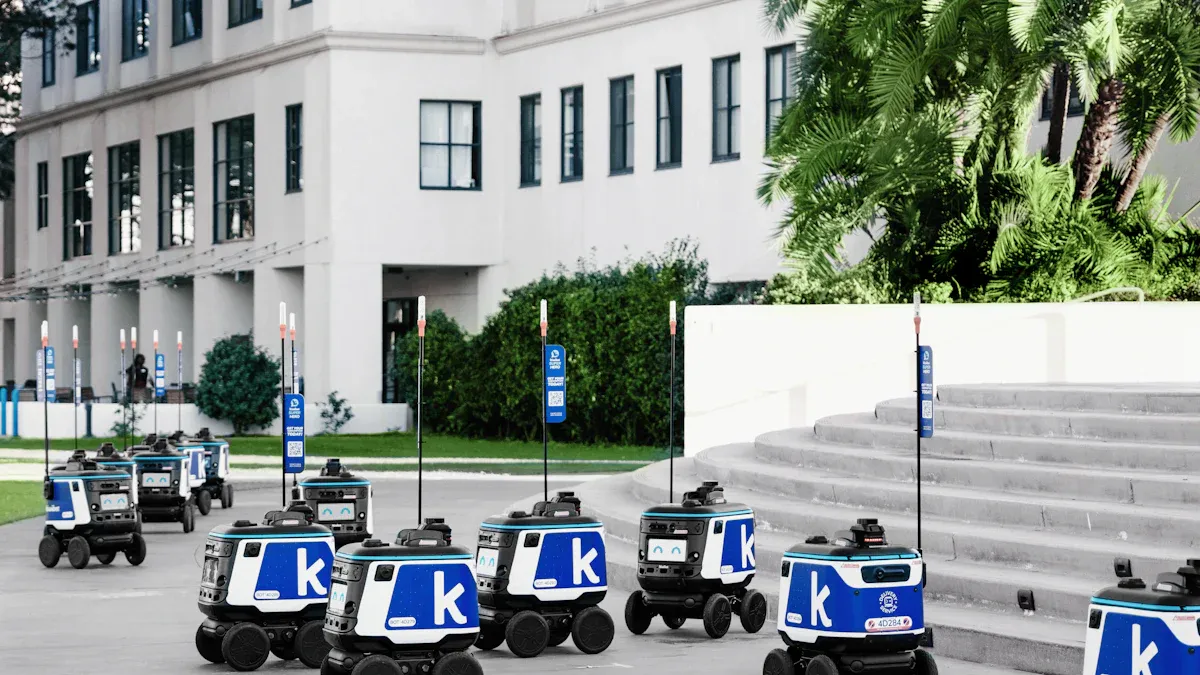
You can choose the right autonomous retail vendor by looking at your store’s needs, understanding new technology, and planning for future growth. Autonomous retail solutions have become more important for convenience store owners. The market for small-format grocery robots is now worth USD 1.14 billion and could reach USD 5.72 billion by 2033 with fast yearly growth.
Many stores have started using these systems in the past five years.
Region | |
|---|---|
North America | Early adoption and significant market share |
Asia-Pacific | Rapid growth and increasing market penetration |
You should always look for technology that fits your business and helps you grow.
Key Takeaways
Identify your store's specific needs before selecting an autonomous retail vendor. Understanding your challenges helps you find the right solutions.
Set clear success metrics to measure the impact of autonomous technology. Metrics like payback period and cost savings show if your investment is effective.
Choose a vendor that offers flexible solutions tailored to your store's layout and customer habits. This ensures you get the most value from your investment.
Look for vendors with strong support and training programs. Good training helps your staff adapt to new technology and keeps operations running smoothly.
Ensure the vendor's technology can scale with your business growth. Scalable solutions allow you to expand without major disruptions.
Assess Store Needs for Autonomous Retail
Identify Operational Challenges
You need to understand the main problems your store faces before you choose an autonomous retail solution. Many convenience stores and small-format grocery stores run into similar issues when they try new technology. Here are some common challenges:
Accuracy of product detection and billing can cause mistakes and upset customers.
Customers may hesitate to use new systems because they worry about privacy or do not understand how the technology works.
High initial investment and ongoing costs can make it hard to start and maintain autonomous systems.
Technical glitches and downtime may interrupt service and frustrate shoppers.
Inventory management can become difficult, especially with fast-moving items.
Data privacy and security concerns may arise when you collect customer information.
Shrinkage and fraud can still happen, even with systems designed to reduce theft.
You should look at these challenges closely. This helps you find solutions that improve operational efficiency and keep your store running smoothly.
Define Success Metrics
You need clear goals to measure the success of your autonomous retail project. These metrics help you see if your investment pays off and if your store gets better results. The table below shows some important metrics you should track:
Metric | Description |
|---|---|
Indicates how quickly the investment starts generating profit. | |
Cost Savings | Measures savings on labor, shrinkage, and other expenses post-implementation. |
Sales Uplift | Assesses the increase in sales following the upgrade, comparing pre- and post-implementation data. |
Customer Acquisition Cost (CAC) Payback Period | Shows how quickly the investment in attracting new customers is recovered. |
You can use these metrics to check if your store improves operational efficiency and meets your business goals. Setting clear targets makes it easier to see progress and adjust your strategy as needed.
Explore Autonomous Store Models and Technologies

Store-Within-a-Store and Other Models
You need to choose the right model for autonomous stores to match your business goals. Each model offers a different shopping experience and fits different store layouts. Many convenience stores and small-format grocery stores use a store-within-a-store model. This model creates a smaller autonomous shopping area inside a larger store. You can attract new customers and offer a unique shopping experience. Some stores use stand-alone retrofit stores. These stores replace traditional stores and test how customers respond to autonomous retail. You can also build a stand-alone store in a new location. This model works well in busy areas and can bring a fast return on investment. Hybrid stores combine autonomous shopping with human help. You can let customers choose between autonomous shopping and regular checkout.
Tip: Start with a model that matches your store size and customer needs. You can expand to other models as you grow.
Here is a table that compares the main types of autonomous stores:
Type of Autonomous Store | Description | Pros | Cons |
|---|---|---|---|
Store-within-a-store | Smaller presence within a larger store, providing an autonomous shopping experience. | Easy access to new customers, potential for cross-promotion. | Dependence on the larger store, limited assortment. |
Stand-alone retrofit store | Replaces a traditional store, testing consumer interest in a proven location. | Insights from existing customer base, already adopted by major chains. | Risk of low ROI if location is poor. |
Stand-alone store in a new location | A brand-new autonomous store built from scratch. | Quick ROI potential in high-traffic areas. | Risk of low ROI if location choice is poor. |
Hybrid store | Offers both autonomous and human-assisted shopping experiences. | Versatile, allows gradual adaptation to new technology. | Higher initial maintenance costs without immediate cost reduction. |
Key Technologies (AI, RFID, Smart Shelves)
You need to understand the technology behind autonomous retail. Autonomous stores use advanced technology to create a smooth shopping experience. Computer vision systems track customer movements and product interactions. Sensor fusion combines data from different sensors to improve accuracy. Artificial intelligence processes this data and learns to identify products and actions. Cloud computing helps you store and process large amounts of data. Mobile applications connect the shopping experience to digital identity and make payments easy. Robotics help with inventory management and keep products available.
Here is a table showing how each technology helps autonomous stores:
Technology | Contribution to Operational Efficiency |
|---|---|
Computer Vision Systems | Monitors customer movements and product interactions, providing real-time visual information for accurate tracking. |
Sensor Fusion | Combines data from various sensors to create a comprehensive understanding of store activities, enhancing accuracy. |
Artificial Intelligence (AI) | Processes data from sensors and cameras, continuously learning to improve accuracy in identifying products and actions. |
Cloud Computing | Offers scalable infrastructure for processing and storing large volumes of data generated in real-time. |
Mobile Application | Connects the shopping experience to digital identity, facilitating entry, payments, and customer support. |
Robotics | Assists in inventory management and store operations, ensuring product availability and operational efficiency. |
You can use autonomous technology to improve the shopping experience and make your store more efficient. Autonomous retail gives you tools to reduce errors and save time. You can offer customers a fast and easy autonomous shopping experience. You can also use technology to track inventory and keep shelves stocked. Autonomous stores use these systems to create a better shopping experience for everyone.
Compare Autonomous Retail Vendors
Solution Fit for Small-Format Grocery
You need to make sure the autonomous retail vendor offers solutions that match the needs of small-format grocery stores and convenience stores. Not every vendor can provide technology that works well in tight spaces or with fast-moving products. You should look for vendors who use advanced technology like RFID, IoT, and computer vision. These tools help you manage inventory and automate checkout. You can see how different technologies improve store operations in the table below:
Technology Used | Improvement | Description |
|---|---|---|
RFID & IoT | Enhanced Inventory Management | Real-time visibility of inventory leads to better in-stock rates and faster replenishment. |
Computer Vision | Checkout Automation | AI-powered image recognition automates checkout, improving customer experience. |
RFID | Real-time Inventory Tracking | Scannable tags offer updates on inventory levels, allowing for quick restocking. |
You should also check if the autonomous retail vendor offers flexible solutions. Some vendors design systems that fit many store layouts and customer needs. Checkout-free technology removes the need for cashiers, making shopping faster. In-store analytics help you understand what customers want, so you can stock the right products. Many vendors offer options like retrofitting existing stores, building new autonomous stores, or using portable setups for new spaces. These choices let you start small and grow as your business expands.
Tip: Choose an autonomous retail vendor who can tailor their technology to your store size and customer habits. This helps you get the most value from your investment.
Vendor Experience and Support
You need to look at the experience and support offered by each autonomous retail vendor. Vendors with a strong history in retail can help you avoid common problems. You should ask about their past projects with grocery chains and convenience stores. Vendors who have worked with stores like yours know how to handle challenges and deliver results.
Support and training are important for a smooth transition. You should check if the autonomous retail vendor provides training programs for your staff. Good vendors offer real-world software training, technical support, and help with operational efficiency. The table below shows common types of support and training:
Type of Support/Training | Description |
|---|---|
Training Programs | Developed for real-world software use, focusing on practical applications. |
Technical Support | Assistance provided to ensure smooth operation of systems. |
Operational Efficiency | Improvements aimed at enhancing store operations and customer experience. |
You can also find vendors who offer online training, certification, and skill development. Some vendors provide category management and shopper insights programs. These services help your team learn new skills and improve store performance.
Note: Pick an autonomous retail vendor who offers strong support and training. This makes it easier for your staff to use new systems and keeps your store running smoothly.
Scalability and Integration
You need to make sure the autonomous retail vendor can scale their technology as your business grows. Scalability means you can add more stores or features without starting over. You should ask if the vendor uses cloud-based platforms like Microsoft Azure or AWS. These platforms let you expand quickly and handle more data as your stores grow.
Integration is also important. The autonomous retail vendor should make sure their systems work with your current store technology. You want a consistent shopping experience across all your stores. Vendors who design unified apps and seamless payment systems make it easy for customers to shop and pay. You should look for vendors who can connect their technology to your existing inventory and checkout systems.
Here are steps vendors use to ensure scalability and integration:
Design a consistent shopping experience for all stores.
Develop comprehensive applications that combine many functions.
Deploy seamless payment systems for easy transactions.
Use scalable cloud platforms for unlimited growth.
Tip: Choose an autonomous retail vendor who can grow with your business and connect with your current systems. This helps you avoid problems as you add more stores or features.
You can compare vendors by looking at how well they fit your store needs, their experience and support, and their ability to scale and integrate. This helps you pick the best autonomous retail vendor for your convenience stores and small-format grocery stores.
Analyze Costs and Operational Impact

Upfront and Ongoing Costs
You need to understand the costs before you choose an autonomous retail solution for your convenience store. The initial investment can be high. Individual units like autonomous shopping carts cost thousands of dollars. You also need to pay for infrastructure upgrades and software licenses. These expenses can be a big challenge for small retailers. Ongoing costs include maintenance and data management, which add to your financial responsibilities.
Autonomous retail solutions have higher upfront costs than traditional systems.
Over time, you can save money by reducing the need for cashiers and full-time staff.
Traditional technology often leads to higher long-term expenses because of labor costs.
You should compare these costs with your current spending. This helps you see if the investment will improve your store’s efficiency and convenience.
Deployment Timeline and Disruption
You want to know how long it takes to set up autonomous technology in your store. Some companies can deploy autonomous micro stores in just a few days. Portable stores, like the Nomad, allow you to test new locations quickly. Large chains such as Yesway use this technology for fast expansion.
During deployment, you may face some disruptions. Labor shortages, unpredictable supply chains, and changing customer demand can slow down the process. Your team may need to adapt to new roles and learn new skills. Specialized training programs can take time to develop. You should prepare your store for these changes to keep operations smooth and maintain efficiency.
Impact on Staff and Customers
When you add autonomous technology, staff roles will change. Employees will move from checkout duties to customer service and technical support. They will help shoppers, manage inventory, and keep the technology running. This shift does not mean more unemployment. Instead, your team will gain new skills and become retail advisors.
For customers, the shopping experience will improve. The checkout process becomes faster, and there are no long lines. Real-time receipts build trust and make the experience more enjoyable. Your store will offer greater convenience and efficiency, which can lead to happier shoppers and better business results.
Make the Final Selection
Review Case Studies and References
You should look at real-world examples before you choose an autonomous retail vendor. Case studies show how autonomous technology helps convenience stores and small-format grocery stores succeed. You can see how smart store solutions reduce out-of-stock instances by 20%. Shelves stay stocked with what customers want. AI helps you allocate staff during busy hours. Service quality improves, and wait times drop. Many stores use digital tools like mobile apps and online ordering. These tools make operations smoother and give customers convenient ways to shop. Self-checkout systems offer faster and more flexible solutions for shoppers. Automation in inventory management keeps high-demand products available.
Here is a table that highlights the long-term benefits of autonomous retail solutions:
Evidence | Description |
|---|---|
Reduced Out-of-Stock Instances | Smart store solutions decrease out-of-stock situations by 20%. |
Improved Staff Allocation | AI helps allocate staff during peak hours, improving service quality. |
You can also find stores that use autonomous systems to create a modern shopping experience. These stores use technology to make shopping easier and more enjoyable. When you review case studies, you learn how autonomous solutions work in real stores. You see the results and decide if the vendor fits your needs.
Align with Growth Plans
You need to make sure your autonomous retail vendor supports your future growth. Look for vendors who offer technology scalability. You want autonomous systems that adapt to new advancements without major changes. Workforce development matters. Training programs prepare your employees for new roles in AI and robotics management. Data governance helps you use and protect customer data. You must follow privacy regulations. Customer experience integration ensures that autonomous solutions improve shopping across all channels. Strategic partnerships keep you updated on trends and help you co-create new solutions. Regulatory compliance keeps your store safe from legal issues. Agility and adaptability let you respond quickly to market changes and customer preferences.
Here is a table that shows important factors for aligning with growth plans:
Factor | Description |
|---|---|
Technology Scalability | Solutions adapt to future advancements easily. |
Workforce Development | Training prepares employees for new roles in AI and robotics. |
Data Governance | Frameworks protect data and ensure privacy compliance. |
Customer Experience Integration | Autonomous solutions improve shopping across all channels. |
Strategic Partnerships | Collaboration with technology providers keeps you updated. |
Regulatory Compliance | Stay informed about AI and data privacy regulations. |
Agility and Adaptability | Respond quickly to market changes and consumer needs. |
Autonomous retail solutions support scalability and expansion. You can use autonomous systems in different store sizes. This helps you grow in new formats. Operational efficiencies reduce labor costs and improve profit margins. Rich data insights help you make smart business decisions. You can create a modern shopping experience for your customers and offer flexible solutions as your business expands.
Tip: Choose an autonomous retail vendor who matches your growth plans. This helps you build a strong foundation for future success.
You can choose the best autonomous retail vendor by following a clear process. Start with team involvement and careful planning. Use the table below to guide your steps:
Step | Action |
|---|---|
Team Involvement | Invite your team to vendor demos and pilot trials. |
Change Management | Create a plan to help staff adapt to new technology. |
Vendor Support | Select vendors who offer training and ongoing support. |
Security Measures | Use encryption and backup systems for data safety. |
Continuous Optimization | Update systems based on analytics insights. |
Align your vendor choice with your business needs and future growth.
Build trust and partnership for long-term success in retail technology.
Invest in scalable solutions that support customer experience and self-service checkout.
Test kiosk systems in a pilot phase to improve accuracy and reliability.
You can begin your evaluation with confidence and create a modern, efficient store.
FAQ
What is autonomous checkout technology?
Autonomous checkout technology lets you shop without waiting in line. You pick your items, walk out, and the system charges you automatically. This makes shopping faster and easier for everyone.
How does autonomous checkout improve customer experience?
You get a smoother shopping trip with autonomous checkout. You avoid long lines and pay quickly. The system tracks your purchases and sends you a receipt right away.
Can you use autonomous checkout in small-format grocery stores?
Yes, you can use autonomous checkout in small-format grocery stores. The technology fits tight spaces and works with fast-moving products. You can upgrade your store without changing the layout.
What happens if the checkout system makes a mistake?
If the checkout system makes a mistake, you can contact support. Most vendors offer quick help to fix errors. You get your money back or the correct charge on your receipt.
Do staff still have jobs with autonomous checkout?
Staff still work in stores with autonomous checkout. They help customers, manage inventory, and keep the technology running. You see staff become advisors instead of cashiers.
Tip: You can test autonomous checkout with a pilot program before using it in all your stores.
Benefit | Description |
|---|---|
Faster checkout | You spend less time paying |
Fewer errors | Technology tracks purchases closely |
Better staff roles | Employees help with service and tech |
See Also
Understanding Global Trends in Automated Convenience Retail Solutions
Grocery Vending Machines Transforming Access to Retail Services
The Convenience and Hurdles of Walgreens Self-Checkout Experience
AI-Driven Corner Stores: Essential Insights for Retailers Today
