How to choose an autonomous retail vendor for franchise and multi-location retailers

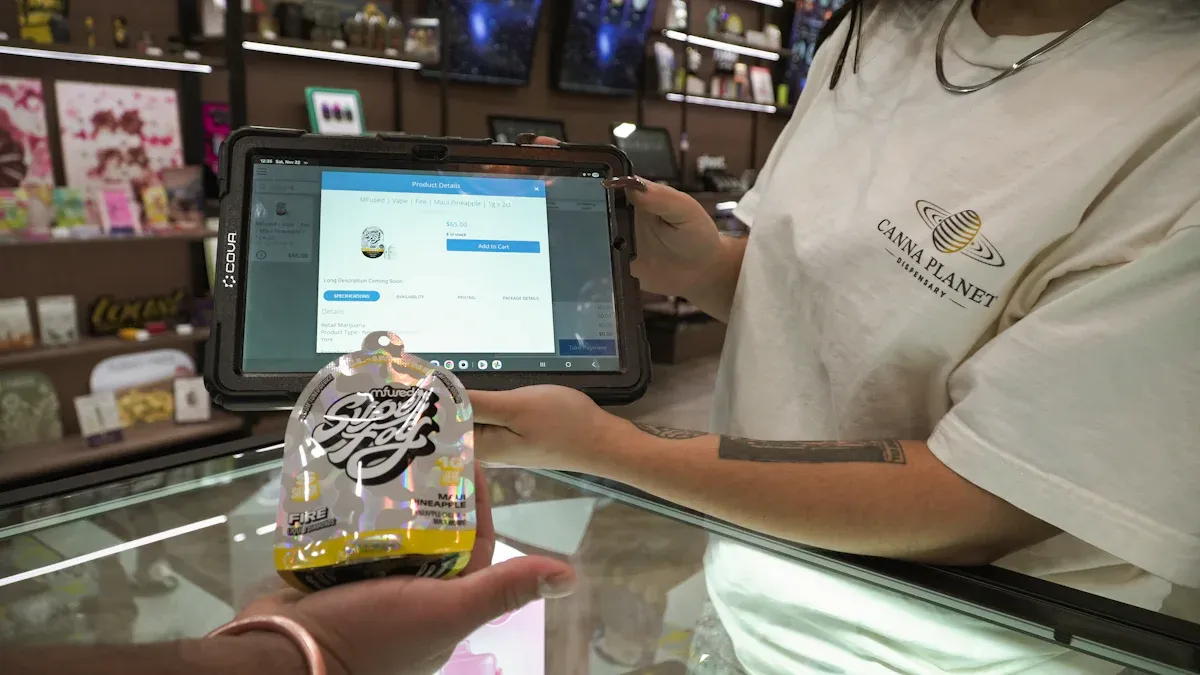
Selecting the right autonomous retail vendor helps your business grow. It also helps you follow rules and work better. Franchise and multi-location retailers have special problems. You must keep your brand strong and meet local needs. You also need to handle buying power in different places. This takes careful work. Good communication and tracking systems are important. They help you follow rules and keep things clear.
Vendor selection leads to clear results:
Metric
Impact
Retail Vacancy Rate
Leasing Speed
80% of spaces lease in 6 months
Success Rate
Cavender's Western Wear opened 27 stores in 2025 (vs. 9 in 2024)
Time Saved
Books-A-Million analysts save 25 hours each week
Site Review Efficiency
TNT Fireworks reviews 10x more sites, opening 150+ locations in 6 months
You need a vendor who knows your problems. The vendor should give solutions that fit your business goals.
Key Takeaways
Write down what each store needs to run well. This helps your brand stay the same everywhere and meets what people want locally.
Pick a vendor who knows about franchises. They understand your problems and help keep your brand strong in many places.
Check how good the vendor's technology is. Make sure their platform connects your systems and helps you make better choices.
Make sure the vendor fits your company culture. If they do, your teams work better together and reach business goals.
Look at costs and ROI closely. Know all the fees and see how the vendor's system can help your business do better.
Define Your Retail Needs
Operational Requirements
First, make a list of what your stores need. Each franchise or location should have its own inventory, order dashboard, and pricing choices. Every store must show the same brand image and product catalog. This helps customers know your business no matter where they shop.
Here is a table that shows common operational needs for franchise and multi-location retailers:
Requirement | Description |
|---|---|
Multi Location Architecture | Each franchise outlet runs alone with its own inventory, order dashboard, and pricing choices. |
Brand Consistency Across Locations | Makes sure all stores use the same product catalog, brand look, and ads. |
Local Inventory and Geo Routing | Each franchise handles its own stock, so orders are filled quickly and locally. |
Centralized Marketing With Distributed Fulfillment | Marketing is local, which helps conversion rates and gives franchisees more benefits. |
Analytics Across the Network | Franchisors get information about sales, inventory, and where customers live. |
You also need tools to manage supply chains, train staff, and check quality. Dashboards help you track how stores are doing and find problems early. Automated training and compliance tools help keep standards high. Good communication tools help your team work better.
Write down these needs in operations management software. This makes sure every location knows what to do. Use clear ways to share updates and keep everyone responsible. Set rules for customer service and making decisions. Make plans for how to handle big problems before they happen.
Pain Points and Goals
Running many stores brings lots of challenges. You must keep your brand strong and meet local needs. You need to know what each area wants and expects. It is important to keep your reputation steady and help teams talk well.
You may have trouble with:
Managing marketing for many stores.
Keeping data neat and easy to use.
Measuring success with analytics tools.
Changing marketing for local markets.
Using your budget and resources well.
To find your biggest problems, use customer feedback at each store. Track how many customers come in and average sales. Use surveys and reviews to see how happy people are. Watch loyalty program sign-ups and engagement. Data analytics can help you see trends and make stores better.
When you know your needs and problems, you can pick an autonomous retail vendor that fits your business best.
Assess Autonomous Retail Vendor Experience
Picking the right autonomous retail vendor helps your business run well. You need a partner who knows what you need and can help you grow. Look at their past work, their technology, and if they match your company’s style.
Franchise Experience
Check if the vendor has worked with franchises or stores in many places before. Vendors with experience know the problems you face. They know how to keep your brand strong in every store. They also help you with inventory, prices, and marketing for each store.
Ask these questions when you look at a vendor’s history:
How many franchise or multi-location clients have they helped?
Can they show real examples of good projects?
Do they help new stores get started?
How do they keep the brand the same but meet local needs?
Tip: Pick vendors who can tell real stories from other franchise businesses. This means they know how to fix problems like yours.
Integration and Technology
You need a vendor with strong integration and technology. This lets you connect your systems and manage stores easily. Good integration puts all your data in one place. It helps you make choices faster.
Here is a table that shows important integration features for franchise and multi-location retailers:
Integration Capability | Description |
|---|---|
Advanced AI capabilities | Sentiment analysis beyond basic summarization |
Multi-location management | Centralized dashboards for franchise operations |
Enterprise syndication | Distribution across 1,750+ retail partners |
Multilingual support | AI-powered review management beyond English |
Ask the vendor about their technology. See if their platform works with your current systems. Ask if they have dashboards for all your stores. Check if their tools help you with reviews in different languages. Make sure their AI gives you helpful ideas to improve your business.
Cultural Fit
Pick a vendor who matches your company’s culture. This helps your teams work together better. A good fit makes it easier to set rules and reach your goals.
Here is a table that shows how franchise leaders check for cultural fit:
Key Takeaways for Franchise Leaders | Description |
|---|---|
Centralise the standard, decentralise the action | Use software to set benchmarks for hiring and engagement while allowing local execution by franchisees. |
Hire for fit, not just skills | Implement personality assessments to ensure candidates align with the required work preferences for their roles. |
Visualise your network | Utilize data to gain insights into team dynamics and cultural health across all locations. |
Talk to the vendor about how they support your values. Ask if their software helps you set rules but lets each store act on its own. Find out if they help you hire people who fit your culture. Ask if they give you data to see how your teams are doing.
Note: A vendor who understands your culture can help you build strong teams and keep your brand healthy.
When you check an autonomous retail vendor, look at their franchise experience, integration features, and cultural fit. This helps you find a partner who supports your business and helps you grow.
Evaluate Scalability and Product Quality
Platform Scalability
You want your retail technology to grow with you. When picking an autonomous retail vendor, check if their platform can add more stores. Make sure it can handle more sales too. A scalable platform helps you keep up with trends. It also helps you meet what customers want. Many top systems use AI, IoT, and advanced analytics. These tools help you give shoppers a personal experience. They also help you manage inventory better.
AI and IoT let you watch products and sales right away.
Advanced analytics show what sells best and where to improve.
New technology can help you make more money and save time.
More shoppers want fast and easy service, so scalable solutions help you meet these needs.
You may have some problems as you grow. Here is a table that shows common worries for franchise and multi-location retailers:
Concern | Description |
|---|---|
Supply Chain Problems | Franchise retailers give strong supply chain help, which is key for working well. |
Compliance and Security | Autonomous markets have strict rules; franchise systems help you follow them and stay safe. |
Fragmented Customer Data | Different systems at each store can split up customer data, making it hard to personalize. |
Inconsistent Reward Experience | Different rewards at each store can confuse customers and hurt loyalty. |
Local Market Differences | Plans must change for local markets but still keep a main standard. |
Technology Limitations | Old POS systems can make it hard to add new technology. |
You should ask your vendor how they fix these problems. Make sure their platform works with your systems and can grow with you.
Product Quality and Inventory Accuracy
Product quality and inventory accuracy are important for every store. You need to know what you have in stock and where it is. Some retailers use autonomous drones to count inventory every day. For example, GNC uses drones to do full inventories 10 to 12 times a year. This helps them find mistakes and fix them fast.
Drones help you count products quickly and make fewer mistakes.
Real-time data lets you find missing items and fix problems before they hurt customers.
Accurate inventory means you can fill orders on time and keep shoppers happy.
When you pick an autonomous retail vendor, ask how they use technology to keep your inventory right. Good systems help you avoid lost sales and keep your stores running well.
Ensure Compliance and Brand Alignment
Legal and Data Compliance
You need to follow all laws and keep customer data safe. When you pick an autonomous retail vendor, check how they share data. Franchise stores often send data between the main office and local stores. You must follow privacy laws in every place you work. If your stores are in different countries, use safe ways to move data. Each store may have its own privacy rules, so your system must change to fit.
Here are important legal and data compliance points:
Sharing franchise data needs careful steps to keep it private.
If you work in more than one country, use safe ways to move data.
Each area has its own rules, so your system must change for each one.
Retail technology must fix risks when data moves between platforms.
Third-party service providers need checks to keep data safe.
Ask your vendor how they handle these risks. Make sure they have strong systems for following rules and can change when laws do.
Brand Consistency
Brand consistency helps people trust your business. You need to keep your brand the same in every store. Start by making clear goals for what you want to do. Use a main branding platform so every store follows your rules. Write down your mission and company values. Make customer profiles and set up branding tools. Give easy instructions for branding everywhere.
Best practices for brand consistency include:
Set clear goals for leads, bookings, engagement, or keeping customers.
Use a main plan but let local stores change things with AI tools.
Teach teams to use AI and their own skills together.
Keep brand rules for voice, values, and how things look.
Check and improve your branding often.
You can check brand rules by using regional managers, mystery shoppers, surveys, and checking online. Autonomous advertising uses AI to look at data and make local ads that still match your brand. This helps you answer local needs but keep your brand strong.
Tip: Keeping your brand the same in every store makes customers loyal and helps your business grow.
Analyze Cost, ROI, and References
Cost and ROI
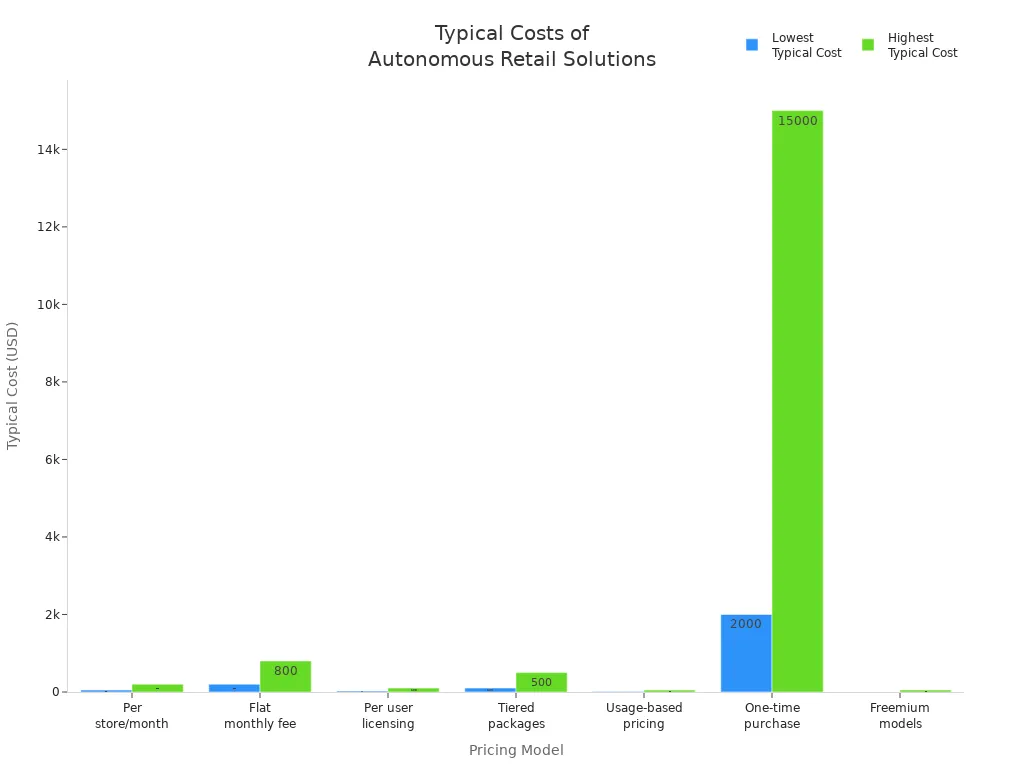
You need to know all the costs before you pick a vendor. Sometimes, prices look easy to understand. But there can be extra fees you do not see at first. Here is a table that shows different ways vendors charge money and what you might pay:
Pricing Model | Structure | Typical Range | Best For | Hidden Costs |
|---|---|---|---|---|
Per store/month | Pay per location | $50-$200/store/month | Multi-location retailers | Setup fees, training costs |
Flat monthly fee | Unlimited stores | $200-$800/month | Single or few locations | Feature restrictions, user limits |
Per user licensing | Pay per active user | $25-$100/user/month | Team-based operations | Additional store fees, admin costs |
Tiered packages | Feature-based tiers | $100-$500/month | Growing businesses | Premium features in higher tiers |
Usage-based pricing | Pay per planogram | $10-$50/planogram | Seasonal or project-based | Unpredictable costs with heavy use |
One-time purchase | Perpetual license | $2,000-$15,000 upfront | Established operations | Maintenance, upgrade costs |
Freemium models | Free basic, paid premium | $0 base, $50+ for features | Startups and trials | Limited functionality, export limits |
You should also think about other costs. These can be things like:
Paying for help to set up your stores
Training your team to use the system
Buying hardware like tablets or scanners
Moving old data to the new system
Getting advice and support after you start
When you check ROI, see how the system helps your business get better. Good tracking looks at the whole customer journey and uses data to guess what will happen. Teams that work together and share goals usually do better. Local marketing with help from the main office often works best.
Case Studies and References
Ask every vendor for real stories from other franchise or multi-location retailers. Case studies show how the vendor works in real life. For example, Stonewall Road Restaurant Group, a Wendy’s franchisee, worked with Xenial for back office solutions. This helped them work faster and make more money. The president of Stonewall Road said Xenial was a partner, not just a vendor, because they gave strong support and service.
You should also:
Ask for reviews from other franchisees
See if the vendor has long partnerships
Look for stories about better operations and customer service
These steps help you pick a vendor who can help your business and help you grow.
You need a clear plan when choosing an autonomous retail vendor. The right partner helps you grow your business and work faster. Vendors with franchise experience know how to keep your brand strong and support many locations. They make onboarding easier and help you scale quickly. Use the steps in this guide as your checklist. This way, you can find a vendor who fits your needs and gives you a real advantage.
FAQ
What is an autonomous retail vendor?
An autonomous retail vendor provides technology that helps you run stores with less manual work. You use their systems to manage inventory, sales, and customer service automatically.
How do I know if a vendor fits my franchise?
You check their past work with franchises. Ask for case studies and references. Look for tools that match your needs and help you keep your brand strong.
Why is integration important?
Integration lets you connect your current systems with the vendor’s platform. You get all your data in one place. This helps you make better decisions and saves time.
What should I ask about compliance?
Always ask how the vendor protects customer data. Check if they follow local laws. Make sure their system can change for different rules in each area.
How can I measure ROI with a new vendor?
You track sales, time saved, and customer satisfaction. Compare these numbers before and after using the vendor’s system. Use analytics to see improvements.
See Also
Exploring Global Trends in Automated Convenience Retail Solutions
Creative Vending Machine Sites: Expanding Beyond Conventional Locations
Modern Retail Benefits from AI-Enhanced Combo Vending Machines
Find One-of-a-Kind Vending Machines in Your Area
Grocery Vending Machines Transforming Access to Retail Services
