Choosing Between Cloud vs Edge Computing for Retail Growth


You want to know if cloud vs edge computing is right for your store. The answer depends on what your business needs. Edge computing lets you use data right where you are, which is crucial when comparing cloud vs edge computing. This helps you make quick choices in your store. You can check inventory fast and assist customers quickly. You can see what shoppers do right away, allowing you to offer them special deals. Inventory numbers change rapidly, so you can refill shelves and adjust prices to keep things stocked.
Using data nearby helps you make quick choices in your store.
Quick actions help you check inventory and assist customers fast.
Real-time checks let you make shopping more personal.
Fast inventory updates help you refill shelves and change prices.
Key Takeaways
Edge computing lets you make quick choices in your store.
Cloud computing gives you strong tools to study big data.
Edge AI keeps your store data safe and private.
Cloud AI works well when you need to grow to more stores.
Using both ways together can make things faster and better.
Cloud vs Edge Computing in Retail AI
What Is Cloud AI?
Cloud AI uses the internet to connect your store to strong computers. These computers run smart programs that help with big tasks. Cloud AI can look at sales, watch what customers do, and find patterns. It acts like a person thinking, so you can make better choices. For example, cloud AI can guess which items will sell well next month. It also helps you keep track of your stock and refill shelves.
What Is Edge AI?
Edge AI puts smart tools right in your store. You use things like smart shelves, carts with sensors, and self-checkout machines. These tools work in your store and use data right away. Smart shelves watch your stock all the time. Self-checkout machines know what you buy and take payments fast. Carts with sensors help shoppers move quickly. Edge AI makes shopping better because it reacts fast to what happens.
Tip: Edge AI lets you decide things right away, so you do not wait for data to go to the cloud and back.
Key Differences for Retail
You should know how cloud and edge computing are different for your store. The table below shows the main ways they are not the same:
Aspect | Edge Computing | Cloud Computing |
|---|---|---|
Latency | Higher latency due to data transmission | |
Data Privacy | Data stays local for better privacy | Data in the cloud may raise privacy concerns |
Bandwidth Usage | Uses less bandwidth | Uses more bandwidth for data transfer |
Operational Resilience | Works even if the internet goes down | Needs internet to work well |
Edge computing helps you avoid slowdowns that can happen with cloud. You can finish sales faster and keep your store working, even if the internet is not great. Cloud vs edge computing is important when you need fast results and strong privacy.
Decision Factors for Retailers
Speed and Latency
When you need fast results in your store, speed and latency matter most. Cloud vs edge computing shows big differences here.
Edge AI processes data right in your store. This means you get answers almost instantly. You can react to customer actions, update inventory, or spot problems without waiting.
Cloud AI sends data to remote servers. You need a strong internet connection. Sometimes, you may face delays because data travels back and forth.
Edge AI keeps working even if your internet goes down. Cloud AI stops or slows if you lose your connection.
Note: Edge AI reduces the number of network hops, so your systems run faster and more reliably. This is important for real-time retail tasks.
Cost and Efficiency
You want to know how much each option will cost. Cloud vs edge computing has different cost models.
AI Type | Cost Model |
|---|---|
Edge AI | Upfront hardware cost; lower operational expenses |
Cloud AI | Pay-as-you-go but can become expensive over time |
Edge AI needs you to buy hardware first. This can be expensive, especially for small stores.
Cloud AI lets you pay as you use it. Over time, these costs can add up, especially if you use a lot of data.
Both options need you to train staff and manage systems, which adds to your expenses.
Edge AI can save energy. Local processing and special hardware use less power. Smart chips and power management help you save even more.
Tip: If you want to save on long-term costs and energy, edge AI may be a better fit.
Scalability and Flexibility
You may want to grow your business or try new ideas. Cloud vs edge computing affects how easily you can scale and adapt.
Cloud AI gives you almost unlimited computing power. You can add new stores or features quickly. This makes it great for large retail chains.
Edge AI depends on the devices in your store. You may need to upgrade hardware if you want to do more.
Edge computing lets you mix old systems with new ones. You can keep your legacy tools and add new AI features at the same time.
Edge AI helps you try new things, like real-time inventory tracking or personalized offers, right in your store.
Note: Cloud AI is best for scaling fast. Edge AI gives you more control and flexibility for in-store changes.
Security and Privacy
Keeping your data safe is key. Cloud vs edge computing offers different levels of security and privacy.
Edge AI processes data locally. This means sensitive information stays in your store. You send less data over the internet, which lowers the risk of leaks.
Local processing helps you follow privacy laws, like GDPR. You can better protect customer data.
Cloud AI stores data on remote servers. This can raise privacy concerns, especially with facial recognition or biometric data.
Cloud systems face more cyber threats. You need strong security to protect against attacks and data breaches.
Tip: Edge AI is often more secure for real-time, in-store decisions. It helps you meet strict privacy rules and keeps customer trust.
Reliability and Uptime
You want your systems to work all the time. Cloud vs edge computing affects reliability.
Edge AI keeps running even if your internet fails. You can keep selling and serving customers without interruption.
You can design edge systems with backup nodes and failover paths. This means your store stays open, even if one part fails.
Cloud AI depends on a stable internet connection. If your connection drops, you may lose access to important tools.
Edge AI lets you use self-healing features. These can fix problems automatically and keep your store running smoothly.
Note: For stores that need to stay open no matter what, edge AI offers better uptime and resilience.
Retail AI Use Cases
Personalized Recommendations
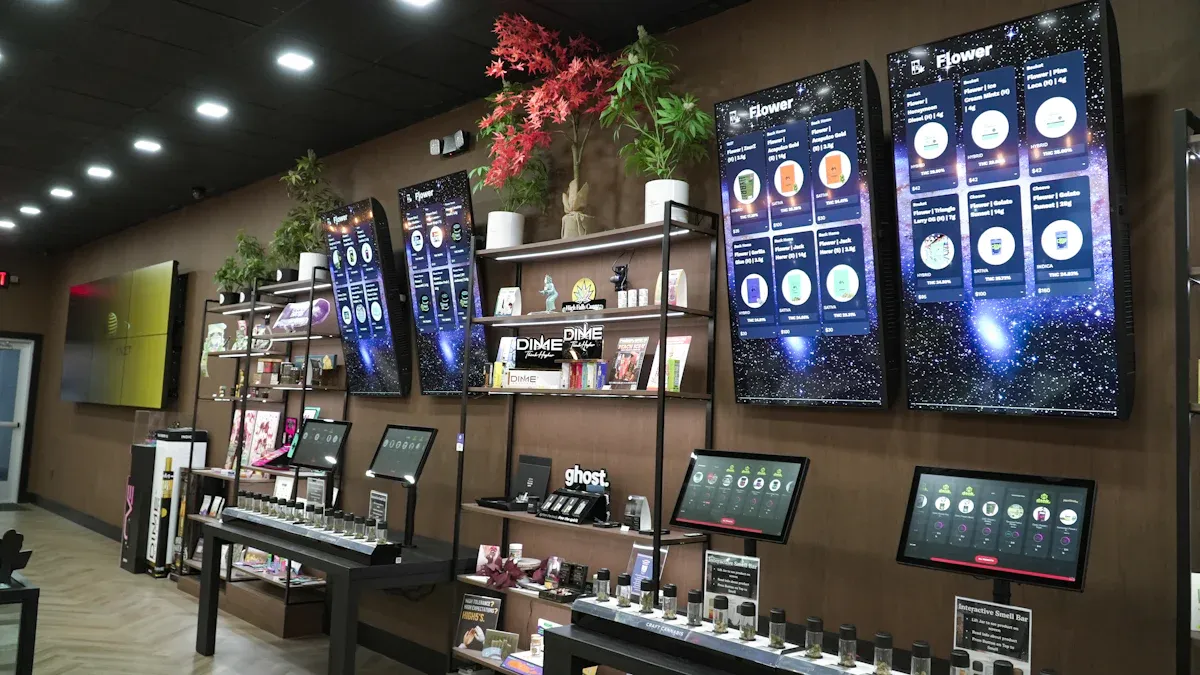
Edge computing helps you give shoppers special suggestions in your store. Edge AI looks at what customers do right away. You can offer deals as soon as someone picks up an item. You can also suggest things when they walk down an aisle. Local processing means customers get offers fast. Their data stays safe because it does not leave the store.
Watch what customers do as it happens
Send deals based on where shoppers go
Here is a table showing how edge AI helps with personalized suggestions:
Benefit | How Edge AI Delivers It |
|---|---|
Fast response | Uses data in the store right away |
Privacy | Keeps customer information in the store |
Micro-targeted promotions | Gives deals based on shopper actions |
Inventory and Supply Chain
Edge computing makes it easier to manage inventory and supply chains. Smart devices near shelves and stockrooms track items as they move. This helps you keep products in stock and waste less. You can order new items quickly, so shelves stay full and customers are happy.
Use inventory data for fast updates
Stop running out of products with alerts
Save money by having less extra stock
Cloud vs edge computing shows a big difference. Edge AI gives you answers faster. Cloud solutions may take more time to process data.
Checkout and Loss Prevention
Edge AI helps you speed up checkout and stop theft. Smart checkout systems scan items and take payments in your store. You do not need to send data to the cloud. This makes lines move faster. Edge AI can spot strange actions and help you stop theft early.
Make payments fast and safe
Find suspicious actions right away
Keep your store working if the internet stops
Real-Time Analytics
Edge computing lets you use real-time analytics to make your store better. You can see how shoppers move and what they pick up. You can also see how long they stay in each area. Local processing gives you answers fast. You can change staff or displays quickly.
Application | Edge AI Advantage |
|---|---|
Smart checkout | Fast and reliable payments |
Inventory tracking | Quick updates on stock |
Customer behavior analysis | Fast insights for better choices |
You can use these answers to make your store work better and help customers have a good experience.
Choosing the Right Approach: Cloud vs Edge Computing
Checklist for Retailers
You want to make the best choice for your store. Use this checklist to guide your decision. It covers the most important areas for cloud vs edge computing in retail AI.
Speed Needs
Do you need instant results in your store, like real-time offers or fast checkout?Data Privacy
Does your store handle sensitive customer data that must stay local?Internet Reliability
Can your store run smoothly if the internet goes down?Scalability
Will you add more stores or features soon?Cost Planning
Can you invest in hardware now, or do you prefer paying as you go?Security Requirements
Do you need strong protection for customer and business data?AI Platform Consistency
Do you want the same AI tools across all your stores and online systems?
Tip: The Edge AI Maturity Assessment Checklist helps you see if your business is ready for edge AI. It gives you insights for smart decisions.
Decision Flowchart
Follow this simple flowchart to help you decide between cloud vs edge computing:
Question | If Yes | If No |
|---|---|---|
Do you need real-time, in-store decisions? | Choose Edge Computing | Go to next question |
Is data privacy a top concern? | Choose Edge Computing | Go to next question |
Do you plan to scale quickly across locations? | Choose Cloud Computing | Go to next question |
Is your internet connection unreliable? | Choose Edge Computing | Go to next question |
Do you want to pay only for what you use? | Choose Cloud Computing | Review your needs |
A structured approach helps you match your AI projects with your business goals. You can process large data sets quickly, automate tasks, and keep your store safe. This checklist and flowchart guide you to the right choice for your retail growth.
You have many options when choosing between cloud and edge computing for retail AI. Your best choice depends on your store’s needs. Here are the main takeaways:
Key Takeaway | Description |
|---|---|
Real-time Processing | Edge computing lets you make fast decisions and improve customer experience. |
Operational Efficiency | You can save money by reducing cloud use. |
Hybrid Strategies | Combining both methods gives you speed and strong analytics. |
To move forward, follow these steps:
Explore AI technologies and their uses.
Review your store’s goals and strengths.
Set clear goals for your AI projects.
Find trusted partners and tools.
Plan your projects and resources.
Share your AI plan with your team.
Use the checklist and flowchart to guide your next steps and grow your retail business with confidence.
FAQ
What is the main difference between cloud and edge computing in retail?
Cloud computing uses faraway servers to handle your data. Edge computing works with data right inside your store. Edge computing gives you quicker answers and keeps your data more private.
Can I use both cloud and edge computing together?
Yes, you can use both at the same time. Many stores use edge computing for things that need to happen fast. They use cloud computing to look at lots of data and find patterns. Using both helps you get quick results and learn more from your data.
How does cloud vs edge computing affect customer privacy?
Edge computing keeps customer data inside your store. This makes it less likely for data to leak out. Cloud computing sends data to faraway servers, which can make privacy harder to control.
Which is better for stores with slow internet?
Edge computing is good if your internet is slow or not steady. Your store can keep working and help customers even if the internet is down.
See Also
Understanding AI-Driven Convenience Stores: Essential Insights for Retailers
A Comparative Analysis of Amazon Go and Cloudpick
The Future of Retail: Embracing AI-Enabled Stores
Transforming Retail: Cloudpick's Cashierless Convenience Solutions
Global Insights: Micromarkets Compared to Smart Retail Stores
