Top 3 compliance requirements every airport smart store needs


To run a smart store in an airport, you must adhere to strict compliance requirements. Data privacy, payment security, and airport regulations are essential for keeping your store safe and trusted. Meeting these compliance requirements not only protects your customers but also ensures your business operates smoothly. If you manage a smart store, it's crucial to be aware of these rules. By following them, you can avoid potential issues and gain the trust of travelers and airport personnel.
Key Takeaways
Data privacy is very important. You must keep customer information safe. This helps people trust your store. It also helps you avoid getting fined.
You need to follow payment compliance rules. Use safe systems to stop fraud. This keeps all payments safe for everyone.
You must follow airport operational compliance. Meet all safety rules to keep your store open. This helps your store run without problems.
Check your compliance policies often. Update them every six months. This helps you follow new laws.
Use technology to help with compliance management. Digital tools can watch the rules for you. They can also help fix problems fast.
Data Privacy Compliance Requirements

What Is Data Privacy Compliance?
Data privacy compliance means you follow rules to keep information safe. In airport smart stores, you collect data from travelers and workers. You also get data from store operations. You must protect this data from people who should not see it. International rules like the General Data Protection Regulation (GDPR) tell you how to handle data. These rules say how to store and share data safely. The GDPR says you must manage passenger data from start to finish. You need to check your data often and only let certain staff see it. The International Air Transport Association (IATA) says you must follow each country’s data laws.
Why Privacy Compliance Matters In Airports
Airport smart stores have a lot of private data. This makes them a target for hackers. If you do not protect the data, you could get fined. You might also get in trouble with the law. Your store’s reputation could be hurt. For example, Heathrow Airport got a big fine. An employee lost a memory stick with secret information. Customers trust you to keep their data safe. If you lose their trust, they may not shop at your store. Data leaks can cause big problems and lead to more rules.
Tip: Keeping data safe is not just about avoiding fines. It helps you earn trust from travelers and airport staff.
How To Achieve Data Privacy Compliance
You can do these things to follow data privacy rules:
Explain why you collect passenger data.
Keep all data safe and follow rules like GDPR.
Tell passengers how you use their data.
Let passengers see or delete their data.
Work with tech partners who help protect privacy.
Use anonymous data and artificial intelligence to lower risks.
Make sure passengers can control their data and experience.
You should also watch your systems all the time. Use tools to find problems early. By doing these things, you can follow the rules and keep your smart store safe.
Payment And Financial Compliance
Payment Compliance Requirements In Smart Stores
Airport smart stores must follow payment rules. These rules keep your business and customers safe. Payment compliance means you handle card payments the right way. You also need to share money with the airport. You must keep records of all sales safe. There are standards you have to meet. PCI DSS is about keeping cardholder data safe. If your store is in the European Union, you must also follow GDPR. GDPR is about keeping personal data private. The table below shows which rules you must follow:
Standard | Focus Area | Mandatory? |
|---|---|---|
PCI DSS | Cardholder data security | Yes |
GDPR | Personal data privacy (EU) | Yes (in EU) |
You also need to follow airport rules for MAG and revenue sharing. These rules help airports check your sales. They make sure you pay the right fees.
Importance Of Financial Compliance
Financial compliance keeps payment systems safe. It helps travelers and airport staff trust your store. When you follow the rules, you lower the chance of fraud. You also protect data from being stolen. You can avoid fines and legal problems. If you do not follow the rules, you might lose your store spot. Keeping good records and safe payments shows you are responsible. This helps you work well with airport officials.
Tip: Safe payment systems protect your customers and your business name.
Steps To Ensure Payment Compliance
You can do a few things to meet payment rules:
Use payment systems that meet PCI DSS rules.
Keep clear records of every sale for checks.
Share sales numbers with airport staff when needed.
Teach your workers how to spot payment fraud.
Update your payment tools often to fix problems.
Work with trusted payment partners who know airport rules.
If you do these things, your smart store will be safe. You will also follow all airport and legal rules.
Airport Operational Compliance Requirements
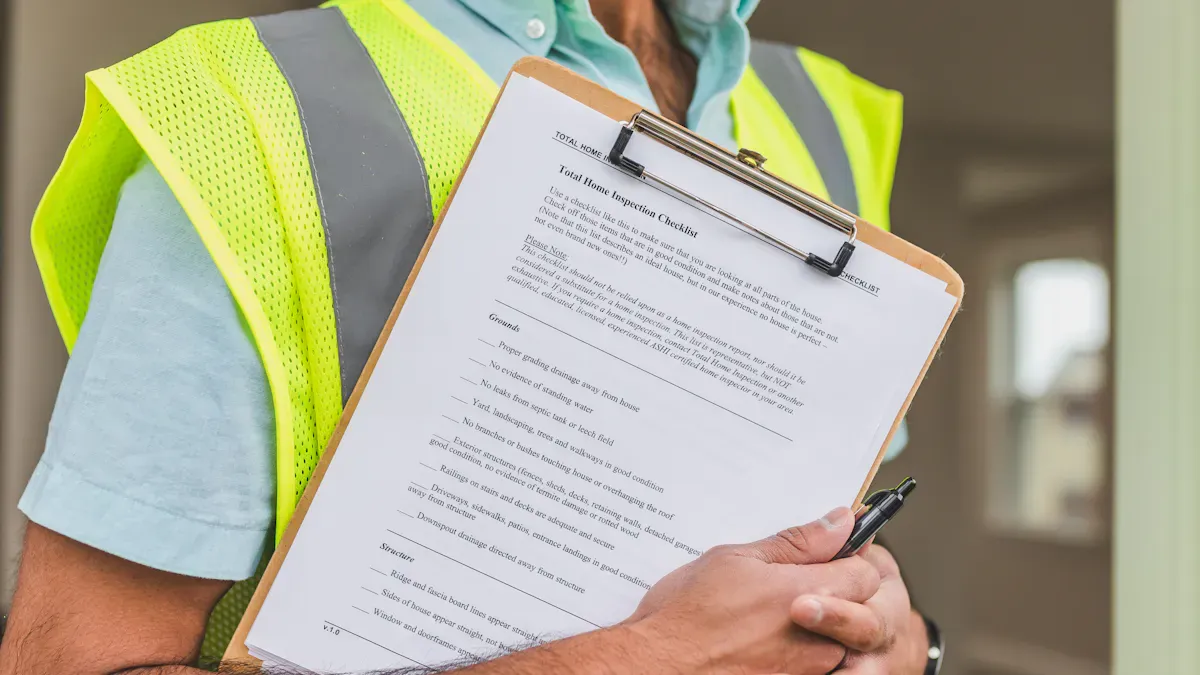
What Is Airport Operational Compliance?
Airport operational compliance means you follow all airport and government rules. These rules include FAA regulations, TSA rules, fire marshal standards, and local licenses. You also need to meet things like Minimum Annual Guarantees and revenue sharing. These rules help keep your store safe and legal. They also make sure your store helps airport operations.
Here is a table that lists some main compliance requirements for airport smart stores:
Compliance Requirement | Description |
|---|---|
FAA Regulations | You must follow FAA rules for safety and operations. Regular checks are needed. |
Minimum Annual Guarantees | You pay a set amount each year to the airport, even if sales are low. |
Revenue Share | You give a part of your sales to the airport. |
TSA and Fire Marshal Rules | You must follow safety rules for store layout and occupancy. |
Why Operational Compliance Is Critical
You need to follow these rules to keep your store open. These rules protect everyone in the airport. They help stop accidents and keep your store running. If you break the rules, you could get fined or lose your spot. Airports have different rules in different places. Big airports may use new technology like facial recognition or smart energy systems. Small airports may have easier rules. Following the rules helps you avoid problems and keeps your business strong.
Note: When you follow compliance rules, you help with safety, legal protection, and keeping your store open. This means your store can keep serving travelers, even if there are problems in other parts of the airport.
How To Meet Airport Compliance Standards
You can do a few things to meet airport compliance standards:
Use planograms to set up your store the right way.
Track compliance in real time with digital tools and dashboards.
Keep records of checks, safety inspections, and incidents.
Send all needed plans and reports to airport authorities.
Teach your staff about safety and emergency steps.
Many airports use digital tools to watch things in real time. These tools help you find problems, manage rules, and keep up with checks. Live dashboards and audit tools make it easier to follow the rules every day.
You need to follow rules for data privacy, payment security, and airport operations. These rules help protect your store from problems like stolen data, losing money, or having your store stop working. When you follow these rules, travelers trust your store more and your business keeps going. You can check documents early, use self-service tools, and watch your systems all the time to help with compliance. Smart stores that do these things fix problems before they get big and make things better for passengers.
Risk Type | Description |
|---|---|
Data Breaches | People who should not see private customer or store data get in, which breaks privacy rules. |
Financial Losses | Your store can lose a lot of money if hackers attack, ask for ransom, or you have to pay to fix things. |
Reputational Damage | If people hear about a security problem, they may not trust your store and your brand can lose value. |
Operational Disruptions | Cyber attacks can stop your store from working right, which can slow down the whole airport. |
Tip: If you manage compliance before problems happen, your airport smart store stays safer.
FAQ
What happens if you do not follow airport compliance rules?
You may face fines or lose your store spot. Airports can close your store for breaking rules. You also risk losing customer trust.
How often should you review your compliance policies?
You should check your policies every six months. Update them when laws or airport rules change. Regular reviews help you stay safe and avoid problems.
Do you need special training for your staff?
Yes. You must train your staff on data privacy, payment safety, and airport rules. Good training helps your team spot risks and follow the law.
Can technology help you manage compliance?
Yes. You can use:
Automated alerts
Digital checklists
These tools help you track rules and fix problems fast.
See Also
Upcoming Changes to Walmart Self-Checkout Systems in 2025
Essential Insights for Retailers on AI-Driven Corner Stores
The Future of Retail: Embracing AI-Driven Stores
