Comparing Computer Vision and RFID for Retail Success

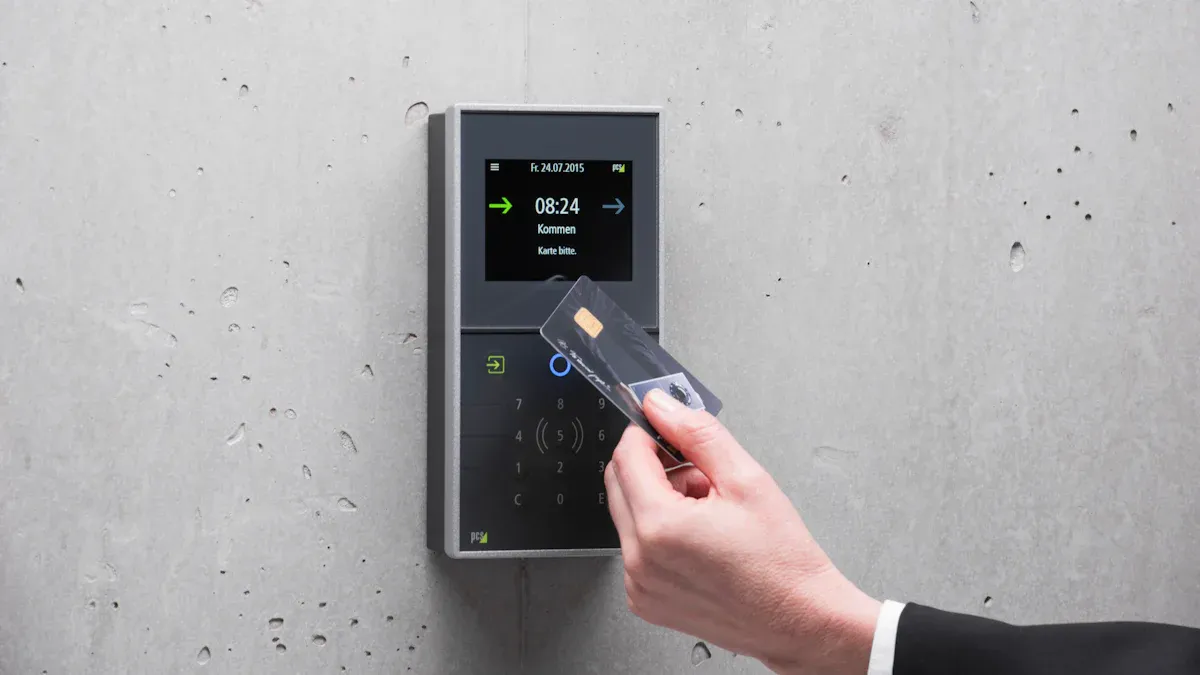
You want your store to thrive in retail. Computer vision vs RFID presents an interesting comparison, as both technologies offer unique benefits. Computer vision helps locate products and saves money, while RFID is effective for tracking inventory. Larger stores are increasingly adopting RFID due to the lower cost of tags. Meanwhile, computer vision is making stores smarter. By utilizing both technologies, you can enhance sales and improve customer satisfaction. Check out the table below to see how computer vision and RFID can transform your store:
Impact Category | Improvement Percentage |
|---|---|
Customer Satisfaction | 30% |
Customer Loyalty | 25% |
Repeat Purchases | 26% |
Consider what your store needs. Implementing both computer vision and RFID could yield the best results.
Key Takeaways
Computer vision and RFID both have special benefits for stores. You can use both to help sell more and make customers happier.
RFID lets you track items fast and makes checkout quicker. This is great for big stores. RFID can scan many items at once.
Computer vision watches shelves and sees how customers act. This helps you put products in better spots. It also makes shopping nicer for people.
Using RFID and computer vision together helps manage stock better. It also lowers mistakes and keeps your store working well.
Think about what your store needs and how much money you have. You can pick RFID, computer vision, or use both for best results.
Retail Success Criteria
Speed & Efficiency
You want your store to work well every day. Speed and efficiency are very important when picking new technology. The right choice can fix problems like empty shelves and wrong prices. Both rfid and computer vision help scan items fast.
Technology | Speed and Efficiency Metrics |
|---|---|
RFID | Finds items even if you cannot see them. Scans many things very fast, like 10,000 items in seconds. Counts inventory with high accuracy. |
Computer Vision | Sees items without needing special tags. Checks if products are damaged. Watches for safety and makes sure people handle things the right way. |
Rfid can scan thousands of products in just a few seconds. Computer vision checks if products are safe and good, and it does not need tags. You should pick technology that saves time and helps your store run better.
Accuracy & Reliability
You need good data to make smart choices. Rfid works great when you do not need to see the item. Computer vision is best when you need to look at the product. Both can help you keep track of inventory and stop mistakes. Using both together gives you the best results.
Rfid is good when you do not need to see the item.
Computer vision is better when you need to see the item.
Both work well together in many stores.
Cost & ROI
You have to think about cost and how much money you will get back. Different types of stores get their money back at different times. The table below shows how rfid and computer vision affect cost and value.
Retail Segment | Typical Payback Period | 5-Year ROI | Primary Value Drivers |
|---|---|---|---|
Grocery | 14-24 months | 270-350% | Saves on labor, fewer empty shelves |
Apparel | 18-30 months | 180-240% | Better inventory, less loss |
Electronics | 12-20 months | 300-400% | Less loss, better use of money |
General Merchandise | 16-28 months | 210-290% | Many benefits in different areas |
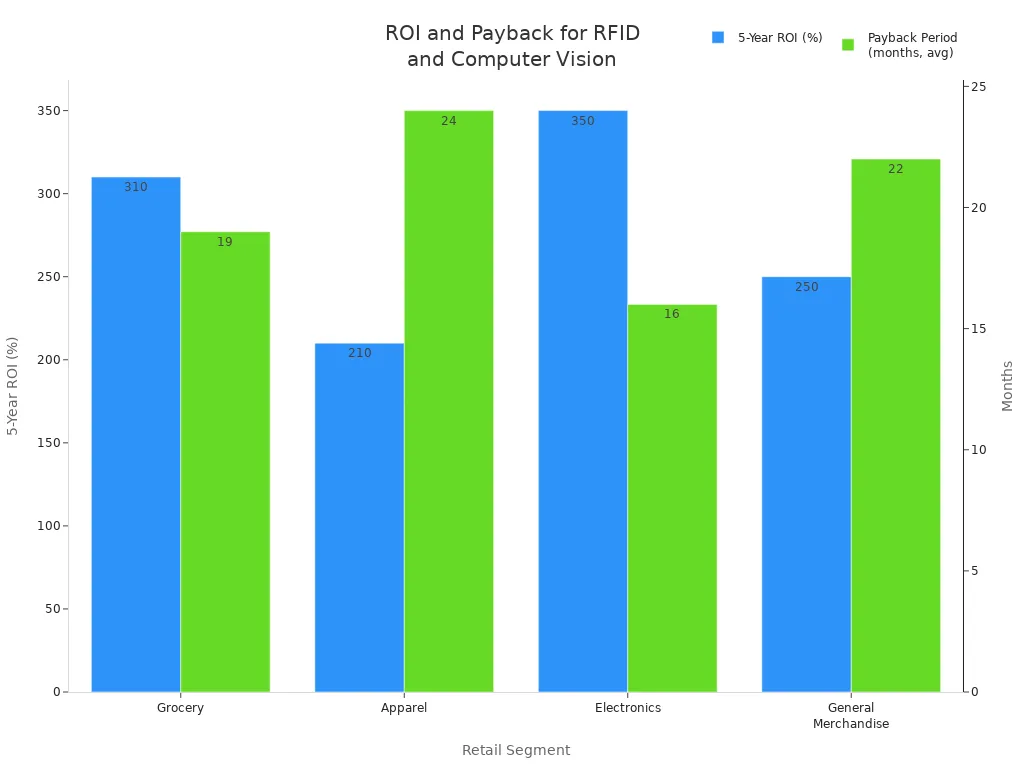
You can get a high return by saving on labor and making inventory more accurate. Pick the technology that fits your budget and gives you the most value.
Scalability
You want your technology to grow as your store gets bigger. Rfid can have problems with sensor coverage and getting data right. You need to set up readers based on your store’s layout and how many products you have. Computer vision has trouble when products block each other or look alike. Deep learning models need a lot of computer power and lots of data.
Tip: You can make things scale better by using robots with rfid and giving computer vision more data to learn from.
You should look at what your store needs and choose a solution that can grow as your business grows.
RFID in Retail
RFID Technology Overview
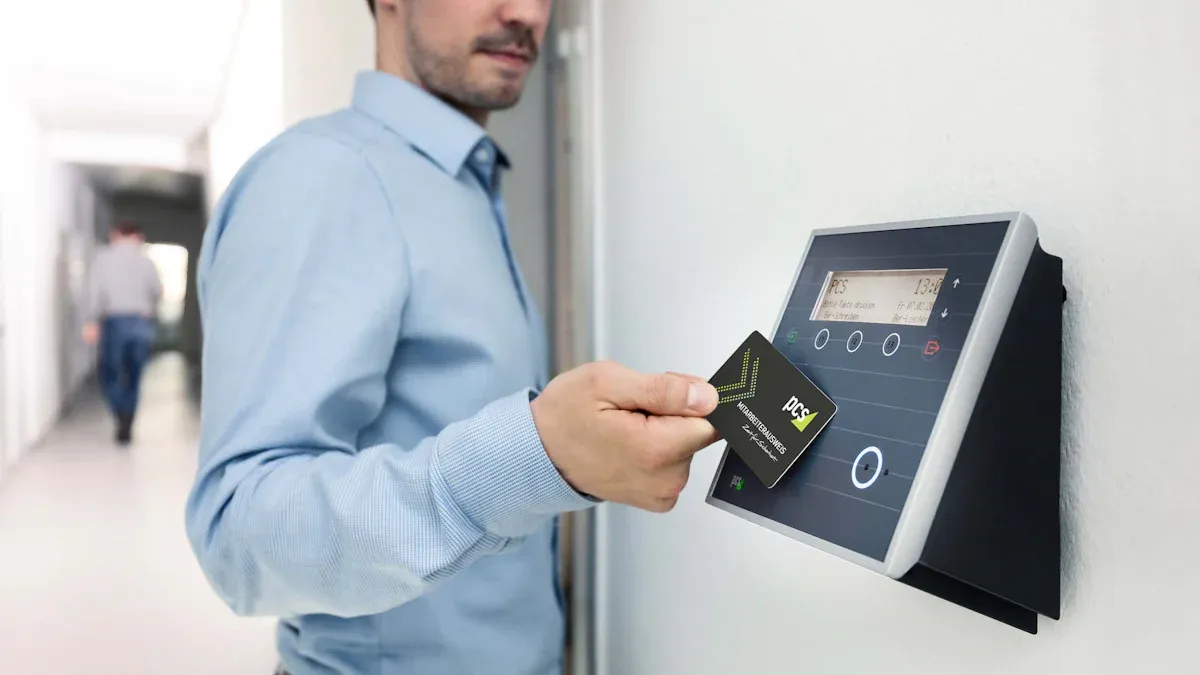
RFID helps you keep track of items in your store. It works by using radio waves to talk between a tag and a reader. The tag holds information about the item. The reader sends out radio waves to find the tag. You do not have to see the item for this to work. This makes it easy to find and track things fast.
Description | |
|---|---|
RFID Tag | Put on items and holds information. |
RFID Reader | Sends out radio waves and gets signals from tags. |
RFID Antenna | Makes the radio waves stronger so tags can answer. |
Energy Transmission | The reader uses its antenna to send out waves. |
Tag Activation | Tags use the waves to power up their chip. |
Data Exchange | The chip sends its information back to the reader. |
Information Processing | The reader reads the data and sends it to computers. |
Inventory Tracking with RFID
RFID helps you count items in real time. You can see where your products are right away. It makes counting more correct and stops mistakes. You can scan lots of items very quickly. This saves time and helps you move products better.
Benefit | Description |
|---|---|
Inventory Accuracy | Gets 95% or better accuracy, so mistakes are rare. |
Real-Time Visibility | Lets you see how much you have at any time. |
Labor Efficiency | Makes counting faster, saving up to 75% of time. |
Enhanced Customer Experience | Helps customers find things faster and pay quicker. |
RFID Advantages
RFID gives you many good things in retail. You can keep shelves full and know what you have. You can find many items at once, which is faster. You get real-time data to help you make choices. Customers are happier because they find what they want.
Checkout is faster because you can scan many things at once.
Inventory is managed better with real-time updates.
The supply chain is easier to follow and check.
Losses are lower because the system watches items.
There are fewer empty shelves and too many extras.
It helps sell in stores and online at the same time.
Smart fitting rooms show real-time info to shoppers.
RFID Challenges
RFID does have some problems. It costs more to start than old systems. Metal and liquids can block the signals. Some people worry about privacy and keeping data safe.
Challenge | Description |
|---|---|
Cost | It costs more at first for tags, readers, and setup. |
Interference | Metal and liquids can mess up the signals and make it hard to read tags. |
Privacy Concerns | People worry about being tracked and keeping their data safe. |
Tip: You can make RFID work better by planning your setup and using good security.
Computer Vision in Retail
Computer Vision Overview
Computer vision can help make your store smarter. It uses cameras and AI to watch what happens in your store. This helps with security, shelf checks, and virtual mirrors for shoppers. Computer vision can find items that are not in the right place. It also helps keep people safe and makes it easier to set up products. You can use it to see where shoppers walk the most. Line monitoring tells you when to open more registers. Virtual mirrors let customers try on clothes or makeup without touching them.
Security systems look for strange actions and cut down on false alarms.
Shelf monitoring checks if products are where they should be.
Automated stock control means you need fewer workers.
Heat mapping helps you plan better store layouts.
Line monitoring keeps checkout lines short.
Virtual mirrors make shopping more fun.
Product Detection & Automation
Computer vision helps you find products fast and keep shelves full. Cameras watch shelves and tell you when something is missing. Drones with computer vision can check inventory much faster than people. This technology also helps stop theft by watching for hidden items and checking self-checkout lanes. Frictionless checkout lets customers shop and pay without waiting in long lines.
Key Application | The Tech & Action | The Business Payoff |
|---|---|---|
Intelligent Inventory Management | Cameras watch shelves and check planograms. | Sales go up by 3–5%. Labor costs drop by 30%. |
Next-Gen Loss Prevention | Systems spot hidden items and watch self-checkout. | Inventory shrinkage drops by double digits. |
Product recognition builds virtual carts and alerts staff to long lines. | Fewer abandoned carts and faster checkout. | |
Customer Behavior Analysis | Heat maps and dwell-time analysis show where shoppers go and what they buy. | Store layout improves and marketing works better. |
Customer Behavior Analysis
Computer vision helps you learn about your customers. It tracks how shoppers move and where they stop. Heat maps show the busiest spots in your store. Dwell-time analysis tells you how long people look at displays. You can use this data to put popular items in the best places. This makes your store more inviting. When you know what your customers like, you can boost sales and make shopping easier.
Tip: Use real-time tracking to see how customers interact with products and displays.
Computer Vision Benefits
Computer vision gives your store many good things. You get better operations, see products more easily, and make smarter choices. Real-time shelf data shows which products sell best. You can keep shelves stocked so customers find what they want. Your team spends less time counting and more time helping shoppers.
Benefit | Description |
|---|---|
Improved Operational Efficiency | Tracks movement, watches inventory, and studies shopper behavior to help operations. |
Enhanced Product Visibility | Keeps the right products ready for customers with better shelf checks. |
Data-Driven Decision Making | Real-time shelf data shows how product placement changes sales. |
Computer Vision Challenges
There are some problems with computer vision. Cameras and setup can cost a lot. You need skilled workers to run AI systems. Data privacy is important, so you must protect customer information. Sometimes, you need strong internet and fast computers for it to work well. Good planning and training help you get the most from computer vision.
Comparison: Computer Vision vs RFID
Cost & Implementation
When you compare cost, there are big differences. RFID needs you to buy a tag for every product. The tags are cheap if you buy a lot, but the total price can get high in a big store. You also need readers and antennas for RFID to work. Setting up RFID is easy if you plan well. You can start with a small setup and add more later.
Computer vision costs more at first. You need cameras, strong computers, and special software. Sometimes, you have to move things in your store so cameras can see everything. It takes more time and planning to set up. After you finish, you do not need to put tags on every item. This can save money if your products change a lot.
Factor | RFID | Computer Vision |
|---|---|---|
Upfront Cost | Low per tag, moderate setup | High for cameras and servers |
Ongoing Cost | Tag replacement, maintenance | Software updates, hardware |
Implementation Speed | Fast for small stores | Slower, needs more planning |
Store Changes Needed | Minimal | May need layout changes |
Pick the technology that matches your budget and store needs. If you want to save money on tags, computer vision might be better. If you want to start fast, RFID is a good choice.
Accuracy & Data Quality
You want your data to be correct every time. Both computer vision and RFID can give good results, but they work best in different ways. RFID can scan many items at once, even if you cannot see them. This helps you count inventory quickly and with high accuracy. Sometimes, metal or liquids can block the signal, so you might miss some items.
Computer vision uses cameras to look at products. It checks if items are in the right spot and if shelves are full. It works well for products that look different from each other. If items look the same or block each other, the system can make mistakes. You can help the system by giving it more pictures to learn from.
You get the best data when you use both together. RFID gives you fast counts. Computer vision checks if products are in the right place and in good shape. This helps you run a cashierless store with fewer mistakes.
Use Cases
You need to know where each technology works best. The table below shows how computer vision and RFID fit different retail needs:
Aspect | RFID Use Cases | Computer Vision Use Cases |
|---|---|---|
Bulk scanning with high accuracy | Shelf monitoring for stock levels | |
Checkout Efficiency | Self-checkout kiosks for quick scans | Autonomous checkout systems |
Loss Prevention | Alerts for unpaid items | N/A |
Customer Analytics | N/A | Heatmaps for shopping patterns |
Cost Efficiency | Low per-tag cost for high-value items | High infrastructure costs for stores |
Implementation Complexity | Requires tagging every item | Needs extensive camera setups |
Scalability | Scales well for large inventories | Scales with store size |
RFID is good for fast inventory checks and stopping theft. Computer vision helps you watch shelves and learn about shoppers. If you want a store with no cashiers, computer vision is important for finding and tracking products. RFID works well for checkout and tracking expensive items. Many stores use both to get the best results.
Scalability & Maintenance
You want your system to grow as your business grows. RFID works well if you have lots of products. You just add more tags and readers. Taking care of RFID is easy, but you need to replace lost or broken tags. Computer vision grows by adding more cameras and computers. You may need more power and better internet as your store gets bigger.
Stores without cashiers need both systems to work together. You can start with one system and add the other later. This helps you keep costs low and improve your store step by step.
Tip: Plan for future growth by choosing systems that let you add new features easily.
Privacy & Security
You must keep your customers' information safe. RFID can track items after they leave your store. This can make some shoppers worry. Vendors can see what people buy without asking. Other people can also read tags and get personal data without anyone knowing.
RFID technology raises significant privacy issues through both direct and indirect monitoring of consumers. Direct monitoring involves vendors tracking consumer behavior without consent, potentially leading to privacy invasions. Indirect monitoring can occur when third parties exploit RFID tags to gather personal information without the individual's knowledge, posing further privacy threats.
Computer vision also has privacy concerns. Cameras record people while they shop. You need to tell customers about this and keep their data safe. Good security and clear rules help protect everyone.
You should always follow privacy laws and use strong security. This builds trust and keeps your store safe.
Real-World Applications
RFID Success Stories
You can find rfid in many stores today. It helps count inventory fast and keeps shelves stocked. Stores make fewer mistakes and save time with rfid. Many shops use rfid to stop theft and speed up checkout. You can also track shipments as they move and give shoppers special deals. The table below shows how rfid helps in different ways:
Application | Description |
|---|---|
Inventory Management | RFID lets you count items quickly and correctly, reaching up to 98% accuracy and lowering stock problems. |
Loss Prevention | RFID warns workers if someone tries to leave with unpaid items, cutting losses by up to 30% for expensive goods. |
Checkout Processes | RFID scans many things at once, making checkout up to 20% faster in some stores. |
Supply Chain Optimization | You can see where shipments are in real time, which helps deliveries arrive 15% quicker. |
Personalized Marketing | RFID can send special offers to shoppers based on what they do, helping stores keep customers coming back. |
Stores using rfid every day have good results. For example, a small clothing store sold 20% more after using rfid to track clothes. A small bookstore finished inventory jobs faster and lost less to theft, so costs went down by 15%. Boutique stores made checkout quicker with rfid, making customers happier.
Retailer Type | Impact Description | Results |
|---|---|---|
Local Apparel Store | Used RFID to track clothes, so they had fewer empty shelves and too much stock. | |
Indie Bookstore | Used RFID to make counting and theft checks easier, saving time and money. | 15% lower costs |
Boutique Chain | Made checkout faster with RFID, so customers waited less. | Happier customers |
Note: RFID can help your store work better and make shoppers happy.
Computer Vision in Action
Computer vision can make your store smarter. Cameras and AI help you see empty shelves and watch products. You get quick shelf data and know what needs restocking. Your team can act faster when the store is busy. Computer vision measures shelf space for each product and checks if sales events work. You can use cloud tools to see data from all your stores.
Outcome | Description |
|---|---|
Instant Shelf Data | Computer vision finds empty spots fast, with over 95% correct matches. |
Data Consistency Across Markets | Automatic shelf checks give the same info everywhere, so there are fewer mistakes than with people. |
Improved Decision Timing | Teams can restock faster, so products are easy to find when lots of people shop. |
Predictive Compliance Monitoring | AI can spot rule problems early, so you can fix them before they get worse. |
Faster Execution Feedback | Reports come quickly, so you can check if sales events and shelf setups are right. |
SKU-Level Shelf Measurement | You can see how much space each product uses, which helps you decide what to put on shelves. |
ROI Validation | Good data helps you see if your sales events really work. |
Simplified Photo Audits | Workers can take shelf photos fast, making reports easier. |
Centralised Data Access | Cloud systems let you see all your store data in one place, even in other countries. |
Tip: Computer vision helps you check shelves, make faster choices, and keep your store ahead in retail.
Hybrid Solutions
Combining RFID & Computer Vision
You can make your store work better by using both RFID and computer vision. RFID tags help you follow where products are at all times. Cameras and AI let you watch what happens on shelves and in the store. When you use both, you see your inventory and customer actions together. This helps stop empty shelves, lowers theft, and makes your store run smoother. Stores with lots of products or tricky layouts get the most from using both.
Tip: Hybrid systems are best for busy stores or stores that change inventory a lot.
Integration Benefits
You get many good things when you use RFID and computer vision together. You can find mistakes between what your system says and what is really on the shelf. You always know where products are, even in the back room. You can see how items move and where they end up, like in fitting rooms or wrong places. This helps you restock faster and plan better sales.
You spot stock mistakes right away.
You know where products are everywhere.
You watch how items move in the store.
You find lost items, even in fitting rooms.
You make restocking and sales choices easier.
The table below shows how hybrid solutions help stores work better:
Improvement Type | Description |
|---|---|
RFID tracks items in real time, so shelves stay full and sales go up. | |
Reduce administrative loss and waste | RFID tracks items closely, so there are fewer mistakes and less waste. |
Streamline omnichannel retail experiences | RFID gives real-time data, so stores and online shops work together better. |
Reduce loss and theft | RFID helps find missing items and makes it harder to steal. |
Streamline back-of-the-house management | RFID does inventory jobs, so workers can help customers more. |
Deliver a better customer experience | RFID makes shopping faster and easier, so customers are happier. |
Challenges of Hybrid Systems
You might have some problems when you use RFID and computer vision together. Old systems may not work well with new technology. You need fast computers to look at images quickly. Privacy matters because cameras record people. Sometimes, the system makes mistakes and gets products wrong.
Challenge | Description | Solution |
|---|---|---|
Integration with Existing Systems | Old POS and inventory systems may not work with computer vision. | Use special software to connect old and new systems. |
Real-Time Processing | Computer vision needs to look at images fast for tracking and checkout. | Use better computers and smart AI to make things quicker. |
Privacy & Compliance | Cameras record people, so privacy and rules are important. | Hide faces, follow privacy laws, and tell customers about cameras. |
False Positives & Accuracy Limitations | The system can get products wrong and cause checkout mistakes. | Train the system with lots of pictures and use barcodes too for better results. |
Note: You can fix most problems with good planning, strong security, and regular training.
You have strong options with RFID and computer vision. RFID helps you track stock fast and cut checkout times, like Decathlon does. Computer vision lets you run cashierless stores, as seen at Aldi. Many retailers now use both for the best results. You should test new systems before a big rollout. A pilot project can show what works, spot risks, and gather feedback.
Benefit | Description |
|---|---|
Confirms Feasibility | A small test shows if the system fits your store. |
Identifies Risks | You find problems early and fix them. |
Gathers Feedback | You get ideas from your team and shoppers to improve the solution. |
FAQ
What is the main difference between RFID and computer vision?
RFID tracks items using radio waves and tags. Computer vision uses cameras and AI to spot and name products. Computer vision does not need tags on items.
Can you use RFID and computer vision together in your store?
Yes, you can use both at the same time. RFID makes counting items faster. Computer vision helps you watch shelves better. Using both cuts mistakes and helps your store do well.
Is computer vision safe for customer privacy?
You must keep customer privacy safe. Only use cameras for store work. Hide faces in videos and follow privacy rules. Always let customers know about cameras.
How much does it cost to start with RFID or computer vision?
RFID costs less for each item but needs tags and readers. Computer vision costs more at first for cameras and software. Pick what fits your store’s size and needs.
Which technology works best for small stores?
Small stores often pick RFID for fast inventory checks. Computer vision helps watch shelves and see what shoppers do. You can start with one and add the other as your store gets bigger.
See Also
Exploring The Advantages Of AI-Driven Vending Solutions
Transforming Retail: The Impact Of Smart Vending Machines
Comparing Micromarkets And Smart Stores In Global Retail
