The Rise of Contactless Retail Solutions in Next-Gen Unmanned Stores

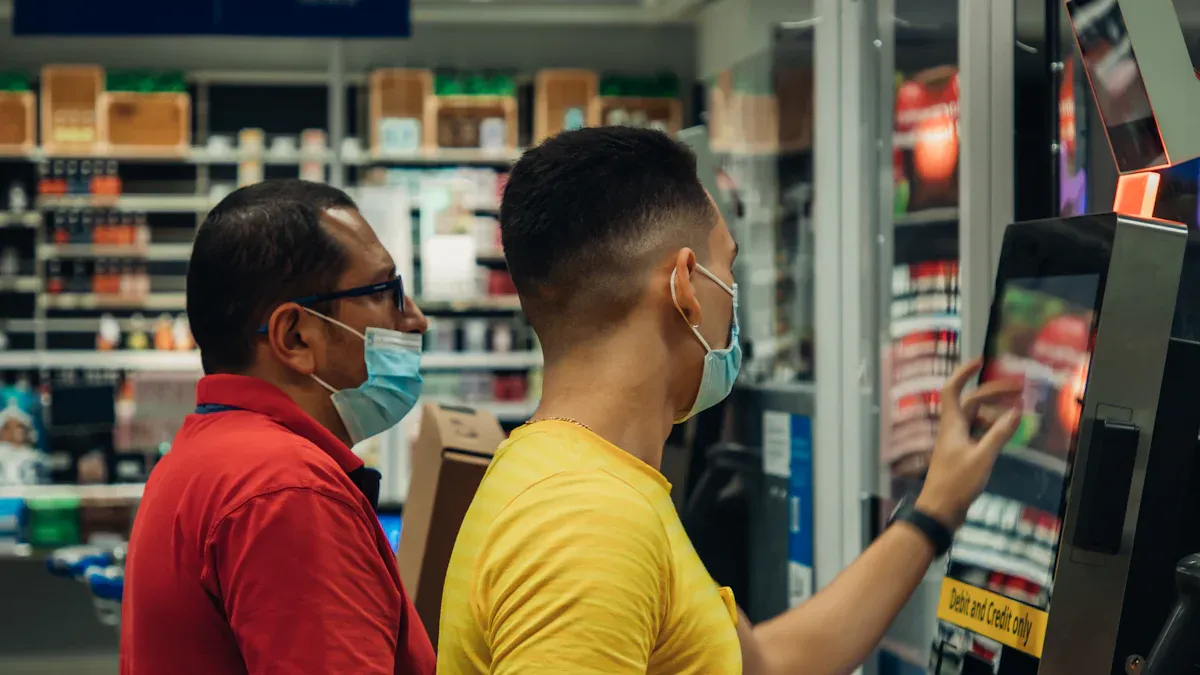
Contactless retail solutions are changing how unmanned stores help people. The worldwide market for these stores was $4.18 billion in 2023. It might grow to $16.53 billion by 2031. This shows strong growth.
Shoppers can shop anytime and check out faster.
More people now like cashless ways to pay.
Benefit | Description |
|---|---|
Growth Impact | Stores stay open all day. They help more people and lower worker costs. |
Consumer Preference | About 75% of shoppers pick contactless payment for speed and safety. |
Operational Efficiency | Fast payments make shoppers happy and help stores work better. |
Unmanned stores use smart technology for smooth and safe shopping. This change helps make shopping easy and open to everyone.
Key Takeaways
Contactless retail solutions help shoppers shop quickly and safely. Shoppers do not need to wait in line.
Unmanned stores use smart technology to work well. These stores need fewer workers. This helps stores save money.
Shoppers like using cashless payments. These payments are fast and safe. This makes shopping better for everyone.
AI and automation help stores track inventory. They keep shelves full so products are always there.
More people want unmanned stores now. The market is growing fast. This shows people want new ways to shop.
Contactless Retail Solutions Transforming Unmanned Stores
Impact on Retail Operations
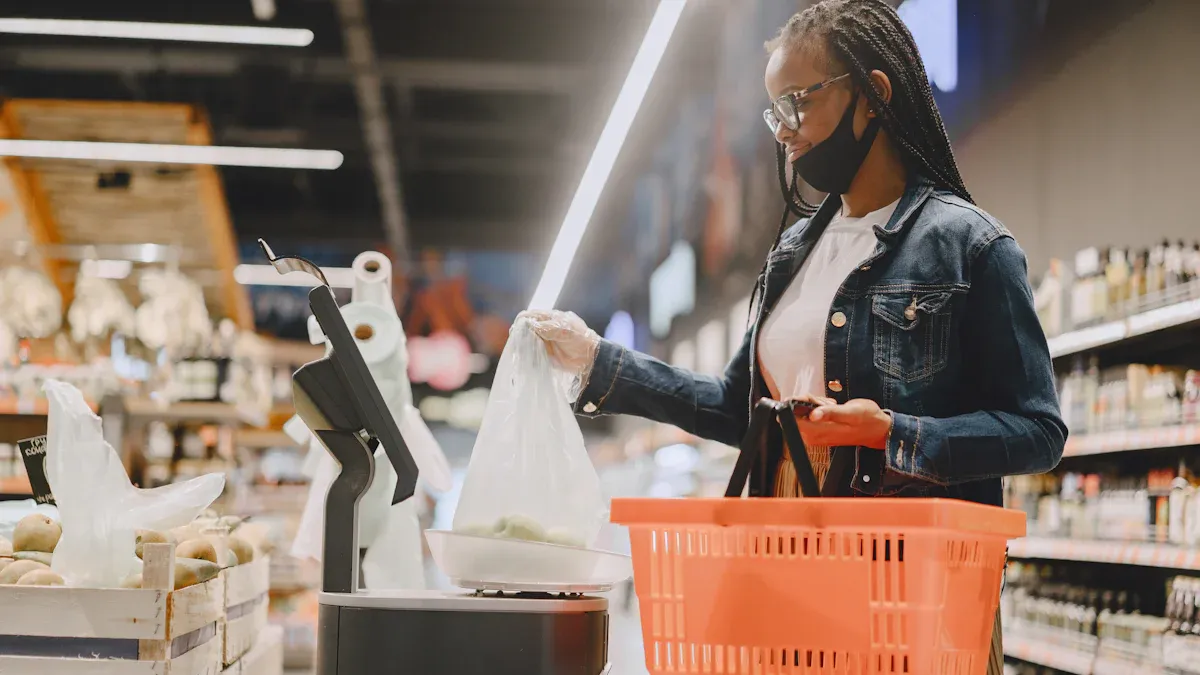
Contactless retail solutions help unmanned stores work better. These stores use smart technology to do jobs that needed many workers before. Self-service technology lets shoppers check out by themselves. People scan what they want and pay right away. AI and automation watch the shelves and keep them full. Smart shelving systems see when products move in real time. This stops shelves from being empty and helps stores not lose sales. Data analytics give store owners good ideas about what to order and when to restock.
The table below shows how each technology changes how stores handle inventory and staff:
Technology | Impact on Inventory Management | Impact on Staffing Requirements |
|---|---|---|
Self-Service Technology | Gets rid of old checkout lines and makes inventory easier. | Fewer workers needed at checkout. |
AI and Automation | Makes tracking and managing inventory better. | Less need for people to watch over things. |
Contactless Payments | Makes paying fast and helps stores sell more. | Not as many workers needed for payments. |
Smart Shelving | Watches products move so shelves stay full. | Fewer workers needed to check shelves. |
Data Analytics | Helps stores know what to order and when. | Lets owners plan how many workers they need. |
Store owners now spend less money on workers and more on technology. They can keep stores open all day and night. This helps them sell more and give better service. Contactless retail solutions help stores run well and change fast when shoppers want new things.
💡 Tip: Unmanned stores can use these tools to grow and help more people without hiring more workers.
Changing Shopper Expectations
Shoppers want things to be fast, safe, and easy. Contactless retail solutions give them what they want. People like to walk in, grab what they need, and leave without waiting. They trust stores that use smart systems to keep shelves full and checkout quick. Many shoppers now like to pay without cash or cards. They use mobile wallets or tap-to-pay.
Unmanned stores let shoppers choose how they shop. They can come in any time, even late at night or early morning. Shopping feels easy and new. Shoppers feel safe because they do not touch shared things or use cash. This makes them trust the store and want to come back.
Contactless retail solutions help both store owners and shoppers feel good. They show that technology can make shopping better for everyone.
Unmanned Stores and Core Technologies
AI and Automation
AI and automation are very important for unmanned stores. These tools help stores stay open all day and night. They watch products, manage shelves, and make shopping easy. Generative AI gives shoppers tips and helps set prices. Robots keep products in place and stop theft. They also help people find their way in the store. Frictionless payment systems let shoppers pay fast without scanning. Computer vision helps with quick checkouts. Biometric authentication makes payments safe and quick.
Technology | Description |
|---|---|
Generative AI | Gives shopping tips and tracks prices by itself. |
Robotics | Watches products, stops theft, and helps people move around. |
Biometric Authentication | Makes payments safe and fast, so shoppers feel secure. |
Frictionless Payment Systems | Lets people pay without scanning, using AI and cameras for speed. |
AI systems use RFID and sensors to track products. Cameras with image recognition watch how shoppers pick up items. Smart shelves update inventory when someone takes a product. Stores like VenHub use these tools to run without workers. Shelves stay full and products are ready at any time.
🌟 AI and automation help stores work better, serve more people, and make shopping easy and fun.
IoT and Sensors
IoT devices and sensors make unmanned stores smarter. Smart shelves tell the system when products are low. RFID checks if products are fresh and stored right. Cold chain monitors watch temperature and humidity to keep food safe. Chemical sensors find spoiled food to protect shoppers. Some products have GPS trackers for extra details.
IoT Device/Sensor | Function/Description |
|---|---|
Smart Shelves | Manage inventory and alert staff when products are low. |
RFID Technology | Checks freshness and storage by scanning the environment. |
Cold Chain Monitoring | Watches temperature and humidity to stop food from spoiling. |
Chemical Sensors | Detects food going bad to prevent health risks. |
Smart Goods | Adds sensors to products for more details, like GPS in childcare items. |
IoT sensors give real-time updates on product levels. Machine learning guesses what shoppers will want next. This helps stores order the right amount. Robots restock shelves fast, making shopping quicker and more fun. AI cameras keep the store safe by watching for anything strange. Real-time alerts help stop theft and keep everyone safe.
IoT sensors track stock, so stores always know what they have.
Smart devices restock shelves when items run low.
IoT keeps stores running smoothly, even if the network goes down.
Frictionless Payments
Frictionless payments change how people pay in unmanned stores. Shoppers can use mobile apps, facial recognition, or RFID to pay fast. Stores like Zaitt and Pick & GO let people scan products and pay with an app. CYB-ORG uses facial recognition for touch-free shopping. Żabka Nano uses computer vision and sensors to track what shoppers take. This makes checkout fast and easy.
Store Name | Technology Used | Description |
|---|---|---|
Zaitt | RFID, Mobile App | Shoppers scan and pay through the app. |
Pick & GO | Mobile App | Payment happens automatically for a smooth experience. |
CYB-ORG | Facial Recognition, Mobile Apps, RFID | Shoppers pay without touching anything. |
F5 Future Store | Data Analytics, Automated Systems | Tracks inventory and restocks automatically. |
Żabka Nano | Computer Vision, Machine Learning, Sensors | Tracks items and makes checkout seamless. |
Unattended payment systems let shoppers skip lines. There are over 60 cashless payment options, so paying is quick. These systems help stores serve more people and lower costs. They also make it easy for stores to grow and open in new places.
💡 Frictionless payments make shopping faster, safer, and more fun for everyone.
Biometric Security
Biometric security keeps unmanned stores safe. Facial recognition lets shoppers enter without cards or passwords. Payment authentication scans faces to check who is paying. Shoppers do not need cash or cards. Some stores use fingerprint or retina scans to protect special areas.
Biometric Measure | Function |
|---|---|
Facial Recognition | Identifies shoppers and allows entry without cards or passwords. |
Payment Authentication | Scans faces for payment, removing the need for cash or cards. |
Enhanced Security | Fingerprint or retina scans protect certain store areas. |
Biometric systems are hard to trick, so they stop theft and fraud. They work better than passwords because everyone’s traits are different. These systems also help stores by needing fewer guards or locks. AI can watch for strange activity and alert staff right away.
Biometric traits are unique and hard to copy.
These systems reduce mistakes in checking who enters.
They tie access to real people, making stores more secure.
Robotics and Modular Kiosks
Robotics and modular kiosks help unmanned stores reach more places. Robots restock shelves, track products, and help shoppers find things. Modular kiosks, like MODSTREET, bring unmanned retail to busy places. These kiosks cost less and are easy to set up.
“In an era where consumer demands for speed, convenience, and sustainability collide with escalating labor shortages, the retail landscape is undergoing a seismic shift toward automation.”
Modular kiosks can be built in days, not months. Their design lets stores move or change them quickly. Businesses can mix and match parts to fit different needs. Tool-less assembly means less time and money spent on setup. These kiosks help stores reach more people and keep up with changing trends.
Modular kiosks adapt to many places, like pop-ups and transit hubs.
They lower costs and make it easy to open new stores.
Quick setup means stores can serve shoppers faster.
Contactless retail solutions use these core technologies to make stores smart and safe. They help stores grow, serve more people, and make shopping better for everyone.
Benefits of Contactless Retail Solutions
Efficiency and Cost Savings
Contactless retail solutions help stores save money and work better. Stores like Crazy Candy saw big changes after using digital tools. They spent less and made more money. Shoppers can shop any time, so stores help more people without hiring more workers. Smart technology does jobs that people used to do. This helps stores lower prices for everyone. Automated systems like lighting and HVAC use less energy and save money. Smart sensors keep products fresh and stop waste.
Crazy Candy saved money and made more with digital tools.
Shoppers get 24/7 service, which shows better efficiency.
Smart technology replaces workers, so stores spend less and lower prices.
Automated lighting and HVAC save energy and money.
Sensors keep products fresh and cut down on waste.
Evidence Description | Impact on Operational Costs |
|---|---|
Unmanned stores have lower costs, so they can open in rural areas. | This cuts costs for store locations. |
Automation removes staff salaries and benefits. | This lowers labor costs for stores. |
Smart systems track inventory and handle payments. | This makes stores work better and need fewer workers. |
Security and Personalization
Unmanned stores use smart tools to keep shoppers safe and make shopping special. AI watches how people act and spots anything strange right away. Computer vision sees how people move, making shopping safer. RFID tags help track products and stop theft. IoT sensors watch the store and help give shoppers a unique experience.
Feature | Description |
|---|---|
AI | Watches shoppers and finds problems fast. |
Computer Vision | Sees how shoppers move and keeps the store safe. |
RFID | Tracks products and helps with payments, stopping theft. |
IoT Sensors | Watches the store and helps make shopping personal. |
Stores use facial recognition to give special deals and suggest products shoppers might like. Security steps protect shopper data, so people feel safe. When shoppers know about digital monitoring, they act better, which builds trust.
Convenience and Scalability
Contactless retail solutions make shopping easy and help stores grow fast. More people want contactless shopping, so the market grows. The pandemic made touchless shopping even more popular. AI, IoT, and sensors work together to give shoppers a smooth and safe experience.
Autonomous stores let people shop any time, day or night, without many workers.
Stores can open new places, like pop-ups, where they cannot hire full staff.
This helps stores serve busy shoppers and make sales all day.
Metric | AI-Powered Stores | Traditional Stores |
|---|---|---|
Labor Cost Reduction | 60-70% | High (60% turnover) |
Checkout Speed | 0.5 seconds | 10-15 seconds |
Inventory Management Efficiency | 30% fewer empty shelves | N/A |
Customer Loyalty Improvement | 42% | N/A |
Stock Reduction | 25% | N/A |
Many stores get their money back from these systems in one to three years. Unmanned stores use technology to help more people and offer more products, making shopping better for everyone.
🌟 Contactless retail solutions start a new way to shop—one that is fast, safe, and ready to grow.
Use Cases in the Real World
Autonomous Convenience Stores
Autonomous convenience stores have changed shopping for many people. These stores use smart technology to make shopping quick and simple. Shoppers walk in, pick up what they want, and leave right away. The system knows what each person takes and charges them.
Zippin uses AI-powered computer vision to see what shoppers pick. Customers do not have to scan items or wait in line. The store charges their accounts as they walk out.
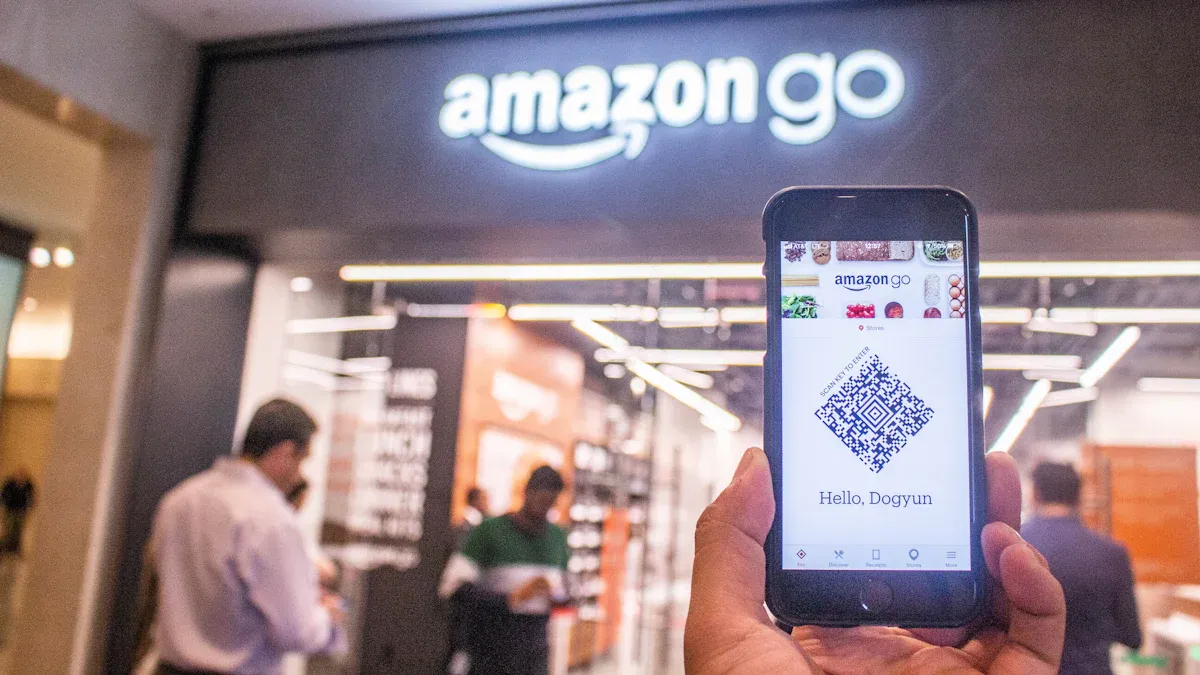
Amazon Go lets shoppers grab items and leave. Sensors and cameras track what people buy.
These stores make others want to try new shopping ideas. People like how fast and easy these stores are.
Smart Vending Machines
Smart vending machines do more than give snacks now. They offer fresh food, drinks, and even electronics. AI helps guess what people want and keeps products ready. IoT lets owners check stock and machine health from anywhere.
Cashless payments make buying from vending machines faster. Some businesses made twice as much money with these options. Touchless payment systems let people use mobile wallets or cards. This keeps shopping safe and simple. These machines help busy people get what they need fast.
Airports and Healthcare
Airports and hospitals use unmanned retail solutions every day.
In healthcare, drones bring medicine to faraway places. This saves time and helps patients get care faster. For example, a drone delivery from Bishnupur District Hospital to Karang Island took only 12 minutes. This is much faster than a two-hour road trip.
In airports, touchless kiosks and IoT devices help travelers. Delta worked with Wavetec to add self-service kiosks. This made travel better for passengers and helped airport staff work faster.
Airports and hospitals have problems like teaching people to use new tools and making sure everything is safe. Still, these solutions give hope and show how technology can help everyone.
Challenges and Considerations
Security and Privacy
Unmanned stores give shoppers new ways to shop. But they also bring up big security and privacy worries. Owners use strong surveillance and AI to stop theft. These tools watch for strange actions and keep products safe. Cameras and sensors collect lots of shopper data. Some people worry about how stores use and protect this data. Stores need to be honest about their data rules to build trust.
Outside threats can cause problems too. Scammers use illegal card readers to steal payment info. Thieves use stolen cards for small buys without a PIN. Skimmers and scanners grab card data without people knowing. These risks make privacy and security very important for everyone.
Note: Shoppers trust stores more when they see good privacy and security steps.
Technical Reliability
Unmanned stores run on technology, but it can break down. Systems must work all day and night. If sensors or payment systems fail, shoppers may not finish buying things. Owners need to check and fix their tech often. Fast repairs and strong support teams help stores avoid long problems.
Stores that work well keep shoppers happy. When tech works, shopping feels smooth and safe.
Setup Costs and Adoption
Opening an unmanned store needs careful planning and money. The table below shows common costs:
Expense Category | Estimated Cost Range |
|---|---|
Real Estate & Lease | $50,000 - $150,000 |
Fixtures & Equipment | $20,000 - $50,000 |
Interior Décor | $10,000 - $30,000 |
Licenses & Insurance | $5,000 - $15,000 |
Inventory & Supplies | $30,000 - $100,000 |
Staffing & Payroll | $25,000 - $70,000 |
Marketing & Branding | $10,000 - $40,000 |
Total | $150,000 - $455,000 |
Business owners face more than just spending money. Security problems, hard setups, and the need for good partners can slow things down. Many leaders find teamwork and clear goals help them get past these problems. With a good plan, stores can turn challenges into new chances to grow.
Future Trends in Unmanned Retail
AI-Driven Analytics
AI-driven analytics will change unmanned retail in big ways. These smart systems help stores get better every day. They watch shoppers and find problems before they start. Stores use AI to keep shelves full and safe for everyone. AI helps owners know what shoppers like and how they walk in the store. This helps stores make better layouts and give special deals.
AI-driven analytics make stores safer with quick alerts.
Stores use AI to watch how shoppers move and make shopping better.
AI checks inventory and the store’s environment, so stock is managed well.
Many leaders see how strong AI can be. Almost half of CEOs think generative AI will help their stores make more money soon. AI-powered automation cuts waste and helps workers do more jobs. AI recommendation engines make shopping feel special for each person.
Market Growth and Expansion
Unmanned retail is growing very fast. The market could reach $376.12 billion by 2029. Experts think it may hit $962.6 billion by 2033. In 2024, the market is already worth $81.4 billion. These numbers show people trust new retail ideas.
More stores open each year, giving new jobs and learning chances.
Cities and towns use unmanned stores to help more people, day and night.
Investors and owners want to join this exciting market.
This growth means more shoppers will get fast, easy, and safe shopping. The future looks good for stores that use smart technology.
Regulatory Landscape
Rules and laws will shape unmanned retail’s future. Governments want to keep shoppers safe and protect their data. New rules may make stores show how they use cameras and AI. Some places may set rules for how stores keep personal information.
Stores must follow privacy laws to build trust with shoppers.
Clear rules help everyone know what to expect in unmanned stores.
Good laws help stores grow and keep people safe.
🛡️ As unmanned retail grows, strong rules and smart planning will help everyone feel safe and happy about the future.
Unmanned stores give shoppers quick service and keep them safe.
Owners use smart technology to spend less and grow their stores.
New tools help make shopping simple for all people.
Lots of people think retail will get even better soon.
Retail keeps changing and moving ahead. People will see new ideas and changes every year.
FAQ
What makes unmanned stores different from regular stores?
Unmanned stores use smart technology to help shoppers. People walk in and pick up what they want. They do not have to wait in line. These stores are open all day and night. Shopping is fast, safe, and easy for everyone.
How do contactless payments work in these stores?
Contactless payments use mobile apps, cards, or facial recognition. Shoppers tap or scan to pay for their items. The system charges them right away. This saves time and makes shopping safer.
Are unmanned stores safe for shoppers?
Yes! Unmanned stores use cameras, sensors, and biometric security. These tools help keep shoppers and their information safe. Owners watch for problems and fix them quickly. Shoppers can trust these stores to protect them.
Can small businesses use contactless retail solutions?
Absolutely! Small businesses can use modular kiosks and smart vending machines. These tools help owners reach more customers. Owners save money and grow their business with new technology.
See Also
The Future of Retail: Embracing AI-Driven Stores
Global Insights: Micromarkets and Smart Stores Explained
Transforming Retail: Cloudpick's Cashierless Shopping Experience
Smart Technology: The Revolution of Electronics Vending Machines
