Avoid Falling Behind with Convenience Store Digital Transformation Scenarios

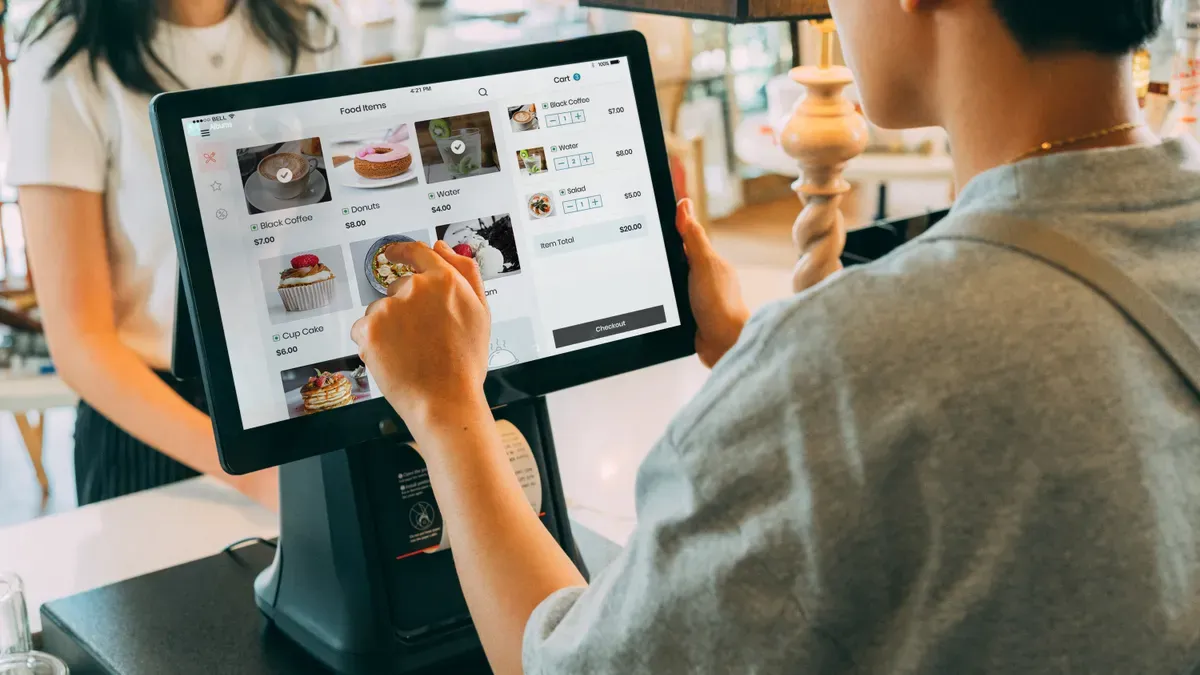
Convenience stores face threats from fast-food places. Grocery stores and delivery apps also threaten them. You risk losing money and loyal shoppers. This happens if you keep using old methods. Modern shoppers want fast and easy service. They also want personal experiences today. You must change your old business style. Move toward a connected digital system now. Electric cars are growing very fast. High-profit food items help sales grow. Custom rewards programs also boost your business. Use smart digital plans to stay safe. Technology acts as a strong defense. It is also your best growth tool. A clear digital transformation roadmap helps you update. You can protect data and make money.
Key Takeaways
Use phone reward apps.
Keep shoppers coming back.
Make money from EV charging.
Offer fresh food and lounges.
Provide fast Wi-Fi access.
Build your own online shop.
Save on high delivery fees.
Keep your customer info safe.
Make a step-by-step tech plan.
Update store tech very slowly.
Protect your shop profits now.
Adapting to Evolving Customer Expectations
Modern shoppers want instant convenience everywhere. U.S. adults use mobile devices daily. They spend over 650 minutes on devices. Nearly all key generations own smartphones. Ownership reaches 98% for Gen Z. It reaches 93% for Millennials. It hits 90% for Gen X. You must connect your digital channels. Link them to physical retail stores. This helps protect your market share.
Key Market Shift: Fuel sales are now dropping fast. Changing shopper habits force store operators. They must try omnichannel retail today. Integrated digital ecosystems keep shoppers engaged.
Hyper-Personalized Rewards and Loyalty Engines
Old paper punch card loyalty programs fail. They no longer retain modern customers. You need new dynamic loyalty engines. They analyze customer purchase histories well. They send real-time targeted discounts quickly. Platforms trigger custom mobile offers. This happens when customers approach stores.
Omnichannel convenience options boost customer retention:
Curbside Pickup: 21% of operators offer curbside pickup. This helps quick store visits.
Drive-Thru Service: 14% prioritize drive-thru lanes. These lanes make fulfillment smooth.
Mobile Rewards: Apps send hyper-personalized promotions. Offers go to shopper smartphones.
GenAI-Driven Offerings and Product Recommendations
Generative AI changes mobile ordering platforms. It creates smart product discovery tools. GenAI models read natural language requests. They help with road trip planning. They skip simple strict keywords completely. Software filters product choices dynamically.
GenAI boosts order values and basket sizes:
Personalized Lists: Systems build custom shopping lists. Lists fit dietary needs like gluten-free.
In-Store Assistance: Associates carry smart AI tablets. Tablets show real-time checkout prompts. They suggest extra complementary items.
Data-Backed Assortments for Local Footprints
One standard store inventory model fails. It cannot work across all locations. Use Geographic Information Systems (GIS) now. Use location analytics for store selection. GIS tools check commuter foot traffic. They track local competitors and demographics.
Retailers review store transaction logs daily. They track local neighborhood population changes. Seeing more urban millennial shoppers helps. You can adjust your stock quickly. Feature organic snacks and vegan meals. Sell grab-and-go premium coffees locally. Match local neighborhood preferences easily.
Monetizing EV Charging Dwell Time
Electric cars change old store setups. Gas pumps do not earn enough. Drivers need time to recharge batteries. This long wait helps your business. You turn waiting into indoor shopping.
Leveraging the Charging Window Beyond the Pump
Gas buyers stay for short times. Electric car drivers stay much longer. This extra time builds new habits.
Fuel/Vehicle Type | Average Dwell / Refueling Time |
|---|---|
Electric Vehicle (Fast Charge) | 20 to 60 minutes |
Traditional Gasoline Pump | 3 to 5 minutes |
You earn big sales during waits. Studies show 89% of drivers shop. They buy items while plugged in. Treat chargers like store entrances now.
Use location tools and phone wallets. Systems text drivers as chargers start. Send instant coupons to phone apps. Offers pull drivers off parking lots.
Upgrading Store Environments for Extended Stays
Drivers hate waiting in cold rain. Update your store for longer visits. Better layouts help people relax fast.
Foot Traffic Conversion: Half of all drivers leave cars. One quarter walks inside your store.
Extended Dwell Time: Most charges take 35 minutes. Drivers stay 15 to 30 minutes. This wait helps sell goods easily.
Consumer Activity Preferences: Drivers want warm cafe drinks. Many desire fast food meals nearby.
Targeted Technology Integration: Location tools sync with store apps. Send smart ads to charging drivers.
Compare new store ideas against old setups:
Conversion Strategy | Traditional C-Store Approach | EV Charging Optimized Strategy |
|---|---|---|
Product Focus | Basic snacks, tobacco, and lottery items | Curated fresh food, grab-and-go meals, and premium café options |
Site Formatting | Quick fuel turnarounds | Evolved formats designed for extended engagement and customer comfort |
Revenue Engine | Dependent on fuel margins | Driven by high-margin in-store retail sales from foot traffic |
Turn empty rooms into cozy lounges. Offer fast internet and clean restrooms. Comfy seats make visitors spend money.
Integrating Fresh Food Options with EV Charging
Fresh hot food brings big profit. Connect your kitchen to battery chargers. Drivers buy full meals while waiting.
Let drivers order meals on apps. Kitchens match cooking times with chargers. Hot pizzas finish at half charge. Staff bring meals to car bays. Screens also signal when food ready.
This plan grows sales per charge. You trade gas for fresh food. Smart tech turns waits into cash.
Modernizing C-Store Foodservice and Delivery
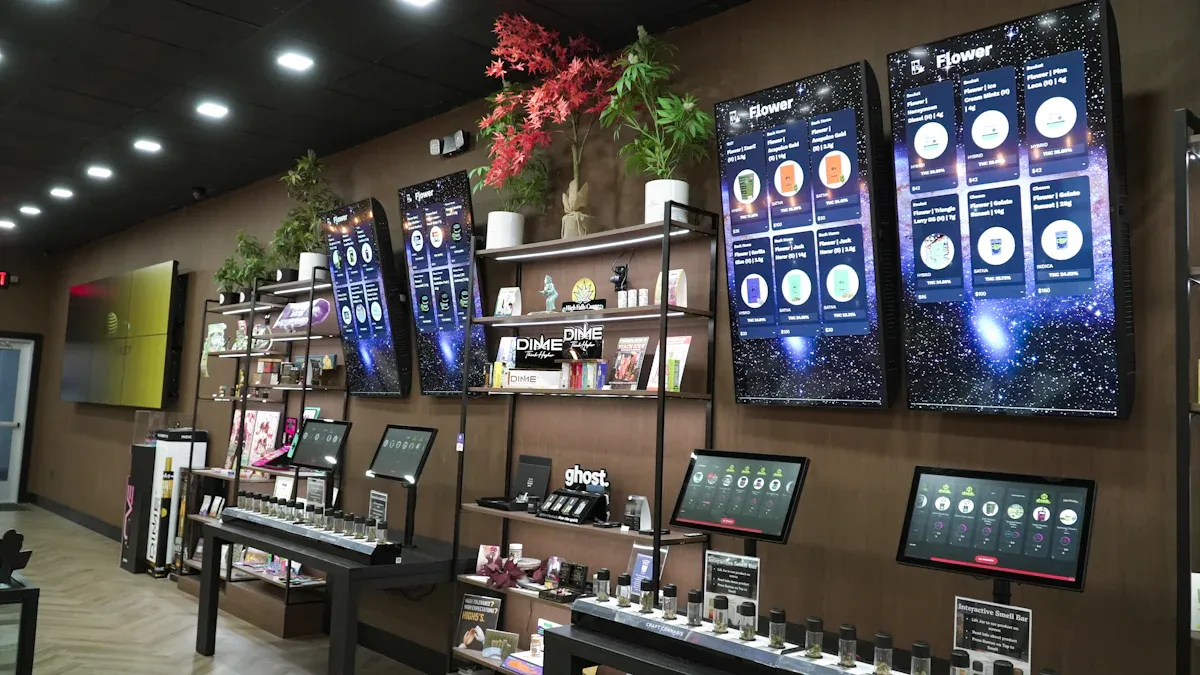
Reducing Reliance on Third-Party Delivery Platforms
Delivery platforms find new buyers fast. Yet, these external services hurt profit.
Steep Commission Rates: Delivery apps charge huge fees. Fees hit 20% to 30%. They destroy small profit margins.
Miscellaneous Operational Fees: Stores pay hidden extra costs. They pay for tech rentals. They pay for account setups. They pay transaction fees too.
External apps double user fees. Apps charge over $3.00 today. First-party apps charge only $1.44. Price dictates choices for 82% of buyers. High fees reduce total store sales.
Building Owned Digital Ordering Platforms
Custom apps regain financial control fast. First-party ordering cuts middleman fees. You offer lower prices to buyers.
💡 Operational Advantage: Custom apps link kitchens to register setups. Staff prepare pickup items quickly. You save high food margins easily.
Integrated apps sync current store inventory. Shoppers view real items before ordering. White-label drivers manage local orders well. Hybrid strategies protect your retail brand. They speed up meal prep workflows.
Securing Customer Data and Brand Control
Delivery apps hide essential shopper information. Third-party apps own user purchasing histories. They control emails and meal choices. You lose direct buyer contact today.
Owned channels capture user logs automatically. You save data on shopping frequencies. You track average order basket sizes. Teams text custom deals to phones. Data control builds strong brand loyalty. It grows long-term customer value.
Modernizing Operations and IT Architecture
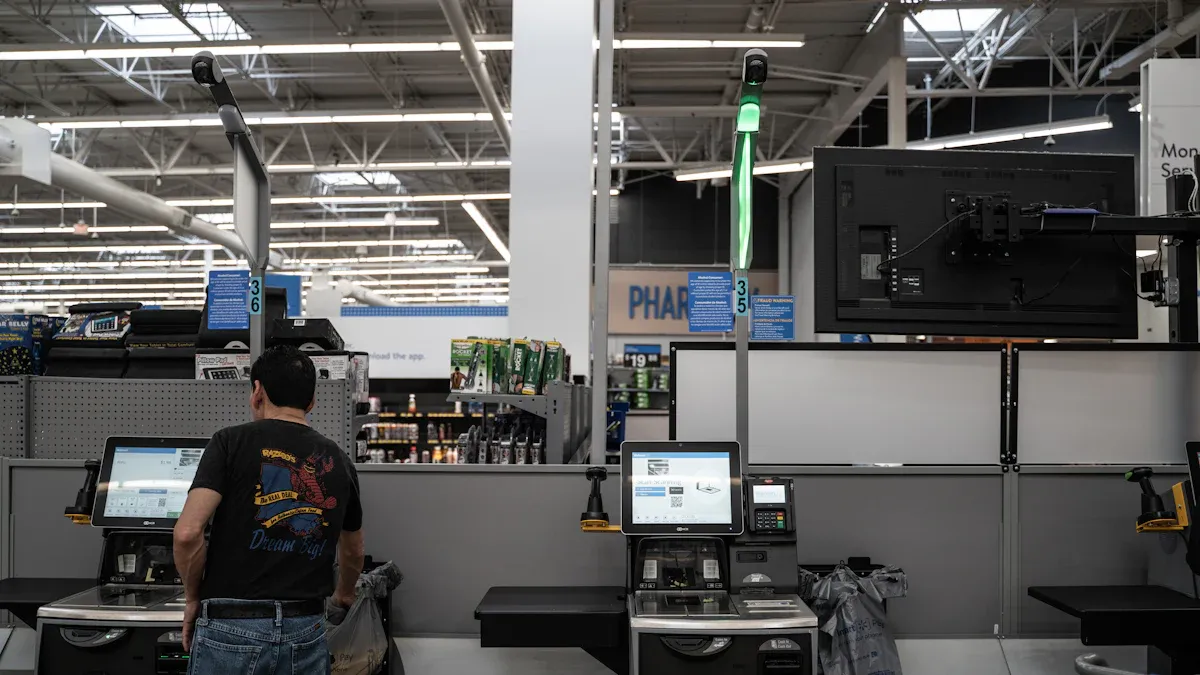
Smart tech speeds up store work. Fast tech cuts checkout line delays.
Frictionless Payments and Contactless Checkout
Fast payment tools help stores work well. Shoppers finish buying goods very fast. Quick deals let stores serve many buyers. Stores make money during rush hours.
Operational Metric | Impact of Frictionless & Mobile Pay Technologies | Supporting Insight / Example |
|---|---|---|
Transaction Speed | Speeds up service to clear lines fast. | Mobile orders move buyers through lines fast. |
Labor Requirements | Cuts staffing needs to lower wage costs. | One worker runs many self-checkout spots easily. |
Labor Deployment | Moves workers from registers to big tasks. | Workers shift to make fresh food fast. |
💡 Efficiency Tip: Self-checkout setups free up your store team. Workers can make food or stock items.
Unifying Data Silos with Customer Data Platforms
Link offline sales with online user records. A central platform links all scattered records.
Data Source | Ingestion Mechanism | Key Data Attributes | Identity Resolution Identifiers |
|---|---|---|---|
Point-of-Sale (POS) | Live API links or batch uploads | Past store purchases and receipt details | Card tokens, buyer emails, phone numbers |
Mobile Loyalty Logs | Smooth app connections across all points | Reward status, point balances, redemptions | Loyalty IDs, phone numbers, phone IDs |
Data setup takes three main steps:
Data Ingestion: Merges store sales with app point records.
Identity Resolution: Connects separated data using phone numbers.
Profile Consolidation: Combines point totals into one shopper profile.
Streamlining Headquarters to Store Communications
Mobile apps connect store bosses to clerks. Leaders send price rules to handheld screens.
Modernization Strategy | Implementation Evidence | Operational & Financial Impact |
|---|---|---|
Standardized Infrastructure & Vendor Reduction | Used standard setups and cut extra contracts. | Simplifies vendor tasks to lower daily costs. |
Centralized Fleet Orchestration | Added remote tools to manage store systems. | Controls thousands of store sites from afar. |
Automated Diagnostics & Self-Healing | Built auto-fixing tools for live error reports. | Cuts site visits and stops system downtime. |
Building a Digital Transformation Roadmap
You need a clear plan to update stores. Many owners buy costly software without goals. This wastes big money fast. A smart plan helps staff change easily. You update systems slowly while keeping shoppers happy.
Assessing Operations and Digital Maturity Stages
Check your current tech level first. Store owners usually fit three tech stages. Finding your stage helps you pick tech.
Maturity Stage | Current Operational State | Immediate Technology Needs |
|---|---|---|
Legacy Foundations | Standalone registers, paper inventory records, non-connected fuel pumps | Integrated POS platforms, digital payment terminals, cloud connections |
Connected Operations | Mobile loyalty apps, basic online ordering, digital inventory tracking | Centralized Customer Data Platforms (CDPs), automated stock alerts |
Advanced Ecosystems | AI recommendations, dynamic pricing, automated curbside fulfillment | GenAI analytics engines, unified omnichannel marketing automation |
Inspect stores using simple tech checks. Look at counter gear during busy hours. See how staff counts stock daily. This review spots slow manual work fast. Your team then fixes actual tech gaps.
Prioritizing High-Impact Use Cases for Rapid ROI
Do not swap all software at once. Massive tech updates cost huge money. They cause risky store problems too. Smart owners pick quick wins first. These easy projects bring fast cash. Store staff supports them quickly as well.
💡 Strategic Rule: Pay for hard updates using fast sales wins. Fix checkout tools first to bring buyers inside.
Focus on these easy projects for cash:
Contactless Mobile Payments: Fix register and pump pay tools. People pay fast using mobile phones. This stops long store lines.
Digital Loyalty Updates: Launch app rewards using cloud tools. Offer fast drink deals in weeks.
Self-Service Checkout Kiosks: Put easy checkout stations near doors. Buyers scan quick snacks fast. This lowers worker tasks.
These quick tools raise store visits easily. They keep store operations working fine. You gain trust and make money.
Executing a Phased Business-Led Transformation
Roll out software using structured steps. Real business goals must guide steps.
Phase 1: Quick Wins (Months 1-3)
├── Contactless Payments
└── Mobile Loyalty App

Phase 2: Core Systems (Months 4-8)
├── CDP Integration
└── POS & Inventory Sync

Phase 3: Advanced Optimization (Months 9+)
├── GenAI Ordering Tools
└── Smart Kitchen Workflows
Test tools in ten stores first. Watch systems and talk with bosses. Check line speeds and app downloads daily.
Fix software bugs using worker feedback fast. Start step two after tests work well. Link register tools with inventory records smoothly. Step three adds smart meal prep tools. It adds GenAI and custom deals too. This careful plan protects store profit margins.
You must use new digital setups. This keeps your business growing strong. Better food options bring in shoppers. Upgraded EV chargers keep shoppers happy. Custom reward programs build loyal customer groups. Think of tech tools as growth engines. Do not treat tech like simple IT support. A clear digital transformation roadmap guides profits. You need this plan for future income.
"The next 12 to 24 months will separate the retailers who thrive from those who fade." - Art Sebastian (NexChapter)
Slow technology updates cause big future risks:
Market Share Loss: Fast tech adopters quickly take your shoppers away.
Decade-Long Catch-Up: Waiting past 2025 hurts your business status. You could spend ten years catching up.
Fix basic store problems today to stay ahead.
FAQ
How do you start convenience store digital transformation?
Check your tech. Find slow tasks. Fix lines fast. Add phone pay. Upgrade app perks. These fixes earn cash. Funds pay for upgrades.
Why should you build a digital transformation roadmap?
A roadmap guides tech plans. It stops costly errors. It keeps teams aligned. You pick top tools. Stores run well. Profits grow fast.
How does EV charging increase in-store retail sales?
Drivers wait long times. They stay 20 minutes. Some stay an hour. Turn waits into sales. Offer clean lounges. Provide fast Wi-Fi. Serve fresh food. App alerts draw buyers.
How do first-party ordering apps protect your store profit margins?
Owned apps cut fees. You save big money. Keep buyer order data. Track past purchases. Text deals to phones. Build strong customer loyalty.
See Also
Examining The Pros And Cons Of Self-Checkout At Walgreens
Comparing Micromarkets And Smart Stores In Global Automated Retail
Understanding How AI-Powered Retail Outlets Shape Future Shopping Trends
