Customer behavior trends in autonomous retail environments in Convenience store chains & small-format grocery.

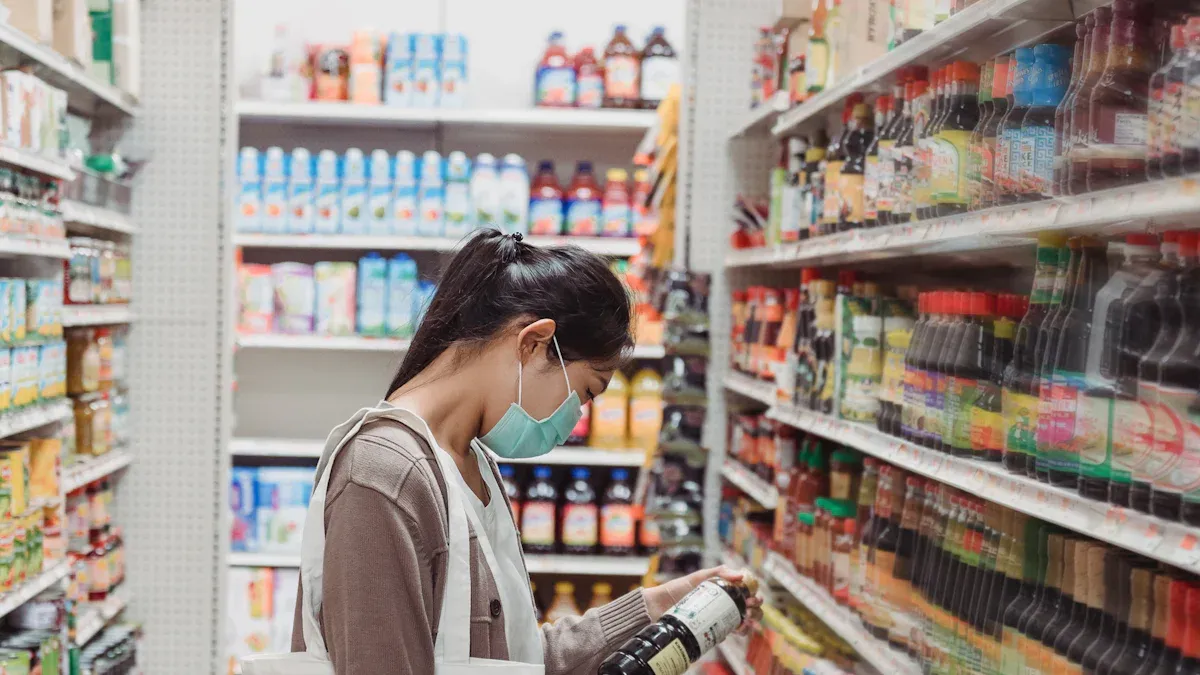
You see new customer behavior trends changing how people shop in convenience store chains and small-format grocery stores. Many shoppers now expect quick and easy checkouts, which comes from the rise of automation. Today, 69.3% of stores use some kind of automation, while 41.7% offer digital self-checkout kiosks. These changes show that you need to focus on customer experience if you want to keep up with what shoppers want.
Key Takeaways
Shoppers now prefer quick and easy checkouts, with 69.3% of stores using automation to enhance customer experience.
Self-checkout systems offer speed and privacy, leading to higher customer satisfaction and repeat visits.
Contactless payment methods are increasingly popular, with 72% of shoppers prioritizing convenience over brand loyalty.
Personalized shopping experiences, driven by data, improve customer satisfaction and encourage loyalty.
Stores must address privacy concerns and ensure user-friendly technology to foster trust and encourage adoption.
Autonomous Stores and the New Convenience Retail Landscape
Defining Autonomous Stores
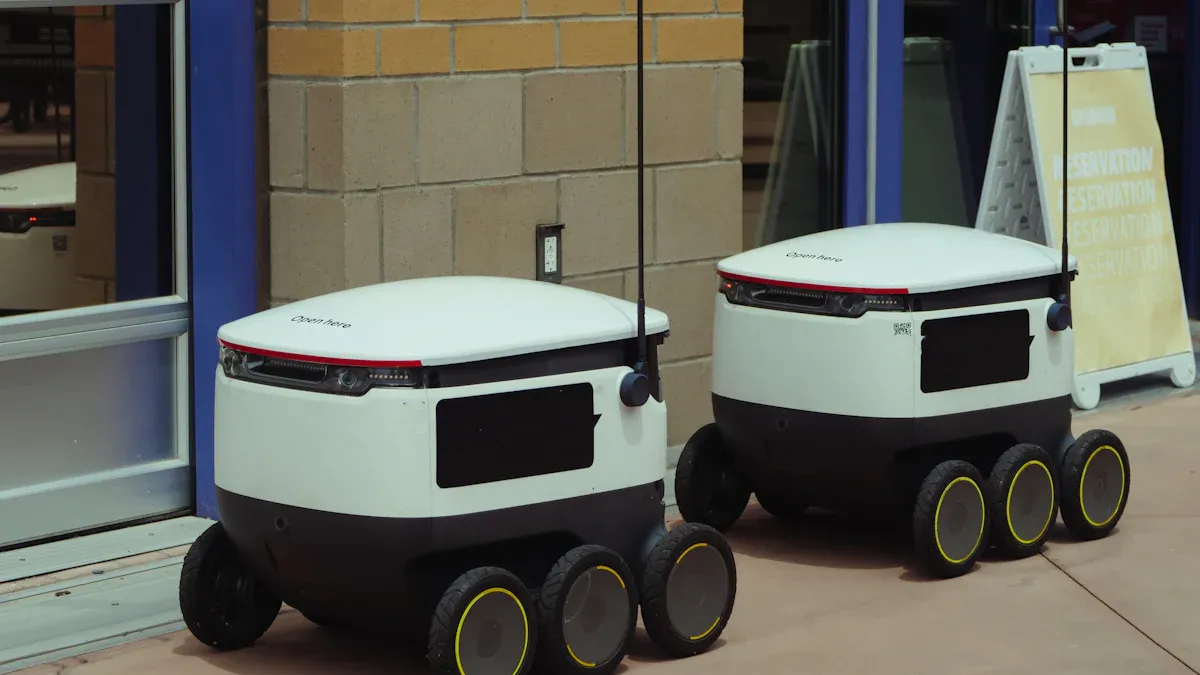
You see autonomous stores changing the way you shop in convenience retail. These stores use technology to let you walk in, pick up what you want, and leave without waiting in line. Sensors, cameras, and artificial intelligence track your purchases. You do not need to talk to a cashier. This new style of shopping makes your visit faster and easier. Many convenience retail locations now offer 24/7 access and contactless shopping, which means you can shop whenever you want.
Key Technologies in Convenience Retail
You notice many new tools in convenience retail. Stores use AI, sensors, and computer vision to create cashierless shopping. These technologies help stores predict what you want to buy and keep shelves stocked. The table below shows how technology shapes convenience retail:
Technology | Impact on Convenience Retail |
|---|---|
Stores like FamilyMart use AI to order smarter and reduce waste. | |
AI-based video analytics | Stores see less theft and faster response to problems. |
Kitchen automation | Robotic chefs help make food quickly and with fewer workers. |
Kitchen Display Systems | Orders become more accurate and food is ready faster. |
Prepared food sales | Over 25% of sales come from fresh food, showing what shoppers want. |
Automation overall | Staff can focus on helping you, making your experience better. |
You also see digital transformation making inventory management easier. Stores use IoT devices and AI to avoid running out of products. Mobile payments and data analytics help stores serve you better.
Why Customer Behavior Trends Matter
You drive the future of convenience retail with your choices. Many shoppers now use AI tools when they shop. Almost 40% of people try AI in stores, and over half of Gen Z shoppers use it often. Most shoppers want AI to help them get rewards and save money. When you choose stores that use new technology, you push convenience retail to keep improving. Small-format grocery and convenience stores lead the way by testing new ideas and setting trends in their communities.
Customer Behavior Trends in Autonomous Retail
You see customer behavior trends changing fast in autonomous retail. Automation now shapes how you shop, what you expect, and how you feel about convenience stores. You want speed, control, and a smooth experience. These trends show up in the way you use technology in stores and how you decide where to shop.
Self-Checkout and Cashierless Shopping
You often choose self-checkout because it saves time and gives you more privacy. Many shoppers now prefer to scan and pay for items themselves. This shift shows that you value autonomy and control over your shopping journey. Stores with self-checkout and cashierless shopping options see more repeat visits because you like the convenience.
Self-checkouts reduce wait times and make shopping faster.
You enjoy more privacy when you do not need to interact with a cashier.
Stores that offer these options see higher customer satisfaction.
You are more likely to return to stores that make checkout easy.
However, you may feel less loyal to a store if self-checkout feels hard to use, especially when you buy many items. When you have a good experience with self-checkout, your loyalty can match that of traditional checkout users. The table below shows how these systems affect your experience:
Key Findings | Description |
|---|---|
Customer Benefits | Cashierless systems give you more convenience and a better shopping journey. |
Negative Impact | You may worry about data privacy, which can lower your loyalty. |
Performance Factors | Good performance and experience make you more satisfied with self-service. |
Contactless and Frictionless Experiences
You now expect contactless and frictionless experiences when you shop. Tap-to-pay and digital wallets have become your go-to payment methods. Automation removes pain points, so you spend less time waiting and more time getting what you need. According to recent studies, 72% of shoppers like you now put convenience above brand loyalty. You want to shop quickly and easily, and you choose stores that help you do that.
Note: The pace of retail keeps getting faster. You set the tone for what stores must offer. Speed, ease, and control now define what makes a store successful.
The table below highlights the most significant customer behavior trends in autonomous retail:
Customer Behavior Trend | Description |
|---|---|
You choose self-checkout more often, showing you want more control. | |
Impact of AI technologies | AI makes your shopping more interactive, enjoyable, and tailored to you. |
Importance of experiential quality | A great experience keeps you coming back and builds your loyalty. |
Perceptions of Convenience and Safety
You care about how safe and easy it feels to use new technology in stores. If you think a store is safe, you feel better about using service robots or automated systems. High-quality interactions with technology make you feel more satisfied and secure. On the other hand, if you worry about risks, you may avoid using autonomous retail technology. Your willingness to try new things grows when you feel confident and see yourself as an innovative shopper.
Aspect | Finding |
|---|---|
Perceived Safety | When you feel safe, you have a better attitude toward using service robots. |
Interaction Quality | Good interactions with technology make you feel safer and more satisfied. |
Consumer Perceived Risk | Worries about risk can stop you from using new technology. |
Innovativeness & Self-efficacy | If you see yourself as innovative, you are more willing to try autonomous retail. |
You drive the future of convenience stores by demanding more convenience, safety, and quality. These customer behavior trends push stores to keep improving and adapting to your needs. As automation grows, you will see even more changes in how you shop and what you expect from your favorite stores.
In-Store Innovations Shaping Trends
Bars, Cafes, and Food Service Integration
You see more convenience stores adding bars, cafes, and food service options. These features make your shopping trip more enjoyable and keep you in the store longer. For example, Whole Foods opened a restaurant bar and a coffee bar in New York City. H-E-B brought new dining choices to its Austin store. Publix now offers olive bars and outdoor seating in its new store designs. When you find food and drinks inside a c-store, you often stay longer and spend more. This trend shows that food and beverage services help boost customer engagement and sales. You notice that c-store operators invest in these changes because they want you to visit more often and enjoy your time in the store.
Note: Food and beverage options in convenience stores are now essential. They help create a better experience and encourage you to return.
Delivery Apps and Subscription Programs
You use delivery apps and subscription programs to make shopping at c-stores easier and faster. These tools help you get what you need without leaving home or waiting in line. For example, 7-Eleven’s 7NOW Gold Pass lets you order almost 3,000 items and get them delivered in about 30 minutes. Circle K’s unlimited car wash subscription brings you back to the store often. Sheetz’s ‘Fryz on Demand’ lets you order fries every two hours, which means you visit the store more. Panera Bread’s Unlimited Sip Club gives you unlimited drinks, so you stop by daily. These programs help c-stores build loyalty and increase repeat visits.
Delivery apps save you time and make shopping more flexible.
Subscription programs give you reasons to return to your favorite c-store.
You feel more connected to brands that offer these services.
Digital Transformation of Shopping
You see digital transformation changing how you shop in convenience stores. Many c-stores use apps and smart tools to make your visit smoother. The table below shows how different stores use digital transformation to help you:
Tool | Features |
|---|---|
Amazon Fresh | Voice-activated help for finding products, recipes, and shopping lists. |
Walmart App | Location-based shopping assistant for easy store navigation. |
Kroger App | Smart assistant for product info, price checks, and personalized tips. |
Albertsons App | Scan for prices and nutrition, get deals based on your past shopping. |
Tesco Clubcard | Personalized discounts and store maps for easier shopping. |
Sainsbury’s | Smart Shop for scanning items and getting special offers. |
Lidl Plus | Digital coupons, personalized offers, and shopping list tools. |
You benefit from these digital transformation tools because they make shopping in c-stores faster and more personal. You can find products quickly, get special deals, and enjoy a better shopping experience. As convenience stores continue to innovate, you will see even more ways technology shapes your shopping habits.
Personalization and Efficiency in Convenience Retail
Data-Driven Personalization
You notice stores using data to create personalized shopping experiences. Technology tracks your customer spending patterns and preferences. Stores send you personalized offers that match what you like. You see personalized discounts and product suggestions every time you shop. This approach makes your shopping journey more enjoyable and relevant.
Personalized content and offers improve your satisfaction.
You feel more engaged when stores use customer behavior analysis to understand your needs.
Personalized shopping experiences help you find products faster and save money.
Stores build stronger relationships with you by offering personalized rewards.
You become a loyal customer when you receive personalized deals that fit your habits.
Personalized offers increase your lifetime value as a customer.
You return to stores that make you feel valued through personalized service.
Customer experience innovations rely on data-driven personalization to keep you satisfied.
Efficient Shopping Journeys
You want convenience every time you visit a store. Technology helps you shop faster and with less hassle. Stores optimize checkout processes and product locations so you spend less time searching.
Efficient shopping journeys make you feel satisfied and encourage you to come back.
You enjoy a multi-sensory experience in physical stores, which boosts your satisfaction.
Stores that focus on convenience stand out and attract more customers.
Hassle-free shopping increases your satisfaction and helps stores stay profitable.
You appreciate seamless navigation and quick payment options.
Repeat Visits and Loyalty
You visit stores more often when you get personalized offers and rewards. Loyalty programs encourage you to return and spend more.
Benefit | Description |
|---|---|
Boost visit frequency | Loyalty programs encourage customers to visit more. |
Increase average spend per trip | Customers spend more with loyalty rewards. |
Build long-term relationships | Loyalty programs foster stronger connections. |
82% of shoppers say loyalty programs make them visit stores more often.
34% visit two extra times because of these programs.
60% return two or more times due to loyalty incentives.
Personalized rewards and convenience keep you satisfied and loyal.
You shape the future of convenience retail by choosing stores that offer personalized service and efficient shopping. Stores use technology to improve your satisfaction and encourage repeat visits.
Challenges and Opportunities for Autonomous Stores
Privacy and Data Security
You may worry about how stores handle your personal information in autonomous retail environments. Many consumers want to know that their data stays safe and private. The table below shows the main privacy and data security concerns you should consider:
Concern | Description |
|---|---|
Anonymization and Pseudonymization | Stores use these methods to protect your identity. |
Informed Consent | You should know why stores collect your data and have the choice to opt out. |
Data Minimization | Stores should only collect what they need to serve you better. |
Robust Data Security Measures | Encryption and access controls keep your information safe. |
Transparent Data Handling Policies | Clear rules help you understand how your data is managed. |
Employee Training and Awareness | Well-trained staff reduce risks of data leaks. |
Third-Party Auditing and Certification | Outside checks make sure stores follow privacy standards. |
Many consumers fear being watched without their consent. Some worry about biometric systems making mistakes or showing bias. You may also feel uneasy about how stores use data from cameras and sensors.
Barriers to Adoption
You might face challenges when using autonomous stores. These barriers can affect your shopping experience and your willingness to return. The table below highlights common obstacles:
Barrier Type | Description |
|---|---|
Accuracy of Product Detection and Billing | Mistakes in scanning or billing can frustrate you. |
Customer Adoption and Understanding | Some consumers hesitate because they do not trust or understand the technology. |
High Initial Investment and Operational Costs | Smaller stores may struggle to afford new systems. |
Technical Glitches and Downtime | System errors can interrupt your shopping. |
Inventory Management Challenges | Fast-moving items can be hard to track in real time. |
Data Privacy and Security Concerns | Worries about data collection may keep you away. |
Shrinkage and Fraud | Errors or theft can cause losses for stores and consumers. |
You may also worry about the misuse of data collected by advanced technologies. These concerns can slow down the adoption of autonomous retail.
Demographic Differences
You see that not all consumers react the same way to autonomous stores. Younger shoppers, like college students, often feel comfortable with new technology. Older consumers may prefer traditional checkout methods. The table below shows important lessons from early adopters:
Lesson Learned | Description |
|---|---|
Customer Understanding | You need to know your shoppers. Older consumers may not accept cashierless technology. |
Technology Integration | Advanced systems can improve service, but not everyone will use them. |
Target Demographics | College campuses work well for unmanned stores because younger consumers adapt quickly. |
You can help bridge these gaps by making technology easy to use and offering support for all age groups. Stores can also partner with community groups to make autonomous retail more accessible.
Tip: Stores should use strong privacy measures, user-friendly designs, and community partnerships to build trust with every consumer.
Future Trends and Strategic Insights
Evolving Customer Expectations
You see customer expectations changing quickly in autonomous convenience retail. Shoppers now want faster service and easier shopping. Most shoppers expect to visit convenience stores at least twice this year. You look for fresh food and healthy options when you shop. Stores now offer more foodservice choices because shoppers want flavorful meals and snacks. Health and wellness matter to you, especially if you are a Gen Z or Millennial shopper. You expect stores to support your well-being with better products.
Trend Description | Evidence |
|---|---|
Increased Visits | 96% of U.S. shoppers are expected to visit convenience stores at least twice in 2024. |
Shift to Foodservice | Foodservice is now a top six category in convenience retail. |
Health and Wellness Focus | Shoppers want products that support their well-being. |
You want convenience and efficiency. Autonomous retail technology helps you shop faster and with less effort. You see stores using new systems to make your experience smoother.
Innovation Opportunities
You find many innovation opportunities in autonomous convenience retail. Stores use automated checkout to help shoppers save time. You enjoy enhanced customer experiences with less waiting. Stores improve operational efficiency and reduce mistakes. You see cost savings as stores spend less on training and labor. Data collection gives stores better insights into what shoppers want. Hyper-personalization makes your shopping journey unique. Experience centers let you enjoy sensory experiences, not just transactions. Robotics help with restocking and customer service. Decentralized checkouts let you pay anywhere in the store. Sustainability matters to you, so stores use eco-friendly practices.
Automated and cashierless checkout
Enhanced customer experience
Operational efficiency
Cost savings
Improved data collection and insights
Hyper-personalization
Experience centers
Robotics integration
Decentralized checkouts
Sustainability as priority
You see autonomous checkouts reduce your time at checkout to about 90 seconds. Shoppers prefer stores that use technology to cut food waste and support the environment.
Preparing for the Future
You can prepare for the future by using new strategies and tools. Stores use AI agents to track planogram compliance and restock orders. Intelligent sales analysis helps stores find what shoppers want. Promotion analysis lets stores adjust deals in real time. Stores monitor local markets to respond to competition. Promotion planning uses price elasticity to balance demand and profit.
Recommendation | Description |
|---|---|
Automated planogram compliance and category improvement | Use AI to track compliance and restock orders. |
Intelligent sales analysis and decision support | Use AI insights to find performance drivers. |
Promotion contribution analysis and optimization | Analyze promotions in real time. |
Proactive competitive response | Monitor markets and recommend countermeasures. |
Promotion planning with price elasticities | Use price elasticity for better promotions. |
Tip: You can use these insights to help your store stay ahead. Focus on what shoppers want and use technology to improve every part of the shopping journey.
You see autonomous retail growing in convenience stores and other sectors. Żabka operates 24/7 without checkout staff, showing how stores can use technology for efficiency. Shoppers now expect stores to be fast, safe, and sustainable. You shape the future by choosing stores that meet your needs.
You see shoppers want both speed and quality when they visit autonomous stores. Many people now look for local and artisan products, so you should adjust your inventory to match these preferences. To adapt, you can use strategies like Agentic AI for personalization, build a strong data foundation, prepare your team, and experiment with new technology.
Strategy | Description |
|---|---|
Agentic AI | Boosts personalization and helps you target customers better. |
Data Foundation | Gives you accurate profiles for smarter decisions. |
Team Preparation | Gets your staff ready for new workflows and automation. |
Experimentation | Lets you test new ideas and improve your store. |
You will see generative AI create more personalized shopping. Cashier-less stores and autonomous delivery will keep growing to meet your need for fast, easy shopping.
FAQ
What are autonomous stores and how do they work?
You enter autonomous stores and shop without waiting for a cashier. Sensors, cameras, and real-time AI track what you take. You pay automatically when you leave. These stores use self-service technology to make shopping fast and easy for every customer.
Why do customers prefer self-service in autonomous stores?
You like self-service because it saves time and gives you control. Autonomous stores let you check out with mobile scan-pay-go apps or grab-and-go options. You enjoy real-time updates and digital receipts. This makes your shopping experience smooth and efficient.
How do autonomous stores use real-time data to improve customer experience?
You see autonomous stores use real-time data to track inventory and customer preferences. This helps staff restock shelves quickly. You get personalized offers and digital promotions. Real-time insights help stores serve you better and keep products available for every customer.
Are autonomous stores safe for customer data?
You can trust autonomous stores to protect your data. They use digital security tools and real-time monitoring. Self-service systems keep your information private. Stores train staff to handle customer data safely and follow strict privacy rules.
What makes autonomous stores different from traditional small-format grocery stores?
You notice autonomous stores use digital and self-service technology. You shop with real-time updates and enjoy faster service. Traditional small-format grocery stores rely on cashiers and manual systems. Autonomous stores focus on customer convenience and digital innovation.
See Also
Understanding Global Trends in Automated Convenience Retail Solutions
Navigating Self-Checkout Systems: Walgreens' Convenience and Hurdles
AI-Driven Corner Stores: Essential Insights for Retailers Today
The Future of Retail: Embracing AI-Enhanced Store Experiences
Upcoming Changes to Walmart Self-Checkout: What to Expect in 2025
