Customer behavior trends in autonomous retail environments in Corporate offices & tech parks.

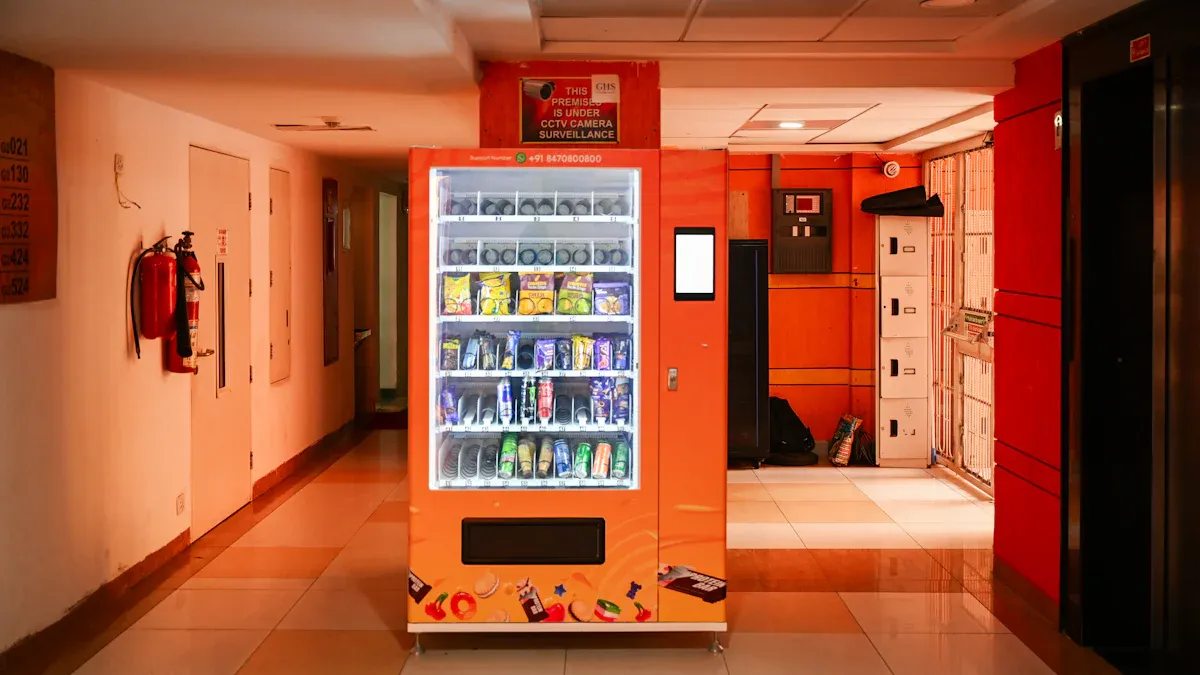
You now see rapid changes in customer behavior trends as autonomous retail grows in corporate offices and tech parks. Most business leaders—90%—believe AI is crucial for success, and 59% of people want to use AI when shopping. Only 9% feel satisfied with in-store shopping, showing a clear shift in expectations.
Statistic/Trend | Value |
|---|---|
Business leaders who say AI is crucial for success | 90% |
People wanting to use AI applications when shopping | 59% |
Satisfaction with in-store shopping | 9% |
These trends help you improve customer satisfaction, optimize inventory, and make smarter decisions. Analytics now give you a competitive edge and streamline your operations.
Benefit | Description |
|---|---|
Enhanced Customer Experience | Understand preferences and behaviors for better satisfaction. |
Optimized Inventory Management | Manage stock levels efficiently, reduce costs, and increase sales. |
Improved Decision Making | Use real-time data for better sales and profits. |
Key Takeaways
Autonomous retail is transforming shopping by eliminating lines and cashiers, allowing you to shop quickly and conveniently.
AI and technology play a crucial role in enhancing customer experiences, optimizing inventory, and improving decision-making for retailers.
You prefer contactless and self-service options, valuing speed and efficiency in your shopping habits.
Personalization and loyalty programs significantly influence your purchasing decisions, fostering emotional connections with brands.
Sustainability and unique shopping experiences are increasingly important, guiding your choices and brand loyalty.
Autonomous Retail Overview
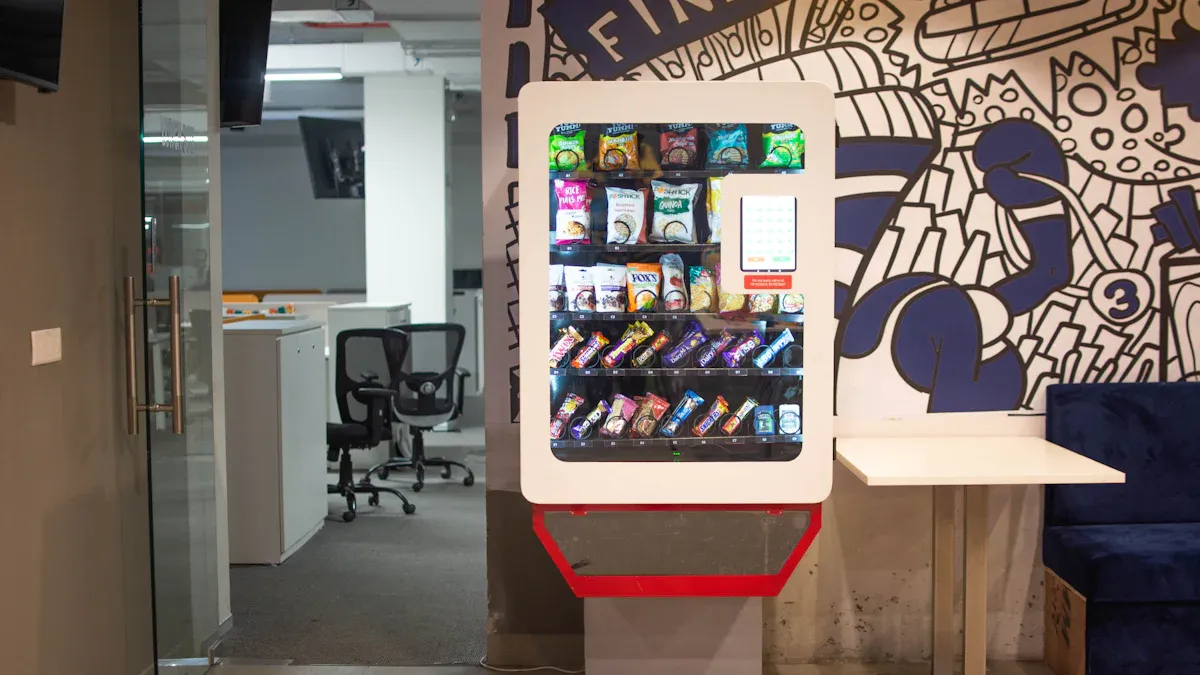
Defining Autonomous Retail
You experience autonomous retail when you shop in a store that operates without on-site staff. These stores use advanced technology to make shopping fast and easy. You do not need to wait in line or interact with a cashier. Instead, you walk in, pick up what you want, and leave. The system tracks your selections and charges you automatically.
Autonomous retail uses several key technologies:
Computer vision systems watch how you move and what you pick up.
Sensor fusion combines data from different sensors to track products accurately.
Artificial intelligence (AI) processes all this information to make sure your shopping is smooth and correct.
This setup removes the need for manual checkouts. You save time and avoid stress. Stores can stay open 24/7, so you can shop whenever you want. Staff can focus on keeping the store running and analyzing data instead of working at the register.
Tip: Autonomous retail helps you get what you need quickly, especially when you have a busy schedule.
Unique Features in Offices & Tech Parks
Autonomous retail in offices and tech parks stands out because it fits the needs of busy professionals like you. These stores often focus on snacks, drinks, and quick meals. You can grab something fast during a short break without waiting in line.
You benefit from:
Quick access: Get what you need in seconds, not minutes.
Peak hour efficiency: Stores handle many shoppers at once, especially during lunch or coffee breaks.
Convenience: You do not have to leave your building or waste time traveling to a store.
This approach helps you make the most of your workday. It also supports your well-being by making healthy options easy to find and buy.
Customer Behavior Trends
Convenience & Speed
You notice that convenience and speed shape your shopping habits in autonomous retail environments. You expect to grab snacks or drinks quickly, especially during busy workdays. Smart coolers and fridges let you pick up items without waiting. You use self-checkout options and contactless payments, which reduce friction and make shopping faster. These modern setups replace traditional vending machines. You see higher basket sizes and more variety, which increases monthly revenue for each location. Real-time data and intuitive interfaces help you find what you need with ease. Customer behavior trends show that you value quick access and efficient service.
Tip: Choose stores with smart technology to save time and enjoy a smoother shopping experience.
Contactless & Self-Service Preferences
You prefer contactless shopping and self-service options. You avoid lines and cashiers. You scan items or use an app to pay. You feel safer and more comfortable with these methods. You trust technology to handle your purchases. You see fewer mistakes and faster transactions. Customer behavior trends reveal that you want seamless experiences and minimal human interaction. You appreciate stores that offer touchless solutions and easy-to-use interfaces.
Purchase Timing & Frequency Shifts
You change your shopping patterns based on your work schedule. You shop more often during breaks or after meetings. You buy smaller quantities but visit stores frequently. You take advantage of stores that stay open 24/7. You enjoy flexibility and convenience. Customer behavior trends indicate that you make purchases when it fits your routine. You value stores that adapt to your timing and needs.
Personalization & Loyalty
You engage more with stores that offer personalized rewards and loyalty programs. You want flexible choices and earning paths. You feel emotionally connected to brands that understand your preferences. You join programs that foster community and shared identity. You see that 79% of customers say loyalty programs influence their decisions. Brands with emotional connections to customers outperform competitors by 85% in sales growth.
Aspect | Evidence |
|---|---|
Emotional Connection | Loyalty programs help build emotional connections, leading to stronger customer relationships. |
Personalized Experiences | Customers prefer flexible reward choices and personalized earning paths, enhancing engagement. |
Community Ties | Programs that foster community features and shared identity strengthen loyalty. |
Data Insights | 79% of customers say loyalty programs influence their purchasing decisions. |
Emotional Connection Impact | Companies with emotional connections to customers outperform competitors by 85% in sales growth. |
You buy more often from brands with loyalty programs. You choose stores that align with your values and causes. Customer behavior trends highlight the importance of personalization and emotional connection.
Technology Adaptation
You adapt quickly to new technology in autonomous retail environments. You use apps, QR codes, and digital wallets. You trust AI and sensor systems to track your purchases. You enjoy intuitive interfaces and real-time updates. You learn to use new tools and features. You expect stores to keep up with the latest technology. Customer behavior trends show that you embrace innovation and look for smart solutions.
Sustainability & Experience-Centric Shopping
You care about sustainability and unique shopping experiences. You support brands with corporate social responsibility (CSR) initiatives. You choose stores that use eco-friendly packaging and promote green practices. You value authentic storytelling and emotional connections. You respond to brands that use AR and VR to enhance engagement. You see that CSR efforts shape brand identity and trustworthiness.
CSR initiatives increase customer engagement and improve brand perception.
Unique experiences help brands stand out in a competitive market.
Emotional connections through storytelling foster loyalty among Gen Z and Millennials.
Innovative technologies like AR and VR boost customer retention.
Customer behavior trends reveal that you make choices based on sustainability and memorable experiences.
Omnichannel Behaviors
You use multiple channels to shop and interact with brands. You switch between apps, websites, and physical stores. You expect seamless integration and consistent experiences. You track your rewards and purchases across platforms. You value stores that connect online and offline options. Customer behavior trends show that you want flexibility and convenience in every interaction.
Note: Omnichannel shopping lets you enjoy the best of both digital and physical worlds.
You see that age and job role influence your choices. Teenagers focus on appearance and brand, while older adults care more about price and value.
Age Group | Consumer Behavior Characteristics |
|---|---|
Teenagers | Less interested in health care products, more focused on appearance and brand. |
Older Adults | More concerned with price and value when making purchasing decisions. |
You adjust your shopping habits based on your needs and preferences. Customer behavior trends continue to evolve as technology and workplace culture change.
Retail Strategy Impact
Product Mix Changes
You see product selections change as customer behavior trends shift in autonomous retail. Stores in tech parks and offices now offer more healthy snacks, ready-to-eat meals, and drinks. You find items that match your busy schedule and health goals. Retailers use real-time data to track what you buy most often. They adjust inventory quickly to keep popular products in stock. You notice fewer slow-selling items and more seasonal or trending products. This approach helps you get what you want, when you want it.
In-Store Engagement Evolution
You experience new ways to interact with stores. Retailers use technology to make shopping more personal and engaging. You may see chatbots that answer your questions or virtual reality try-ons for certain products. These tools help you decide what to buy without needing a salesperson. Stores use customer data to offer you special deals or suggest products you might like. You feel more connected because the store remembers your preferences.
New customer interaction technologies give you a more personal experience.
Chatbots and virtual try-ons help you shop faster and smarter.
Stores use your data to make shopping easier and more fun.
Workplace Integration
You benefit when autonomous retail connects with your workplace tools. Many stores now link with workplace apps, making it easy to order food or track rewards. Some companies offer employee benefits, like discounts or loyalty points, for using these stores. Communication strategies also improve your experience. You get updates and offers right on your phone. Stores use mobile-first platforms and targeted messages to keep you informed.
Strategy | Description |
|---|---|
Empower store teams with bottom-up communication | You can share feedback, helping stores improve. |
Stores track how well messages work and make changes as needed. | |
Go mobile-first | You get instant updates on your device. |
Build a connected community | You feel part of a group through shared channels. |
Consolidate tools into one platform | You find all messages in one place, making things simple. |
Target the right information to the right people | You receive messages that matter to you. |
You see how these changes make shopping at work easier and more enjoyable. Customer behavior trends continue to shape how stores serve you every day.
Employee Experience & Culture

Convenience & Well-being
You experience greater convenience when you use autonomous retail in your workplace. Micro autonomous stores give you quick access to healthy snacks and meals. You do not need to leave your office or wait in long lines. This saves you time and helps you stay focused on your work. When you have easy access to nutritious food, you make better choices for your health. This leads to higher satisfaction and more energy during the day. You also feel more engaged at work because you spend less time away from your desk. Autonomous retail uses technology to handle routine tasks, so you can focus on more important activities. This shift increases your productivity and job satisfaction. You find more meaning in your work and feel a stronger sense of purpose. These changes show how customer behavior trends shape the modern workplace.
Tip: Take advantage of these stores to boost your well-being and make your workday smoother.
Privacy & Trust
You may wonder how your data is used in autonomous retail environments. Many stores use cameras and sensors to track what you buy and how you move. This helps improve your shopping experience, but it also raises concerns. You might worry about how much data is collected and who can see it. You may also fear that your information could be misused or exposed in a data breach. To feel safe, you want stores to be clear about their data policies and use strong privacy protections.
Cameras and sensors collect data about your movements and purchases.
You may worry about how this data is stored and used.
You want retailers to be transparent and protect your privacy.
When stores address these concerns, you feel more comfortable using autonomous retail. Trust grows when you know your information is safe. As customer behavior trends evolve, privacy and trust remain important for a positive employee experience.
Future Outlook
Emerging Behavior Trends
You see new shopping habits forming in autonomous retail environments. Customers now use social media, chatbots, and AI-driven platforms to connect with brands. You expect fast shipping and real-time inventory updates. You want stores to support causes that matter to you, like sustainability and social awareness. You look for instant gratification and quick access to products. You value personalized experiences, but you also care about privacy.
Tip: Stay informed about new technologies and trends. This helps you make smarter choices when shopping.
You notice that physical stores still play a big role. You want digital and physical experiences to blend smoothly. You enjoy shopping in stores that use technology to make your visit easier and more fun. You see more stores using cashierless systems and robotic inventory tools. These changes help you shop faster and with less hassle.
Anticipated Retail Shifts
You can expect several changes in retail strategies as customer behaviors evolve. Stores will use new channels for digital engagement. Brands will connect with you through social media, chatbots, and AI-powered platforms. You will see more focus on sustainability and social awareness. Retailers will offer products that align with your values.
New digital engagement channels
Sustainability and social awareness
Instant gratification with fast shipping
Blending digital and physical store experiences
Experience-driven shopping with personalization and privacy
Stores will use AI-driven inventory tools to predict demand and prevent stockouts. You will see more autonomous retail solutions, like cashierless stores and robotic inventory systems. These tools make shopping smoother and help stores run better.
Advanced robots will start to help you in stores. They will answer your questions and give you product information. You may feel unsure at first, but these robots will become more common by 2025. You will see them taking on complex roles and making your shopping experience easier.
Note: The future of autonomous retail will focus on speed, convenience, and personalized experiences. You will benefit from smarter technology and better service.
You see how new shopping habits shape autonomous retail in offices and tech parks. When you use workforce optimization tools and cloud scheduling, you match staff with busy times and improve service. You can lead by example, keep your team informed, and encourage open communication. Give your managers freedom to make decisions and offer training often. These steps help you build trust, boost morale, and create a better shopping experience for everyone.
FAQ
What makes autonomous retail different from traditional stores?
You shop without cashiers or lines. Technology tracks your purchases. You pay automatically. You save time and enjoy a smoother experience. Stores stay open all day, so you can shop whenever you want.
How does autonomous retail protect your privacy?
Stores use cameras and sensors to track items, not people. They keep your data safe with strong security. You can ask about their privacy policy. You control your information.
Tip: Always check how your data is used before shopping.
What if you have trouble using the technology?
You can find help through in-store guides or mobile apps. Many stores offer easy instructions. Some have support teams you can contact. You learn quickly with simple steps.
Do autonomous stores offer healthy food options?
Yes! You find fresh snacks, salads, and drinks. Stores update products based on what you buy most. You get more choices for a healthy lifestyle.
See Also
Comparing Micromarkets And Smart Stores In Global Retail
The Future Belongs To Stores Enhanced By AI Technology
Understanding The Growth Of AI-Driven Corner Shops For Retailers
Examining Walgreens Self-Service Checkout: Benefits And Hurdles
Enhancing Office Efficiency Through Intelligent Vending Machines
