How to Prevent Data Breaches in Airport Retail AI Environments

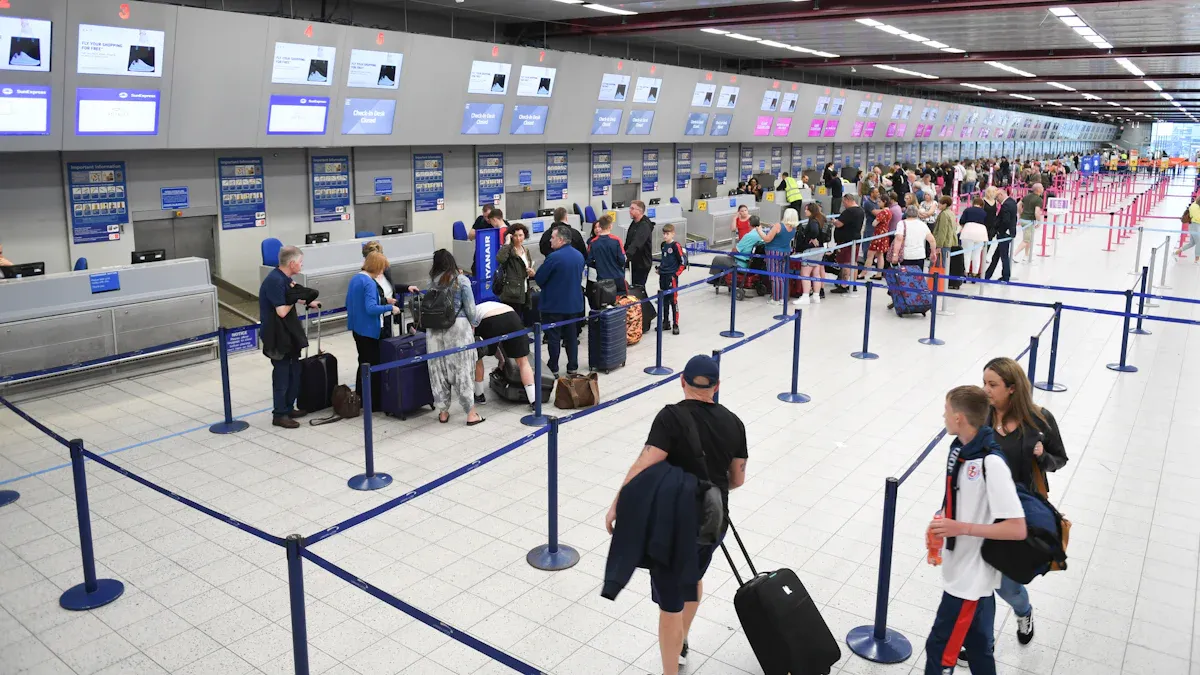
You can stop data breaches in airport retail AI places by using smart tools that keep information safe. AI-driven tools, like video cameras and facial recognition, help you find threats fast and keep out people who should not be there. These systems send alerts right away and watch movements to make your area safer. The world market for aerospace artificial intelligence is growing quickly because these tools make data security better. You also need to respect customer privacy while making things work well and stay safe.
Key Takeaways
Use AI-driven tools like video cameras and facial recognition to make security better and find threats fast.
Update your security systems often to guard against new cyber threats and weak spots.
Only collect the data you need, so you keep customer privacy safe and lower risks.
Watch things in real-time to act fast if something looks wrong and make everyone safer.
Teach staff about security rules and why telling about risks helps keep the place safe.
Data Security Risks in Airport Retail AI
Unique Threats in Airport Retail
Airport retail has special risks because it uses lots of personal and payment information. Hackers like to attack these places since travelers use credit cards and share details. Sometimes, people who work there can use data the wrong way. Weak systems can let outsiders steal information. You have to watch out because risks change fast as technology gets better.
Tip: Always keep your security systems updated to stop new threats.
AI System Vulnerabilities
AI systems help airport retail work better, but they also bring new risks. If you do not protect them, hackers can break in and steal important data. AI tools that handle payments or track items can be attacked by ransomware. You need strong data security to keep criminals from using weak spots.
Here is a table that shows the main risks experts found:
Risk Type | Description |
|---|---|
Customer Data Exposure | Travelers’ personal details, like names and biometric data, can be stolen by hackers or used wrongly by workers. |
Payment Data Vulnerabilities | AI systems that handle payments are targets for stealing credit card and payment details, and ransomware attacks are going up. |
Operational Data Threats | Hackers can use weak spots in systems that control inventory and safety. |
Sensitive Data at Risk
Airport retail AI uses many kinds of sensitive data. Passport control, reservation, and flight systems keep information that can cause big trouble if leaked. Data breaches can mess up operations, delay flights, and even risk passenger safety. Rules like GDPR make you build strong ways to protect data. These rules help you keep data safe, follow laws, and make security better. When you use AI, you must keep things private and safe while working well.
AI Security Measures and Technologies

Real-Time Monitoring and Threat Detection
Real-time monitoring helps you find threats early. AI systems watch cameras and sensors all the time. They send alerts if something strange happens. You get warnings fast, so you can fix problems quickly. This keeps your store safe and stops trouble from spreading.
AI looks for odd actions and tells your team right away.
Automated questioning and sentiment analysis help find risks fast.
Staff can act quicker and cut false alarms by up to 80%.
Tip: Real-time monitoring helps you respond faster and makes staff work better.
Here is a table showing common AI security methods in airport retail:
Method | Description |
|---|---|
AI-Powered Digital Signage | Uses exception-based reporting to manage threats. |
Real-Time Suspicious Activity | Cameras and signage help you respond before threats grow. |
Customer Tracking | Maps movement to protect products and analyze traffic. |
Identify Repeat Offenders | Facial recognition stops theft by finding repeat offenders. |
Behavior Analytics | Spots patterns and sends alerts for quick action. |
Skeleton Analysis | Looks at body movements to find suspicious behavior. |
AI-enabled People Counters | Uses signal detection and machine learning to watch movement. |
Anomaly Detection | Finds unusual actions and sends alerts when needed. |
Biometric and Facial Recognition Security
Biometric systems use things like fingerprints or faces to check who people are. Facial recognition lets only trusted people into secure areas. This keeps thieves out and protects important spaces. Biometric authentication also makes identity checks faster, so customers do not wait long.
Biometric systems stop fraud and identity theft.
Facial recognition lets authorized staff in and blocks others.
Contactless checks keep things clean and safe in busy airports.
Note: Biometric security makes customers happier and keeps your store safe from people who should not be there.
Encryption and Access Controls
Encryption turns your data into secret codes. Only people with the right keys can read it. Access controls let only trusted staff see sensitive information. You protect customer details, payment data, and records from hackers.
Here is a table showing how encryption and access controls work:
Evidence Type | Description |
|---|---|
Edge-level Protection | Template data is encrypted right when created, keeping it safe before sending. |
Processing Protection | Calculations happen in encrypted spaces, so data stays secure during use. |
Comprehensive Key Management | Key management stops even system admins from seeing private data. |
End-to-End Encryption | Passenger identity, scan images, and access credentials are encrypted from start to finish. |
Multi-layer Firewalls | Firewalls, VPNs, and intrusion systems protect digital elements. |
Continuous Monitoring | SIEM tools watch for breaches and alert you if something goes wrong. |
Military-grade AES-256 | Advanced encryption keeps data safe from creation to storage. |
Transmission Security | TLS 1.2/1.3 protocols protect data as it moves between systems. |
Database Encryption | Anonymous templates are stored with AES-256 encryption. |
SSH for Remote Logins | Secure Shell (SSH) protects remote logins for aviation systems. |
SFTP for File Transfers | Secure File Transfer Protocol (SFTP) keeps file transfers safe. |
Prevention of Interception | SSH and SFTP stop attackers from intercepting or changing communication. |
Alert: Encryption and access controls are very important for strong data security in airport retail.
Automated Screening and Data Discovery
Automated screening uses AI to check passengers and staff quickly. AI finds risky behavior and helps you give special offers to shoppers. You can manage inventory and staff based on what is needed. This makes your store run better and keeps sensitive information safe.
Here is a table showing the latest advancements:
Advancement | Description |
|---|---|
Passenger Behavior Analysis | AI analyzes passenger behavior to personalize advertising and retail offers. |
Inventory and Staffing Management | AI manages inventory and staffing based on predicted demand. |
Tip: Automated screening and data discovery help you find risks and make your store work better.
AI security technologies stop people who should not get in and keep data safe. You can use analytics to cut false alarms and help your team know more. Multi-sensor fusion links detections across devices, so you can filter normal activity and spot threats. Automated response workflows send alerts fast and help your team act quickly. These tools also help you follow rules and connect access control with CCTV and intrusion detection.
Real-time threat detection sends alerts for quick action.
AI systems spot unauthorized people and strange behaviors.
Biometric authentication stops fraud and speeds up checks.
You face challenges like following laws, keeping privacy safe, and handling insider threats. You need real-time processing and must connect AI with your current security systems. When you use these technologies, you make your airport retail safer and protect sensitive data.
Efficiency and Privacy Balance
Minimizing Data Collection
Airport retail AI systems can work well without taking too much personal information. Only collect the data you really need for your work. This keeps customer privacy safe and lowers risk. Show data in a way that is easy for your team to read. AI can help you guess what will happen next, so you do not need to save extra details. When you handle all your data together, you stop confusion and use your resources better.
Take just the data needed for daily work.
Use AI to guess trends instead of saving lots of personal data.
Make your data simple to read and use.
Keep all your data together to stop mistakes and confusion.
Tip: Less data means less risk. Focus on good data, not more data.
Transparency and Consent
You earn trust from customers by being open about how you use their data. Always tell people what you collect and why you need it. Let them know how AI helps your store work better. Ask for their permission before using their data, and tell them if things change. Use clear words and easy signs so customers feel safe and in control.
Explain your data rules in simple words.
Get permission before you collect or use data.
Tell customers if you change how you use data.
Make it simple for customers to find out about your AI systems.
Note: Being open and asking for consent helps customers feel safe and respected.
Customer Opt-Out Options
You should always let customers choose. Some people may not want AI to use their data. Give clear opt-out choices that are easy to find and use. This shows you respect what customers want and helps you follow privacy laws. Even if customers say no, you can still keep your store safe and running well.
Here is a table with best ways to balance efficiency and privacy:
Best Practice | Description |
|---|---|
Secure storage and controlled access | Keep sensitive data safe and limit who can see it. |
Transparency with passengers | Tell passengers how you use and protect their data. |
Opt-out options | Let passengers choose not to use automated systems. |
Regular audits and control mechanisms | Check your systems often to make sure you follow privacy rules. |
Testing algorithms for bias | Test your AI to make sure it treats everyone fairly. |
Alert: Giving customers choices builds trust and keeps your business strong.
Case Studies and Lessons Learned
Successful Prevention Examples
Airports can stop data breaches before they happen. Changi Airport in Singapore uses AI-powered cameras and biometric gates. These tools help staff find threats and keep out the wrong people. Heathrow Airport in London uses real-time monitoring to catch strange actions. Staff get alerts if someone tries to go where they should not. In the United States, airport shops use facial recognition to stop repeat offenders from stealing. Workers also learn how to spot risks and report them quickly.
Tip: Using smart technology and trained staff makes airport retail safer.
Here is a table that shows what these airports do:
Airport | Main Security Tool | Result |
|---|---|---|
Changi | Biometric gates, AI cams | Fewer breaches, faster checks |
Heathrow | Real-time monitoring | Quick response to threats |
US Airports | Facial recognition | Less theft, safer stores |
Insights from Past Breaches
Looking at past mistakes helps you avoid them. Many airports learned from data breaches. Here are some important lessons:
Cybersecurity keeps customer information safe in airport shops.
Strong security rules stop hackers from getting in.
Unique and updated passwords lower the risk of stolen logins.
You should always update your systems and train your team. Using strong passwords and checking security often keeps airport retail safe. These lessons show you need good technology and smart habits to protect your business.
Alert: Do not ignore small risks. One weak password can cause a big problem.
You can keep airport retail safe by using good security steps. Make safety important for everyone. Use standards like IEC 62443 to protect systems. Keep networks safe with firewalls and checks. Protect both data and physical areas. Train staff so they know what to do. Share safety news with your team often. The table below lists important actions you should take:
Best Practice | Description |
|---|---|
Adopting IEC 62443 standards | Secure systems against cyber threats and keep business running. |
Secure airport networks | Use firewalls and audits to block attacks. |
Staff Training and Awareness | Teach staff to spot and report risks. |
Transparent Communication | Share safety news with everyone. |
Always pay attention and make security a daily habit.
FAQ
What is the most important step to prevent data breaches in airport retail AI?
You must update your security systems often. This stops hackers from finding weak spots. Train your staff so they know how to spot risks.
How does AI help keep customer data safe?
AI watches for strange actions and sends alerts fast. You can use AI to block unauthorized access and protect sensitive information.
AI makes your store safer by finding threats early.
Can customers choose not to use AI systems?
Yes, you can offer opt-out options. Customers can decide if they want their data used by AI. This builds trust and follows privacy laws.
Option | Benefit |
|---|---|
Opt-out | Respects privacy |
Opt-in | Personalized service |
What types of data do airport retail AI systems protect?
You protect personal details, payment information, and travel records. AI systems keep this data safe from hackers and misuse.
Personal details
Payment data
Travel records
Why should you test AI algorithms for bias?
Testing for bias ensures fair treatment for all customers. You can use regular audits to check if your AI treats everyone equally.
Fair AI builds trust and keeps your business strong.
See Also
Understanding AI-Driven Convenience Stores for Modern Retailers
The Future of Retail Lies in AI-Enhanced Stores
Walgreens Self-Checkout: Balancing Convenience and Retail Hurdles
Smart Technology in Vending Machines: A Retail Revolution
The Influence of Cloudpick Vending Machines on Healthy Choices
