How to Create a Digital Transformation Roadmap for Your Convenience Store

You need a digital transformation roadmap to help your convenience store stay competitive. Digital tools let you do work faster, save money, and make customers happy. Studies show self-service tech can cut labor costs by up to 70%. AI-driven personalization helps keep customers coming back. Autonomous technology can help you sell 25% more.
Impact Area | Description |
|---|---|
Operational Efficiency | Self-service tech cuts labor costs by 70%. |
Customer Satisfaction | AI makes customers happier and more loyal. |
Revenue Growth | Autonomous tech can boost sales by 25%. |
Convenience stores are now places for travel and stops. You can bring in more families and women with better services and longer visits. New technology and more product choices help you give customers what they want.
Key Takeaways
A digital transformation roadmap helps stores keep up with others. It does this by adding new technology to make work easier and customers happier.
Self-service technology can lower labor costs by up to 70%. AI-driven personalization helps customers want to come back.
Setting clear goals that match market trends is important. For example, selling healthier snacks and making online ordering simple can make customers happier and increase sales.
Training staff often on new digital tools is important. This helps your team feel sure of themselves and able to help. It leads to better customer service and store results.
Working with tech companies can speed up your digital transformation. It gives you new tools and expert help.
Digital Transformation Roadmap Overview

What It Means for Convenience Stores
A digital transformation roadmap is a plan for your store. It helps you bring in new technology. The plan shows which tools to use. It tells you how to train your team. It helps make shopping better for customers. You can use the roadmap to connect store systems. It helps your team work well together. It gives customers more ways to shop.
Here are the main parts of a digital transformation roadmap for convenience stores:
Key Component | Description |
|---|---|
Modern Technology Architecture | Lets you add new tools easily and connect everything together. |
Effective Operating Models | Shows how your team and store will change and grow. |
Customer Experience | Makes shopping better for your customers using digital tools. |
Omnichannel Strategies | Gives shoppers a smooth experience in-store, online, and on mobile. |
Operational Excellence | Helps your store work faster and smarter with less waste. |
You need this roadmap because customers want more now. They look for fresh food and more choices. They want easy ways to shop anytime. Just staying open longer is not enough. Adding new items is not enough. You must use digital tools to meet these needs.
Key Benefits
When you use a digital transformation roadmap, your store changes a lot. Shopping gets easier and more fun for customers. Your team works better and faster. Many stores see higher sales and happier customers when they use digital tools.
Tip: Stores like 7-Eleven and BP use loyalty apps and mobile payments. These tools help keep customers coming back and boost sales.
Some key benefits include:
Personalized shopping with loyalty programs and mobile apps.
Faster checkout with new POS systems and contactless payments.
Better stock management using inventory tools.
Higher customer loyalty and more repeat visits.
You can see how top stores use digital transformation. They offer new menu items and better service. They make shopping simple. This roadmap helps you keep up with other stores. It helps you meet what customers want.
Assess Digital Maturity
Review Current Technology
You need to know how your store is doing before you make changes. Start by checking the technology you use each day. Look at your point-of-sale (POS) system, inventory tools, and customer apps. Many stores use digital solutions to make work easier and faster. Upgrading your POS system can make checkout quicker. This helps customers spend less time waiting. They get more time to shop. Some stores saw sales go up by 20% during busy times after making this change.
Here are some common tools and frameworks that help you check your digital maturity:
Framework/Tool | Description | Purpose in Digital Maturity Assessment |
|---|---|---|
Inventory Management | Tracks stock levels and manages inventory efficiently. | Makes work easier and helps customers. |
Point-of-Sale (POS) | Processes sales and manages customer data. | Helps track sales and learn about customers. |
Mobile Integration | Connects mobile devices with store operations. | Makes customers more interested and happy. |
Jolt | Digital platform for staff training and progress tracking. | Helps staff learn new skills and change. |
PlayerLync | Updates training materials and lessons quickly. | Keeps staff up-to-date with new information. |
Data Analytics Tools | Analyzes sales data and customer behavior. | Helps you make smart choices and find ways to grow. |
You can use mobile POS, self-service kiosks, and cloud software to manage inventory and prices. These tools help you see your stock right away. They cut down mistakes and save your team time. Digital signs and AI-powered systems, like those used by Wesco, can finish transactions in less than 20 seconds and help stores earn more money.
Identify Pain Points
After you check your technology, look for things that slow you down. Many stores still use paper to track sales or inventory. This wastes time and makes it hard to see what is happening. You might notice slow checkouts, running out of items, or trouble meeting customer needs.
Common pain points include:
Using paper slows down daily work.
Not having real-time data makes decisions harder.
Managing inventory in many places is tough.
Staff have trouble learning new systems.
Keeping customers coming back is a challenge.
When you find these problems, you can see where digital tools help most. Moving away from paper and manual work gives you better control. You can focus on helping customers and growing your store.
Set Transformation Goals
Align with Market Trends
You need to make goals that fit what customers want now. Convenience stores change quickly. Your digital transformation roadmap helps you keep up. Many shoppers want easy online orders and rewards programs. Mobile ordering and buying data make shopping fast and simple.
More people want healthy snacks like almonds and fruit bowls. They do not want chips or candy as much.
People care about the planet. They pick stores that cut waste and sell products from good sources.
Shoppers want fast service and good products at the same time.
Many customers look for local or special items. These products help your store stand out and support your area.
You can use these trends to set your goals. For example, you could add healthy snacks or start recycling. You might use technology for online orders or better rewards.
Define Success Metrics
You need to check your progress to see if your goals work. Success metrics help you track how your digital transformation roadmap does. You can use key performance indicators (KPIs) to check your results.
KPI Type | Description |
|---|---|
Return on Digital Investments | Measures the relationship between revenue generated and costs incurred during digital transformation. |
Employee Productivity | Assesses how new technologies impact the efficiency and output of employees. |
Customer Experience (CX) | Evaluates customer engagement and satisfaction with services and products. |
Technology Reliability | Monitors the uptime and performance of digital tools and platforms. |
You can also measure success in these ways:
Ask customers if shopping is easy in your store.
Check if customers feel happy with your service.
Find out if customers tell friends about your store.
Track how often your systems work well.
Measure how fast you fix problems.
When you set clear goals and check your progress, you can make smart changes. This helps your store grow and keeps customers coming back.
Enhance Customer Experience
Personalization Tactics
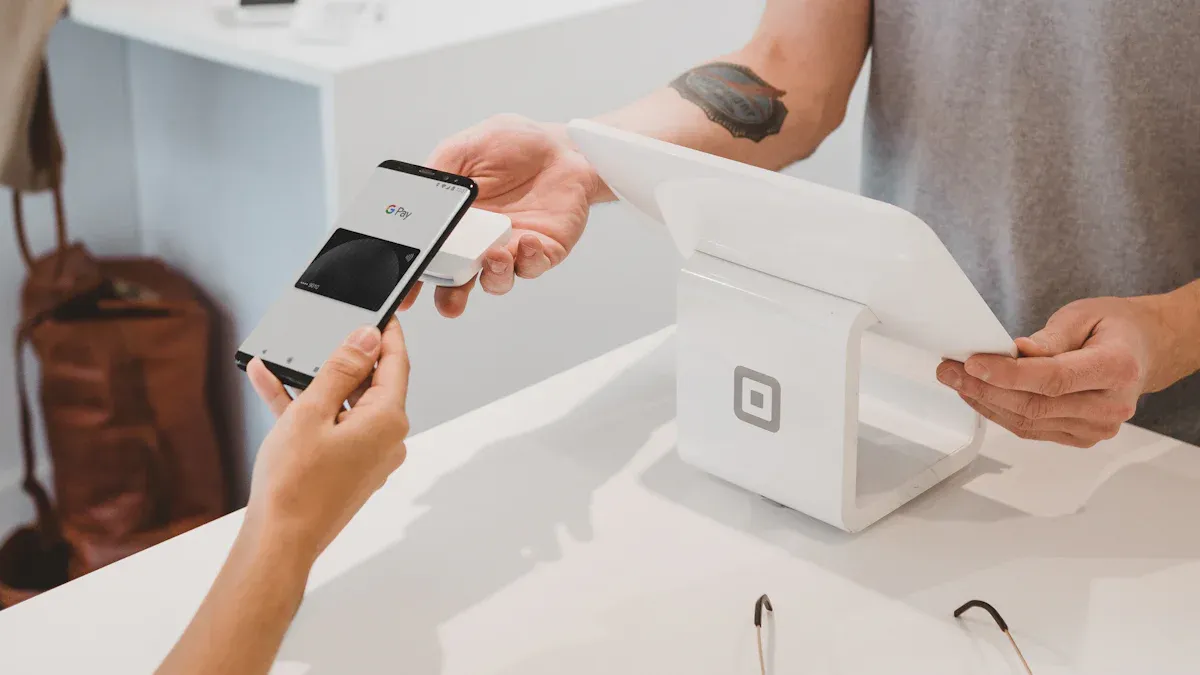
You can make shopping feel special for your customers. Mobile apps help with this. These apps let customers look for items and use coupons. They can pay fast with their phones. You can send offers that fit each person. Stores like Speedway use these apps and see lots of people download them. Over a million people have their app.
Mobile apps help customers find deals and products fast.
Personalized offers make shoppers feel important.
Special promotions show you care about your customers.
Apps help you run loyalty programs and collect data.
Giving digital rewards makes shopping more fun.
Tip: Special deals and rewards make customers visit your store more.
Streamlined Checkout
Quick checkout makes customers happy. You can use self-service kiosks so shoppers order and pay alone. Contactless payments let customers tap cards or phones. This makes paying faster. Mobile checkout lets staff help customers anywhere in the store. These tools cut lines and make shopping easier.
Self-service kiosks help customers wait less.
Contactless payments make paying fast.
Mobile checkout lets staff help customers right away.
Studies show faster checkout makes customers happier. When you speed up checkout, you build loyalty. Shoppers come back more often.
Loyalty Programs
Digital loyalty programs help you keep customers coming back. You reward shoppers for every purchase. This makes them want to return. Making the program fun keeps customers interested. People in loyalty programs spend 38% more than others.
Loyalty Program Feature | Impact on Customer Retention and Sales |
|---|---|
Gamified Shopping Experience | Makes customers visit more and stay engaged |
Streamlined Enrollment | Easy joining brings in more members |
Transparent Point Structure | Builds trust and keeps customers informed |
Personalized Offers | Makes customers spend more and feel happy |
Experts say easy sign-up, clear points, and special rewards make loyalty programs work well. You can use these ideas to grow your store and keep customers satisfied.
Build Your Digital Transformation Roadmap
Making a digital transformation roadmap helps you pick the best tools. It lets you connect systems and grow your store. You can follow steps to make your plan work well.
Choose Technologies
You need to pick digital solutions that fit your store. Start with tools that make daily jobs easier. These tools also help customers have a better experience. Look for technology that tracks inventory and speeds up checkout. Find tools that help you know what shoppers want.
Here are some important technologies for convenience stores:
Technology | Impact on Convenience Stores |
|---|---|
Artificial Intelligence | Helps manage inventory and gives real-time information. |
Contactless Payments | Makes checkout faster and improves shopping for customers. |
IoT Sensors | Stops shelves from being empty and keeps inventory right. |
Data Analytics | Helps you understand what customers like and how your store does. |
Artificial intelligence helps you keep track of inventory and see trends. Contactless payments make checkout quick and easy. IoT sensors help keep shelves full and stop shortages. Data analytics shows what customers buy and when they visit.
Tip: Try one technology first, like contactless payments. This helps your team get used to changes and keeps things simple.
Plan Integration
You need to connect new digital tools to your old systems. Many stores have trouble mixing old and new technology. You can avoid problems by planning each step.
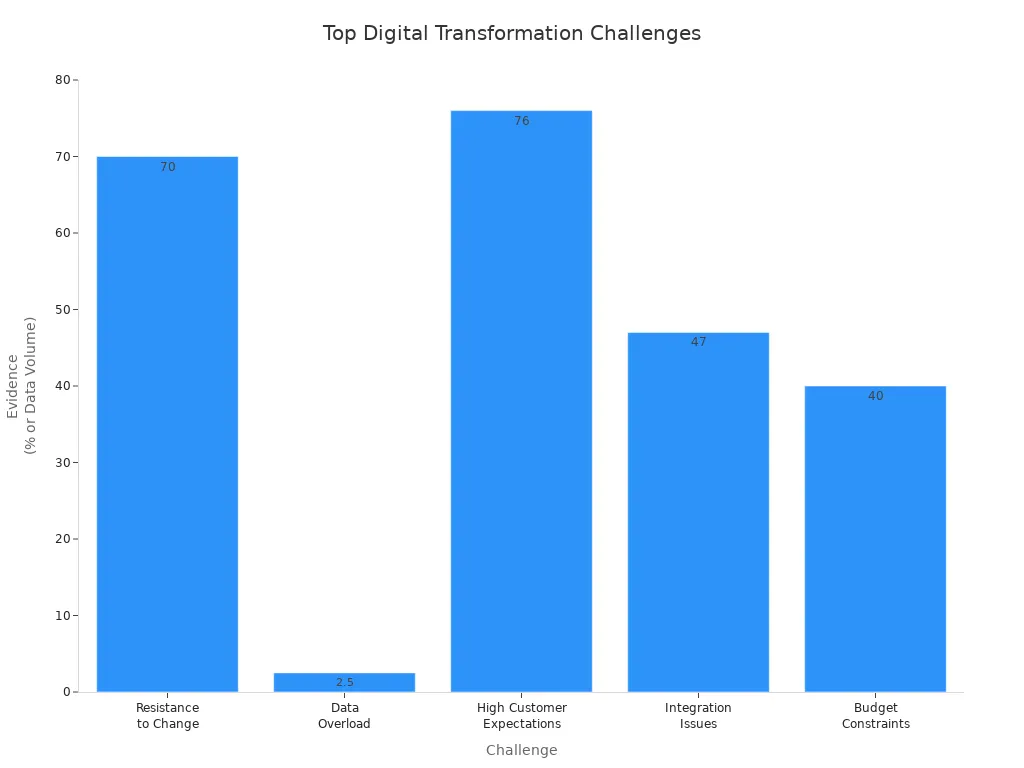
Stores face challenges like not wanting change, too much data, high customer needs, trouble connecting systems, and budget limits. The chart below shows how often stores deal with these issues.
You can use smart ways to make integration easier:
Best Practice | Description |
|---|---|
Start with a Thorough Assessment | Write down all IT systems, find what needs connecting, and check how it affects your store. |
Develop a Phased Integration Plan | Use small steps to connect systems instead of doing everything at once. |
Implement Middleware Solutions | Use new platforms to help old and new systems talk to each other. |
Prioritize Data Security | Make sure you have backups and test security before starting. |
Partner with Experts | Work with IT pros who know both old and new technology. |
Do a gap analysis to see how your store compares to others.
Focus on old systems that help sales and customer service most.
Break integration into small steps so you can fix problems fast.
Note: Get your staff involved early. Training helps people accept changes and makes things easier.
Manage Budget & Timeline
You need to set a clear budget and timeline for your plan. Many stores worry about spending too much or delays. You can handle these by planning ahead and using smart ideas.
Strategy | Benefits |
|---|---|
Negotiate Vendor Contracts | Cuts fees by 10-20%, keeps costs steady, and avoids hidden charges. |
Invest in Training and Management | Makes your team better, lowers project failure, and stops mistakes. |
Focus on Data Clean Up | Makes data correct, gives good insights, and keeps systems working well. |
Choose the Right Partner | Uses expert help, speeds up work, and saves money. |
You can save money by talking with vendors and picking partners who know the business. Training your team stops mistakes and keeps projects moving. Cleaning up your data helps new systems work better.
Callout: Set goals and timelines that make sense. Start with small projects, check results, and grow as you go.
You can beat common challenges by planning well, picking good technology, and managing your budget. Your digital transformation roadmap helps you through each step and makes your store do well.
Empower Your Team
Staff Training
You need to help your team learn new technology. Training makes staff feel sure about using digital tools. When you train often, everyone stays up to date. You can use a Learning Management System (LMS) to make training simple. An LMS lets you set up lessons for each worker. This helps your team learn at their own speed and focus on what they need.
An LMS tracks who finishes lessons and checks progress.
Reporting and certificates show who is ready for new jobs.
Training should teach how to use online platforms and mobile payments.
You can make plans for workers to move up in your store.
Tip: Training all the time makes your team feel important and ready for changes. When staff know digital tools, they help customers better.
Foster Innovation
You can help your team be creative by giving them new technology. One updated platform lets everyone work together and share ideas. Automation, artificial intelligence, and data modeling help staff try new things and fix problems. Using these tools gives everyone a chance to make the store better.
Modern platforms let your team work on big projects and share data fast.
Automation and AI let staff do creative work instead of boring tasks.
You should keep changing your plans as the market changes.
Technology should always help your business and make shopping easier.
Note: Ask your team to share ideas and try new ways. When everyone joins in, your store can grow and change quickly.
Continuous Improvement
Use Data for Optimization
You can use data to help your store get better. Data shows what is working and what needs to change. Dashboards let you see sales, inventory, and customer happiness right away. If you find problems early, you can fix them before they get bigger.
Here are some ways to use data for improvement:
Hold training often so your team learns new skills.
Use a Learning Management System to give each worker lessons.
Teach staff about digital tools and helping customers in-store and online.
Ask employees to share ideas and reward them for good ones.
Set up feedback loops so staff can tell what they see.
Let workers try new systems and share their thoughts.
Use dashboards to watch important numbers and make smart choices.
Data analytics helps you learn more about your business. The table below shows how different insights help you:
Insight Type | Description |
|---|---|
Sales Trends | Find out which products sell best so you can stock up and plan better. |
Consumer Behavior | See what customers buy and when, so you can set prices and manage inventory. |
Targeted Marketing | Use customer records to send special offers that make shoppers want to come back. |
Operational Efficiency | Check data to cut labor costs and plan staff for busy times. |
Tip: Using data every day helps you make good choices and keeps your store running well.
Strategic Partnerships
You do not have to do everything by yourself. Strategic partnerships help you move faster and reach your goals. Many top convenience stores work with technology companies to improve their digital tools.
For example, 7-Eleven worked with Credera to make shopping better for guests. This partnership helped them keep more customers and manage relationships well. Circle K teamed up with Standard AI and Mashgin to automate checkout and personalize service. These changes made shopping faster and more fun. Carrefour joined with Vusion to digitize stores, which improved both customer experience and how the store runs.
When you pick the right partners, you get new ideas and tools. You can test new systems, learn from experts, and bring the best technology to your store. Partnerships help you stay ahead and keep your customers happy.
Note: Look for partners who share your goals and know your industry. Working together makes digital transformation easier and more successful.
You can make your store better by taking simple steps. Begin with small digital changes like online ordering or contactless payments. These changes help you get new customers and make shopping easy. Studies show stores that use digital strategies grow faster and earn more money. Try things like automated vending machines, self-serve stations, and click-and-collect services to help your store. Keep learning new things and update your plan so you stay ahead.
Step | Result |
|---|---|
Start small | Changes are easier and safer |
Scale up | Store grows and makes more |
Adapt often | You stay ahead of others |
Tip: Start with one change first. Add more as your team learns and feels ready.
FAQ
What is a digital transformation roadmap?
A digital transformation roadmap is a plan. It shows you how to use new technology in your store. You follow steps to make shopping better and work faster.
How do I start digital transformation in my store?
Start by checking your current tools. Find what slows you down. Pick one digital tool, like contactless payments. Train your team. Grow step by step.
What technology should I choose first?
You can start with a new POS system or contactless payments. These tools make checkout faster. They also help you track sales and learn about your customers.
How much does digital transformation cost?
Costs depend on your choices. You can start small with one tool. Many stores save money by cutting labor costs and reducing mistakes. Talk to vendors for prices.
How do I know if my digital changes work?
Track sales, customer feedback, and how fast your team works. Use dashboards to see results. Ask customers if shopping feels easier.
See Also
Exploring Global Trends in Automated Retail Solutions Today
The Future of Retail: Embracing AI-Driven Stores
Revolutionizing Online Retail Management with AI Tools
