A Step-by-Step Guide to Building a Digital Transformation Roadmap for Convenience Stores

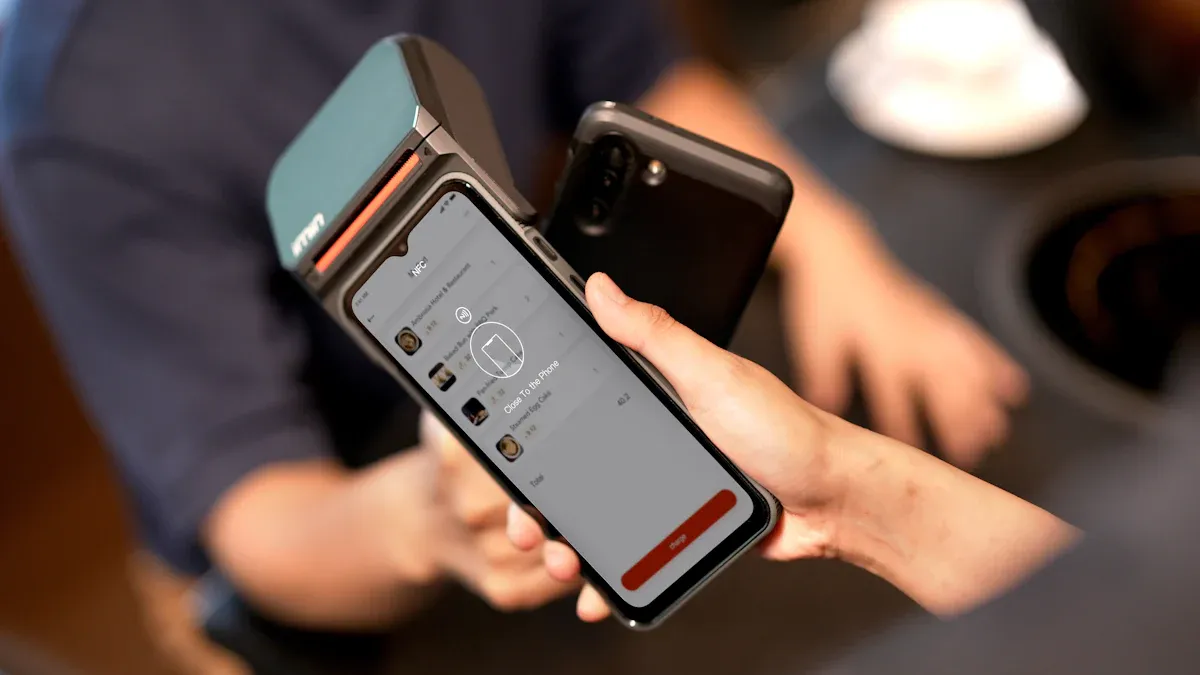
You need a digital transformation roadmap that works for your store. Customers want mobile payment, self-checkout, and special offers. Digital transformation helps you check out faster and manage inventory better. It also makes shopping nicer for everyone. You can get real benefits with this plan:
Benefit Type | Description |
|---|---|
Enhanced Customer Experience | Digital transformation gives customers special experiences. This makes them come back more often. |
Increased Customer Spending | Customers who use many ways to shop spend four times more than those who use only one way. |
Improved Customer Service | 90% of store workers give better service when they have all the customer information. |
Higher Basket Volumes | Customers who use mobile self-scanning buy 50% more than those who use regular checkout. |
This roadmap makes your job easier. It also helps you keep up in a fast-changing market.
Key Takeaways
Digital transformation makes customers happier. This helps them come back more and spend more money.
Find out what technology your store uses now. Look for problems so you can make a special digital plan.
Make goals that are clear and easy to measure. This helps you see how your digital transformation is going.
Use data to check how things are working. This helps you make smart choices and keep getting better.
Work with partners to get ideas and help. This will support your digital transformation journey.
Assessing Digital Maturity
Reviewing Current Technology
You should know how your store uses technology now. Start by looking at what you use every day. Check your point-of-sale system and inventory tools. Look at your customer engagement platforms too. Many convenience stores have mobile apps and loyalty programs. Some stores let people pay without touching anything. Self-serve kiosks are common. On-demand delivery services are used a lot. Some stores even use augmented reality shopping. Others use AI chatbots to help customers.
You can use frameworks like the Digital Maturity Index to see how digital your store is. The Path to Digital Maturity Model says stores go through five stages. Most stores begin at the “Inaction” stage. At this stage, you might not have contactless payments or online ordering. Knowing your stage helps you plan your digital transformation.
Tip: Write down all your digital tools. Ask your team which tools help most and which ones are hard to use.
Identifying Pain Points
You need to find out what makes your store slow. Digital transformation can help fix these problems. Many store owners say these issues waste time and money. Here are some common pain points:
Pain Point | Description |
|---|---|
Inventory Issues | Too much or too little stock means lost sales. |
Long Checkout Lines | Customers get upset and may not come back. |
Loss of Competitive Edge | Other stores and online shops take your customers. |
Slow Expansion | Old tech makes it hard to grow and meet new needs. |
Inconsistent Communication | It is hard to talk to and connect with customers. |
Missed Sales Opportunities | Not enough personal service means fewer sales. |
Higher Operational Costs | Doing things by hand wastes time and money. |
You can ask your staff and customers about their biggest problems. Use what they say to help guide your digital transformation. When you fix these pain points, your store works better and is ready for the future.
Setting Digital Transformation Goals
Defining Measurable Objectives
You need to set clear goals for your digital transformation. First, decide what you want to change. You might want to spend less on labor. You could try to make customers happier. You may want to help more customers each day. When you set goals you can measure, you can check your progress. You will see if your plan is working.
Here are some best ways to set good goals:
Best Practice | Description |
|---|---|
Set Clear Objectives | Pick what you want to do, like faster checkout or better service. |
Choose Measurable KPIs | Use numbers to track things, like how fast checkout is or how happy customers are. |
Align Stakeholders | Get your staff and partners to help so everyone works together. |
Tip: Do not make mistakes. Always set clear goals before you start. Give yourself enough time to finish. Talk with your team and listen to their ideas.
If you skip these steps, people may get confused. You might have delays. You want everyone to know the plan and work as a team.
Aligning Goals with Market Trends
Your plan should match what customers want and what is happening now. Shoppers want things to be fast and easy. They want a good experience. Many people use mobile apps to pay and get delivery. Other stores do this too.
Top convenience stores use these ideas:
Digital Transformation Strategy | Description |
|---|---|
Point of Sale Innovations | Make checkout faster and track inventory to help you make better choices. |
Loyalty Programs and Personalization | Give customers special deals and rewards so they come back. |
Automation and AI | Use smart tools to help staff and make shopping better for customers. |
Many stores sell healthy meals and wellness products now.
Customers want quick service and easy shopping.
New ideas help your store stay important in your community.
When your goals match these trends, your digital transformation will help your store grow. You will meet what customers need.
Enhancing Customer Experience

Personalizing Service and Loyalty Programs
Digital tools help you make shoppers feel special. These tools track what people like and how they shop. AI finds patterns in what customers buy. It groups customers who act the same. It suggests offers they might enjoy. These tools learn which rewards work best for your store as time goes on.
Pick programs that match your store and your shoppers.
Try rewards with different levels to keep people coming back.
Add games or challenges to make shopping more fun.
Make signing up and getting rewards easy.
Look at your data often and change your plan if needed.
“To build a better loyalty plan, start by checking how your current program is doing. Look at important numbers like how many people use it, how fast it grows, how much you give in discounts, and if members act in ways that match your store’s goals,” said Jeff Hindman, Paytronix CEO.
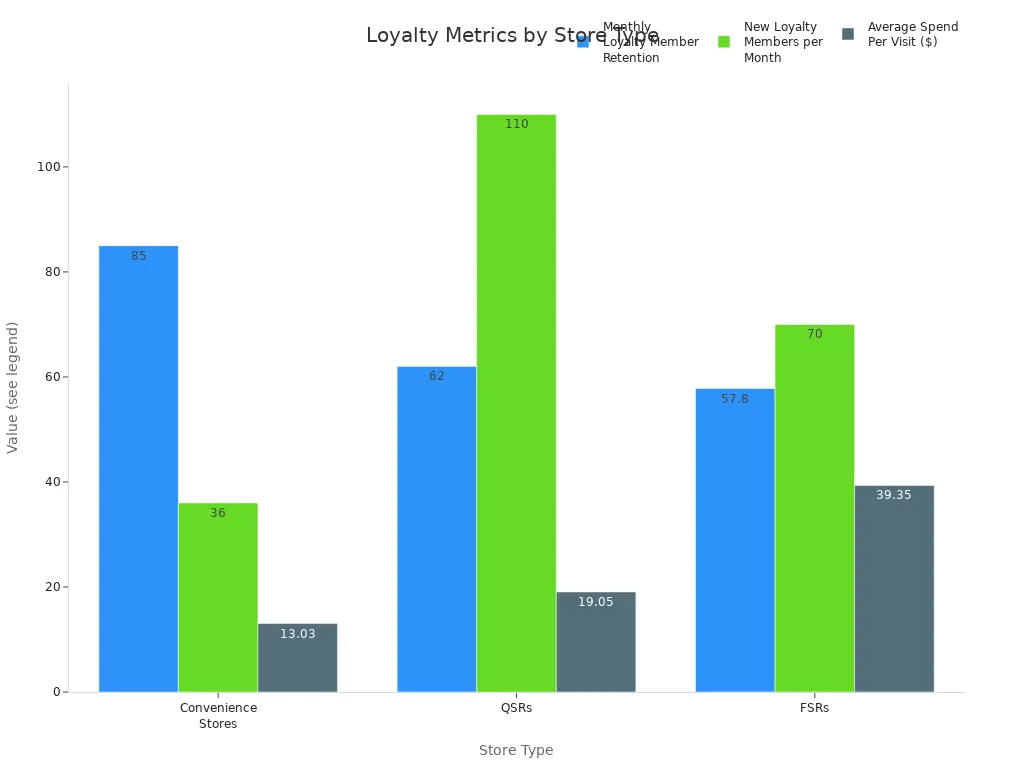
Top convenience stores keep most of their loyalty members each month. These stores see shoppers spend more money each visit than other stores.
Metric | Convenience Stores (Top Performers) | Quick-Service Restaurants (QSRs) | Full-Service Restaurants (FSRs) |
|---|---|---|---|
Monthly Loyalty Member Retention | 62% | 57.8% | |
New Loyalty Members per Month | 36 | 110 | 70 |
Average Spend Per Visit | $13.03 (50th percentile) | $19.05 (50th percentile) | $39.35 (50th percentile) |
Streamlining Payments and Checkout
You can make checkout faster and easier for customers. Digital transformation brings new ways to pay, like contactless cards and mobile wallets. These tools help cut down wait times. They make shopping smoother.
Many stores use self-checkout kiosks. Some stores let people order online for pickup or delivery. These changes help you serve more customers. They keep lines short.
Here is how digital transformation affects customer experience:
Aspect of Digital Transformation | Impact on Customer Experience Metrics |
|---|---|
Makes customers happier with special experiences. | |
Omnichannel Experience | Gives shoppers a smooth experience on all platforms. |
Customer Support | Makes support faster and easier with self-service and automation. |
You can use social media, email marketing, and customer engagement platforms to reach shoppers where they spend time. These steps help you build a store people trust and want to visit again.
Building Your Digital Transformation Roadmap
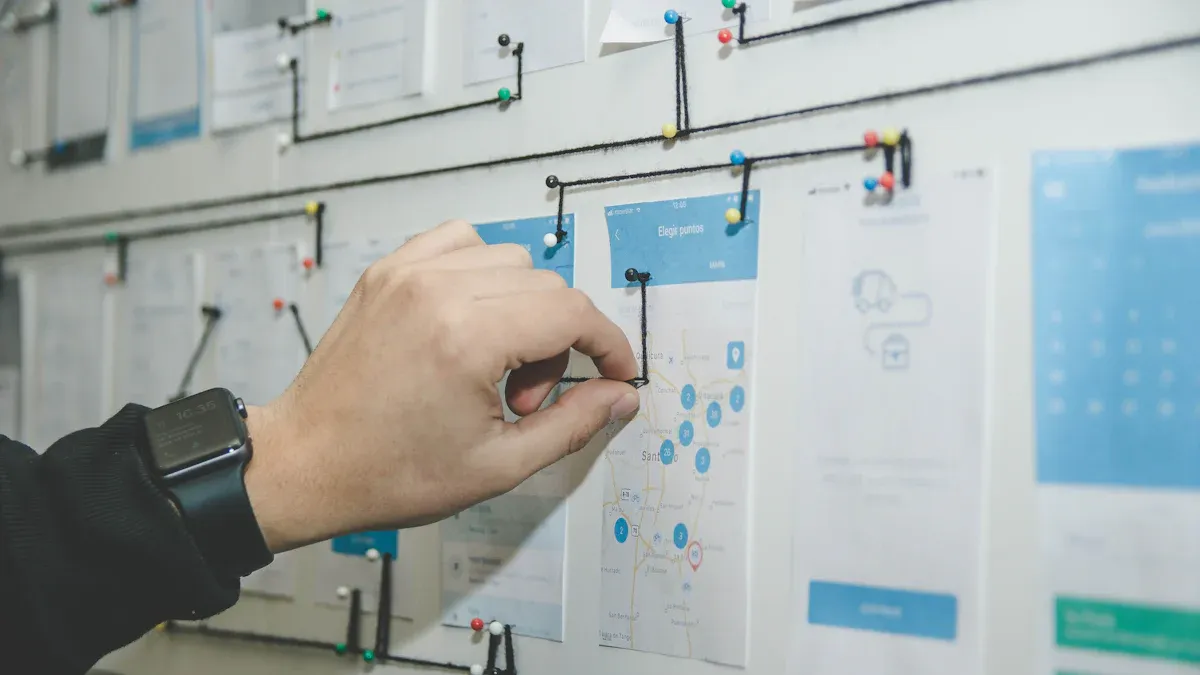
A strong digital transformation roadmap helps you make your store smarter. You need to choose the right tools and learn how to use them together. This section will help you pick the best technology and make everything work well.
Selecting Relevant Technologies
You want your roadmap to have tools that fit your store. Start by looking at inventory, point-of-sale (POS), and mobile integration. Each area helps your store run better and gives customers a nicer experience.
Here are the main parts of a good digital transformation roadmap:
Key Component | Description |
|---|---|
Modern Technology Architecture | Lets you add new tools easily and connect everything together. |
Effective Operating Models | Shows how your team and store will change and grow. |
Customer Experience | Makes shopping better for your customers using digital tools. |
Omnichannel Strategies | Gives shoppers a smooth experience in-store, online, and on mobile. |
Operational Excellence | Helps your store work faster and smarter with less waste. |
Look for technology that helps you:
Track inventory with mobile scanners and tablets.
Use a POS system that works all day and night, scans barcodes, and manages loyalty programs.
Connect your software so prices and stock update everywhere at once.
Accept many payment types, including mobile wallets.
Get reports on sales and customer habits.
Use CRM tools to learn what your customers like.
Many stores use software that lets you pick only what you need. For example, you can add loyalty programs or upselling tools as your store grows. Fast processing and many payment options make shopping easy for everyone.
Tip: Pick technology that works well together. This makes your roadmap easier to follow and helps you avoid problems later.
Think about your store size too. Independent stores may have less support and money for new tools. Large chains often get help from their main office and can add new technology faster.
Aspect | Independent Stores | Large Chains |
|---|---|---|
Operational Support | Owners do most of the work themselves | Franchisors give lots of help |
Scalability | Grows as the owner can afford | Grows fast with company support |
Technology Integration | Harder to add new tools | Easy to use advanced technology |
Implementing Solutions and Integration
Now you need to start using your roadmap. Begin with the most important projects. Make sure your store has strong internet and safe ways to handle data. This keeps your POS running and protects your customers.
Here are steps you can follow:
Plan Your Rollout
Make a list of what you want to do first. Start with tools that fix your biggest problems, like slow checkout or missing inventory.Test New Tools
Try new systems with a small group of staff. Fix any problems before you use them in the whole store.Train Your Team
Show your staff how to use the new technology. Give them time to practice and ask questions.Connect Everything
Make sure your POS, inventory, and mobile tools talk to each other. This helps you see all your data in one place.Check Security
Use safe passwords and follow rules like PCI DSS and GDPR. This keeps your store and your customers safe.Monitor and Adjust
Watch how the new systems work. Use reports to see what is going well and what needs to change.
You should also use centralized management and remote monitoring. These tools let you check your store from anywhere and fix problems fast.
Make sure your technology can grow with your store.
Keep your data safe and follow all rules.
Use remote tools to help your team and save time.
Note: A good digital transformation roadmap helps you stay on track. It keeps your store running smoothly and ready for the future.
A digital transformation strategy works best when you focus on what matters most. Pick projects that help your customers and make your store more efficient. Your roadmap will guide you through each step and help you reach your goals.
Training and Change Management
Upskilling Employees
You need to help your team learn new skills. Training programs make learning new tools easier. You can use digital platforms like Jolt and PlayerLync. These platforms help you teach, track progress, and update lessons fast.
Feature | Description |
|---|---|
Digital Operations | Jolt helps move from paper to digital. It makes people more responsible and improves performance. |
Employee Training and Communication | Gives the same training to all employees. This keeps information clear and fair. |
Engaging Training | Training with games keeps employees interested. It also lets you check how well they understand. |
Customizable Training Materials | You can change training materials easily. This keeps them useful and easy to find. |
You can use mobile training tools too. These tools let your team learn on phones or tablets. PlayerLync gives you mobile training and helps manage performance. Your staff can learn at their own speed. They stay ready for new tasks. This training does not make managers too busy.
Training all the time keeps your team interested. It helps you keep good workers. When you train your staff, they learn new technology. They work together better. Workers who feel engaged stay longer. This saves you time and money.
Fostering Innovation
You can build a culture of innovation in your store. Start by asking your team to share ideas. Give them chances to try new ways to work. When you support learning, your staff feels confident. They use new tools and suggest improvements.
Hold short meetings to talk about what works and what does not.
Reward employees who find better ways to serve customers.
Use feedback from your team to improve your store’s transformation plan.
You show leadership when you like new technology. Your team will follow your example. They help your store grow. Training and innovation work together. This makes your digital transformation successful.
Continuous Improvement and Partnerships
Using Data for Growth
You can help your store grow by looking at data each month. When you gather data, you find out what is working. You also see what needs to get better. You can check how your store compares to others. Many stores use special tools to watch sales and customer visits. These tools also show which products are most popular. This information helps you make smart choices.
Here is how stores use data to get better:
Feature | Description |
|---|---|
Data Collection | Every month, stores collect retail subscriber data in a safe way. |
Performance Benchmarking | Stores can compare their data with over 100 top stores and 20,000 chains. |
User Access | Stores get unlimited user licenses and training for sending data and making reports. |
Annual Survey Inclusion | Subscriber data is added to the yearly industry survey automatically. |
Custom Reporting | Stores can ask for special reports to help with their own projects. |
Consulting Services | CSX staff help stores understand data and make presentations. |
You should watch important numbers to see if your digital plan is working. Look at how many people use your loyalty program. Check if your digital signs are helping. Use what you learn from data to make shopping better for everyone.
How well digital signs work
Using data to make customer experiences better
When you use data, you can see trends and fix problems quickly. This helps your store stay ahead of others.
Collaborating for Support
You do not have to do everything by yourself. Many stores grow faster when they work with partners. You can team up with technology companies, local shops, or industry groups. These partnerships give you new ideas and tools.
Microsoft works with Marks & Spencer and Walgreens Boots Alliance. They use AI to build a digital-first business that meets what customers want today.
You can learn from other stores and share what works best. Partners can help you train your team and set up new systems. They also help you solve problems. Working together makes your store stronger for the future.
You can make your store better by following this plan step by step. Stores that use digital tools get good results. For example, 7-Eleven’s 7Rewards program and BP’s Earnify app help stores sell more and keep customers coming back. Many stores see their average basket size go up by 34%. They also get their money back in just 45 days.
Strategy | Outcome |
|---|---|
Personalized experiences | More sales and customers return |
Digital engagement | More people come in and buy things |
Foodservice expansion | Food sales grow by 67% |
Start your digital journey now. Each step helps your store get smarter and do better.
FAQ
What is digital transformation for convenience stores?
Digital transformation means using new technology in your store. It helps you make checkout faster. It helps you keep track of your stock. It also gives shoppers a better experience.
How can you start your digital transformation roadmap?
First, look at the technology you use now. Next, find out what problems your store has. Then, set goals you can measure. Choose tools that work well for your store. Teach your team how to use them. Keep checking to see how things are going.
Which technologies help convenience stores the most?
Technology | Benefit |
|---|---|
POS Systems | |
Mobile Payments | Easier transactions |
Inventory Tools | Better stock management |
Loyalty Programs | More repeat customers |
How do you measure success after digital transformation?
You watch important numbers like sales and visits. You also check how many people use your loyalty program. Compare these numbers from before and after you made changes. This shows if your store is doing better.
See Also
Understanding AI-Driven Corner Shops: Key Insights for Retailers
Comparing Micromarkets and Smart Stores: Global Automated Retail Insights
The Future of Retail: Embracing AI-Enhanced Store Concepts
Transforming Online Retail Management with AI-Driven E-Commerce Solutions
