Edge AI architecture for smart retail

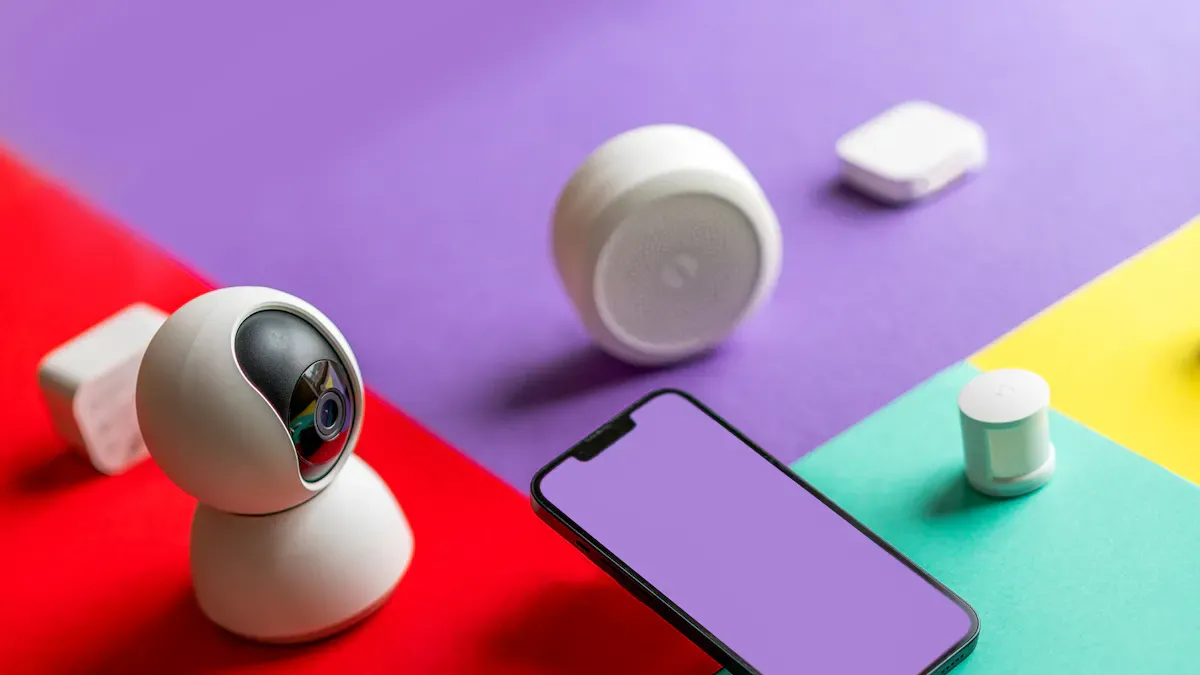
Edge AI architecture in smart retail uses smart systems. These systems process data right at the devices in stores. This helps you make faster choices. It also helps manage inventory better. Customers get more personal experiences. AI works in real time on the device. This means less waiting time. It helps stop losses and makes store layouts better.
The retail and consumer goods area will grow fast. It expects a growth rate of 35.30% each year from 2024 to 2032.
Personalized marketing with edge AI helps more people buy. It raises conversion rates by about 10-15%.
Edge AI surveillance helps stop theft. It can lower theft losses by up to 25%.
Key Takeaways
Edge AI architecture lets stores handle data right in the store. This makes decisions faster and helps customers have a better time. Using edge AI can help stores sell more. Sales can go up by 10-15% with special marketing for each shopper. Real-time data helps stores keep track of products. This makes sure shelves are full and shoppers find what they want. Edge AI also makes stores safer. It can cut down theft by up to 25% with better cameras. Spending money on edge AI can save a lot. Stores can save millions each year by using less cloud data.
What is edge AI architecture?
Core concept in smart retail
Edge AI architecture is a smart system for stores. It puts intelligence right inside your store. Devices like cameras and sensors handle data where it is collected. You do not have to send all data to the cloud. This means you get answers very fast. For example, you can see when shelves are empty right away. You can also track inventory as it changes.
Edge AI architecture helps keep your data private. Important information stays on your own devices. It does not go to a faraway data center. This protects your customers and your business. You can use these systems to watch how shoppers act. They also help check lines and stop losses. You get quick and correct information without waiting for the cloud.
Tip: Edge AI architecture lets your store work even if the internet stops. Your devices still make choices by themselves.
You save bandwidth because only key data goes to the cloud. This makes your store run better and saves money. Local devices use less energy than sending all data far away. Many stores use edge AI for self-checkout and shelf checks. It helps make shopping smooth for everyone.
Edge AI vs. traditional AI
Edge AI handles data close by, so decisions are fast.
Traditional AI sends data far, which can slow things down.
Edge AI is good for privacy and quick answers, like in smart cameras or self-checkout.
Traditional AI needs strong internet and uses more energy.
Edge AI works offline, so your store stays smart even with bad internet.
Edge AI architecture uses less energy and is better for the planet. It can even use clean energy. This helps your store lower pollution and stay up-to-date.
Edge AI architecture components
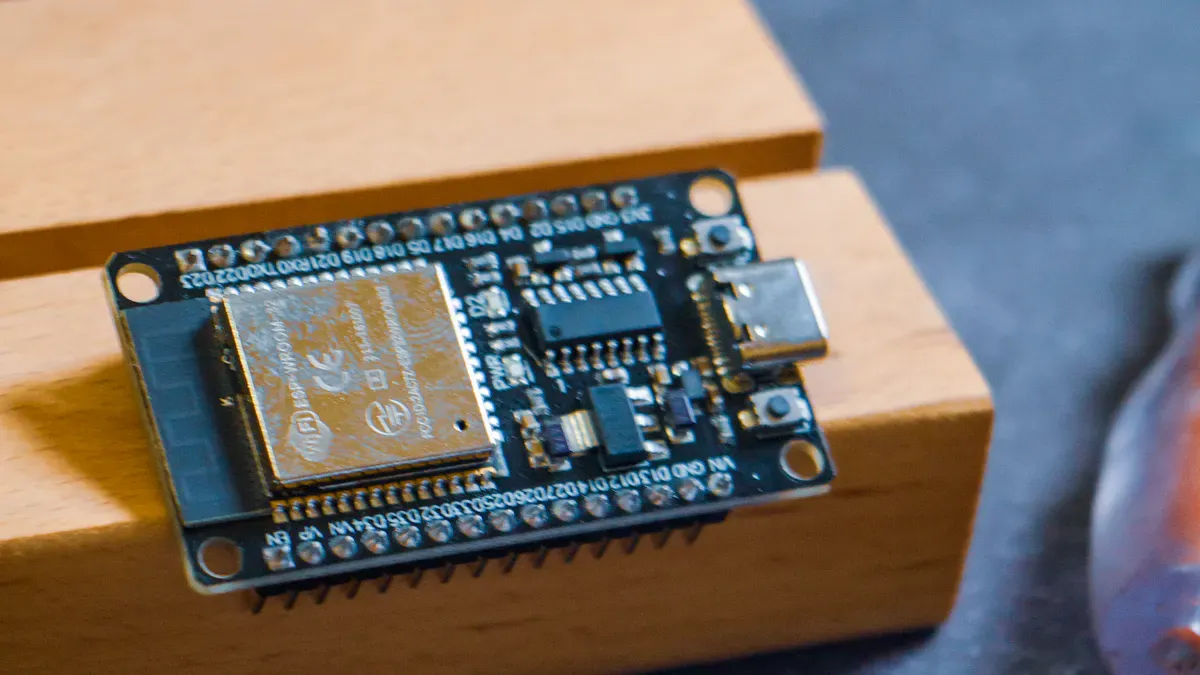
Hardware: devices and sensors
You need the right hardware for edge AI in stores. Many devices and sensors help you get and use data fast. Some common hardware includes:
Specialized AI chips
Integrated SoCs (System on Chips)
USB accelerators
M.2 and PCIe Cards
These devices make shelves smart and help track inventory. They let you watch products and see what happens in the store. New hardware trends focus on making devices smaller and better. You can use special AI processors for things like image analytics. This keeps your store working well and saves energy.
Note: Edge AI hardware grows because stores need IoT solutions, faster networks like 5G, and better device processing.
Software: AI models and frameworks
You need strong software to run AI on your devices. New AI models, like Google’s Gemma, and frameworks such as TensorFlow Lite, PyTorch Mobile, and ONNX Runtime, let you use advanced AI in your store. These tools help you serve shoppers better and manage your store.
To make AI models work well on small devices, you can use special techniques:
Model compression
Quantization
Pruning methods
These methods keep your AI smart but make it small enough for edge devices. You can use these tools for cameras, point-of-sale systems, and more.
“Another big challenge is the lack of standard rules in edge AI. Without universal standards for hardware, software, and communication, devices and platforms may not work together easily.”
Connectivity and data flow
You want your store to handle data where it happens. Edge AI architecture lets you do this by processing data at its source. This means your store can make choices fast, without waiting for the cloud. You get real-time features like smart shelves and instant video analytics.
When you process data locally, you avoid high costs and delays from sending everything to the cloud. This setup also keeps your store running if the internet goes down. Some common data flow problems include:
Latency variance—cloud delays can hurt the customer experience.
Bandwidth economics—sending lots of video data to the cloud can cost a lot.
Resilience—cloud-only systems can fail in places with bad internet.
With edge AI architecture, you fix these problems and keep your store fast and efficient.
Edge AI in retail

Real-time processing and decision-making
Edge AI architecture lets stores make choices right away. Devices handle data fast, so you do not wait for the cloud. Stores keep working even if the internet is slow or offline. You see results quickly, which makes customers happy and helps sales go up.
Personalized marketing with edge AI architecture can help more people buy. Conversion rates can go up by 10-15%.
Autonomous checkout systems make paying faster. Checkout time drops from 5 minutes to just 30 seconds.
You can track inventory as it changes, so shelves stay full. Customers find what they need without trouble.
Tip: Real-time processing helps you react to shoppers fast. You can change prices, refill shelves, and help customers right away.
Machine vision and analytics
Machine vision gives stores strong tools. Cameras and sensors watch products and people. You get quick feedback about what happens in your store. This helps you manage inventory, learn about customers, and stop losses.
Machine vision lets you process and study data fast. You keep shelves full and stock levels right.
You make shopping better for customers with personal touches.
You fix slowdowns caused by cloud processing and make things run smoother.
Machine vision applications in retail include:
Service: Real-time AI support makes customers happier.
Optimization: AI boosts work and keeps stores running well.
Stores use object detection to spot products customers touch. Facial recognition tells staff about customer needs. Smart predictions warn staff about customer actions, so you can help shoppers better.
Loss prevention gets stronger with machine vision. AI systems watch store movements to spot loitering near risky items. They find repeat offenders using facial recognition. Staff get alerts right away about suspicious actions.
Application Type | Features |
|---|---|
Smart Cameras | Real-time shopper behavior analysis, heat-mapping, queue monitoring, product interaction tracking |
AI-powered Vigilance | Onboard AI inferencing for actionable insights without cloud dependency, enhancing privacy |
Theft Detection | Continuous monitoring of store activities to identify suspicious behavior and prevent theft |
Note: Accurate edge AI solutions help you cut down false alarms and keep your store safe.
Advanced AI techniques in retail
Stores use advanced AI methods to get smarter. Federated learning improves recommendation engines and marketing. Customer data stays private because it does not go to the cloud. Edge AI architecture lets you study customer actions in real time with sensors, cameras, and point-of-sale data.
Technique | Application in Retail | Benefit |
|---|---|---|
Federated Learning | Enhancing recommendation engines and personalized marketing strategies | Protects customer data privacy |
Edge AI | Analyzing customer behavior in real-time using sensors, cameras, and point-of-sale data | Improves customer insights |
Explainable AI shows how your AI makes choices. You can trust your systems and explain results to staff and customers. These advanced methods make stores work better and stay safe.
Tip: Using advanced AI methods helps you beat competitors and earn trust from customers.
Benefits of edge AI architecture
Reduced latency and offline capability
Your store reacts right away. Edge AI architecture lets devices handle information where it happens. You do not wait for the cloud to respond. Transactions finish super fast, in just 10–50 milliseconds on new chips. Checkout times drop from 300 milliseconds to only 15 milliseconds. Customers feel like the technology is magic.
Devices use AI models right in the store, so you keep working even if the internet stops.
You can put smart cabinets in places with bad internet.
Your store stays open during Wi-Fi problems.
You also save money on cellular data. Local processing lowers monthly data use from 30–100 GB to just 2–5 GB per cabinet. Your bills go down from $150–$500 to $10–$25 per cabinet. If you run 200 cabinets, you can save up to $1.14 million each year.
Tip: Fast, offline systems help you serve customers anywhere, anytime.
Data privacy and security
You keep important information safe by storing data on your devices. Edge AI architecture processes everything right in the store. You do not send customer details over the network. This lowers the risk of cyberattacks. You follow strict data protection rules more easily.
Local processing keeps customer data safe.
You lower the chance of hackers getting in.
You follow privacy laws without extra work.
Cost savings and scalability
You grow your business and save money at the same time. Edge AI architecture helps you boost sales and cut costs. Stores report more than a 10% increase in sales. You can save $3.6 million every year for each store.
Benefit | Value |
|---|---|
Sales Increase | More than 10% |
Annual Savings per Store | $3.6 million |
You can add new devices easily. You do not worry about high cloud costs. Your store stays efficient as you get bigger.
Note: Smart local systems help you grow faster and keep your budget under control.
Challenges and considerations
Integration with legacy systems
Bringing edge AI into old store systems can be hard. Many old systems do not have modern APIs or interfaces. This makes it tough for new AI modules to connect and work well. Some old software was not made for AI, so you may hit technical problems. You also need to check how much power and memory your old systems have. They might not handle advanced AI needs. Security is a big worry. Old systems often do not have strong security controls. This can put your store at risk when you add new technology.
Challenge Type | Description |
|---|---|
Technical Compatibility | Legacy systems often lack APIs and modern interfaces, making integration with AI modules difficult. |
Performance Constraints | Older systems may not have the computing power or memory required for advanced AI workloads. |
Security and Compliance | Legacy systems are more vulnerable to security breaches and may lack modern security controls. |
Tip: Check if your current systems can use new AI tools. Plan upgrades if you need them.
Security and maintenance
You must keep customer data safe and follow privacy laws. Rules like GDPR in Europe and CCPA or BIPA in the U.S. mean you need clear consent and strong data protection. These laws can be tricky and change from place to place. Edge AI devices handle sensitive information, so you need good security everywhere. More devices give hackers more chances to attack. You should watch your systems all the time and update them often to stop breaches.
Data privacy and security worries grow with more devices.
Complex privacy laws need careful planning.
Watching your systems helps stop unauthorized access.
Note: Always update your software and teach your staff about privacy.
Adopting advanced AI methods
You may want to use new AI techniques, but you can face problems. Training powerful AI models needs lots of computing power. Most edge devices cannot do this alone, so you may need the cloud for some tasks. Even with better security, edge devices can still face cyberattacks. You must add extra protection to keep your systems safe.
Limited computing power at the edge can slow down AI use.
Edge devices are still targets for cyber threats.
Tip: Start with small advanced AI features and grow as your hardware and security get better.
Implementing edge AI architecture
Assessing needs and goals
You should start by setting clear goals for your edge AI project. Think about what problems you want to solve in your store. Make sure your goals match your business strategy. Use these steps to guide you:
Define clear objectives. Focus on pain points and set measurable targets.
Build a strong data strategy. Keep your data organized and accurate. Follow all rules for data privacy.
Start with small pilots. Test edge AI in one area first. Watch how it works and learn from the results.
Train your employees. Teach them how to use new tools and listen to their feedback.
Track your progress. Use key metrics to see what works and improve your plan.
Tip: Small pilot projects help you learn fast and lower risk.
Choosing hardware and software
Pick hardware and software that fit your needs. Look for tools that work well together and keep your data safe. Use this table to compare what matters most:
Criteria | Weight | Average Score |
|---|---|---|
Core features | 25% | High |
Ease of use | 15% | Medium |
Integrations & ecosystem | 15% | High |
Security & compliance | 10% | Medium-High |
Performance & reliability | 10% | High |
Support & community | 10% | Medium |
Price / value | 15% | Medium |
Choose devices and software that offer strong features and work well with your current systems.
Integration and deployment
When you add edge AI to your store, follow best practices to get the best results:
Use efficient data formats so your models run smoothly.
Compress AI models to fit your devices.
Check your network for speed and stability.
Use a mix of cloud and edge systems for flexibility.
Upgrade your store’s tech to support real-time decisions.
Note: Good planning helps your edge AI work better and keeps your store running smoothly.
Training and support
Train your team so they feel confident using new AI tools. Offer clear guides and answer questions quickly. Keep support easy to reach. When your staff understands the system, you get better results and happier customers.
Remember: Ongoing training and support help your store grow with new technology.
Edge AI architecture makes stores work in a new way. You can make choices faster and keep track of products better. Customer service gets better too.
AI-powered chatbots and smart kiosks help shoppers get help fast.
Real-time data helps you give special deals and keep shelves stocked.
Smart fitting rooms and predictive analytics make customers happy and help stores earn more.
You can try solutions like ZEDEDA to control your edge devices and apps. Begin by watching important numbers and trying out new AI tools in your store.
FAQ
What is edge AI in retail?
Edge AI lets your store process data right where it happens. Devices like cameras and sensors use AI to make quick decisions. You do not need to send everything to the cloud.
How does edge AI improve store security?
Edge AI systems watch your store in real time. They spot theft and alert staff quickly. You keep customer data safe because information stays on your devices.
Can edge AI work without internet?
Yes, edge AI works offline. Devices make decisions on their own. Your store keeps running even if the internet stops.
What hardware do you need for edge AI?
Smart cameras
Sensors
AI chips
You choose hardware based on your store’s needs. Small devices help you save energy and money.
Is edge AI expensive to set up?
Cost Factor | Impact |
|---|---|
Hardware | Medium |
Software | Medium |
Savings | High |
You spend money at first, but you save more over time with lower cloud costs and better efficiency.
See Also
The Future of Retail Lies in AI-Driven Stores
Transforming Online Retail Management with AI E-Commerce Tools
Essential Insights for Retailers on AI-Enhanced Corner Stores
Starting an AI-Driven Corner Store on a Budget
Smart Technology in Vending Machines Is Changing Retail Forever
