The role of edge computing in real-time retail recognition in Convenience store chains & small-format grocery.

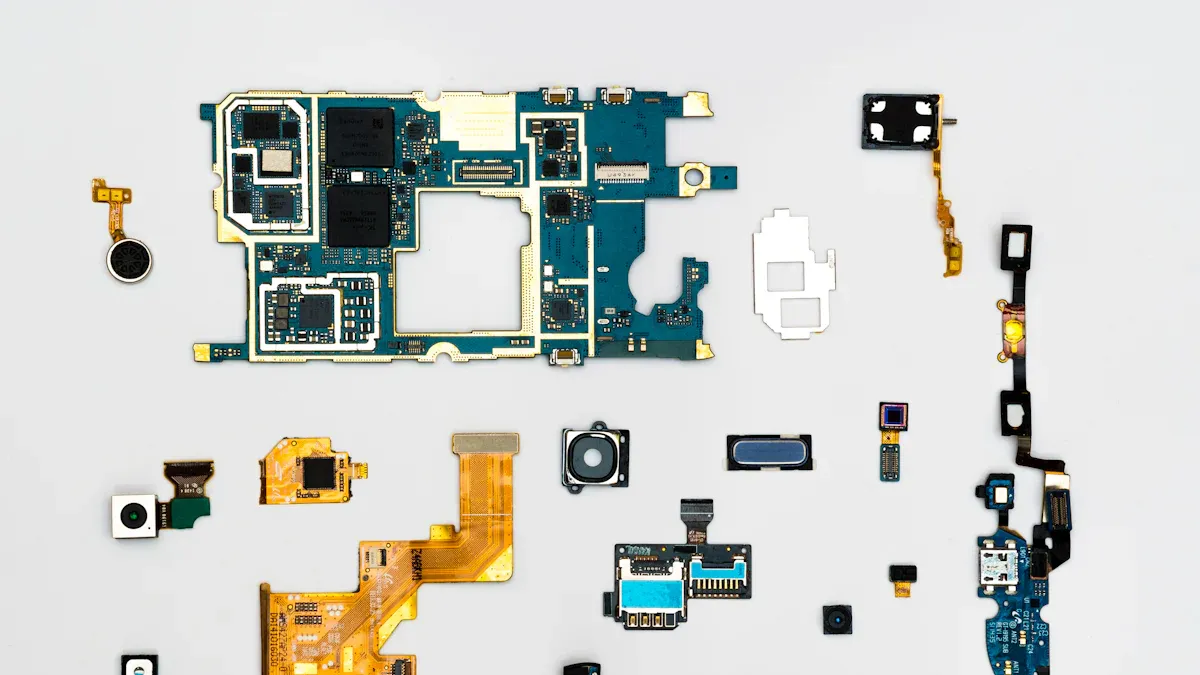
Edge computing gives you the power to process data instantly right where it happens in your store. This technology helps you make quick decisions, which is vital in busy environments like convenience stores. You can see real benefits, such as faster restocking and smoother checkouts, leading to happier shoppers and higher sales.
Technology Used | Improvement | Description |
|---|---|---|
RFID & IoT | Real-time visibility of inventory leads to better in-stock rates and faster replenishment. | |
Computer Vision | Checkout Automation | AI-powered image recognition automates checkout, improving customer experience. |
RFID | Real-time Inventory Tracking | Scannable tags offer updates on inventory levels, allowing for quick restocking. |
You can boost your retail operations and stay ahead by adopting edge computing solutions.
Key Takeaways
Edge computing allows for instant data processing in stores, leading to faster decision-making and improved customer experiences.
Implementing technologies like RFID and AI can enhance inventory management and automate checkouts, resulting in happier shoppers.
Real-time data insights help stores respond quickly to customer needs, improving operational efficiency and boosting sales.
Personalized shopping experiences can be created using real-time data, making each visit feel special for customers.
To successfully adopt edge computing, evaluate current systems and set clear goals for automation and integration.
Edge Computing in Retail

What Is Edge Computing?
You can think of edge computing as a way to process data right where it is created, such as inside your store. Instead of sending all information to a distant cloud, you use local devices to analyze and act on data instantly. This approach brings several important benefits to retail:
Latency Reduction: You process data at the store level, which speeds up transactions.
Bandwidth Efficiency: Local processing means you send less data to the cloud.
Improved Privacy and Security: You keep sensitive data on local devices, which lowers exposure risks.
Edge computing decentralizes data processing. You get real-time results and better privacy because less information leaves your store.
Here is a quick comparison between edge computing and traditional cloud computing in retail:
Aspect | Edge Computing | Traditional Cloud Computing |
|---|---|---|
Latency | Significantly reduced due to proximity | Higher due to centralized data centers |
Data Processing | Local processing enhances speed | Centralized processing can slow response |
Application Example | Real-time inventory tracking in retail | General data processing tasks |
You use edge computing for real-time inventory tracking, smart cameras, and customer interaction devices. This technology helps you respond quickly to what happens in your store.
Why Small-Format Stores Benefit
Small-format grocery stores and convenience stores face unique challenges. Many stores have outdated infrastructure and need faster ways to process data. Edge computing gives you a decentralized model that modernizes your systems without a complete overhaul.
You can use edge computing to:
Enable rapid, localized data processing at each store.
Improve responsiveness for tasks like restocking and checkout.
Enhance customer experience with real-time recommendations.
For example, you can use cameras, RFID sensors, and electronic shelf labels to track products and customer behavior. This setup helps you make better decisions and serve your shoppers faster. Edge computing fits perfectly in small-format environments where every second counts.
Real-Time Retail Recognition
Local Data Processing
You need fast and accurate information to run your store well. Edge computing lets you process data right inside your store, not in a faraway data center. This means you can see what is happening in real time and act quickly. When you use local data processing, you get instant updates on inventory, customer actions, and store events. This helps you make better decisions every minute.
Many organizations that use edge-based surveillance see alerts delivered up to 60% faster. You can also expect to see operational efficiency improve by 30% to 50% in the first year. These gains come from having information at your fingertips, so you can respond to problems or opportunities right away.
Here is how edge computing impacts real-time analytics in retail:
Evidence Description | Impact on Real-Time Analytics |
|---|---|
Faster inventory updates | Enables quick adjustments to stock levels based on real-time data. |
Personalized promotions | Allows stores to tailor offers based on immediate customer behavior. |
Immediate insights into shopping patterns | Helps stores react promptly to customer needs and preferences. |
You can use these instant insights to restock shelves, adjust prices, or launch special offers. This is especially important in small-format stores and convenience stores, where every second counts.
AI and POS Integration
You can make your store smarter by connecting AI with your point-of-sale (POS) systems and sensors. Edge computing helps you run these systems together, so you get real-time retail recognition and better forecasting. AI can watch camera feeds, track what sells, and even predict what customers will want next.
Here are some ways AI and POS integration work in your store:
Feature | Description |
|---|---|
Edge devices analyze camera feeds to monitor inventory levels, sending alerts for low stock. | |
Demand Forecasting | AI analyzes sales data and external factors to predict demand, reducing forecasting errors significantly. |
You can use these tools to keep shelves full and avoid running out of popular items. AI-driven forecasting models help you plan for busy times and slow periods. When you connect these models to your POS system, you get a clear picture of what is selling and what needs attention.
You get faster alerts when items run low.
You can adjust orders based on real-time sales.
You can offer promotions that match what customers want right now.
Edge computing, AI, and real-time analytics work together to make your retail operations more responsive and efficient. You can serve your customers better and keep your store running smoothly.
Enhanced Customer Experience
Personalization with Real-Time Data
You can create a truly enhanced customer experience in convenience stores by using real-time data from cameras, sensors, and POS systems. This data helps you understand what shoppers want and how they move through your store. When you use edge computing, you process this information instantly, so you can respond to each shopper’s needs right away.
Here are some of the most effective strategies for shopper personalization:
Strategy Type | Description |
|---|---|
Behavioral Data | Use in-store behavior, like how long shoppers look at products, to create unique experiences. |
Location-Specific Messaging | Send messages based on where shoppers spend time in your store. |
Customer Profiling | Tailor experiences for each shopper based on loyalty status or time of day. |
Real-Time Engagement | Give immediate personalized recommendations and offers using real-time data. |
Time-Based Promotions | Change promotions throughout the day to match different shopper groups. |
You can use these strategies to make every visit feel special. Personalized recommendations and dynamic offers help you connect with shoppers and improve their overall customer experience.
Smart Checkout & Promotions
Smart checkout systems change the way you handle transactions in retail. These systems use machine learning to track what each shopper picks up. As soon as a shopper interacts with a product, the system updates their virtual cart. Each shopper gets a temporary code that links to their payment method. This process removes the need for traditional checkout lines and makes the checkout experience much faster.
Smart checkout systems update carts instantly as shoppers pick up items.
Each shopper receives a unique code, so they can pay quickly and leave without waiting.
Over 140 stores worldwide use these systems to reduce checkout times and improve customer experience.
You can also use smart checkout systems to launch dynamic promotions. For example, you can offer discounts on popular items right at the point of sale. This approach helps you boost sales and keep shoppers happy. When you combine real-time data with smart checkout systems, you create a seamless and enjoyable customer experience that keeps people coming back.
Operational Efficiency and Automation
Process Automation
You can transform your store with automated operations powered by edge computing. Many convenience stores now use real-time data processing to update customer carts as products are picked up. This system removes manual steps and speeds up transactions. You also gain instant inventory updates, which help you track stock levels and reduce errors in inventory management. Stores like Royal Farms use edge computing to process data quickly and keep shelves stocked. Cashierless checkout systems automate payment, making shopping easier for everyone.
Real-time data processing streamlines shopping and updates carts instantly.
Automated operations provide faster inventory updates, reducing mistakes and saving time.
Cashierless checkout systems automate payments, improving customer satisfaction.
Edge computing gives you real-time visibility into store operations and customer activity. You can integrate systems seamlessly, eliminating data silos and supporting smarter decisions. Automated operations help you manage perishable inventory, reduce waste, and increase profits.
Agility and Decision-Making
You need operational agility to stay ahead in retail. Edge computing processes data locally, minimizing latency and enabling real-time analytics. You can make decisions faster because you do not wait for data to travel to distant servers. By analyzing information at the store level, you avoid bandwidth and storage costs linked to cloud processing. This approach leads to quicker operational decisions and better customer experiences.
Benefit | Description |
|---|---|
Real-time analytics | Enables instant responses to market changes |
Smarter decision-making | Supports accurate inventory management and restocking |
Increased efficiency | Reduces time from data generation to action |
You can respond instantly to changes in demand, adjust inventory, and launch promotions at the right moment. Operational agility and automated operations give you a competitive edge in retail.
Challenges and Solutions
Integration and Security
When you bring edge computing into your store, you may face challenges with your old systems. Many stores have large and complex technology setups. You might need to connect new devices to old software, which can lead to problems like data silos and systems that do not work well together. Sometimes, you must move a lot of data or change how your systems talk to each other.
Integrating legacy systems with new technologies
Reconfiguring and migrating data
Dealing with data silos and non-flexible architecture
Fixing software and application disintegration
Security is another big concern. Edge devices, like cameras and sensors, can have vulnerabilities. Hackers may try to intercept your data or attack your network because there are many devices to protect. You can lower these risks by using strong passwords, updating your devices often, and encrypting your data. You should also separate your network for edge devices and watch your system logs for any strange activity.
Use robust authentication methods
Update and patch devices regularly
Encrypt data in transit and at rest
Segment networks for edge devices
Monitor logs automatically
You can look at successful examples for inspiration. For instance, Aoyu Intelligent Technology helped over 3,000 stores in China use digital tools. These stores saw a 25% increase in customer conversion and a 15% drop in costs.
Client | Location | Year | Overview | Results & Benefits |
|---|---|---|---|---|
Aoyu Intelligent Technology | China | 2023 | Digital operational management for 3,000+ stores | 25% higher conversion, 90% faster marketing updates, 15% lower costs |
Training and Change Management
You need to help your staff learn new systems when you add edge computing to your retail operations. Good change management makes this easier. You should train your team, update your store processes, and build a culture that welcomes new technology.
Offer clear communication about changes
Provide hands-on training programs
Set up support systems for staff questions
When you support your team, they adapt faster and use new tools better. This approach helps you get the most from your investment in data management and technology.
Future Trends in Edge Computing
AI and Machine Learning
You will see ai at the edge become a game-changer for retail. With ai, you can spot unusual transaction patterns and stop fraud before it happens. Machine learning models help you understand what your customers want, so you can suggest products they will love. These models also let you adjust prices quickly when the market changes.
Ai-powered cameras can track what shoppers pick up, making checkout fast and easy.
Computer vision models on edge devices watch your shelves and tell you when to restock.
Predictive analytics help you order the right amount of stock, so you do not run out or waste products.
Ai can give each shopper a unique experience by analyzing their browsing and buying habits.
You can use ai to automate pricing and launch special offers at the perfect time.
Next-gen technology like autonomous shopping and smart checkout systems will keep growing. These tools help you reduce cart abandonment and make shopping smoother for everyone.
Scaling Across Chains
When you run many stores, you need solutions that work everywhere. Edge computing lets you build a strong foundation that connects all your locations. You get real-time visibility into every store, so you can spot problems and fix them fast.
Strategy/Benefit | Description |
|---|---|
Unified Edge-Ready Foundation | Makes your tech setup simple and secure in every store. |
Real-Time Visibility | Lets you see how each store is doing at any moment. |
Cost and Complexity Reduction | Combines storage, computing, and backup, saving you money and time. |
Enhanced Security | Keeps customer data safe with encryption and constant monitoring. |
Streamlined Compliance Management | Helps you follow rules and pass audits easily. |
Data-Driven Decision-Making | Gives you insights to improve profits and run your stores better. |
Big chains like Royal Farms and Casey’s have already used edge computing to keep their stores running, even if one server goes down. You can modernize your systems without replacing all your hardware. Over the next five years, you will see more stores use ai-driven applications for things like smart shelf monitoring and predictive staffing. These changes will help you give customers a better experience and keep your operations running smoothly.
Tip: Using edge computing and ai together helps you create seamless, personalized shopping for every customer.
You can transform your retail operations with edge computing. This technology lets you process data instantly, improve customer engagement, and lower costs. Recent research shows that edge AI, robotics, and 5G are creating smarter stores with automated inventory and real-time experiences.
Key Metric | Benefit for Your Store |
|---|---|
Sales Per Square Foot | Higher revenue through optimized inventory |
Customer Retention Rates | Better loyalty from personalized experiences |
You gain faster decision-making and more efficient operations.
You should start by evaluating your current systems and set clear goals for automation.
FAQ
What is edge computing in retail?
Edge computing lets you process data right in your store. You do not need to send everything to the cloud. This gives you faster results and helps you make quick decisions.
How does edge computing improve customer experience?
You can use edge computing to give shoppers instant recommendations and faster checkouts. Real-time data helps you create special offers and keep shelves stocked. Shoppers enjoy a smoother visit.
Is edge computing secure for my store?
Yes, you can keep your data safe by using strong passwords, updating devices, and encrypting information. You should also monitor your systems for any unusual activity.
Can I use edge computing with my old systems?
You can connect edge devices to many older systems. You may need some updates or new software. Many stores use edge computing without replacing all their equipment.
What are the first steps to start with edge computing?
You should review your current systems. Set clear goals for what you want to improve. Talk to technology partners who can help you plan and install edge solutions.
See Also
Understanding AI-Driven Convenience Stores: Essential Insights for Retailers
Comparing Micromarkets and Smart Stores: Global Automated Retail Insights
Analyzing Walgreens Self-Checkout: Benefits and Hurdles in Retail
The Future of Retail: Embracing AI-Enabled Store Innovations
Transforming Retail: Cloudpick's Cashierless Convenience Solutions Explained
