The role of edge computing in real-time retail recognition in Convenience store chains & small-format grocery.

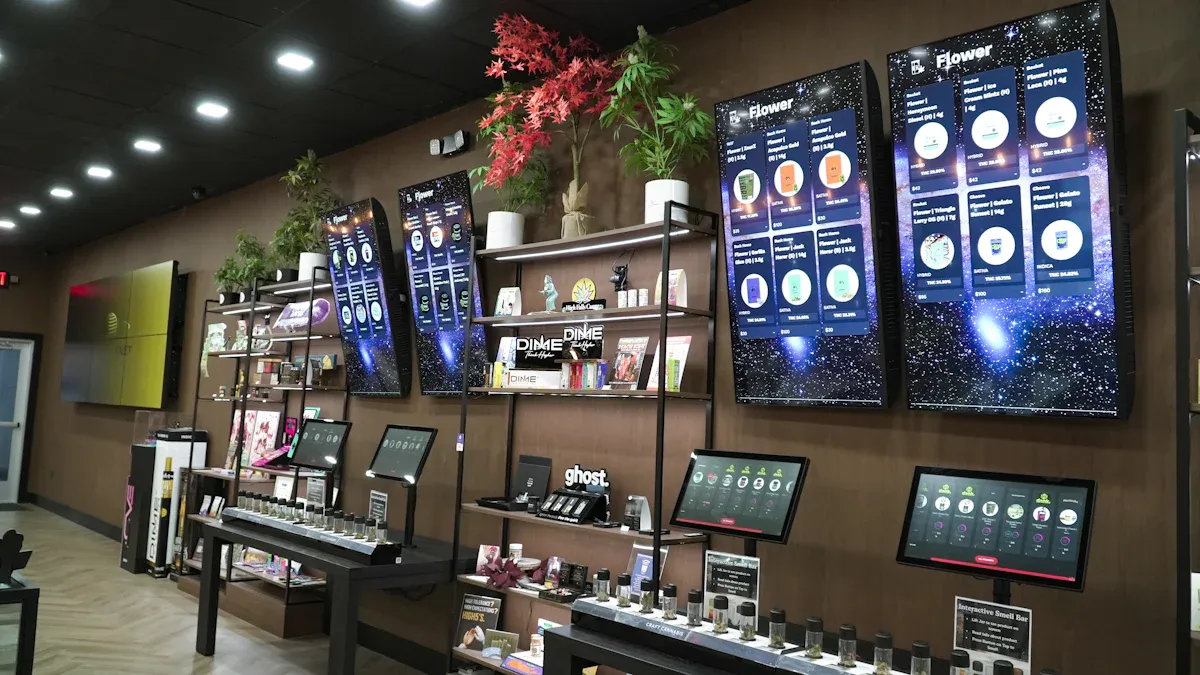
Imagine you walk into your local convenience store and see shelves that always have what you need. The checkout line moves quickly, and you get suggestions for snacks you actually like. This happens because edge computing powers real-time retail recognition. Stores now use instant inventory updates to prevent empty shelves and overstock. You see fewer delays at checkout because transactions process faster. Even if the internet goes down, the store keeps running smoothly. These changes help you enjoy a better shopping experience and help stores respond quickly to your needs.
Key Takeaways
Edge computing allows stores to process data locally, leading to faster inventory updates and improved customer experiences.
Real-time analytics help stores understand shopping patterns, enabling personalized promotions and efficient restocking.
Automated operations reduce manual tasks, allowing staff to focus on customer service and enhancing overall store efficiency.
Smart checkout systems speed up transactions, minimizing wait times and improving accuracy for a smoother shopping experience.
Edge computing supports sustainability by optimizing energy use and reducing waste, benefiting both the environment and store costs.
Edge Computing Impact on Retail
Real-Time Analytics
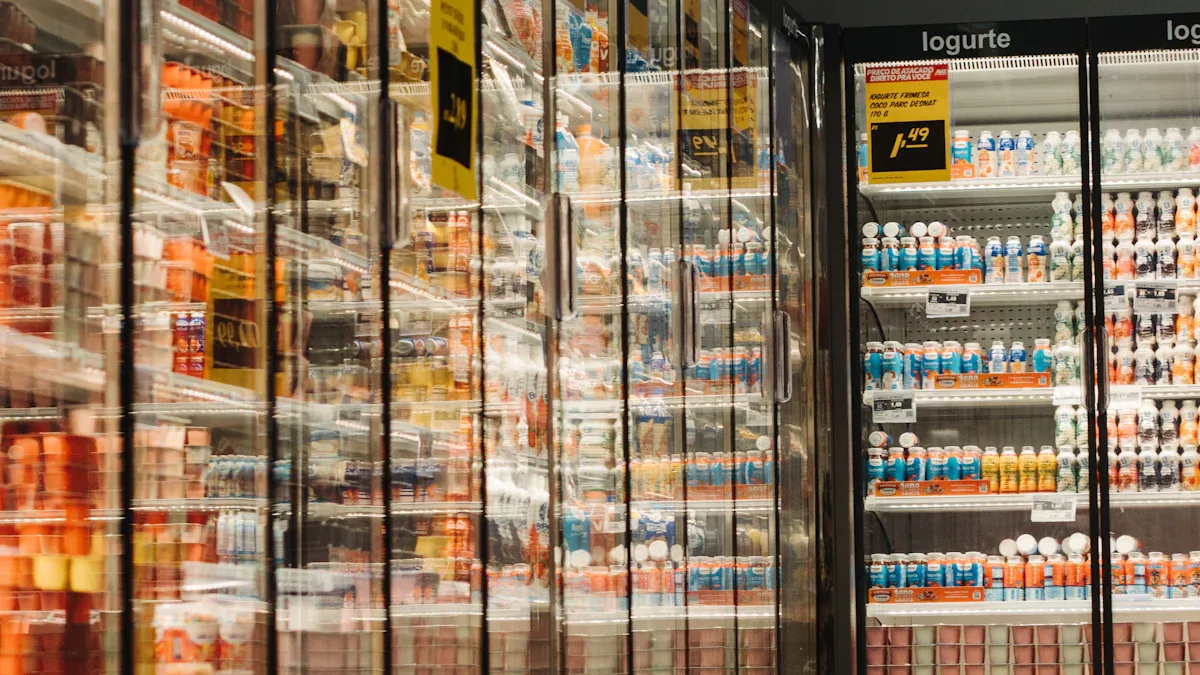
You can see how edge computing changes the way stores use data. When you walk into a store, sensors and cameras collect information about what you look at and what you buy. The system processes this data right in the store, not in a faraway cloud. This means you get faster results and the store can react quickly.
You help stores learn about shopping patterns as you move through the aisles. The system gives instant insights into what you like and what you need.
Stores can adjust prices and restock shelves right away. You do not have to wait for items to come back in stock.
Promotions can match your interests. You see deals that matter to you, not random offers.
Edge computing lets stores analyze data on the spot. You get a shopping experience that feels personal and efficient.
Enhanced Customer Experience
You notice the difference when stores use edge computing. The shelves stay full, and you find fresh products every time you visit. For example, the Rossi family uses a smart system to manage inventory in real time. This keeps products available and reduces waste by 25%. You enjoy fresher food and better choices.
The store predicts what you want based on your past visits. You see your favorite snacks and drinks ready for you.
Digital kiosks greet you with personalized offers. You feel valued and want to come back.
Faster service means you spend less time waiting in line.
At Casey's convenience stores, you get quicker service and fewer problems at checkout. These changes make your shopping trip smoother and more enjoyable. You leave the store satisfied and more likely to return.
Edge Computing Basics
What Is Edge Computing
You may wonder how stores make quick decisions without waiting for information from faraway servers. Edge computing helps stores process data right where it is collected, like inside your local grocery or convenience store. This means the store does not need to send all the information to a distant cloud. Instead, computers and smart devices in the store handle tasks such as tracking what is on the shelves or checking out customers.
Edge computing uses a decentralized model. You get faster service because the store can make decisions on the spot. This model also improves reliability and security. If the internet goes down, the store can still work well. You see fewer delays and smoother shopping.
Note: Edge computing supports modern retail needs, such as fast checkout and better inventory management. It helps stores keep up with the demands of today’s shoppers.
Here is a simple comparison between edge computing and cloud computing:
Aspect | Edge Computing | Cloud Computing |
|---|---|---|
Data Processing Location | Processes data locally at the network's periphery | Centralizes data processing in remote data centers |
Latency | Low latency, enabling real-time decision-making | Higher latency due to data transmission delays |
Use Case in Retail | Real-time inventory tracking to prevent stockouts | Centralized inventory management for supply chain |
Why It Matters for Small Stores
You see the biggest benefits of edge computing in small stores. These stores need to react quickly to what customers want. When you pick up an item, the system can update inventory right away. This helps the store avoid running out of popular products or having too much of something that does not sell.
Small stores often have limited staff and resources. Edge computing lets them automate tasks, like restocking alerts or price changes. You get a better shopping experience because the store stays organized and efficient. You also enjoy faster checkouts and more accurate promotions. With edge computing, small stores can compete with larger chains and keep you coming back.
Key Benefits for Convenience Stores
Reduced Downtime & Bandwidth Costs
You want your store to run smoothly, even when the internet is slow or unavailable. Edge computing helps you keep your systems working without interruption. You can process sales, update inventory, and manage security cameras right in your store. This reduces your need for constant cloud connections and lowers your internet costs.
Here is a table that shows how edge computing helps you reduce downtime and save money:
Feature/Benefit | Description |
|---|---|
End-to-end orchestration | Lets you manage many stores from one place. |
Resilience and zero-touch deployment | Keeps your store running without manual fixes or waiting for the cloud. |
Real-time visibility and failover | Makes sure checkout and stock control always work, even if the internet fails. |
Reduced TCO | Cuts your bandwidth costs and makes you less dependent on the cloud. |
Tip: You can keep your store open and serve customers, even during network problems.
Smart Shelves & Inventory Alerts
You want to know when products run low or when shelves need restocking. Smart shelves use sensors to track items in real time. You get alerts when stock is low, so you can reorder before you run out. This helps you avoid empty shelves and keeps your customers happy.
The table below shows how real-time inventory alerts improve your store:
Benefit | Description |
|---|---|
Immediate Updates | You see inventory changes right away, so you avoid mistakes. |
Enhanced Decision-Making | You get accurate data to help you buy and sell the right products. |
Improved Customer Satisfaction | You keep products available, so customers find what they want and return to your store. |
Reduced Inventory Shrinkage | You spot theft or damage quickly and fix problems fast. |
Streamlined Operations | You get automatic alerts for low stock, so you never overstock or run out of items. |
Note: Smart shelves and alerts help you save time and money by making inventory management easier.
Automated Operations
You can use edge computing to automate many tasks in your store. For example, you can set up systems that reorder products, adjust prices, or turn on lights without your help. This means you spend less time on routine work and more time helping customers.
Some stores use technology like Amazon’s Just Walk Out. This lets customers pick up items and leave without waiting in line. The system tracks what they buy and charges them automatically. You give your customers a fast and easy shopping experience.
Other automated systems include:
AI-powered cameras that watch for theft and alert you right away.
Sensors that control heating, cooling, and lighting to save energy.
Robots that help restock shelves or clean the store.
Callout: Automation helps you work smarter, not harder. You can focus on growing your business.
Operational Agility
You need to react quickly to changes in your store. Edge computing gives you real-time insights into what your customers want. You can change prices, launch new promotions, or restock popular items right away. This helps you stay ahead of trends and keep your store competitive.
Here are some ways you can use operational agility:
Use real-time data to spot which products sell best and adjust your orders.
Respond to customer feedback quickly by changing displays or offers.
Manage your store’s energy use and security systems from one dashboard.
You can see how stores like Amazon use edge computing to make fast decisions. Their systems analyze customer behavior and help them respond instantly. You can use similar tools to improve your store’s performance and customer satisfaction.
Tip: When you act fast, you keep your customers happy and your store running smoothly.
Practical Applications
Smart Checkout Systems
You can speed up your checkout process with smart systems that use edge computing. For example, the Mashgin system uses AI and 3D cameras to recognize items on a tray. You do not need to scan barcodes. You just place your items down, and the system identifies them in seconds. Most customers finish paying in about 5 seconds. This technology helps you avoid long lines and makes shopping easier.
Smart checkout systems also improve accuracy and reduce mistakes. The table below shows how these systems help your store:
Improvement Aspect | Description |
|---|---|
Product Recognition Accuracy | Advanced AI models identify products quickly and correctly. |
Processing Efficiency | Transactions happen faster, so you wait less. |
Error Rate Reduction | Fewer mistakes mean smoother checkouts. |
Real-time Processing | The system works instantly, even in busy times. |
You get a faster, more reliable checkout every time you shop.
Dynamic Promotions
You see special offers that match your interests when you shop. Edge computing helps stores show you deals based on what you like and what you buy. The system can change promotions in real time, so you always see the best offers for you. This makes shopping more fun and helps you save money.
Stores that use dynamic promotions see better results. The table below explains how these promotions help both you and the store:
Evidence Type | Description |
|---|---|
Increased Revenue Potential | Personalized deals encourage you to buy more, raising store sales. |
Conversion Rate Increase | Stores see 10-15% more people accept offers when they use smart promotions. |
You find more value in your shopping trip, and stores grow their business.
In-Store Analytics
You help stores learn more about how people shop. Edge computing lets stores process video and sensor data right away. This gives managers instant insights into foot traffic and customer behavior. Stores can track how many people enter, where they go, and how long they stay in each area.
Real-time data helps stores adjust layouts for better flow.
Managers can see which displays attract the most attention.
Stores use this information to improve staffing and make shopping more enjoyable.
You benefit from a store that feels organized and easy to navigate. Edge computing makes these improvements possible by giving stores the tools to react quickly.
Challenges of Edge Computing
Cost & Integration
You may want to upgrade your store with edge computing, but you face several challenges. High upfront costs can make you hesitate. You need to buy new hardware, software, and better connectivity. You also deal with complex data management. Handling information across many devices in your store can be confusing. You notice that different systems do not always work well together. The lack of standard protocols makes integration harder. You may struggle to find skilled workers who know how to set up and maintain these systems.
High upfront costs for hardware, software, and connectivity
Cybersecurity concerns for edge devices
Data management complexity across a distributed network
Lack of standardization between different solutions
Skills gap for deployment and maintenance
Tip: You can start small and expand as you learn more about edge computing. This helps you manage costs and integration challenges.
Data Security
You want to keep your store’s data safe, but edge computing brings new risks. Data privacy becomes a big concern. Unauthorized access can lead to identity theft or misuse of customer information. Edge devices often sit in places that are easy to reach, so physical security matters. You may find it hard to use traditional security measures because edge devices are so different. Verifying each device’s identity can be tricky. Software on these devices may have hidden flaws. You also need to protect your network, since data moves between many devices.
Data privacy risks from unauthorized access
Physical security issues for edge devices
Security measures may not scale well
Device authentication challenges
Software vulnerabilities
Network security threats from data transfer
Note: You should update your security systems often and train your staff to spot risks.
Staff Training
You need to prepare your team for new technology. Effective training programs help your staff understand edge computing and use it well. You can use different training components to build their skills.
Training Component | Description |
|---|---|
Associates learn detailed features and benefits of products, essential for understanding edge computing. | |
Customer Interaction Skills | Training on how to communicate product benefits to customers, crucial for tech sales. |
Sales Skills and Techniques | Hands-on training for upselling and handling objections, improving sales performance. |
Industry Trends and Big Picture Knowledge | Training on current tech trends, including edge computing applications, gives context to associates. |
Engaging, Gamified Training | Interactive elements help staff remember what they learn and stay engaged. |
Callout: You can boost your team’s confidence and performance with regular, engaging training sessions.
Future Trends
AI at the Edge
You will see artificial intelligence (AI) become a bigger part of edge computing in stores. AI can help you spot trends in what customers buy. You can use AI to predict which products will sell out soon. This helps you keep shelves full and reduce waste. AI can also help you understand customer behavior. For example, you can see which displays attract the most attention. You can use this information to improve your store layout.
Note: Edge computing will also help you protect customer privacy. As rules about data get stricter, you can process more information in your store instead of sending it to the cloud.
Omnichannel Expansion
You will notice that shopping will become more connected. Edge computing lets you link your store with online shopping, mobile apps, and delivery services. You can give customers the same experience whether they shop in person or online. For example, you can show real-time inventory on your website. Customers can see what is in stock before they visit. You can also offer quick pickup or delivery options.
Here are some ways omnichannel expansion will help you:
Give customers up-to-date product information.
Offer personalized deals across all channels.
Make shopping faster and easier.
Sustainability
You can use edge computing to make your store more eco-friendly. Smart systems can help you save energy by turning off lights and adjusting temperatures when the store is empty. You can track food freshness and reduce waste by removing expired items quickly. Edge computing lets you monitor your supply chain and choose greener options.
Sustainability Benefit | How Edge Computing Helps |
|---|---|
Energy Savings | Automates lighting and cooling |
Waste Reduction | Tracks inventory and freshness |
Greener Supply Chain | Monitors and optimizes deliveries |
Tip: When you use technology to save resources, you help the planet and lower your costs.
You see how edge computing changes your store. It gives you faster data, better inventory, and smoother checkouts. You can make smart decisions and improve your daily operations. Some challenges remain, like cost and training, but you can overcome them with the right plan. Stay curious and watch for new ways this technology will shape the future of retail.
FAQ
What is the main advantage of edge computing for my store?
You get faster data processing right in your store. This means you see real-time updates for inventory, sales, and customer behavior. You can make quick decisions and improve your daily operations.
How does edge computing help reduce costs?
You save money by lowering internet bandwidth needs. Edge devices process data locally, so you do not send everything to the cloud. You also avoid downtime, which keeps your store running and reduces lost sales.
Is edge computing secure for customer data?
You can keep customer data safer by processing it on-site. This reduces the risk of data leaks during transmission. Always update your security systems and train your staff to spot risks.
Do I need special staff to manage edge computing?
You do not always need new hires. Many systems offer easy-to-use dashboards. You can train your current team with short, focused sessions.
Can edge computing work if my internet goes down?
Situation | Edge Computing Response |
|---|---|
Internet outage | Store systems keep working |
Cloud unavailable | Local devices process data |
You keep serving customers even without internet.
See Also
Understanding AI-Driven Convenience Stores: Key Insights for Retailers
Comparing Micromarkets and Smart Stores: Global Automation Trends
Analyzing Walgreens Self-Checkout: Benefits and Retail Obstacles
The Future of Retail: Embracing AI-Enhanced Stores
Cloudpick's Cashierless Solutions: Enhancing Store Convenience
