Evaluate ROI easily for autonomous retail stores

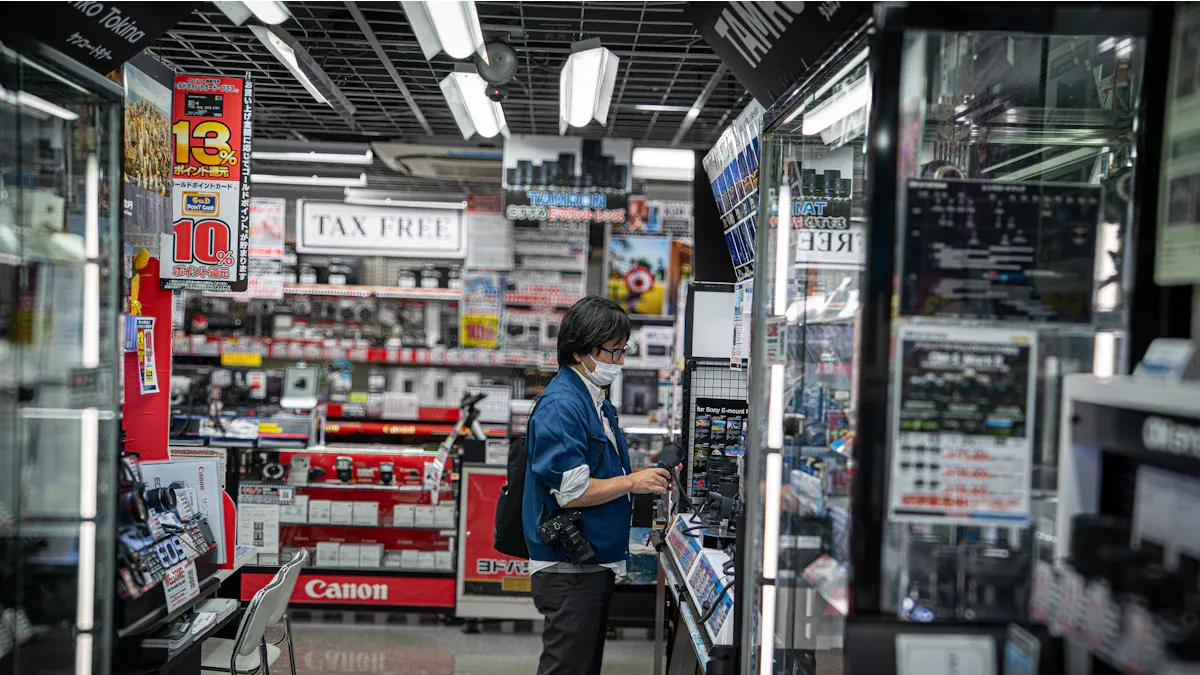
You can evaluate ROI for autonomous retail by examining how your small grocery or convenience stores utilize data. This approach enhances customer satisfaction and improves business outcomes. ROI illustrates the returns you receive from your autonomous investment. Autonomous retail enables small grocery stores to assist more customers, simplifies the shopping experience, and leverages data to reduce costs. Stores equipped with autonomous technology benefit from quicker transactions and generate more revenue from each customer.
Retail Model | Initial Setup Costs | Ongoing Operational Expenses | ROI Impact |
|---|---|---|---|
Autonomous Retail | High | Low (reduces over time) | Grows fast with more sales, good ROI |
Attended Retail | Lower | High (changing labor costs) | Not as good for busy stores with low profit |
Cuts costs
Lowers mistakes made by people
Makes stores run better
Region | Market Share in 2024 | Key Factors Driving Growth |
|---|---|---|
North America | Over 40% | Early use, strong tech, big investments |
Europe | About 30% | Good rules, focus on new ideas |
Asia-Pacific | Around 20% | Cities growing fast, people have more money |
Latin America | About 5% | Lots of room to grow |
Middle East & Africa | About 5% | Slow but steady use in different countries |
Key Takeaways
Know all costs before you check ROI for autonomous retail. Count setup costs, regular expenses, and money saved from less labor.
Use numbers to see benefits like more sales, happier customers, and lower costs. When customers are happy, ROI gets better.
Check key performance indicators often. Things like customer happiness and keeping workers show how your store is doing.
Use the ROI formula to look at your investment. Compare what you earn to what you spend to see if your store makes money.
Look at your plan often and change it using data. Checking often helps you find patterns and make smart choices to improve ROI.
Evaluate ROI for Autonomous Retail
Identify Costs
You need to know all costs before checking roi for autonomous retail and checkout-free stores. First, look at the money you spend at the start. Autonomous retail technology needs software, hardware, and services to work together. You also need help from experts and managers to set things up right. The table below shows how much these things can cost:
Cost Component | Estimated Cost Range |
|---|---|
Software licensing | $50,000 - $500,000 |
Hardware infrastructure | $20,000 - $200,000 |
Integration services | $75,000 - $250,000 |
Initial consulting | $100,000 - $300,000 |
Project management | $50,000 - $150,000 |
After you set up, think about costs that keep coming. Autonomous retail and checkout-free stores usually cost less to run than attended retail. You save money because you do not need as many workers. Technology takes the place of cashiers and helps you use your resources better. Real-time inventory management helps you waste less and lose less money from unsold items. Systems that use less energy and control temperature automatically lower your bills. These savings grow over time and make your roi better.
Upgrade costs for autonomous retail systems are not as high as the first setup. You spend more at the start, but you save money as your store works better. Autonomous retail means you do not need cashiers or full-time workers, so you pay less to run your store. The money you spend on technology pays off fast when you sell more. Attended retail stores have labor costs that change and make roi harder to guess.
When you check roi for checkout-free stores, you need to count all costs. Add up your first spending, regular costs, repairs, and upgrades. This way, you see all the costs and benefits and make smart choices.
Quantify Benefits
You need to count all the good things about autonomous retail and checkout-free stores. Saving money on workers is a big benefit. Automation can cut front-line labor costs by 20%. In some checkout-free fast-food stores, running costs drop by half. You save money by having less overtime and fewer mistakes with workers. These savings help you keep making money, even if profits are small.
How much you sell and earn depends on where your store is and what customers like. Autonomous retail works best in local and country areas. People there like easy shopping and fast service. In busy places, some people want stores with staff because they need more help. You should use data to learn about your customers and pick the best spot for your checkout-free store.
Customer experience gets better with autonomous retail technology. AI chatbots and helpers give support all day and offer tips just for you. Studies show customer happiness can go up by 25% with these tools. You can check this by looking at customer scores, how fast you answer, and how well you solve problems. Happy customers come back and help your roi grow.
Keeping workers also matters for your roi. Autonomous retail stores with flexible jobs lose fewer workers. You save lots of money on hiring and training when workers stay. When workers pick their hours, they work better, sometimes by 15-40%. Workers who care give better service, which makes customers happy and helps sales.
You can open autonomous retail and checkout-free stores in new places. These stores can go in train stations and tourist spots. You find new customers and grow your business. Busy places give you more chances to sell. Fast setup and flexible stores help you grow your network and make your roi better.
To check roi for autonomous retail and checkout-free stores, you need to count all the good things. Add up money saved on workers, more sales, less waste, better customer experience, keeping workers, and new locations. Use data to watch these benefits and compare them to your costs. This helps you make smart choices and get the most roi.
Tip: Use data from your store’s systems to check costs and benefits. Track often to change your plan and make your store work better.
ROI Calculation for Checkout-Free Stores
ROI Formula
You can figure out roi for checkout-free stores with a simple formula. This formula shows what you gain compared to what you spend. You need to know your total earnings and your costs. Autonomous retail makes this easier because you can track store data. Use the formula below to measure roi for autonomous retail and checkout-free stores:
Description | |
|---|---|
ROI = (how much you earned / cost of the investment) / 100 | This formula shows how much you get back by comparing what you earn to what you spend. |
You should collect data from your autonomous retail technology. This data shows your sales, costs, and customer visits. Use these numbers in the formula. When you check roi, you see if your checkout-free store gives more benefits than costs. You can also compare your results with other autonomous retail stores.
Tip: Track your data often. This helps you see changes in customer habits and store results. You can change your plan to get better roi and save more money.
Example Scenarios
You can look at real examples to learn how roi works for checkout-free stores. Autonomous retail gives you many ways to make your business better. You can see benefits in sales, customer happiness, and saving money. The table below shows common things to measure and how they help roi in autonomous retail:
Metric | Description |
|---|---|
Autonomous retail systems let stores stay open all day and cut wait times, so you get more sales and more transactions. | |
Increase Sell-Through Across Stores | AI analytics help you put products in better spots, like with seasonal fruit displays, which can boost sales in many stores by using customer data. |
Reduce Operational Costs | Fully autonomous stores need fewer workers, so you can manage stores from far away and keep work hours steady, even if stores stay open longer. |
Reduce Retail Shrink | Computer vision technology watches inventory and spots theft right away, giving better results than old loss prevention methods. |
Boost Customer Satisfaction | AI tools make shopping contactless and faster, which makes customers happier and brings them back. |
You can pick upgrades that give high roi for your checkout-free stores. These upgrades help you get more from your investment. The table below shows what to focus on when you want better roi in autonomous retail:
Why It Matters | |
|---|---|
Centralized Inventory | Keeps your store running smoothly |
Local Market Adaptation | Helps you give customers what they want |
Tech Investment | Connects stores and helps them grow |
You should check how your autonomous retail store is doing. You can use key performance indicators (KPIs) to see your progress. These KPIs show how well your checkout-free store works and where you can do better. Here are some KPIs you can use:
Task Completion Rate
Accuracy Metrics
Cost-Related Metrics
Efficiency Indicators
Customer Impact Metrics
Performance Scalability
You need to set a starting point for your store. Collect data before and after you make changes. Add up your total investment costs and measure direct and indirect benefits. Use the roi formula to see your results. You can compare your numbers with other checkout-free stores to find new ways to get better.
Note: Use data from your autonomous retail systems to track customer visits, sales, and savings. This helps you make smart choices and run your store better.
You can see that autonomous retail and checkout-free stores give you many good things. You get more sales, happier customers, and lower costs. You can use data to measure your roi and find new ways to grow your business.
ROI Metrics and Performance Tracking
Key Metrics
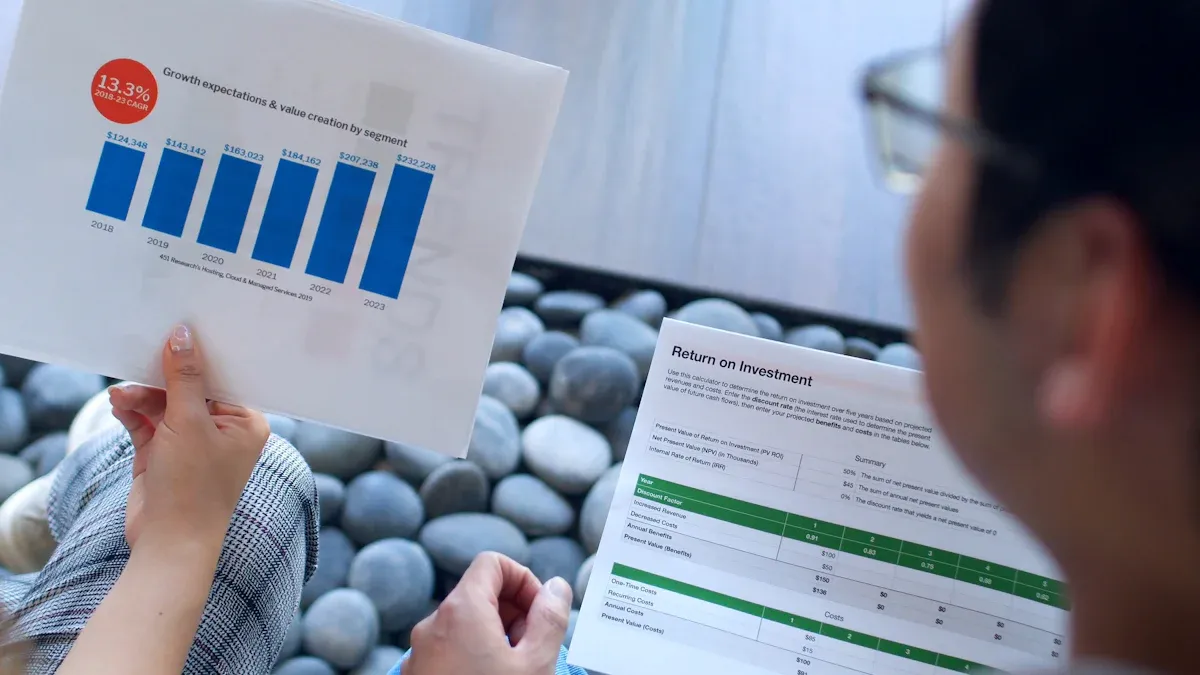
You need to watch the right metrics to check roi for autonomous retail and checkout-free stores. These important metrics show how your store does after you add autonomous technology. Focus on money, customer happiness, and keeping workers. Money metrics tell you how much you earn and save. Customer metrics help you see if shoppers are happy and like your store. Worker metrics show how well your team does and how much you save by keeping them.
You can use data from your autonomous retail systems to measure these things. The table below lists key customer metrics for checkout-free stores:
Metric | Description |
|---|---|
Customer Lifetime Value (CLV) | Shows how much money a customer brings over time. Helps you focus on high-value customers. |
Customer Satisfaction (CSAT) | Measures how happy customers are with your store. High scores mean better customer satisfaction. |
Customer Effort Score (CES) | Tells you how easy it is for customers to shop or solve problems. Lower scores mean less effort. |
Net Promoter Score (NPS) | Shows how likely customers are to recommend your store. High scores mean loyal customers. |
You should also keep track of worker retention metrics. These numbers help you see why keeping workers saves money. The table below explains how to measure worker retention in autonomous retail:
Metric | Calculation |
|---|---|
Turnover Cost Formula | Adds up costs for hiring, training, and lost work when workers leave. |
Retention Improvement Value | Shows direct savings when you keep more workers. |
Productivity Enhancements | Measures how much more work your team does when they stay longer. |
Quality Improvements | Tracks better customer satisfaction and fewer mistakes. |
Opportunity Expansion | Shows how your team helps your store grow and improve. |
Example Savings | You can save a lot of money by lowering turnover in checkout-free stores. |
Benchmarks
You need to compare your metrics to industry benchmarks to see how your autonomous retail store is doing. Benchmarks help you set goals and check your progress. For checkout-free stores, look at average customer happiness scores, sales per square foot, and worker retention rates. Many top autonomous retail stores get customer happiness scores above 85%. You can use your store’s data and compare it to these numbers.
You should also follow good ways to report your results. Use clear data from your autonomous retail systems. Track your metrics often and share what you find with your team. This helps you spot good things and make changes to improve roi. You can use retail media campaigns to get more customer interest and measure their effect with key metrics.
Tip: Pick regular times to check your data. Use benchmarks to find ways to make customers happier, work faster, and save money in checkout-free stores.
Ongoing ROI Monitoring and Adjustment
Review Process
You should check your store’s roi often. Collect data before and after you add new technology. This helps you see what changes happen in your store. Use customer feedback and surveys to learn if people like your store. Net Promoter Score (NPS) helps you know if customers will come back. Do a cost-benefit analysis to compare what you spend and what you get. Use the formula roi = (Benefit Value – Cost) / Cost. This shows if your store is making good gains. Share your results to show how your store grows and how customers feel.
Tip: Make a plan to check your data often. Check every month or every few months to find patterns and make smart choices.
Best Practices
You can use different tools and ways to check roi and keep your store working well. Feedback loops help you learn from your data and make your store better. Keep training your AI with new data so it gets smarter. A/B testing lets you try new ideas and see which ones work best. Advanced analytics help you know what customers do and help you manage your products. Predictive analytics can show what customers might want next.
Here are some tools you can use:
POS systems
Warehouse management systems
Inventory management platforms
Pricing tools
CRM
The table below shows how these tools help your store:
Tool/Methodology | Description |
|---|---|
Continuous AI Model Training and Optimization | Update AI with new data to make it more accurate and test new ideas. |
Integration with Advanced Analytics | Use data to learn about customer habits and make better choices for your products. |
You need to watch for risks to keep your roi safe. Start by finding risks in every part of your store. Look at old data to spot problems. Decide which risks are most likely and which can hurt your store most. Make plans using data to lower risks. Set up controls like security and staff training. Keep checking your risk plans and change them when your store changes.
Note: Use your store’s data to track visits, sales, and benefits. This helps you change your plan and keep your store working well.
You can check roi for autonomous retail by using easy steps. First, write down all costs and benefits with store data. Watch how many customers visit and how much you sell. See how autonomous technology makes shopping better. Use the table below to add non-money returns to your roi check:
Metric Type | Purpose |
|---|---|
NPV/IRR/payback | Check how money grows over time. |
TCO | Count all costs for setup and running. |
Outcome-based frameworks | Link metrics to business goals and new ideas, not just money. |
Keep checking your roi with store data and change your plan to make customers happier and your store work better. Use this checklist to help you:
Gather data about what customers do and what you sell.
Look at costs and benefits for autonomous retail.
Watch customer feedback and how long workers stay.
Check roi often and fix your plan if needed.
Learn about new retail trends. AI and machine learning use data to guess what customers want and help with marketing. You can make your store run smoother and give shoppers a better experience. Using data helps you grow your autonomous retail store and get more roi.
FAQ
What is autonomous retail?
Autonomous retail uses technology to run stores without cashiers. You shop, pay, and leave without waiting in line. Sensors and AI track what you buy. This system helps you save time and makes shopping easier.
How do you measure ROI for checkout-free stores?
You add up all costs and compare them to your earnings. Use store data to track sales, savings, and customer visits. The ROI formula helps you see if your store makes more money than you spend.
What benefits do autonomous stores offer?
You get faster service and fewer mistakes. Stores save money by needing fewer workers. Customers enjoy quick shopping. You can open stores in new places like airports or train stations.
How often should you check ROI?
You should check ROI every month or quarter. Regular tracking helps you spot changes and improve your store. Use customer feedback and sales data to guide your decisions.
What tools help track ROI in autonomous retail?
You can use POS systems, inventory platforms, and analytics software. These tools collect data about sales, costs, and customer visits. They help you make smart choices and improve your store’s performance.
See Also
Exploring Global Trends in Automated Convenience Retail Solutions
Understanding the Growth of AI-Driven Corner Store Innovations
The Future of Retail: Embracing AI-Enhanced Store Concepts
Launching an AI-Driven Corner Store on a Budget
Revolutionizing Online Retail Management with AI Technologies
