How to evaluate ROI for autonomous retail in Corporate offices & tech parks.

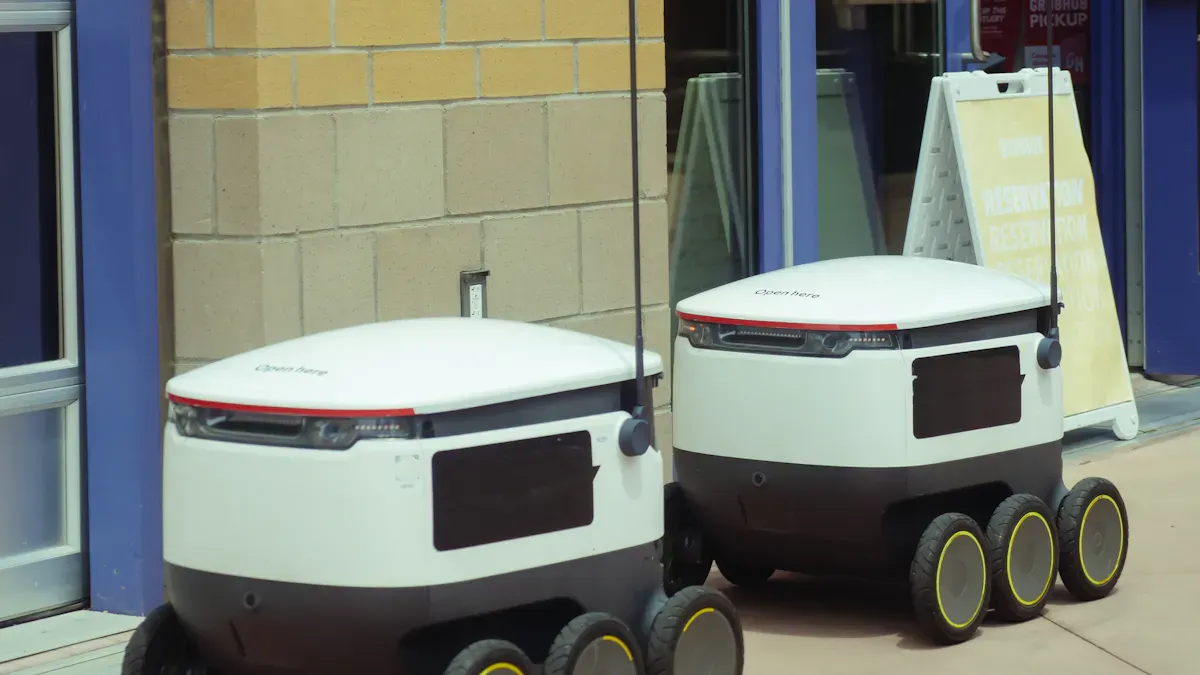
You need to define clear objectives and use structured processes when you evaluate roi for autonomous retail. Set goals that match your business needs. Connect your technology investment to real outcomes and the experience of your employees. Look at both numbers and feedback. Track results over time. Make changes as you learn what works best.
Key Takeaways
Define clear objectives for your autonomous retail investment. Align these goals with your overall business strategy to measure success effectively.
Use both quantitative data and qualitative feedback to evaluate ROI. Track metrics like employee satisfaction and customer experience alongside financial performance.
Implement continuous monitoring of your retail systems. Use AI tools to gain real-time insights and make adjustments quickly for sustained ROI.
Encourage collaboration across departments. Involve IT, finance, and operations to align projects with business goals and improve decision-making.
Regularly review your ROI metrics. Monthly assessments help identify issues early and allow for timely adjustments to enhance outcomes.
Setting ROI Objectives and Alignment
Defining Business Goals
You need to start with clear goals before you evaluate roi for autonomous retail. Think about what your company wants to achieve. Many organizations focus on three main objectives when they invest in retail technology:
Boosted morale and retention: Managers feel empowered, which helps keep talented people in your company.
Enhanced customer experience: Managers can make quick decisions to improve satisfaction and respond to trends.
Sharpened business acumen: Managers learn real-world business skills that prepare them for future leadership.
You should connect these goals to your overall business strategy. If you want to improve employee retention, measure how autonomous retail affects morale. If you want to enhance customer experience, track feedback and satisfaction scores. Use data to set targets and measure progress. This approach helps you evaluate roi in a way that matches your company’s needs.
Tip: Write down your goals and share them with your team. Clear communication helps everyone understand the benefits and focus on the same outcomes.
Aligning IT Initiatives with Consumer Experience
You must align your IT projects with what employees and visitors want. Autonomous retail lets you place stores in new locations, which means you can reach people where they work. This flexibility allows you to deploy solutions quickly and lower costs. You can fill gaps in your location portfolio and offer more choices.
To align your IT initiatives, try these steps:
Move inventory closer to employees for quick access.
Meet different needs by offering a variety of products.
Work with leaders from different departments to create a unified approach. Rethink your processes and look for ways to improve efficiency. Identify key value levers, such as better service or faster delivery. Track kpis like usage rates and satisfaction to measure return on investment. When you use both numbers and feedback, you get a full picture of your roi.
Key Metrics to Evaluate ROI
Financial Metrics and Cost Analysis
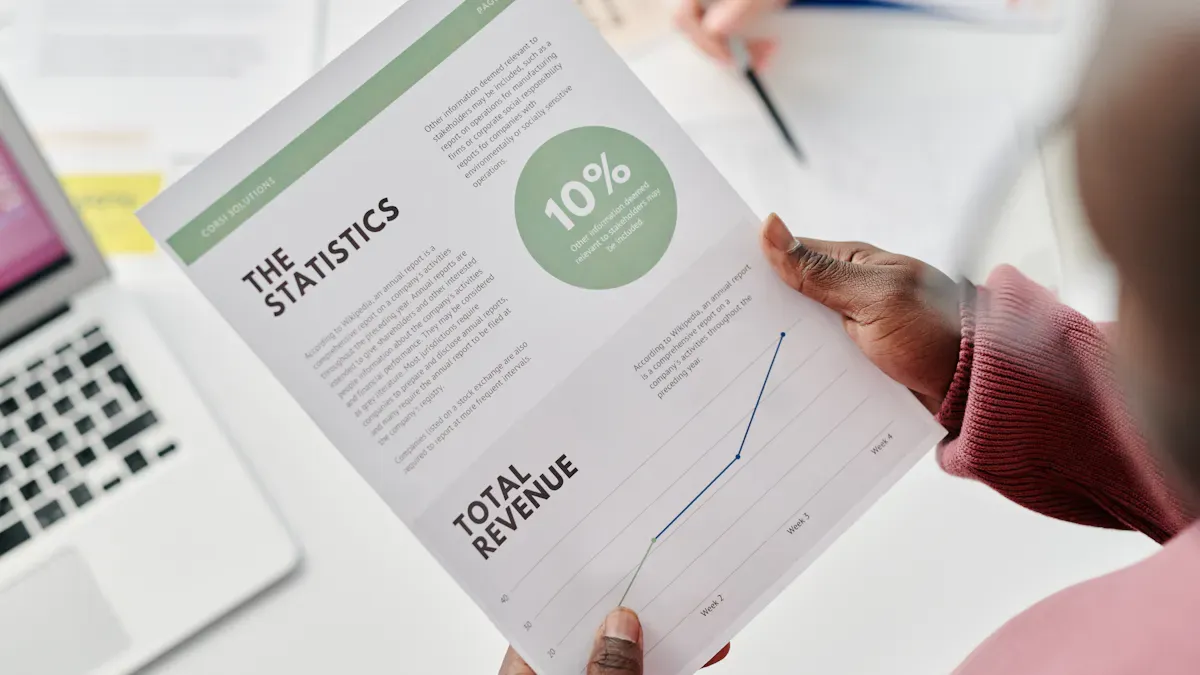
You need to evaluate roi for autonomous retail by looking at financial performance first. Start with cost reduction. Autonomous retail helps you lower inventory carrying costs and keep stock levels optimal. You can also increase revenue by improving product assortment and placement. These changes lead to higher sales. When you automate retail decision-making, you reclaim time that employees used to spend in meetings. This shift lets your team focus on more valuable tasks. You also save time on tracking data, which boosts productivity. These benefits help you balance net profit against investment costs and measure the roi of your retail projects.
Cost reduction from lower inventory levels
Revenue growth from better product placement
Time savings from automated decision-making
Less time spent tracking data
Operational Efficiency and Productivity
You can measure operational efficiency by tracking how well your systems work together. Many organizations connect legacy building management systems with flexible platforms. This integration gives you standardized data and centralized control. Predictive analytics help you spot issues before they become problems. You can use key performance indicators to measure energy use and overall performance. Some companies have seen a 98% reduction in onboarding time and automated over 60% of service tickets. These improvements lead to annual savings and higher productivity. Use dashboards to monitor these kpis and get real-time insights for better retail decision-making.
Standardized data integration
Predictive analytics for proactive issue detection
Key performance indicators for energy and operations
Automated service processes
Employee and Consumer Experience
You should not ignore qualitative metrics when you evaluate roi. Employee and consumer experience play a big role in return on investment. Use the following table to track important metrics:
Metric | Description |
|---|---|
Net Promoter Score (NPS) | Measures customer loyalty and willingness to recommend your brand |
Customer Satisfaction (CSAT) | Shows how happy customers are with your retail services |
Customer Effort Score (CES) | Tells you how easy it is for customers to use your retail solutions |
Customer Sentiment | Analyzes feedback and reviews to gauge feelings toward your brand |
Tracks how involved and committed employees feel | |
Employee Satisfaction Score | Measures satisfaction with work environment and job experience |
Absenteeism | Monitors employee attendance and engagement |
Training Participation Rate | Shows how invested employees are in learning and development |
Performance metrics | Assesses productivity and engagement through individual and team results |
Tip: Use dashboards to track these metrics and set forward-looking kpis. This approach helps you keep improving and ensures you are tracking roi over time.
Measuring ROI: Methods and Frameworks
ROI Calculation Formulas
You need a clear formula to measure the roi of autonomous retail in your office or tech park. The most common method uses a simple calculation. This formula helps you see if your investment brings real value. You can use the table below to understand how to apply it:
ROI Formula | Description |
|---|---|
(Net Gain from Investment – Cost of Investment) / Cost of Investment | This formula calculates the return on investment, commonly used for various investments. |
You can also use a percentage version. Multiply the result by 100 to get the roi as a percentage. For example, if your net gain is $20,000 and your cost is $10,000, your roi is 100%. This formula works for many types of retail projects. It helps you compare different investments and see which ones give the best results.
Tip: Always include all costs, such as setup, maintenance, and training, when you do your roi calculation. This gives you a true picture of your investment.
AI ROI Frameworks and Dashboards
You can use AI frameworks and dashboards to track the performance of your autonomous retail solutions. These tools help you collect and analyze data in real time. You can see how your retail systems perform across different areas. The table below shows the main types of metrics you should track:
Metric Type | Metrics |
|---|---|
Operational Metrics | Automation rate, Containment rate, Escalation rate, Resolution time, Accuracy rate |
Customer Experience Metrics | Customer satisfaction scores, Net Promoter Score (NPS), Customer effort score, Sentiment analysis, Repeat contact rate |
Financial Metrics | Cost per interaction, Cost avoidance, Revenue influence, Customer retention impact, Implementation ROI |
You should set up dashboards that show these metrics. This helps you spot trends and make better decisions. AI can give you insights that improve productivity and customer experience. You can use these tools to track kpis and see the benefits of your retail investments over time.
Note: Different AI applications in retail, such as pricing or assortment management, may show different values. Always check both costs and returns for each project.
Translating Metrics into Business Value
You need to turn your numbers and feedback into real business value. Focus on metrics that connect to outcomes like user retention and revenue growth. Do not just look at flashy numbers. Treat each decision as an experiment. Make a guess, test it, and change your plan based on what you learn. This approach helps you improve your retail systems step by step.
Focus on metrics tied to outcomes, such as user retention and revenue growth.
Treat decisions as experiments. Frame them as guesses, test them, and adjust based on results.
Integrate data analysis into every workflow. Give your teams real-time access to data for better decision-making.
You should use a structured process for measuring roi. Include both technical and human factors. Look at how your retail solution affects productivity, trust, and usability. This gives you a full view of your investment’s impact. Remember, roi can change based on how you use AI in your retail environment. Always compare the financial impact with the expected returns.
Callout: Ongoing measurement and adaptation are key. Use comprehensive frameworks that include human, time, and context factors. This ensures your roi measurement matches real productivity and value.
By following these steps, you can measure the roi of autonomous retail in a way that supports your business goals. You will gain insights that help you make better decisions and maximize the benefits of your investment.
Best Practices for Sustaining Return on Investment

Continuous Monitoring and Improvement
You can sustain roi by using continuous monitoring and improvement. Autonomous ROI Engines help you track your retail projects in real time. These engines use ai to analyze data and give you insights at every stage. You can see what works and what needs to change. Real-time monitoring lets you adjust quickly. You do not need to collect data by hand. You can use descriptive, diagnostic, predictive, and prescriptive analytics to improve your results. Reinforcement learning helps your system adapt to new trends. This process boosts productivity and keeps your retail solutions effective.
Tip: Set up regular reviews with your team. Use dashboards to track key metrics and make quick decisions.
Overcoming Adoption Barriers
You may face challenges when you bring autonomous retail to your office or tech park. Many leaders do not know how to start with ai. You need to plan for regular hardware checks and software updates. Make sure your systems work well together. Fast issue resolution keeps your store running and protects roi. Common barriers include gaining acceptance, integration with old systems, and cybersecurity risks. You can overcome these by building strong data management and security practices. Invest in team skills and technology partnerships. Show the benefits through improved customer experience and operational efficiency.
Schedule hardware maintenance and calibration.
Ensure software works with other systems.
Train your team and build partnerships.
Respond quickly to any issues.
Cross-Department Collaboration
You can maximize roi by encouraging collaboration between it and finance teams. Bring together IT, data science, marketing, sales, and operations. Each group offers unique insights. This teamwork helps you align ai projects with business goals. You get better decision-making and more successful retail outcomes. Collaboration leads to improved customer experience and higher productivity.
Description | |
|---|---|
Real-time adjustments | AI changes offerings based on demand and competition. |
Dynamic pricing | Prices adjust to attract more consumers. |
Enhanced customer service | AI improves service speed and quality. |
Improved personalization | Data links create tailored interactions. |
Quicker response to promos | AI reacts fast to changes like weather. |
Note: Use ai-driven systems for real-time marketing and personalized customer journeys. Test and optimize your strategies often to see the best results.
You need a structured, data-driven approach to measure roi in autonomous retail. Studies show that clear frameworks and strong planning lead to better finance outcomes and higher cost savings. Agentic AI systems help you adapt your strategies by using real-time feedback and improving decision-making. Combine financial and experience metrics for a full view. Keep reviewing your results and make changes as you learn.
Continuous improvement helps you get the most value from your investment.
FAQ
What is autonomous retail in corporate offices?
You use autonomous retail to offer self-service shopping in your office. Smart technology handles payments, inventory, and customer service. You get convenience and speed without needing cashiers.
How do you measure ROI for autonomous retail?
You track costs, savings, and employee satisfaction. Use simple formulas to compare gains and expenses. Dashboards help you see trends and make better decisions.
What are the main benefits for employees?
You give employees quick access to snacks and essentials. This saves time and boosts morale. Employees feel valued when you provide easy shopping options at work.
How often should you review ROI metrics?
You should check your metrics every month. Regular reviews help you spot problems early. You can adjust your strategy for better results.
What challenges might you face with autonomous retail?
You may face issues with system integration, user adoption, or security. You solve these by training your team and updating your technology. Good planning helps you avoid most problems.
See Also
Exploring Global Trends in Automated Convenience Retail Solutions
Starting a Low-Cost AI-Driven Corner Store Business
Enhancing Office Efficiency Through Smart Vending Machines
Understanding the Growth of AI-Enabled Corner Store Concepts
Advantages and Features of AI-Enhanced Combo Vending Machines
