How Frictionless Payment Systems Improve Passenger Experience in Transit Hubs

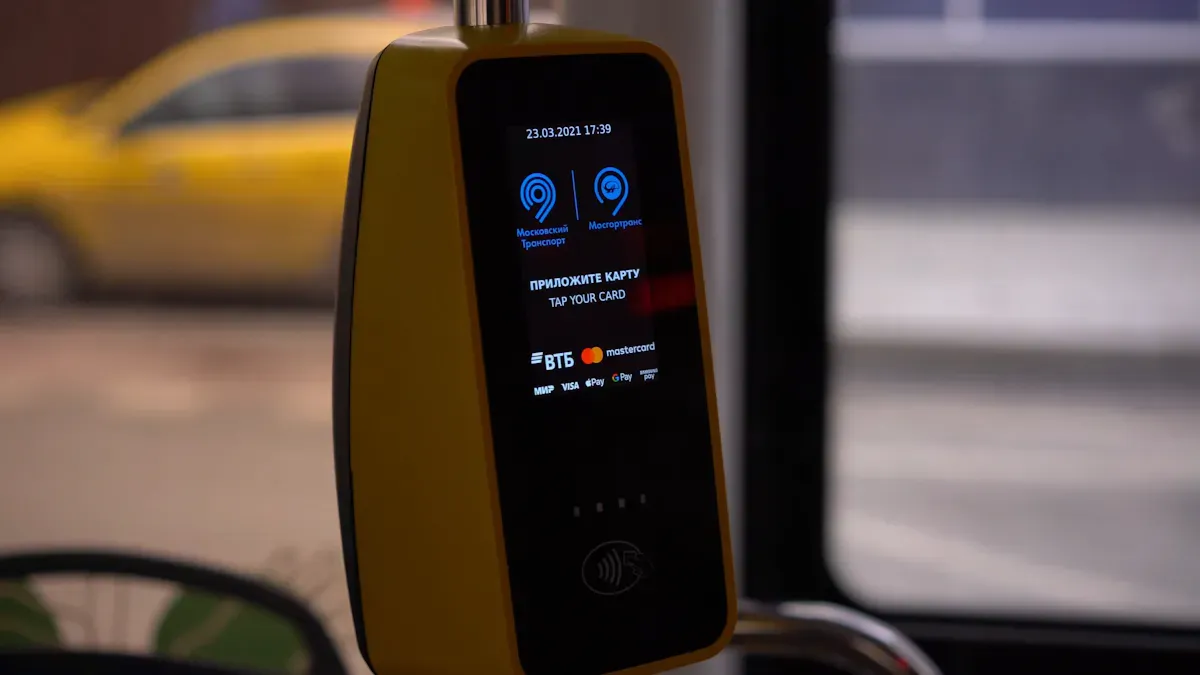
Frictionless payment systems change how people travel in airports and transit hubs. These systems help travelers go through gates and shops faster. They do not have to wait as long or use cash or cards. People feel safer because contactless options mean less touching things and fewer crowds. Many airports use just-walk-out retail to follow health rules and gain trust. This makes the passenger experience smoother, quicker, and more fun for all.
Key Takeaways
Frictionless payment systems help people pay fast. Passengers do not need cash or cards to pay. This makes travel quicker for everyone.
Touchless payments keep people safer. They lower contact between travelers. This helps people feel safe on their trip.
Self-service kiosks and automated gates control crowds. They make wait times shorter. This gives passengers a smoother experience.
Flexible payment options let travelers choose how to pay. Mobile wallets and contactless cards give more control to passengers.
Smart technologies like AI and real-time monitoring make things work better. Transit hubs use these tools to help passengers more.
What Are Frictionless Payments?
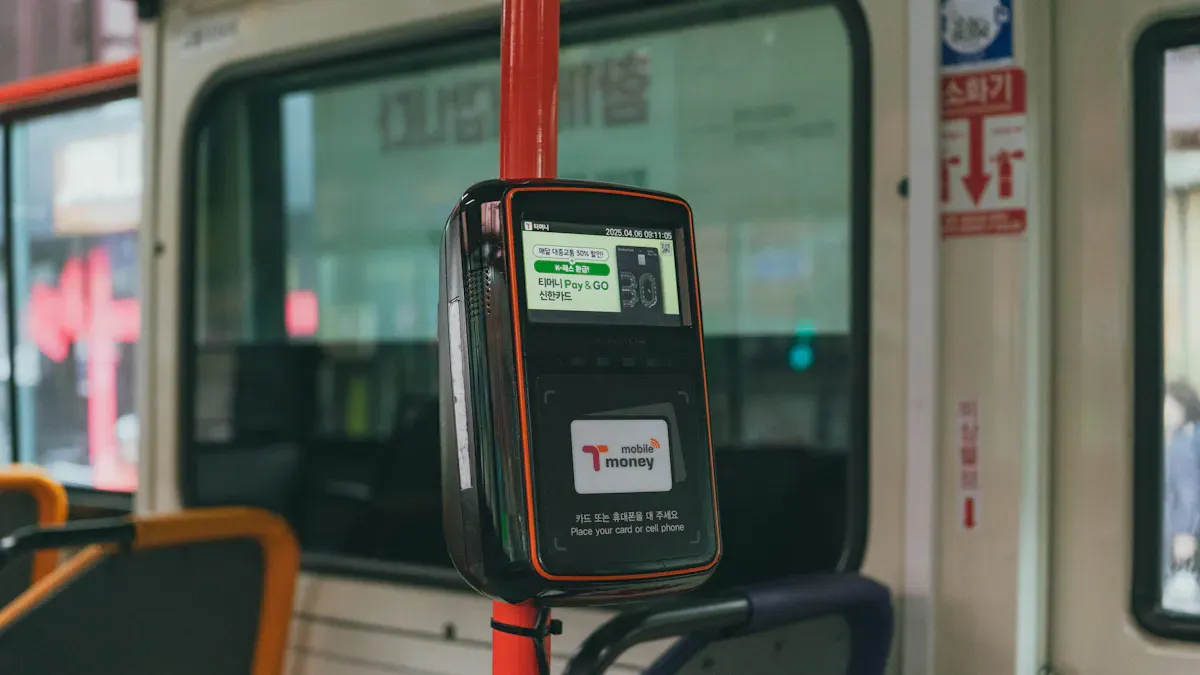
Frictionless payments are systems that let travelers pay fast. People do not have to wait or do hard steps. Technology helps make paying simple and quick. In airports and transit hubs, frictionless payments help people move easily. Travelers can buy tickets or shop without using cash or cards. This way, passengers feel less stress and save time.
Key Features of Frictionless Systems
Frictionless payment systems in transit have many important features:
Let people pay quickly and without touching anything.
Support many ways to pay, like cards, digital wallets, and apps.
Use RFID, NFC, and QR codes for easy tap-and-go payments.
Work with gates and barriers to help people get through faster.
Process payments right away and work with different services.
Keep payments safe with encryption and follow rules.
Can handle busy times and more people when needed.
Have options for booking ahead, loyalty rewards, and changing prices.
Use apps so travelers can find parking, reserve spots, and pay easily.
Make cash less needed, which lowers costs and keeps things safer.
Tip: Some frictionless systems use voice commands and blockchain for more safety and hands-free use.
Here is a table showing common features:
Feature | Description |
|---|---|
One card, one tap | Passengers use a contactless card or phone to get transit services easily. |
Convenient | Bank cards or mobile wallets work for all riders. |
Adaptive | Pay-as-you-go and fare caps help frequent travelers. |
Quick | Tap-and-pay makes boarding faster and keeps lines short. |
Works anywhere | Payments work even in far or underground places. |
Saves on cash | Cashless systems lower costs and make things safer. |
Types Used in Airports and Transit
Airports and transit hubs use different frictionless payment technologies:
NFC (Near Field Communication): Travelers tap phones or cards to pay right away.
QR Code Payments: People scan codes with their phones to pay.
Mobile Wallets: Services like Apple Pay and Google Pay are fast and safe for users.
Contactless Cards: Credit and debit cards with tap features are easy for many people.
Emerging Technologies: Some airports try wearable devices and biometric checks for more security.
These technologies work together for a smooth trip. Travelers can pay, board, and shop with little effort. This makes the passenger experience better.
Benefits for Passenger Experience

Reduced Wait Times
Frictionless payment systems help people move faster in airports. Passengers tap cards or devices to board without using cash. They do not need to wait for staff to help them. Self-checkout kiosks and payment stations make buying things quick. Travelers spend less time waiting in lines. Biometric checks and mobile payments also help speed up identity checks. These tools mean less touching and faster boarding. This technology makes lines shorter and helps people get through faster.
Note: Autonomous systems help people move better and show real-time line updates, which helps stop crowds during busy times.
Passengers can shop any time because frictionless systems work all day and night.
These systems use fewer cashiers, so lines do not get stuck.
Better line management means people wait less.
Benefit | Description |
|---|---|
Faster Boarding Times | Passengers get through gates and onto buses faster, so there are fewer crowds and delays. |
Reduced Dwell Time | People board faster since they do not need to use cash. |
Contactless payments make boarding easier and better for everyone. |
Touchless and Safe Payments
Touchless payment systems keep travelers safe by lowering contact. Passengers pay with contactless cards, mobile wallets, or QR codes. This helps people stay apart and keeps things clean. During COVID-19, many places let people pay more with contactless to stay safe. These systems stop people from using cash, so there is less risk of theft. Security tools like EMV and encryption help stop fraud and keep payments safe.
Visa says 46% of travelers care about safety and cleanliness from contactless payments.
Touchless systems lower touching, which helps stop the spread of sickness.
Not using cash means less chance of theft.
Tip: Touchless tech is important for keeping public places clean, since shared things can spread germs.
Enhanced Convenience
Frictionless payment systems make travel easier for everyone. Passengers can pay how they want, like with cards, mobile wallets, or wearables. Airports have contactless shopping, self-checkout, and smart stores. AI makes shopping and boarding feel easy and personal. Travelers can handle payments their way, and systems support different ways to pay.
45% of travelers are more likely to buy extras if they can pay their way.
Checkout-free stores, like Hudson Nonstop, let people buy things fast before flights.
Smart POS tech makes paying simple and keeps guests happy.
“At Kaptio, the key to success in the travel industry is creating frictionless, personalized experiences for travelers.”
Convenience Feature | Impact on Passenger Experience |
|---|---|
Flexible Payment Options | Travelers pay easily and pick what works best for them. |
Seamless Integration | Systems work with many gateways for smooth checkout. |
Personalized Packaging | Dynamic choices make the passenger experience better. |
Frictionless payment systems work with other travel tech to make trips smoother. Payment platforms handle payments by location and currency. This stops payment mistakes and lets real customers finish buying. These new ideas make travel faster, safer, and easier for everyone.
Smart Technologies in Transit Hubs
Self-Service Kiosks and Self-Checkout
Self-service kiosks and self-checkout are now very important in transit hubs. These tools let travelers buy tickets or pay for things without waiting for help. Airports use these systems to make buying faster, even when it is busy. Passengers can use them any time, day or night. This helps people who travel early or late. Fewer cashiers are needed, so lines do not get stuck. Better line control makes the airport trip easier for everyone.
Tip: Self-service lets travelers do things on their own and feel less worried during their trip.
Virtual Queues and Automated Gates
Transit hubs use virtual queues and automated gates to help crowds move. These systems work with fare collection to make things run better. Staff can see crowded spots right away with live monitoring. Tools that look at old data can guess when lines will get long. Smart gates change how people enter and leave based on live info, so workers can act fast.
Feature | Description |
|---|---|
Integration with AFC | Automated gates work with fare systems to manage flow. |
Real-Time Flow Monitoring | Live counts track passenger density and prevent crowding. |
Predictive Queue Management | Past data predicts busy times and helps manage lines. |
Dynamic Flow Management | Smart gates use real-time data for quick responses. |
These tools help stop crowds and make travel less stressful for passengers.
AI and Data-Driven Personalization
Artificial intelligence and data tools now help transit hubs serve travelers better. AI helps control how people move and tells staff when it will get busy. Machine learning watches how people and bags move, making trips smoother. Airports use cameras and sensors to check traffic and change services right away. Data helps workers know what travelers want. They use this to send special messages, change prices, and give support. AI also gives travelers tips and help during their trip.
AI helps people and bags move better.
Data helps guess what people need and set prices.
Special tips and support make travelers happier.
Transit hubs that use smart technology can meet new needs and make trips better for everyone.
Operational Impact on Service Delivery
Efficiency and Cost Savings
Transit operators get big gains in efficiency and save money with frictionless payment systems. These systems make fare collection easier and cut down on cash handling. Operators do not need old ticket machines, so they spend less on repairs. EMV technology lets people pay and check in with one tap. This makes boarding faster and cuts down on waiting. Agencies use payment data to plan better routes and run things more smoothly. Universal fare systems let travelers use one digital wallet for buses, trains, and more. Operators have fewer mistakes with cash and can balance money faster.
Frictionless payments mean less cash and fewer ticket machines.
EMV technology helps people board quickly and wait less.
Payment data helps plan better routes and times.
Universal fare systems make paying easy for all transit.
Error Reduction and Reliability
Frictionless payment systems make fare collection more reliable and lower mistakes. Closed-loop payment systems take away problems with transactions, so fare collection is smoother. Pre-loaded e-wallet accounts help stop chargebacks and fraud, so payment fights are rare. Strong encryption and user checks keep payments safe and block people who should not get in.
Evidence | Explanation |
|---|---|
Closed-loop payment systems | Fare collection is smoother with fewer mistakes and delays. |
Pre-loaded e-wallet accounts | Fewer chargebacks and fraud, so payments are more reliable. |
Advanced encryption and authentication | Payments are safe, and only the right people can use them. |
How Operations Affect Passenger Experience
Better operations from frictionless payment systems make passengers happier. People move through lines faster and feel better about their trip. They pay by tapping a card or phone, so they do not wait long. Touchless payments help keep travel safe and clean. Travelers can pick how and when to pay, which gives them more control. These systems are easy to use, so people trust them and feel satisfied.
Passengers move faster and wait less in line.
Touchless payments help keep things clean and safe.
Travelers choose how they want to pay.
Easy systems help people trust and enjoy their trip.
Transit hubs with frictionless payment tech run better and make travelers happier. These changes help both workers and passengers, so travel is easier and more fun.
Frictionless payment systems make transit hubs better by giving speed, safety, and ease. Passengers board faster and use touchless payments that are safe. Digital wallets work well with these systems. New technology like AI and biometrics will make things more personal and automatic. Most riders want contactless services, and this is growing fast. Transit authorities run things better, and travelers get more choices. Smart payment solutions keep improving, so trips are smoother and more fun.
Passengers want easy payments for all ways to travel.
Transit agencies need to focus on integration, safety, and training staff.
Travelers can make trips better by using digital wallets and contactless payments.
FAQ
What is a frictionless payment system?
A frictionless payment system lets travelers pay fast. They do not need cash or to touch things. People use cards, mobile wallets, or wearables. These systems help travelers move quicker in transit hubs. Passengers feel less stress when paying this way.
Are frictionless payments secure?
Yes. Frictionless payment systems use encryption and authentication. They keep user data safe and stop people who should not get in. Operators follow strict rules to protect payments.
Can travelers use any device for frictionless payments?
Most frictionless systems work with many devices. Travelers can use smartphones, smartwatches, or contactless cards. Some hubs also let people use QR codes and biometric options.
How do frictionless payments help during busy travel times?
Frictionless payments make lines shorter and boarding faster. Passengers tap and go, so crowds keep moving. Staff can help travelers instead of handling cash.
See Also
Vending Machines Through Time: Transitioning to Digital Payments
How Cash Vending Machines Have Adapted to Digital Currency
Enhancing Store Experience: Cashierless Solutions by Cloudpick
Resolving Self-Checkout Issues: Tips for Seamless Transactions
