Future trends of AI-powered retail in Universities & campus retail.


AI transforms campus retail by making shopping smarter and more personal. Students see product suggestions and promotions that match their needs. Staff complete tasks faster because ai handles routine work. Administrators use real-time analytics from ai to make better decisions. AI-powered retail increases engagement and loyalty by improving the shopping experience. Students also gain valuable skills in data analysis and machine learning, preparing them for future careers. AI helps everyone on campus work smarter and stay ahead in a changing world.
Key Takeaways
AI enhances campus retail by personalizing shopping experiences, making it easier for students to find products they love.
Automation, like self-checkout and cashierless technology, speeds up shopping and reduces wait times, improving overall satisfaction.
AI-driven insights help stores manage inventory effectively, ensuring popular items are always available while minimizing waste.
Students benefit from AI-powered tools that provide real-time support and personalized recommendations, making shopping more enjoyable.
Universities must prioritize ethical AI use and student privacy to build trust and ensure responsible data management.
Why ai-powered retail matters on campus
Technology’s role in student shopping
AI-powered retail changes how students shop on campus. Smart systems learn what students like and suggest items that match their habits. Personalized messages show deals and offers that matter to each person. Frictionless checkout lets students pay quickly and get back to class or activities. These features make shopping easier and more enjoyable.
Note: Technology, especially ai in retail, has changed student shopping behavior. Students now see personalized recommendations and targeted ads. This makes shopping more convenient, but it can also lead to quick decisions. Many students in Southeast Asia, for example, shop online because of emotional and social reasons. This shows how important it is for students to understand how ai influences their choices.
The table below shows how ai in retail increases student trust and engagement:
Benefit | How AI Helps on Campus Retail |
|---|---|
Convenience and Access | Keeps shelves stocked and reduces wait times |
Security | Reduces theft risks and protects inventory |
Personalization | Offers real-time insights and personalized shopping |
Evolving expectations in campus retail
Students expect more from campus stores today. They want 24/7 engagement through ai-powered chat tools and digital assistants. These tools give instant updates, personalized recommendations, and easy navigation in both shopping and academic tasks. Students see ai as a way to support, not replace, human help.
Universities now use ai in retail as a core strategy. By 2026, many schools will rely on ai for predictive enrollment and automated student advising. About 15% of colleges already use ai for continuous support. This shift shows that ai-powered retail is not just a trend but a necessity for meeting modern student needs.
Students expect:
Personalized, accessible, and responsible tools.
Seamless experiences in both learning and shopping.
AI that adapts to their unique preferences.
AI-powered retail helps universities stay competitive. It turns campus stores into smart spaces that meet the demands of today’s students.
Personalization and hyper-personalization
Tailored experiences for students
Personalization in campus retail uses ai to create shopping experiences that fit each student’s needs. Hyper-personalization takes this further by using real-time data, such as purchase history and browsing habits, to suggest products or services that match a student’s unique preferences. For example, a student who often buys snacks before evening classes might see special offers for healthy snacks at the right time of day. This approach helps students feel understood and valued.
Customer experience personalization improves when ai systems keep recommendations simple and relevant. A recent study with college students showed that short lists of personalized suggestions, usually three or four items, lead to higher purchase intentions than longer lists. Students respond best when they find the recommendations useful and enjoyable. They do not need long explanations about why the system chose those items. Hyper-personalization makes shopping more fun and efficient, which increases satisfaction and loyalty.
AI-driven promotions and recommendations
Ai-driven promotions and recommendations help campus stores boost sales and attract more students. These systems analyze student data to send targeted discounts and product suggestions. When stores use hyper-personalization, they see more visits and higher sales. The table below shows the impact of ai-driven promotions in campus retail:
Metric | Result |
|---|---|
Increase in store visits | +23% |
Increase in sales | +20% |
Return on investment | 2x (for every $1 spent, $2 earned) |
Personalization and hyper-personalization allow campus retailers to move away from generic marketing. Instead, they focus on what each student wants. Ai helps stores deliver the right message at the right time, making shopping easier and more enjoyable for everyone.
AI shopping assistants and conversational commerce
Enhancing student engagement
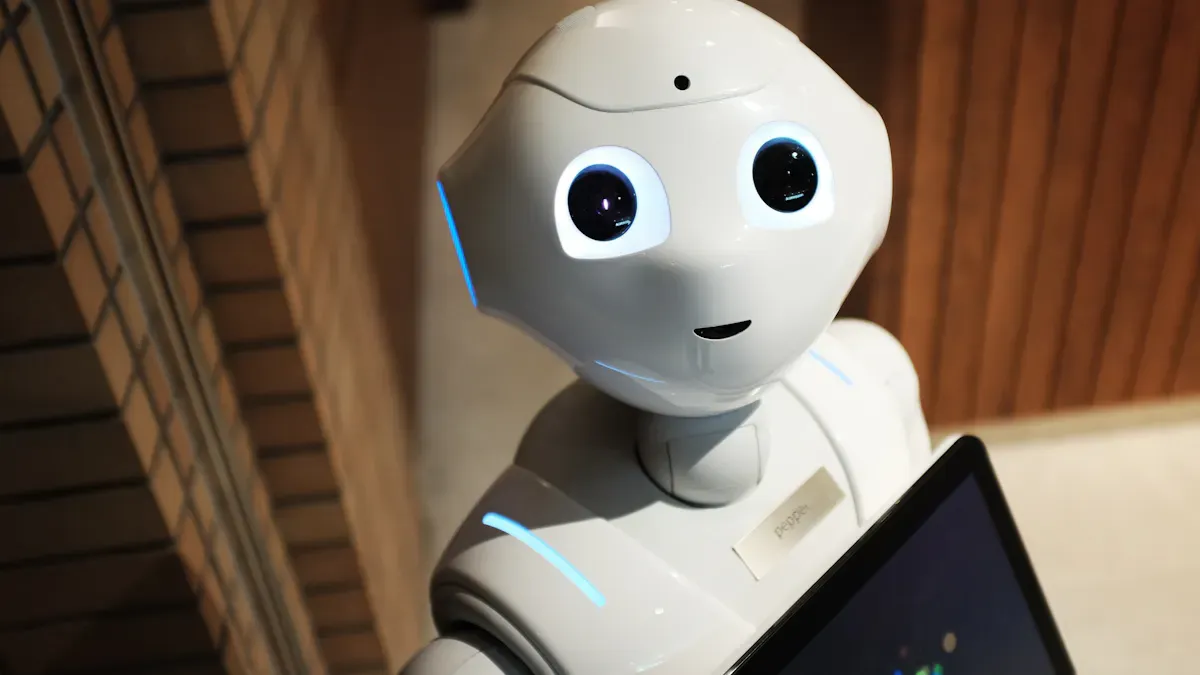
AI shopping assistants help students connect with campus stores in new ways. These tools use ai to answer questions, suggest products, and guide students through the shopping process. Students can chat with ai shopping assistants on their phones or computers. This makes it easy for them to find what they need, even outside store hours. Many students like to use messaging apps and live chat to talk with brands. They want quick answers and personal help.
Research shows that 66% of consumers want companies to understand their unique needs. Only 34% feel that companies treat them as individuals. AI shopping assistants close this gap by offering real-time, personalized support. When students contact a store, 83% expect an immediate response. AI shopping assistants meet this demand by staying available at all times. They help students feel valued and understood.
Interactive shopping experiences
AI shopping assistants create interactive shopping experiences on campus. These assistants use ai to learn about each student’s preferences. They remember past purchases and suggest new items that match a student’s style or needs. Students can ask for recommendations, check prices, or get help with returns. The process feels like talking to a helpful friend.
Some campus stores use conversational commerce tools to make shopping more fun. Students can play games, take quizzes, or join polls through ai shopping assistants. These activities keep students engaged and encourage them to explore new products. The table below shows how conversational commerce tools improve the shopping experience for university students:
Benefit | Description |
|---|---|
Personalized interactions | Real-time support tailored to student needs |
Convenience | Easy access through messaging apps and live chat |
Quick responses | Immediate answers to questions and requests |
AI shopping assistants and conversational commerce tools help campus stores build stronger relationships with students. They make shopping faster, easier, and more enjoyable.
Automation and smart stores
Self-checkout and cashierless tech
Many campus stores now use automation to make shopping faster and easier. Self-checkout stations and cashierless technology let students scan items and pay without waiting in line. These systems use ai to track purchases and process payments quickly. Students enjoy shorter queues and a smoother shopping experience. Stores place cashierless kiosks in busy areas, such as student centers and libraries, to serve more people at once. These kiosks work without staff, which helps lower costs and keeps the store open longer.
The table below shows how self-checkout and cashierless tech improve service quality and satisfaction:
Impact on Customer Satisfaction | |
|---|---|
Speed of Service | Positive impact on satisfaction. |
Technology Usability | Enhances user experience. |
Shorter Queues | Crucial for improving satisfaction levels. |
Cashierless systems give students more control over their shopping. They also help stores save money and use staff for other important tasks. However, some students worry about data privacy when using these systems. Stores must keep information safe to build trust.
Automated vending and micro-markets
Automated vending machines and micro-markets use ai and automation to offer snacks, drinks, and supplies around the clock. These smart stores track inventory in real time and restock popular items quickly. Students can shop any time, even late at night or during busy exam weeks. The use of ai video analytics helps keep the area safe by watching for suspicious behavior.
The table below highlights the benefits of automated vending and micro-markets:
Benefit | Description |
|---|---|
Reduced Staffing Needs | Autonomous micro stores minimize the need for staff, lowering costs. |
Smooth Shopping Experience | AI manages transactions for seamless shopping. |
Contactless Purchasing | Students buy items without touching surfaces or talking to cashiers. |
AI Video Analytics | The system monitors interactions and improves safety. |
Automated micro-markets have changed campus retail. Universities report a 5-6x increase in sales per square foot compared to traditional stores. Students like the convenience and personalized promotions that ai provides. Retail automation helps campuses meet student needs while improving efficiency and safety.
Smart inventory and pricing with ai in retail
Predictive stock management
Campus stores use ai in retail to predict what students will buy. These systems look at past sales, seasonal trends, and digital shopping patterns. They help stores keep the right amount of products on shelves. Walmart uses ai to forecast demand for seasonal items. This leads to better planning and fewer empty shelves or wasted products. Campus stores follow similar retail technology trends to improve efficiency during busy times.
Smart inventory systems also support sustainability. They use real-time monitoring and smart bins to manage waste and recycling. Digital vending machines with RFID technology track inventory and expiration dates. These machines send alerts when items are close to expiring. Staff can act quickly to reduce waste and save money. Campus stores benefit from these retail technology trends by lowering costs and helping the environment.
ai in retail forecasts demand and optimizes stock levels.
Alerts for expiring items improve sustainability.
Dynamic pricing and real-time insights
Dynamic pricing uses ai to adjust prices based on demand, time, and digital shopping behavior. Campus stores can change prices for snacks or supplies during peak hours. This helps stores stay competitive and meet student needs. Real-time insights from ai retail technology trends show which products sell best. Staff use this information to make quick decisions and improve personalization.
Predictive customer engagement tools analyze digital data to suggest promotions. These tools help stores offer the right deals at the right time. Optimization of pricing strategies leads to higher sales and better student satisfaction. The table below shows how ai in retail supports dynamic pricing and real-time insights:
Feature | Benefit |
|---|---|
Dynamic Pricing | Matches prices to demand |
Real-Time Insights | Guides quick decisions |
Personalization | Offers targeted promotions |
Campus stores use ai retail technology trends to improve inventory, pricing, and personalization. These digital tools help stores run smoothly and meet student expectations.
Payment innovations and security
Contactless and mobile payments
Campus retail stores now use contactless and mobile payments to make shopping faster and safer. Students can pay with their phones, smartwatches, or student ID cards. These payment methods use near-field communication (NFC) technology. Students only need to tap their device on a reader to complete a purchase. This process reduces the need to handle cash or touch payment terminals.
Many students prefer contactless payments because they save time. They do not have to wait in long lines. Mobile wallets also store loyalty cards and coupons. This makes it easy for students to earn rewards and use discounts. Campus stores benefit from quicker transactions and happier customers.
Tip: Students should set up mobile wallets before visiting campus stores. This helps them shop quickly and keep their information safe.
AI-powered fraud prevention
Campus retailers face risks from fraud and theft. AI-powered systems help protect stores and students. These systems watch for unusual payment patterns and alert staff if they see something suspicious. AI can spot fake transactions faster than humans.
Many campus stores have seen big improvements after using ai for fraud prevention. Some stores reduced shrinkage rates from 20% to zero. Others noticed fewer financial losses and better efficiency. AI systems also help stores save money over time, even though they require an initial investment.
AI detects fraud in real time and stops it quickly.
Stores lose less money and run more smoothly.
Long-term savings make ai a smart choice for campus retailers.
AI-powered fraud prevention gives students and staff peace of mind. They know their payments are safe. Campus stores can focus on serving students instead of worrying about security.
Sustainability and ethical ai in campus retail
Sustainable sourcing and operations
Universities now focus on sustainable sourcing and operations in campus retail. They use ai to track supply chains and choose products that support environmental goals. Many campus stores select local suppliers to reduce transportation emissions. Ai systems help staff monitor energy use and waste, making it easier to spot areas for improvement. Some stores use smart bins that sort recyclables and alert staff when they need emptying. These efforts help universities lower their carbon footprint and teach students about responsible shopping.
Campus retailers also use ai to manage inventory and avoid overstocking. This reduces waste and saves money. Stores can adjust orders based on real-time sales data. Students see more eco-friendly products on shelves, such as reusable water bottles and sustainable snacks. Universities encourage students to make greener choices by offering rewards for buying sustainable items.
Responsible AI use and privacy
Universities must protect student privacy when using ai in campus retail. They treat ai as a shared responsibility, not just a technology issue. Staff from different departments work together to set rules for data use and storage. They ask important questions about how ai tools handle student data, including whether the data trains external models, how long it stays in the system, and who owns the insights.
The University of Montana built a university-owned data center with Amazon Web Services and Microsoft. This keeps all student data inside the university, preventing outside companies from using it to train their ai models.
"This is not just an IT problem; it’s a shared responsibility across the institution to ask hard questions about AI privacy, governance and risk before we turn features on. Our students deserve nothing less."
Students worry about unclear data practices. They want more transparency about how ai collects, analyzes, and shares their information. Many students feel left out of conversations about data use. Consent forms often hide important details, making it hard for students to understand their rights.
Universities should:
Investigate how ai tools use and store data.
Set strong guardrails for data management.
Include students in discussions about privacy.
A table below shows key privacy questions universities ask ai vendors:
Question | Why It Matters |
|---|---|
Will student data train ai models? | Protects student privacy |
How long is data kept? | Limits risk of misuse |
Who owns the insights? | Ensures university control |
Universities that use ai responsibly build trust with students and set a strong example for ethical campus retail.
Challenges for universities
Budget and implementation barriers
Universities face many challenges when they try to bring ai-powered retail to campus. Budget limits often slow down new projects. Many schools must choose between upgrading technology and funding other important programs. The cost of installing smart systems, training staff, and maintaining new tools can be high. Some universities struggle to find enough money for these changes.
Implementation also brings obstacles. Staff and students may resist new technology. They worry about job changes or learning new systems. Leaders must help everyone understand the benefits of ai. They can use several strategies to overcome resistance:
Build a culture that supports learning and experimentation.
Train leaders to explain ai clearly and answer questions.
Focus on staff wellbeing and keep communication open.
Design clear roles and give feedback often.
These steps help universities create a positive environment for ai adoption. When everyone feels safe to try new things, change becomes easier.
Balancing innovation with campus values
Universities want to use ai to improve campus retail, but they also want to protect their values and traditions. They write policies that guide how ai is used. These rules change as technology grows. Schools invest in training for teachers and staff. They want everyone to use ai in ways that support academic honesty and ethical standards.
Many universities focus on real improvements, not just new gadgets. They want ai to help teachers spend more time with students. This keeps personal connections strong. Schools also listen to students and staff when making decisions about ai. They work to keep trust and respect on campus.
A table below shows how universities balance innovation and tradition:
Action | Purpose |
|---|---|
Update policies regularly | Keep up with new technology |
Train staff and faculty | Support ethical and effective ai use |
Focus on academic integrity | Protect campus values and traditions |
Involve campus community | Build trust and encourage feedback |
Universities that balance innovation with tradition create a strong foundation for ai-powered retail. They show that technology can support, not replace, the heart of campus life.
AI-powered retail trends continue to change campus stores. Students, staff, and administrators see new experiences every day. These trends improve customer engagement, create seamless transitions between online and offline shopping, and optimize inventory management. College campuses test innovation with intelligent vending machines and generative AI chatbots. Students interact with these technologies, giving feedback and shaping future experiences. Administrators and retailers should adapt to new trends and encourage proactive engagement.
Campus stakeholders can ask: How will ai shape future experiences? What steps can they take to support innovation and improve campus retail?
Key impacts of ai-powered retail trends:
Real-time personalization across platforms
Omnichannel experiences for students
Efficient operations in campus stores
FAQ
What is AI-powered retail in universities?
AI-powered retail uses smart technology to help campus stores serve students better. These systems suggest products, manage inventory, and speed up checkout. Students see personalized offers and enjoy faster shopping.
How does AI improve student shopping experiences?
AI learns what students like and gives them special deals. It helps stores keep shelves full and checkout lines short. Students find shopping easier and more fun.
Are AI-powered payment systems safe?
AI-powered payment systems use advanced tools to spot fraud and protect student information. Stores monitor transactions in real time. Students can trust these systems to keep their payments secure.
Can AI help campus stores become more sustainable?
AI tracks inventory and waste. Stores use this data to order only what they need and reduce waste. Students see more eco-friendly products and learn about responsible shopping.
What challenges do universities face with AI retail?
Universities face budget limits and staff training needs. They must balance new technology with campus values. Leaders work to build trust and help everyone adapt to changes.
See Also
The Future of Retail Lies in AI-Driven Stores
Understanding the Growth of AI-Enhanced Corner Shops
Transforming Online Retail Management with AI Tools
