Handling peak passenger flow with AI retail


You see artificial intelligence changing airport retail every day. Artificial intelligence helps you move through busy terminals with less stress. When you face peak passenger flow, artificial intelligence predicts crowd patterns. It uses real-time monitoring to spot long lines. Artificial intelligence can direct staff to where you need them most. This leads to smoother travel and better passenger experience. Artificial intelligence delivers measurable results. For example, airports report a 15% rise in passenger satisfaction. They also see a 25% drop in complaint resolution time. Email handling gets faster after using artificial intelligence. You get faster service and fewer delays because artificial intelligence works behind the scenes.
Key Takeaways
AI guesses how crowds move. This helps airports handle busy times well.
Watching things live cuts wait times by 30%. This makes passengers happier.
Automatic staff planning puts workers where they are needed most. This happens during busy hours.
Predictive analytics lets stores get ready for more passengers. This makes service better.
AI gives smart ideas that make customers happier. This leads to more sales and satisfaction.
Understanding peak passenger flow in airport retail
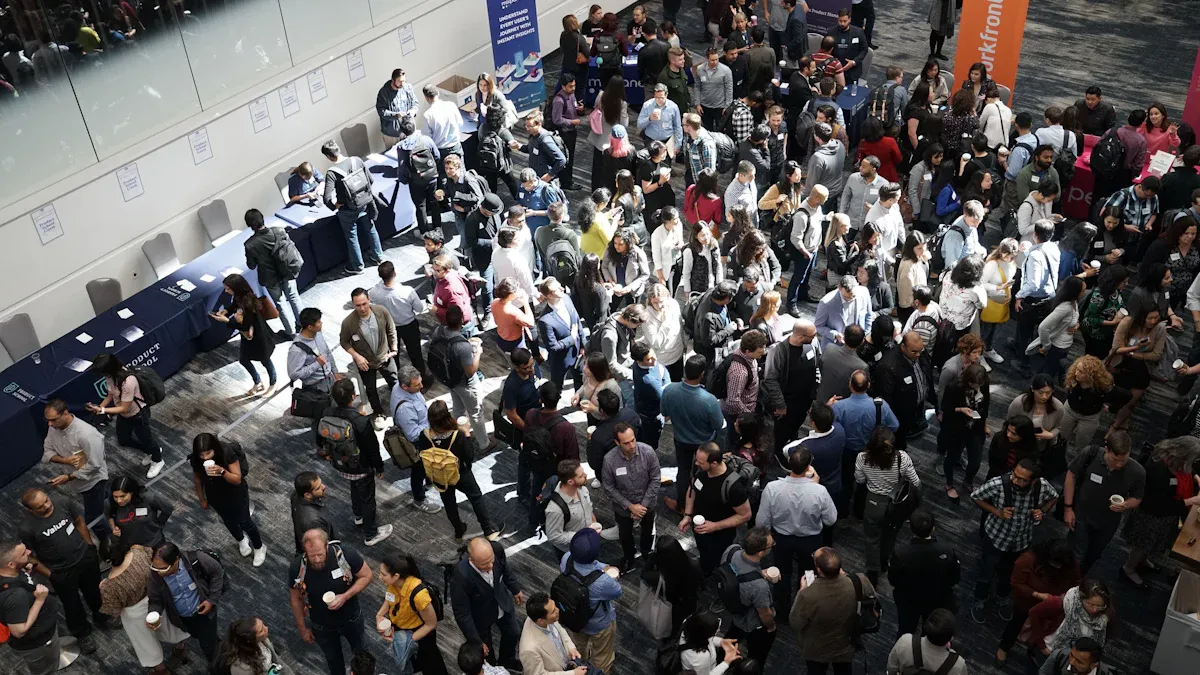
Defining peak passenger flow
Peak passenger flow happens when many people move through airport shops at once. This is common during holidays, busy travel times, or after big events. You will see more people shopping, eating, and waiting in lines. Flight schedules and who is flying matter a lot during these busy times. When lots of flights leave or arrive close together, the airport gets crowded. Different groups of passengers act in their own ways. Some shop fast, but others like to look around longer. Weather and connecting flights can also change how people move in the airport. It is important to know these patterns to run airport shops well.
Predictive modeling helps you guess when and where crowds will show up. With ai, you can get ready for busy times in shops and restaurants. Getting ready is even more important during peak travel times. You can use ai to watch how passengers act and change your plans. This helps airport shops work well, even when there are lots of people.
Challenges for passengers and retailers
There are many problems during peak passenger flow in airport shops. Passengers wait in long lines, see crowded stores, and get slow service. These things can make people unhappy and make travel harder. Retailers have to deal with sudden crowds and keep up with what people want. Many still use old data, so it is hard to react fast.
Here is a table that shows the main operational challenges:
Challenge Type | Description |
|---|---|
You see sudden surges that are hard to predict and manage. | |
Reliance on Delayed Data | You often work with outdated information. |
Lack of Real-Time Visibility | You cannot always see what is happening in the terminal right now. |
Ineffective Staff Management | You may not have enough staff in the right places during busy times. |
Operational Blind Spots | You miss problems like long queues, which can hurt satisfaction. |
You can use ai to fix these problems. Real-time monitoring and automatic help with resources let you act faster. When you know how passengers act, you can make more money and keep people happy. For example, if you know flight delays change shopping, you can change your offers. You can also use ai to send staff where they are needed most. This makes airport shopping better for everyone.
AI solutions for managing peak passenger flow

Predictive analytics for passenger flow
You can use predictive analytics to get ready for busy times. AI tools look at old passenger data and booking trends. They also check economic signals. These tools help you make models that show when crowds will come. You can use data from inside and outside the airport for better guesses. If you split forecasts by passenger type or airline, you get better results. Working with airlines and partners helps you plan together. Real-time monitoring lets you change staff when travel patterns shift.
Tip: Modern AI systems can guess delays with 70-80% accuracy four to six hours ahead. For problems one or two hours away, accuracy can go over 85%. This means you can trust these tools to help you plan your retail work.
Real-time queue and people detection
AI-powered features like real-time queue and people detection help you spot problems early. Technologies like LIDAR, cameras, and IoT sensors count how many people are in line. These systems give you a live view of crowds. You can see where lines start and how fast they move. When you connect these tools to flight data, you can change resources as schedules change.
A strong platform uses video, LIDAR, and sensor data for a full view. Cameras show what is happening, and LIDAR counts people very well. Dashboards show queue lengths and how full areas are, so you can act fast to cut wait times. With these AI tools, you can cut average wait times by up to 30%. This makes shopping easier for every passenger.
Automated resource and staff allocation
AI helps you put staff in the right place at the right time. Smart systems look at data from all over the airport to find where crowds will form. You can move staff to busy shops or food spots before lines get long. AI tools also help you manage inventory, so you do not run out of popular items during busy times.
You can use AI to study shopping patterns and guess what passengers want. This helps you offer the right products and send personal ads. When you match staff and stock to demand, you make things better for both workers and passengers. You also make more money and keep your shops running well.
Simulation and optimization in airport retail
Simulation and optimization let you test your plans before busy days. AI lets you model how passengers move through check-in, security, and shops. You can use different ways to see what works best:
Technique | Description |
|---|---|
Discrete Event Simulation (DES) | Models check-in, security, and boarding, showing how events affect passenger flow. |
Agent-Based Approaches | Shows how each passenger makes choices, like which line to join. |
Continuous Approaches | Tracks movement in large spaces, such as corridors or baggage claim. |
You start by collecting data on flows, staff schedules, and demand. Then you build a model and set goals for how things should work. You can run different tests to see how changes affect time and cost. This helps you find the best way to fix problems and move people faster.
Note: AI-driven simulation can bring 20% more people to shops and cut retail loss by 70%. These results show how much you can gain by using AI in your work.
AI solutions give you real-time insights, cut wait times, and help you use resources well. You can spot problems early, act fast, and make travel better for every passenger. With these tools, you can turn busy travel days into smooth shopping experiences.
Implementing AI in airport retail
Integration steps for AI systems
You can use simple steps to add ai to airport shops. First, look at your current systems and see what you have. Airports collect many kinds of data. This includes things like passenger service, baggage, and security checks. You need to connect both planned data, like travel plans, and unplanned data, like videos. Next, pick ai tools that match what you need. Choose companies that know airports and follow the rules.
After that, try small tests with ai in real life. This helps you find out what works and what does not. When you finish testing, teach your workers how to use ai every day. Make sure you have backup plans if something breaks. Always talk clearly with your team, especially about keeping data safe.
Tip: Always have backup plans ready if ai stops working. This keeps your airport running well.
Key considerations for successful adoption
You will have some problems when you start using ai. Many airport teams use their own tools. This makes it hard to connect everything together. You need strong leaders to help your team get used to ai. Some workers may worry about losing jobs or not understanding new tech. Training helps your team feel good about using ai.
You should also work on changing how people think. Changing minds is just as important as new tech. Show workers how ai can make their jobs better and help the airport earn more money. Always follow the rules and keep data safe. Make sure passenger flow and baggage tracking work together for the best results.
Common problems are:
Rules and laws about ai are not always clear.
You need to talk openly and protect data.
Some workers are scared of change.
If you follow these steps, you can use ai to make airport shops work better and earn more money.
Measuring impact and overcoming challenges
Key metrics for peak passenger flow
You must check the right numbers to see if AI works well in airport shops. Watching key metrics shows how AI makes the customer journey better. Here is a table with important metrics you should keep an eye on:
Metric | Description |
|---|---|
Turnaround time per passenger | How long it takes to help each traveler. This helps control lines and crowd flow. |
Processing capacity | How many passengers you can handle at inspection points each year. |
Digital inspection efficiency | How digital tools like eGates make checks faster than doing them by hand. |
You can also see how these metrics change performance:
Metric | Impact on Performance |
|---|---|
Punctuality Targets | Makes things run smoother and cuts down on crowding |
Continuous Performance Measurement | Helps find what causes delays and makes wait times shorter |
Real-time Data Monitoring | Lets you act fast, which can help sales go up |
Airports track lots of KPIs, like flight operations, customer happiness, and money from shops. Watching these numbers helps you spot problems like crowded areas and long waits. When you make things work better, travel gets easier and sales go up. Happier customers spend more and enjoy their trip.
Addressing obstacles with AI
You may run into some problems when using AI for busy passenger times. Tough rules about safety and keeping data private can make things tricky. People may worry about using AI for watching others. You might also be concerned about how well systems work and how to connect new AI with old tech.
Here are some common obstacles:
Safety and data privacy rules
Ethical worries about surveillance
Connecting with old technology
AI helps you solve these issues. You can use good data management to keep customer information safe and build trust. Central data systems, like data lakes, make storing and handling travel data easier. Cloud-based AI platforms help you grow during busy times, like flight delays or travel rushes. These tools keep everything working well, even when more people travel.
AI also helps with personalized marketing by using real-time data. You can send offers that fit each traveler’s needs while they move through the airport. This makes customers happier and helps sales go up. Personalized marketing makes shopping more fun and helps your airport stand out.
Tip: Always check your AI systems to make sure they follow rules and keep customer data safe. This keeps your airport shops trusted and secure.
AI changes airport retail by making things easier and faster for everyone. AI can guess when crowds will come. It helps cut down wait times and makes work go smoother. The table below shows how AI helps you and the customer:
Benefit | Description |
|---|---|
Improved Efficiency | You use your resources better and stop slowdowns. |
Reduced Wait Times | Customers get through lines faster and have more time to shop. |
Enhanced Customer Experience | Personalization gives each customer special offers, making their trip better. |
You can see how well AI works by checking crowd control and how happy customers are. As AI gets better, you will find new ways to make airport shops nicer and help every customer enjoy their visit.
FAQ
How does AI help you during busy times at the airport?
AI guesses when crowds will show up. Staff move to busy places fast. Airlines give flight data to AI systems. You get quicker service and shorter lines. AI makes shopping and eating more fun.
Can AI improve your experience with airlines and airport shops?
Yes. AI uses airline info to send you special deals. Staff are ready to help when flights change. AI makes shopping simple. You get updates about your flight and store offers.
What data does AI use to manage passenger flow?
AI gathers data from airlines, flight schedules, and how people move. AI uses real-time sensors and cameras to watch crowds. Airlines share booking trends with AI. AI mixes this info to guess crowds and make your airport visit better.
How do airlines work with AI to reduce congestion?
Airlines give flight times and passenger numbers to AI platforms. AI moves staff and resources based on this data. Airlines help AI spot delays and busy times. This teamwork keeps lines short and shops working well.
Is your personal information safe when airlines use AI?
You can trust airlines to follow privacy rules. AI systems keep your data safe. Airlines use secure platforms to share info. Your details are handled with care. AI helps without risking your privacy.
See Also
Exploring The Advantages Of AI-Enhanced Vending Machines Today
The Future Of Retail Lies In AI-Driven Stores
Transforming Online Retail Management With AI E-Commerce Solutions
