How 24/7 unmanned stores create value in Convenience store chains & small-format grocery.

24/7 unmanned stores use ai and automation to help you improve efficiency in convenience store chains and small-format grocery. You gain access to shopping at any hour, which brings more convenience to your daily life. Technology supports innovations that cut costs and boost customer experience. > You can see how unmanned formats shape the future of retail with smarter solutions.
Key Takeaways
24/7 unmanned stores provide round-the-clock access, allowing you to shop whenever you need, enhancing convenience.
Automation reduces labor costs and improves efficiency, letting you focus on growing your business without staffing worries.
Smart inventory management ensures shelves are always stocked, minimizing waste and keeping popular items available.
AI-driven personalization tailors shopping experiences, making it easier for you to find products you love and enjoy special offers.
Adopting unmanned store models can unlock new revenue streams and lower overhead costs, helping your business thrive.
24/7 Unmanned Stores: Operational Efficiency
Reduced Labor Costs
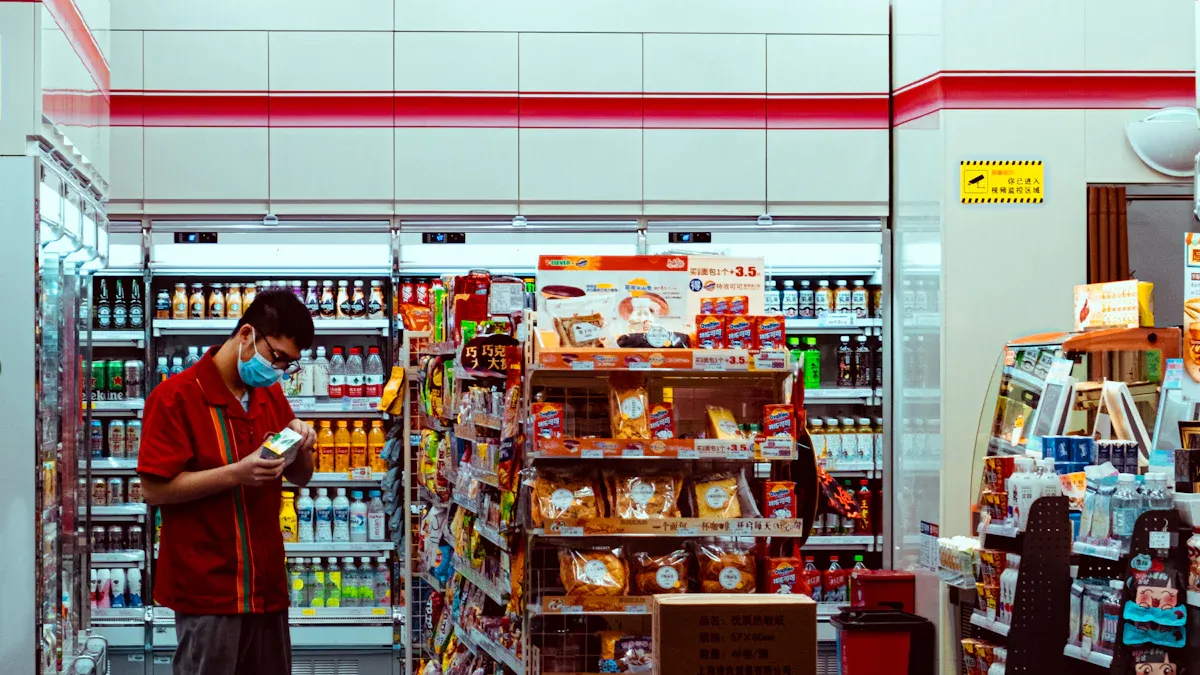
You see how 24/7 unmanned stores use automation to lower labor costs and boost efficiency. Automation lets you run a store without needing staff on-site all the time. This helps you solve problems caused by staff shortages, which many retailers face today. Robots and smart systems take care of tasks like cleaning, stocking shelves, and helping customers. You can focus on growing your business instead of worrying about hiring and scheduling.
Tip: Automation helps you keep your store open all day and night, even when you cannot find enough workers.
Here is a table showing how robot use in retail has grown and how it helps with staff shortages:
Year | Industrial Robot Installations Growth | Service Robot Use Growth |
|---|---|---|
2021 | - | - |
2022 | 31% | 37% |
2030 | Projected investment growth from 1.7% to 3.25% | - |
Automated Inventory Management
You can use smart inventory management to track products and keep shelves full. Automation lets you scan shelves, spot misplaced items, and update inventory levels in real time. This means you always know what you have and what you need to order. You avoid running out of popular items and reduce waste from overstocking.
FamilyMart in Japan uses AI-driven demand planning to make inventory smarter. This leads to better ordering and fewer empty shelves.
Smart shelf technology can lower out-of-stock rates by up to 30%. You spend less time checking inventory by hand.
AI forecasting tools look at past sales, weather, and local events. You get better predictions, which cuts inventory costs by 20% and food waste by 30%.
You benefit from real-time inventory tracking, which helps you make quick decisions and keep your store running smoothly.
Streamlined Restocking
You can restock your store faster and with less effort when you use automation. Robots scan shelves and tell you what needs refilling. Autonomous robots can even move products from storage to shelves. You save time and make sure customers always find what they need.
Robots help with inventory by scanning shelves and updating levels.
Autonomous cleaning robots keep your store clean, so you do not need extra staff.
In-store robots assist customers and reduce the workload for human employees.
Robots help with curbside pickup and delivery, making your store more flexible.
Robots spot safety hazards, keeping your store safe for everyone.
Here is a table showing technology trends that drive the adoption of unmanned stores:
Technology Trend | Impact on Unmanned Stores |
|---|---|
AI Integration | Enhances consumer experience and operational efficiency, leading to increased satisfaction and loyalty. |
Self-Service Automation | Provides efficient solutions, contributing to consumer satisfaction and the emergence of new consumer segments. |
Socio-Economic Factors | Labor shortages and rising costs drive the need for unmanned stores, particularly in countries like Japan. |
COVID-19 Pandemic | Heightened consumer focus on safety, making unmanned stores a preferred shopping option. |
You see how technology helps you keep your store stocked, clean, and safe. You improve operational efficiency and make your store more attractive to customers.
AI-Powered Autonomous Retail
AI-Driven Personalization
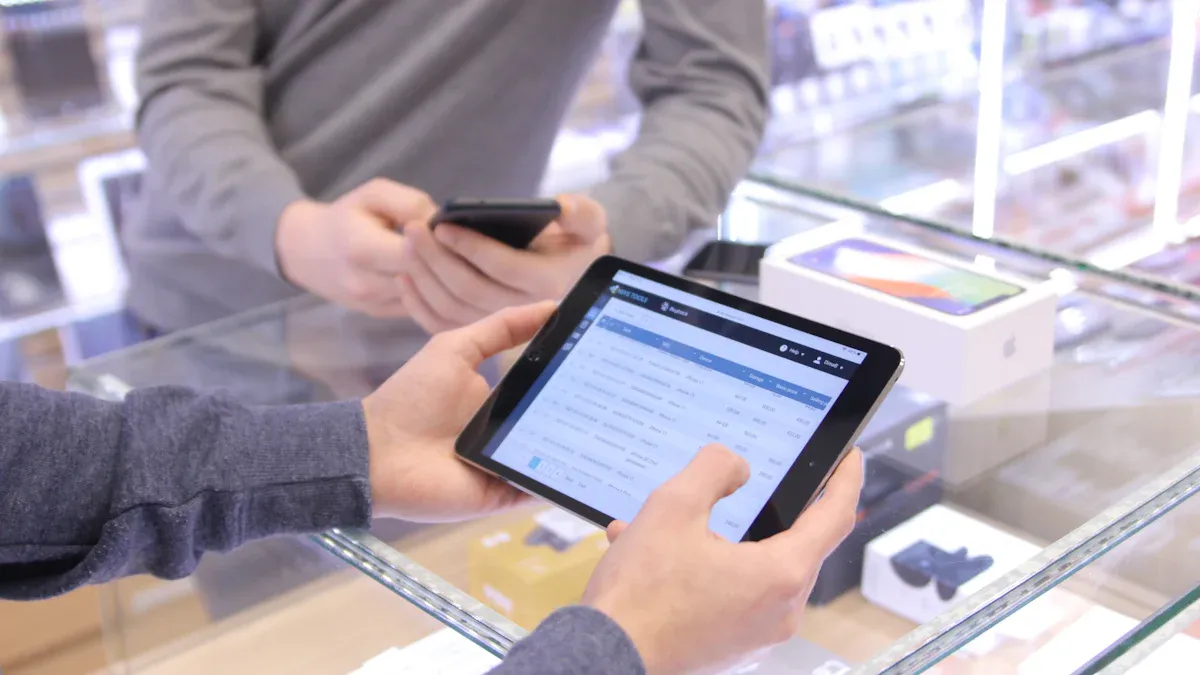
You experience a new level of shopping when you enter an ai-powered autonomous retail store. The store uses ai to learn your preferences and suggest products you might like. You see personalized offers on your mobile app or digital displays. The ai tracks your shopping habits and helps you find items faster. You get recommendations based on your previous purchases, making your shopping trip easier.
You notice that ai-powered autonomous retail stores use data from your visits to improve your experience. The store collects data about what you buy and when you shop. The ai uses this data to adjust inventory and make sure your favorite products are always available. You benefit from a store that feels tailored to you.
Tip: Personalized shopping makes you feel valued and saves you time.
Smart Security and Loss Prevention
You feel safe in an ai-powered autonomous retail store. The store uses ai-powered cameras and RFID tags to protect products and prevent theft. You see that the store monitors transactions and tracks customer movements. The ai can spot suspicious behavior and send alerts to staff or security teams.
Here are some ways smart security works in ai-powered autonomous retail:
Walmart uses ai cameras to watch transactions and reduce theft.
Amazon Go tracks customer movements with automated checkout, stopping shoplifting.
Home Depot uses facial recognition to identify known shoplifters and alert security.
You benefit from real-time monitoring and automated theft detection. The ai analyzes behavior and can tell the difference between normal shopping and suspicious actions. This reduces false alarms and keeps the store safe.
Real-time monitoring gives you immediate oversight of store activities.
Automated theft detection sends alerts when the ai spots something unusual.
Behavioral analysis helps the ai decide if an action is normal or needs attention.
You trust the store because ai-powered autonomous retail keeps your shopping secure.
Data-Driven Operations
You see how ai-powered autonomous retail uses data to run the store smoothly. The ai collects data from every transaction, shelf scan, and customer visit. You notice that the store uses this data to manage inventory and restocking. The ai predicts which products will sell out and orders more before shelves go empty.
You benefit from a store that uses data to make smart decisions. The ai looks at data from weather, local events, and past sales. You find that the store always has what you need because the ai keeps inventory levels just right. The store uses data to spot trends and adjust product selection.
Here is a table showing how data helps ai-powered autonomous retail stores:
Data Source | How the Store Uses It | Benefit to You |
|---|---|---|
Transaction Data | Tracks what you buy | Personalized offers |
Shelf Scans | Monitors inventory levels | Fewer out-of-stock items |
Customer Visits | Analyzes shopping patterns | Improved store layout |
Weather Data | Predicts demand for certain products | Stocked essentials |
Event Data | Adjusts inventory for local events | Relevant products available |
You see that ai-powered autonomous retail stores use data to create a better shopping experience. You get the products you want, when you want them. The store uses ai and data to stay ahead of trends and keep operations efficient.
Note: Data-driven operations help stores grow and serve you better.
You notice that ai-powered autonomous retail gives stores a competitive advantage. The stores use ai, data, and autonomous systems to offer faster service, better security, and personalized shopping. You see more stores adopting these innovations to stay ahead in the market.
24/7 Access and Customer Experience
Always-On Shopping Convenience
You enjoy shopping at any hour when you visit 24/7 unmanned stores. These stores give you 24/7 access, so you never worry about closing times. You find this especially helpful in rural or underserved areas. You get convenience when you need groceries late at night or early in the morning. You see how automation keeps the store running smoothly, even when staff is not present. You rely on customer self-service to pick up essentials without waiting for help.
Tip: You can shop for snacks, drinks, or household items whenever you want. This always-on convenience makes your life easier.
Frictionless Checkout
You experience checkout-free systems that let you pay quickly and leave without standing in line. You use self-service kiosks or mobile apps to scan items and complete payments. You notice that checkout-free systems use sensors and cameras to track what you take. You do not need to interact with cashiers. You save time and avoid crowds. You see how customer self-service improves the customer experience by making shopping faster and simpler.
Here is a table showing how checkout-free systems compare to traditional checkout:
Feature | Traditional Checkout | Checkout-Free Systems |
|---|---|---|
Waiting Time | Long | Short |
Staff Needed | Yes | No |
Payment Options | Limited | Multiple |
Customer Experience | Basic | Enhanced |
You benefit from checkout-free systems that make shopping stress-free.
Local Access to Essentials
You get local access to groceries and daily needs in your neighborhood. 24/7 access means you do not travel far for essentials. You find unmanned stores in places where regular stores may not open late. You use self-service to grab what you need and go. You notice that checkout-free systems help you shop quickly, even during busy times. You see a shift in consumer habits as more people choose unattended and hybrid formats for their convenience.
Note: You help shape the future of retail by using checkout-free systems and customer self-service.
Financial Impact and Growth
Increased Revenue Streams
You can unlock new revenue streams with 24/7 unmanned stores. These autonomous locations let you serve customers at any hour, so you never miss a sale. You reach people who need convenience late at night or early in the morning. You also attract tech-savvy shoppers who want a fast, modern experience. Autonomous stores help you offer more products with less staff. You can use data from inventory and sales to add popular items or test new products. This approach gives you a strong impact on retail and helps you stay ahead of trends.
Note: Autonomous stores let you try new business models, like click-and-collect or local delivery, which can boost your income.
Lower Overhead Costs
You save money by running autonomous stores. You do not need to pay for as many workers, which lowers your labor costs. You also cut down on energy bills because smart systems control lighting and climate. Autonomous technology helps you track inventory in real time, so you avoid overstocking and reduce waste. You spend less on shrinkage because security systems prevent theft. These savings make small-format grocery stores more profitable and help you compete with larger retailers.
Here is a table showing how autonomous stores lower costs:
Cost Area | Traditional Store | Autonomous Store |
|---|---|---|
Labor | High | Low |
Energy | Standard | Reduced |
Inventory Waste | Higher | Lower |
Security Losses | More | Less |
Scalability for Chains
You can grow your business faster with autonomous stores. Leading convenience store chains use this model to open new locations quickly. You do not need to hire large teams or train new staff for each store. Autonomous systems handle inventory, restocking, and security. You can manage many stores from one central location. This approach supports small-format success and helps you reach more communities. You prepare for the future by building a flexible network that adapts to changing customer needs. The future outlook for autonomous retail is strong, and you can lead the way in small-format grocery.
Tip: Autonomous stores make it easy to scale up and meet demand in new markets.
Challenges and Solutions
Technology Integration
You face many challenges when you bring autonomous systems into your store. You must connect new technology with your current systems. You need to make sure your store runs smoothly. Sometimes, you see problems with software updates or hardware compatibility. You may need to train your team to use new tools. You can solve these issues by choosing technology that works well with your existing setup. You should test new systems before you launch them. You can work with experts in the retail automation market to get advice and support. You keep your store running by updating software and checking hardware often.
Tip: Start with small changes. You can add more autonomous features as you learn what works best.
Customer Education
You help your customers adapt to autonomous shopping. Some people feel unsure about using self-service kiosks or mobile apps. You can teach them how to use new systems. You offer clear signs and step-by-step guides in your store. You can create short videos or host demos to show how autonomous checkout works. You answer questions and listen to feedback. You make shopping easy for everyone by giving support and information.
You can use friendly staff or digital assistants to guide customers.
You can reward customers who try new autonomous features.
You build trust by showing how ai and automation make shopping safer and faster.
Security Measures
You protect your store and customers with strong security. You use surveillance technology like CCTVs and license plate readers to watch over your store. You schedule staff in high-risk areas during busy times. You add controlled access and security systems in places like fitting rooms and stock rooms. You keep your store safe and reduce theft.
Strategy | Description |
|---|---|
Surveillance Technology | Use of CCTVs and license plate readers to monitor store areas and deter theft. |
Strategic Staff Scheduling | Positioning staff in high-risk areas and during peak times to reduce theft opportunities. |
Security Measures in High-Risk Areas | Implementing controlled access and security systems in vulnerable sections like fitting rooms and stock areas. |
You also use advanced solutions to protect data and payments. You add data encryption and secure payment systems to stop unauthorized access. You use blockchain technology to keep digital records safe from hacking. You install multi-IMSI SIM cards with enhanced security features to protect data transmission.
Solution | Description |
|---|---|
Data Encryption and Secure Payment Systems | Implementing strong security measures to protect sensitive data from unauthorized access. |
Blockchain Technology | Utilizing blockchain to create a secure and reliable digital record that is resistant to hacking. |
Multi-IMSI SIM with Enhanced Security Features | Using advanced SIM technology to switch networks and secure data transmission, making it harder for attacks. |
Note: You keep your store safe by combining physical security and digital protection. You build trust with your customers and help your autonomous store succeed.
You see how 24/7 unmanned stores use ai and automation to help your business grow. This technology gives you better efficiency, lower costs, and round-the-clock access for your customers. You can serve more people and keep your store running smoothly. If you want to stay ahead in retail, you should explore unmanned store models for your next step.
FAQ
How do unmanned stores keep your shopping safe?
You see AI cameras and sensors watch over the store. Security systems track movement and spot theft.
Tip: You can trust these stores to protect your purchases and personal data.
Can you shop at unmanned stores without using an app?
You can use self-service kiosks or contactless cards. Some stores let you pay with cash or QR codes.
Mobile app
Kiosk
Card
Cash
What happens if you need help in an unmanned store?
You find help buttons or video screens. You can call for support or chat with a remote assistant.
Help Option | How It Works |
|---|---|
Help Button | Alerts staff |
Video Screen | Connects to support |
Do unmanned stores offer fresh food and essentials?
You get access to snacks, drinks, and daily needs. Many stores stock fresh food and local products.
Note: You can find essentials any time, even late at night.
See Also
Comparing Micromarkets And Smart Stores In Global Retail
The Emergence Of 24-Hour Vending Cafes: Innovation And Convenience
Analyzing Walgreens Self-Checkout: Benefits And Retail Challenges
How Time Out Corner Stores Transform Urban Convenience Shopping
