How cashierless checkout systems work

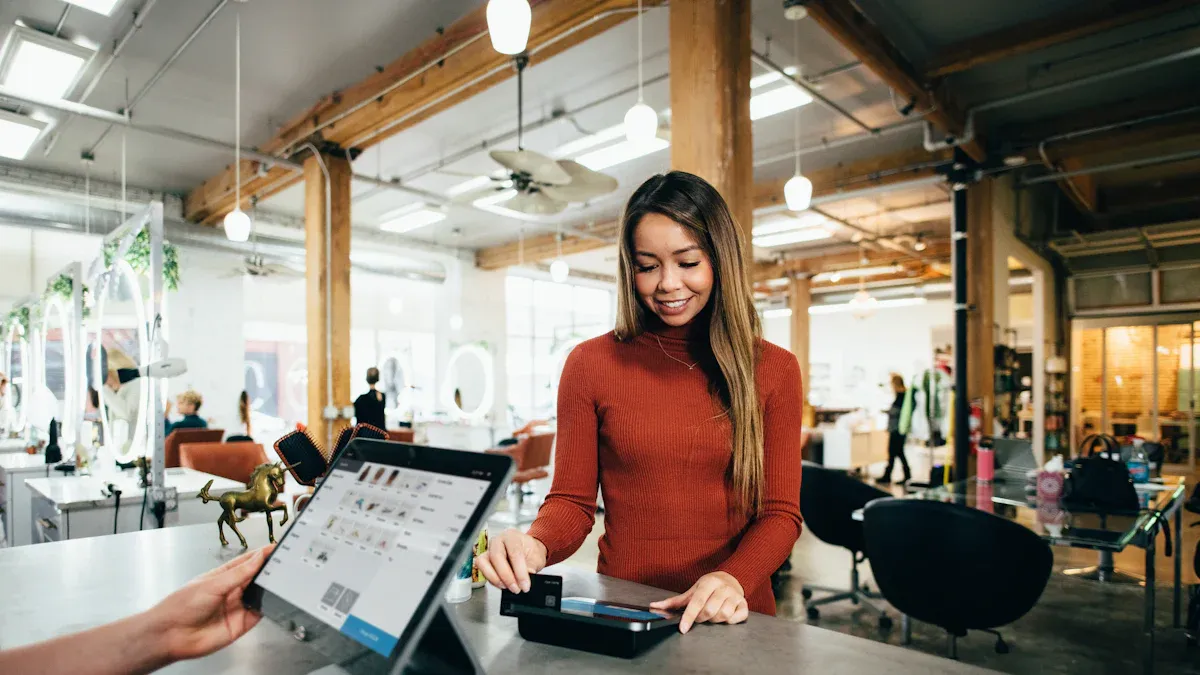
You can now shop in stores without waiting in line. You do not have to talk to a cashier. Cashierless checkout systems use advanced technology. You can pick up your items and walk out. This makes your trip faster and easier. Many shoppers say these systems give more privacy. They also say service is faster and there are fewer billing mistakes. Here are some main benefits you might see:
Benefit | Description |
|---|---|
Shop without waiting in line. This makes shopping better. | |
Improved Privacy | You get more privacy. You do not have to talk to cashiers. |
Accurate Billing | Automated systems make fewer billing mistakes. You can check your purchases easily. |
Innovative Shopping Experience | Advanced technology makes shopping more fun and modern. |
Key Takeaways
Cashierless checkout systems let you shop without lines.
You use a mobile app or card to get into the store.
Cameras and sensors watch what you grab and change your cart.
Payment happens by itself when you leave the store.
These systems give you more privacy and fewer billing errors.
How cashierless checkout systems work
Entering the Store
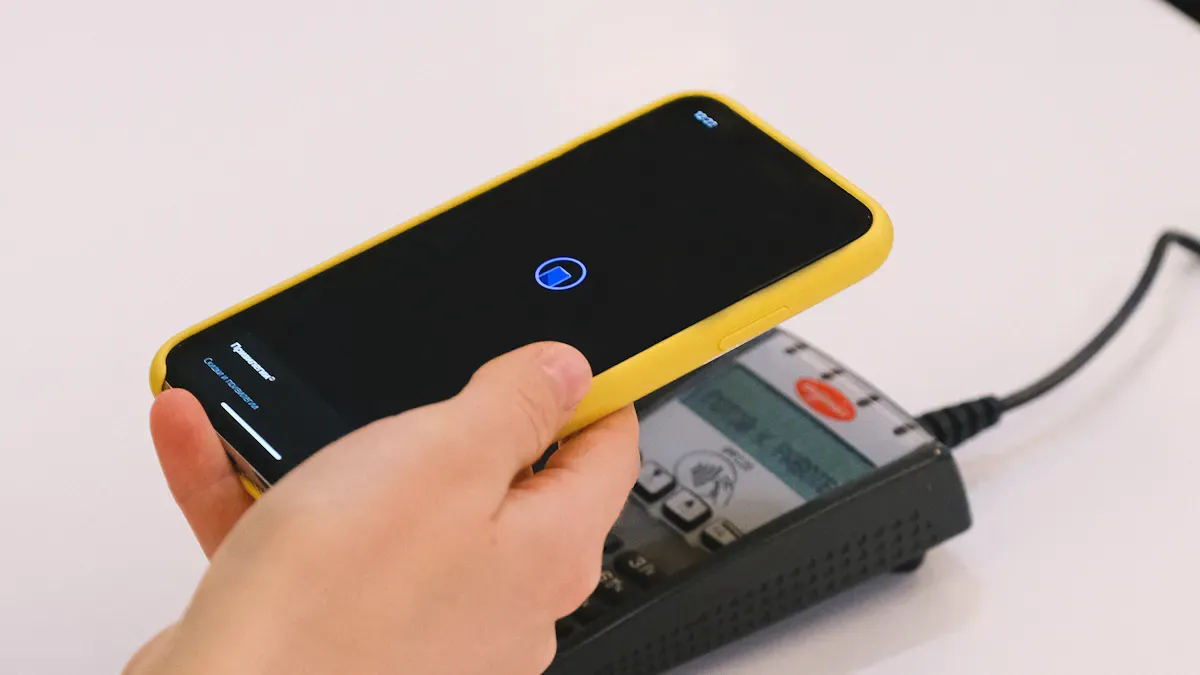
You begin shopping by entering a store with cashierless checkout systems. You must prove who you are before going inside. Most stores want you to use a mobile app. You scan a QR code from the app or tap your card at the door. Some stores use palm or face recognition to check your identity. This connects your payment and profile to the store’s system.
Here are easy steps you follow when entering:
Open the store’s app on your phone.
Scan the QR code at the gate or tap your card.
The gate opens, and you walk in.
The system links your identity and payment for tracking.
Stores use different ways to check who you are. The table below shows common systems:
System Description | Verification Method | Additional Features |
|---|---|---|
Facial recognition engine | Face scan and sensors | Tracks movements and product interactions |
Smartphone app | QR code scan | |
Linked account | QR code scan | Sends receipt to app after purchase |
You do not need to talk to staff. The technology makes entry quick and safe.
Selecting and Tracking Items
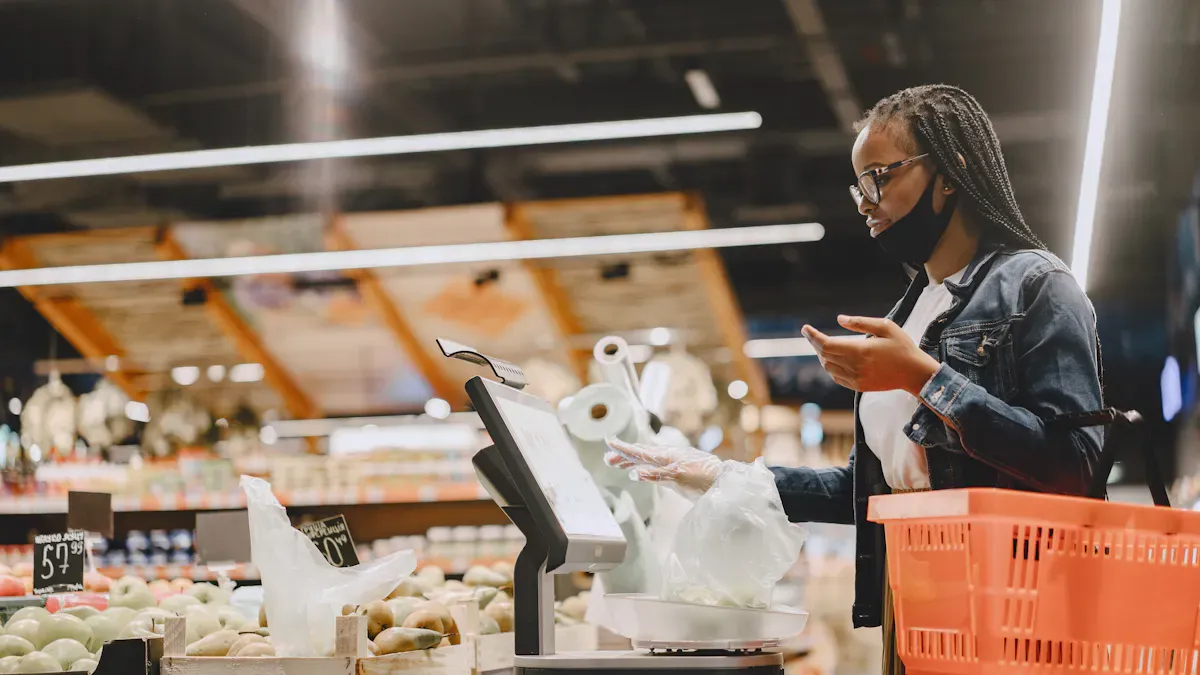
You pick up things from shelves while shopping. Cashierless checkout systems use many technologies to track what you grab. Overhead cameras watch you and record which products you touch. Shelf sensors notice when you take or put back items. RFID tags on products help the system find each item fast. Sensor fusion hardware mixes data from cameras, sensors, and RFID for real-time tracking.
Here are some technologies that help track your items:
Overhead cameras
Shelf sensors
RFID tags
Sensor fusion hardware
Artificial Intelligence and machine learning
Mobile apps
Electronic shelf labels
When you take an item, the system adds it to your virtual cart. If you put it back, the cart updates right away. You can check your cart in the app. The system uses smart algorithms to make tracking accurate and your shopping smooth.
Tip: RFID technology is very good at tracking items. It lowers billing mistakes and helps manage inventory. You can check your item list before leaving, making checkout more reliable.
Payment and Exit
When you finish shopping, you just walk out. Cashierless checkout systems pay for your items automatically. The system charges your linked card, gift card, or mobile wallet. You do not need to scan items or wait in line.
Here is how payment and exit work:
The system watches your actions from entry to exit.
Cameras and sensors track your final cart.
Payment goes through your linked account or app.
You get a digital receipt after you leave.
Seamless Payment Integration: The system bills you automatically. You can use credit cards, debit cards, mobile wallets, or cryptocurrencies.
You leave the store with your purchases. The technology keeps things safe and easy. You do not need to talk to a cashier or wait for checkout.
Cashierless checkout systems make shopping simple, quick, and accurate. You enjoy a smooth experience from start to finish.
Key Technologies
Cameras and Sensors
Cashierless checkout systems have cameras and sensors all around. These tools watch where you go and what you pick up. Stores use regular cameras and smart computer programs to follow you. Overhead cameras record from different spots. Shelf sensors notice when you grab or put back things.
Machine vision algorithms
Deep learning and artificial intelligence for tracking
Cameras and sensors work with AI to see what you do. They use computer vision to find out which items you touch. Your virtual cart updates right away. This teamwork helps the system know what you buy.
Note: Cameras and sensors use smart models to track people and products, even when the store is crowded.
Computer Vision and AI
Computer vision and AI make these systems smart. Overhead cameras watch how you move and what you do with products. These cameras take clear video, so the system can follow you right away.
Real-time tracking means you do not need to check out the old way.
Computer vision helps stop loss by watching for strange actions.
AI works with RFID to find hidden items and stop stealing.
AI makes the system more correct. It guesses shopping habits and finds problems in checkout. The system can spot odd purchases and fix mistakes. You get a quick and easy shopping trip because AI does most jobs by itself.
RFID and Weight Sensors
RFID and weight sensors help the system know what you buy. RFID tags on products let the system find many things at once. You do not have to scan each item. RFID makes checkout faster and helps stop stealing by tracking items as you leave.
Weight sensors on shelves notice when you pick up or put back things. They measure weight changes and use smart programs to decide if you took or returned something. This keeps the inventory correct.
Mechanism | Description |
|---|---|
Weight sensors notice changes when you pick up or return things. | |
Event Classification | Smart programs decide if it was a pick up or put back. |
Positional Tracking | Load cells track where things are on the shelf for better checking. |
Security Tags and Facial Recognition
Security tags keep items safe from stealing. If you try to leave with a tagged item, alarms go off unless the tag is removed or turned off. Hard tags must be taken off, while soft labels are turned off by the system. Staff must handle tags the right way to keep your trust.
Facial recognition checks who you are and links you to your shopping. This technology brings up privacy worries. You should know about giving permission, possible unfairness, and how your data is used. Biometric data, like your face, cannot be changed if stolen. Some places have rules to keep your information safe.
Tip: Always find out how your data is used when you shop in stores with facial recognition.
Reliability and Security
Accuracy and Error Prevention
You want your shopping to be right and fair. Cashierless checkout systems use smart tools to help you pay for what you take. These systems use AI algorithms, sensor fusion, and automated detection to cut down mistakes. The table below shows how each part helps:
Mechanism | Description |
|---|---|
AI Algorithms | Reduce wrong charges, keeping errors under 1% in stores. |
Sensor Fusion | Combines data from cameras, RFID, and weight sensors for better accuracy. |
Automated Detection | Uses cameras and shelf sensors to watch what you pick up or put back. |
You see your cart change right away. Computer vision checks what you do as you shop. Hybrid sensor methods can reach over 99% accuracy in tests. AI brings together data from many places, so the system knows what you buy and helps stop mistakes.
Data Privacy and Security
You may worry about your personal information. Cashierless checkout systems must follow strict privacy rules. Laws like GDPR and the Federal Data Protection Act tell stores how to handle your data. Stores use data minimization and clear rules to protect you. They only collect what they need and explain how they use it.
Privacy laws limit how stores use your data.
Stores try to balance convenience and privacy.
You can ask how your data is kept or deleted.
Tip: Always check the store’s privacy policy before you shop. You have rights over your information.
Theft and Fraud Prevention
You want a safe place to shop. Cashierless checkout systems use many ways to stop theft and fraud. AI-driven cameras watch for missed scans or strange actions. Some stores use predictive analytics to spot shoplifting patterns. The system charges you for what you take, so shoplifting becomes harder.
AI-powered cameras track what you pick up.
Sensors and software spot risky behavior.
Stores use real-time alerts to stop theft fast.
You can trust these systems to keep your shopping safe and fair.
You shop faster with cashierless checkout systems. You do not wait in lines. You can leave the store quickly. Stores use sensors and AI to track your purchases. These tools help keep your data safe. Retailers spend less money on workers. They also keep better track of their products. The table below shows the main benefits:
Benefit | Impact |
|---|---|
Reduced Wait Times | Shorter checkout and improved experience |
Lower labor costs and better inventory | |
Security | Strong data protection and reliability |
More stores are starting contactless shopping. You will see these systems in many places. Shopping in the future will be easier and safer.
FAQ
What happens if you pick up an item by mistake?
You can put the item back on the shelf. The system will update your virtual cart right away. You will not get charged for items you return before leaving.
Do you need a smartphone to use cashierless checkout?
Most stores ask you to use a smartphone app. Some stores let you use a card or biometrics. You should check the store’s entry options before you visit.
How does the system keep your payment information safe?
Stores use encryption to protect your payment data. They follow strict privacy laws. You can read the store’s privacy policy for more details.
Can you get a paper receipt?
Most cashierless stores send digital receipts to your app or email. Some stores offer a print option at a kiosk near the exit.
See Also
Discover How Cloudpick Enhances Store Convenience Without Cashiers
Understanding The Progression Of Self-Checkout Technology
Identifying Self-Checkout Cash Mistakes And Their Fixes
Examining Walgreens Self-Checkout: Benefits And Hurdles Faced
