How to evaluate ROI for autonomous retail in universities and campus retail

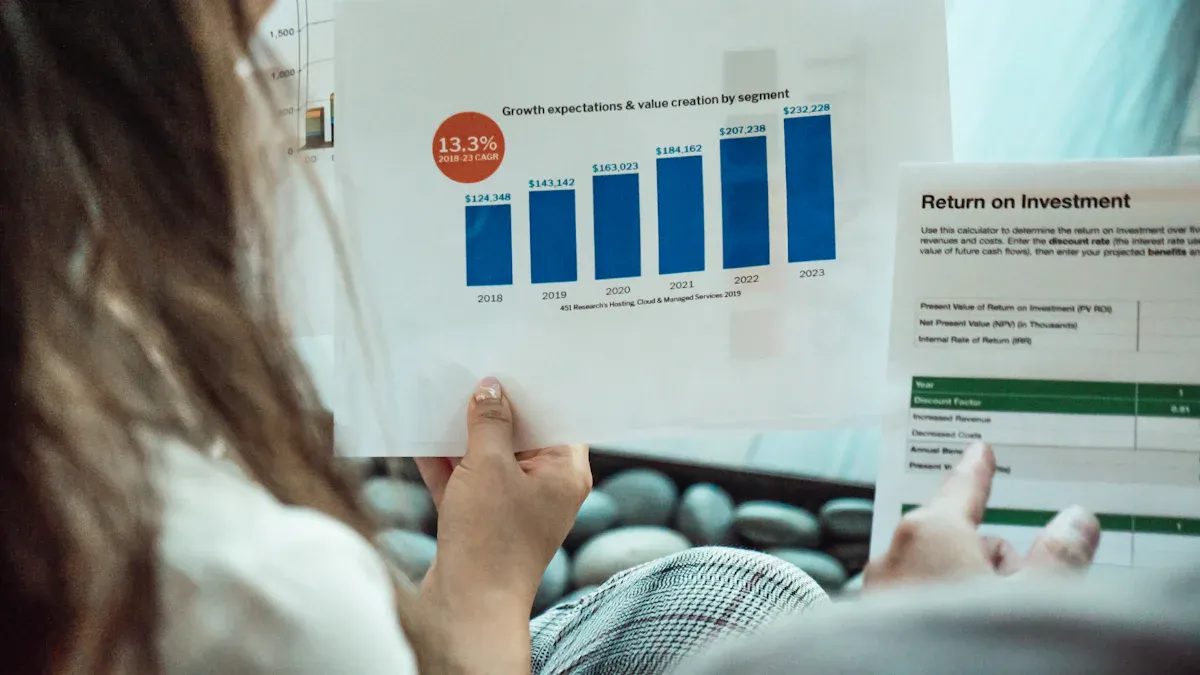
To evaluate roi for autonomous retail in a campus setting, you need to measure both money and process changes. Systematic and scalable metrics help you show clear results. University leaders often use the RCM budget model, so you must prove roi with real data. You can build trust by using a simple framework. When you focus on how these changes support students, you highlight real value.
Key Takeaways
Track both revenue and costs to evaluate ROI effectively. Compare the extra money earned to the total investment to build a strong business case.
Focus on operational efficiency gains. Automation reduces labor needs and improves inventory management, leading to time and cost savings.
Measure the impact on student experience. Fast access to food and supplies increases satisfaction and supports the case for more technology on campus.
Use a clear ROI formula to connect technology features to measurable gains. A higher ROI indicates a stronger business case for investment.
Learn from real-world examples. Start with pilot projects, track results, and share data with campus leaders to gain support for future initiatives.
Evaluate ROI Metrics in Campus Retail

Revenue and Cost Metrics
You need to look at both revenue and costs when you evaluate roi for autonomous retail on campus. Start by tracking all sources of revenue generation. Autonomous stores often bring in more money than traditional vending. You can see this in the table below:
Metric | Value |
|---|---|
Revenue Growth | |
Unit Revenue | Doubled compared to previous vending |
Revenue Comparison | 3x compared to traditional solutions |
This shows that autonomous technology can help you increase revenue quickly. You also need to count all costs. These include the price of the solution, setup fees, and ongoing expenses like maintenance. When you measure the roi, you compare the extra money you make to the total investment. This helps you build a strong business case for your campus.
Operational Efficiency Gains
You can also evaluate roi by looking at how autonomous retail improves operations. Automation reduces the need for staff to do simple tasks. This lets your team focus on more important work. The table below shows some common efficiency gains:
Improvement Type | Description |
|---|---|
Reduced Crowd Sizes | Autonomous stores have cut crowd sizes by 51%. |
Decreased Shopping Time | Shopping time has been reduced by half, enhancing the overall experience. |
Labor Savings | Automation reduces the need for manual labor, allowing staff to focus on valuable tasks. |
Instant Price Updates | Electronic shelf labels update prices instantly, cutting operational expenses. |
Improved Inventory Management | Real-time inventory tracking ensures popular products are restocked timely. |
You can see that autonomous solutions help you save time and money. They also make it easier to manage inventory and update prices. This kind of integration with campus systems leads to better results and higher roi.
Student Experience Impact
Students want fast and easy access to food and supplies. Autonomous retail gives them this experience. You can measure the impact by looking at how students feel and how much they use the service. The table below compares traditional retail to autonomous A-POPs:
Metric | Traditional Retail | Autonomous A-POPs |
|---|---|---|
Shrinkage | Above 25% | |
Revenue Increase | N/A | +53% |
Operational Success | Failed | Successful |
You can see that autonomous stores have no shrinkage and much higher revenue. Students get what they need faster, and the campus sees more success. When you evaluate roi, you must include these improvements in student experience. This helps you show the full value of your investment and supports the case for more technology on campus.
Applying ROI Formulas for Autonomous Solutions
Simple ROI Calculation
You can evaluate roi for an autonomous retail solution by using a clear formula. This helps you connect the features of the technology to measurable gains. When you want to measure the roi, you need to look at both the money you make and the money you spend. The table below shows a standard way to calculate return on investment:
Description | |
|---|---|
(Net Gain from Investment – Cost of Investment) / Cost of Investment | This formula calculates the return on investment, commonly used for various investments. |
You should start by listing all the costs for the solution. This includes buying the technology, setting it up, and keeping it running. Next, you track the extra money you earn from the autonomous system. Subtract your total investment from your net gain, then divide by the cost of investment. This gives you a number that shows how well your solution works. A higher roi means your business case is stronger. You can use this number to show campus leaders the value of your investment.
Adjusting for Campus-Specific Factors
You need to adjust your calculations for factors that are unique to your campus. The size of your student population and the layout of your campus can change how well an autonomous retail solution works. Micro-markets give students 24/7 access to food and supplies. This fits their busy schedules and improves satisfaction. Quick transactions help students who do not have much time between classes. On-site amenities like these can boost student retention, which increases the success of your investment.
Campus activity changes with the academic calendar. You may see more sales during busy times and less during breaks. Autonomous technology with AI can predict these patterns. It helps you avoid running out of products or having too much stock. This integration with smart systems reduces waste and increases your roi. When you adjust for these factors, you build a stronger business case for your solution and show real value to stakeholders.
Total Cost and Ownership Considerations
Upfront and Ongoing Costs
When you evaluate roi for autonomous retail, you must look at both the upfront and ongoing costs. The first step is to understand what you pay at the start. This includes buying the technology, setting up the store, and training your staff. These costs can seem high, but they help you use underutilized spaces on campus and create new value.
Ongoing costs play a big role in your investment. You need to plan for regular maintenance, software updates, and support. The table below shows some important aspects you should consider:
Aspect | Description |
|---|---|
Operating Costs | Higher operating costs have encouraged innovative operational models to emerge. |
Digital Solutions | Retailers must embrace digital solutions to increase operational efficiency without excessive costs. |
Competitive Environment | Modern retail businesses operate in challenging environments, necessitating efficient operations. |
You also need to think about how your team will support the autonomous system. You may need to deploy and maintain new hardware. Software must work well with other systems. Fast issue resolution keeps your store running and protects your roi. These steps help you build a strong business case for your investment.
Agile, distributed field service networks support multi-vendor environments.
Hardware needs regular deployment, calibration, and maintenance.
Software integrations across vendors ensure smooth operations.
Uptime and rapid issue resolution are critical for success.
Integration with Campus Systems
Integration with campus systems is key for institutional efficiency. You want your autonomous solution to work with student ID cards, payment systems, and inventory tools. This makes shopping easy for students and staff. Good integration also helps you track sales and manage stock in real time.
When you connect your autonomous technology to campus systems, you improve the student experience and make better use of your investment. You can turn underutilized spaces into busy retail spots. This approach supports your business case and helps you evaluate roi with clear data.
Prove ROI with Intangible Benefits
Security and Compliance
You must consider security and compliance when you prove roi for scalable autonomous retail. These systems handle sensitive data and operate without staff present. You face new risks that traditional security tools do not cover. The regulatory landscape changes often, which makes compliance a challenge. You need to protect your customers from AI-powered data leaks and privacy issues.
Note: Many organizations are not ready for strict AI regulations. This can lead to legal and reputational risks if you do not prepare.
You can address these challenges by using robust data management. You should invest in skills for your team and work with technology partners who understand compliance. You must also focus on ethical practices and privacy. When you show strong security and compliance, you build trust and support for your project. This helps you prove roi and protect your profit.
Scalability and Innovation
Scalable autonomous retail brings innovation to your campus. You can turn underutilized spaces into busy retail spots with unattended operation. This approach gives you operational simplicity and supports multi-payment support, including seamless campus card integration. Students and staff enjoy a frictionless customer experience with 24/7 access to food and merchandise.
The table below shows how innovative features drive success and demonstrable revenue increases:
Feature | Impact |
|---|---|
Revenue Increase | Demonstrable revenue increases (3.6x higher) |
Shrinkage | Zero shrinkage, even in high-theft areas |
Sales Accessibility | Direct sales of fresh food and merchandise |
Availability | 24/7 access for all customers |
You can scale these solutions across your campus. This flexibility lets you adapt to changing needs and student preferences. When you use technology that supports growth, you create long-term value. You also show the impact of innovation on roi and campus success.
Real-World Campus ROI Examples
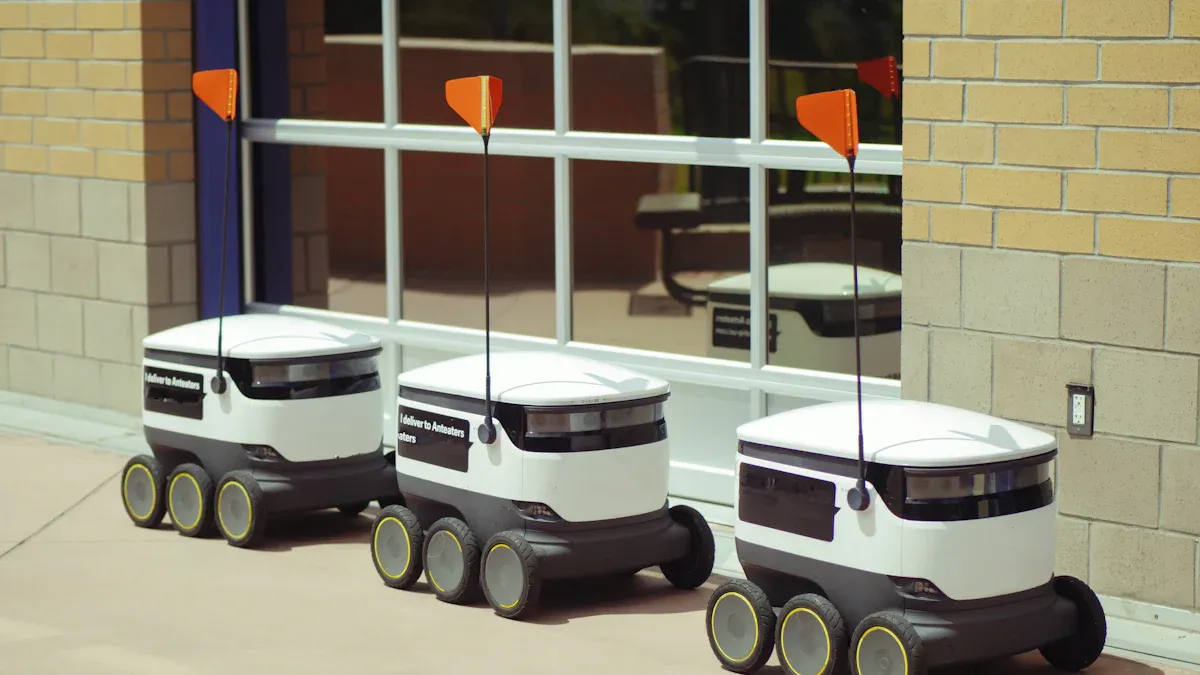
Revenue and Efficiency Benchmarks
You can see the value of autonomous retail by looking at real numbers from campus stores. Many universities report strong results after switching to these systems. The table below shows how much more revenue you can earn and how much you can reduce losses:
Metric | Value |
|---|---|
Revenue Generation | |
Shrinkage | Zero in high-theft areas |
You can use these benchmarks to compare your own results. If your campus store earns three times more than before, you know the investment works. Zero shrinkage means you do not lose products, even in places where theft was a problem. These numbers help you measure roi in a clear way.
Industry reports show that some campuses reach up to 171% roi with autonomous solutions. This means you can get back almost twice what you spend. You can use these numbers to show leaders that the technology brings real value.
Lessons from Autonomous Retail Deployments
You can learn a lot from other universities that use autonomous retail. Many campuses start with small pilot projects. They use spaces that did not make much money before. After adding new technology, these spots become busy and profitable.
Here are some lessons you can use:
Start with one or two locations to test the binding of systems.
Track sales, shrinkage, and student feedback every month.
Share results with campus leaders to build support for more projects.
Use data to adjust product choices and store hours.
You can see that success comes from careful planning and tracking. When you use the right technology, you make shopping easier for students and staff. You also show clear roi, which helps you get support for future projects.
You can evaluate ROI for autonomous retail by following a clear process. Start by tracking revenue, costs, and efficiency gains. Measure how students use and enjoy the service. Balance these numbers with feedback from your team. Share your results with campus leaders. Use data to support your case for new technology. Remember, a systematic approach helps you make smart decisions and prove value to stakeholders.
FAQ
What is the first step to measure ROI for autonomous retail?
You should start by tracking all costs and revenue. List every expense and every dollar earned. This gives you a clear picture of your investment.
How do you show ROI to university leaders?
Use real data and simple numbers. Show how much money you saved or earned. Share student feedback and compare results before and after using autonomous retail.
Can autonomous retail improve student satisfaction?
Yes! Students like fast service and easy access. Autonomous stores let them shop anytime. You can ask students for feedback to see how much they enjoy the new system.
What costs should you include in your ROI calculation?
Technology purchase
Setup and installation
Staff training
Maintenance and support
You should count every cost to get an accurate ROI.
How do you handle security in autonomous retail?
You need strong data protection. Work with trusted technology partners. Train your team to follow privacy rules. This keeps student information safe.
See Also
Comparing Micromarkets And Smart Stores In Global Retail
Launching A Low-Cost AI-Driven Corner Store Successfully
Understanding The Growth Of AI-Enhanced Corner Stores
Boosting Office Efficiency With Intelligent Vending Machines
