Designing the ideal product assortment for autonomous stores in Convenience store chains & small-format grocery.

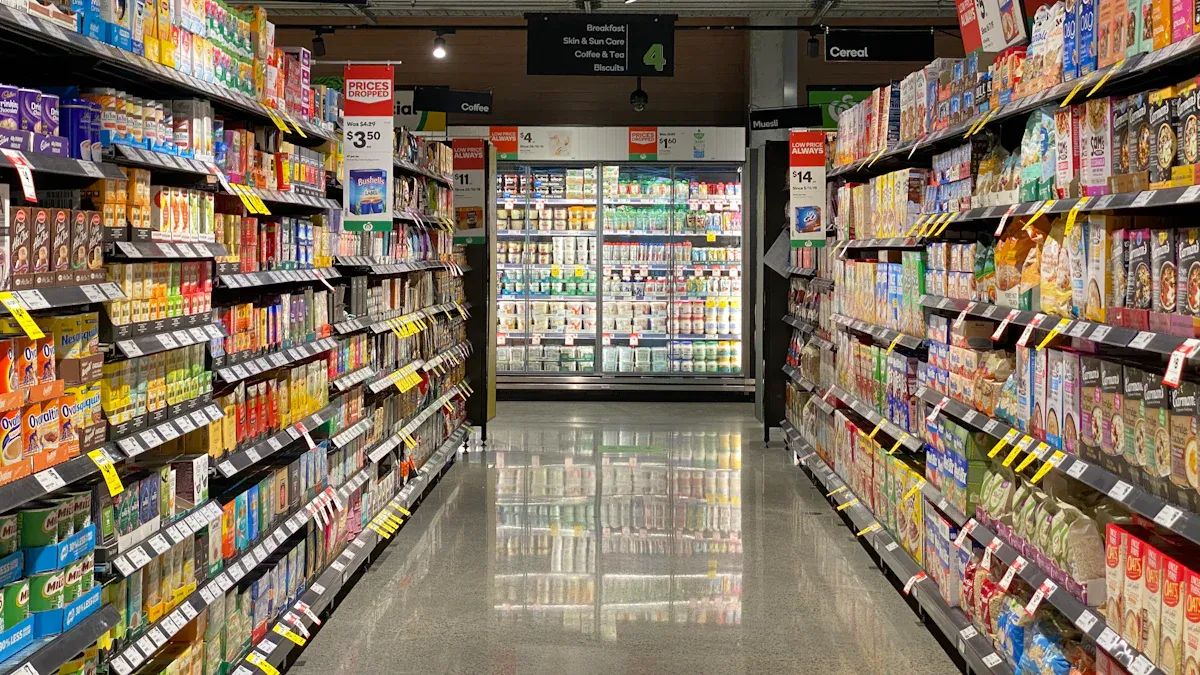
You want to create the ideal product assortment for autonomous micro stores. In convenience store chains and small-format grocery, space matters. You must plan carefully to fit the right mix of convenience items in every area. Technology helps you track convenience trends and choose products that sell fast. AI, IoT, and data analytics let you optimize convenience stock and avoid waste. When you focus on convenience, you meet customer needs and improve store performance.
Key Takeaways
Focus on high-demand essentials like snacks and drinks to drive repeat visits. Stock items that customers buy most often.
Use technology like AI and IoT to monitor inventory in real time. This helps keep shelves full and customers satisfied.
Understand the difference between fast and slow-moving products. Prioritize fast movers to maximize space and sales.
Adapt your product assortment to local preferences. Use customer data to learn what items are popular in your area.
Continuously analyze sales data and gather customer feedback. This helps you stay relevant and improve the shopping experience.
Autonomous Store Constraints
Space and Layout
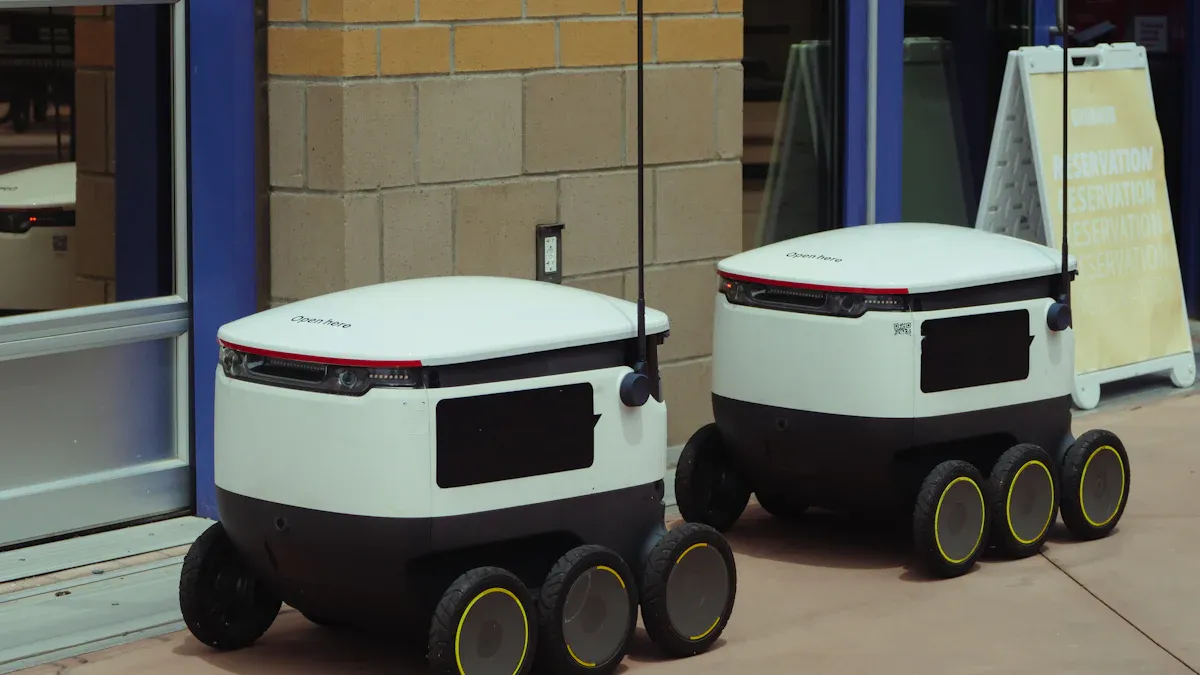
You face unique challenges when you design an autonomous store. Space is limited. You must use every inch wisely. Shelves, coolers, and displays need careful planning. You want customers to find products quickly. Autonomous stores often use smart shelves and compact layouts. These tools help you fit more items in less space. You can use vertical shelving to maximize storage. You should keep aisles clear so customers move easily. Autonomous micro stores often serve busy areas. You must make the most of small footprints.
Technology Integration
Autonomous stores rely on technology. You use sensors, cameras, and smart shelves to track products. AI helps you analyze sales data and predict trends. IoT devices send alerts when stock runs low. You can automate inventory checks. Autonomous systems let you restock fast and avoid empty shelves. You can connect your store to a central system. This helps you manage multiple autonomous locations. Technology makes your store run smoothly. You save time and reduce errors. Autonomous stores use data to improve every part of the operation.
Tip: Use AI and IoT to monitor inventory in real time. This helps you keep shelves full and customers happy.
Customer Expectations
Customers expect speed and convenience in autonomous stores. They want to grab items and go. You must offer popular products and keep them easy to reach. Autonomous stores often use touchless payment and digital receipts. You should make the shopping experience simple. Customers like fresh food, snacks, and drinks. You must stock items that sell fast. Autonomous stores in convenience store chains need to meet local needs. You can use data to learn what customers want. Autonomous technology helps you respond quickly to changes in demand.
Ideal Product Assortment Selection
High-Demand Essentials
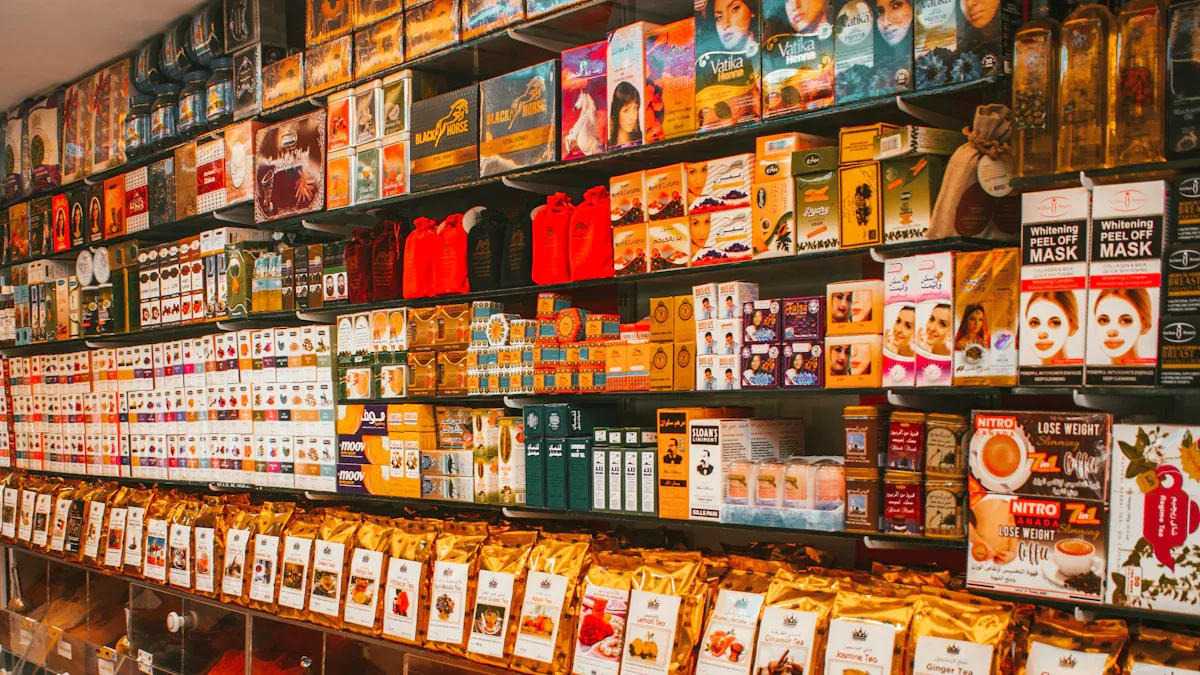
You want your autonomous store to offer the ideal product assortment. Start with high-demand essentials. These items include snacks, bottled drinks, ready-to-eat meals, and hygiene products. You see customers reach for these products every day. In small-format grocery, you need to focus on what people buy most often. You should stock bread, milk, eggs, and fresh fruit. These essentials drive repeat visits and keep your store relevant.
You can use technology to track which items sell fastest. Smart shelves and sensors help you see what needs restocking. Most types of autonomous stores work best when you keep shelves full of popular products. You should aim for an average of 3,200 SKUs per store. This number gives you enough variety without wasting space. You want to balance choice and efficiency. When you select the right essentials, you create an optimized product selection that meets customer needs.
Tip: Review your sales data weekly. This helps you adjust your ideal product assortment and keep up with changing trends.
Fast vs. Slow Movers
You need to understand which products move quickly and which do not. Fast movers include items like bottled water, chips, and energy drinks. These products sell out often. Slow movers might be specialty snacks or seasonal items. You should use data analytics to track sales velocity. This helps you make smart selection decisions.
Create a table to compare fast and slow movers:
Product Type | Fast Movers | Slow Movers |
|---|---|---|
Snacks | Potato chips | Gourmet crackers |
Drinks | Bottled water | Niche sodas |
Grocery | Milk, bread | Specialty cheeses |
You want your ideal product assortment to focus on fast movers. You should limit slow movers to avoid tying up space. In small-format grocery, shelf space is valuable. You need to rotate slow movers and test new products. Most types of autonomous stores benefit from frequent assortment reviews. This keeps your selection fresh and relevant.
Local Preferences
You must consider local preferences when you plan your ideal product assortment. Different neighborhoods want different products. In some areas, you see high demand for ethnic foods. In others, organic snacks or local brands sell best. You should use customer data to guide your selection.
Make a list of ways to learn about local preferences:
Analyze purchase history from your store’s data.
Survey customers about their favorite products.
Watch for trends in nearby grocery stores.
Adjust your assortment based on feedback.
You want your selection to reflect the tastes of your community. Most types of autonomous stores succeed when they adapt to local needs. You should update your ideal product assortment regularly. This keeps your store competitive and customer-focused.
Note: Localizing your assortment helps you stand out from other types of autonomous stores. Customers notice when you offer products they love.
You need to plan your selection with care. Focus on essentials, sales velocity, and local preferences. Use technology to guide your decisions. When you build your ideal product assortment, you create a store that meets customer needs and drives sales.
Data-Driven Optimization in Autonomous Micro Stores
Real-Time Sales Analysis
You can use real-time sales analysis to make smarter decisions in your autonomous store. When you track sales as they happen, you see which products sell fast and which ones do not. This helps you adjust your product assortment quickly. You can use ai-powered systems to collect sales data from every transaction. These systems show you what customers want right now.
Real-time data lets you change prices on the spot. You can use dynamic pricing to boost profits by raising prices for popular items. If you see a product selling out, you can reorder it faster. This reduces the risk of running out of stock. You also avoid overstocking slow-moving products. Your store uses analytics to predict which items will sell next. You can stock seasonal products at the right time.
Here is a table that shows how real-time sales analysis helps your autonomous store:
Evidence Point | Explanation |
|---|---|
Dynamic Pricing | Real-time data enables dynamic pricing, allowing stores to prioritize high-performing merchandise, thus enhancing profitability. |
Accelerated Reordering | AI-powered POS systems can quickly reorder popular items, reducing stockouts and ensuring customer satisfaction. |
Overstock Prevention | The system can delay reordering for slow-moving products, optimizing shelf space usage. |
Predictive Analytics | Historical data helps forecast trends, allowing stores to stock seasonal items at the right time. |
Tip: Use real-time analytics to spot trends early. This helps you keep your autonomous store stocked with the products customers want most.
Predictive Inventory Management
You can use predictive inventory management to keep your autonomous store running smoothly. ai and analytics work together to study your sales data. These tools predict which products you need to order next. You do not have to guess what will sell. The system uses past data to forecast future demand.
You can set up alerts for low inventory levels. When a product starts to run out, the system tells you right away. You can reorder before you run out. This keeps your shelves full and your customers happy. Predictive inventory management also helps you avoid waste. You do not order too much of a slow-moving product. You use your space wisely.
ai studies your sales data to find patterns.
The system predicts which products will sell soon.
You get alerts when inventory drops below a set level.
You can reorder before you run out of stock.
Note: Predictive inventory management helps you save money and reduce waste in your autonomous store.
Automated Replenishment
Automated replenishment makes your autonomous store more efficient. You do not have to check inventory by hand. ai and IoT devices track your stock in real time. When a product runs low, the system orders more automatically. You spend less time managing inventory and more time serving customers.
Your store uses data from sensors and smart shelves. These devices send updates to your central system. You can manage multiple autonomous locations from one dashboard. Automated replenishment reduces errors and keeps your shelves full. You avoid out-of-stocks and lost sales.
Sensors track inventory levels every minute.
ai systems place orders when stock runs low.
You get notifications for every inventory change.
Your store stays stocked with popular products.
Tip: Automated replenishment helps you keep your autonomous store running smoothly, even during busy times.
You can use data, ai, and analytics to optimize every part of your autonomous store. Real-time sales analysis, predictive inventory management, and automated replenishment work together. These tools help you minimize out-of-stocks, reduce waste, and boost sales performance. You create a store that meets customer needs and stays ahead of trends.
Balancing Variety and Convenience
Core vs. Seasonal Items
You need to find the right balance between core products and seasonal items in your autonomous store. Core products include snacks, drinks, and daily essentials. These items attract repeat customers and keep your self-service store reliable. Seasonal items, such as holiday treats or summer beverages, add excitement and variety. You can rotate these products to match the time of year. This approach keeps your autonomous store fresh and interesting. You should review sales data to decide which seasonal items work best. Customers enjoy seeing new products, but they also expect their favorite essentials to be available every visit.
Space-Efficient Merchandising
Space matters in autonomous and self-service stores. You want to use every inch wisely. Vertical space utilization helps you display more products by using wall shelves and hooks at different eye levels. Adaptable shelving lets you change layouts quickly to fit new merchandise. You can guide customer flow by placing popular items near the entrance and grouping related products together. Cross merchandising encourages customers to buy more by displaying snacks next to drinks or placing breakfast items together. Here is a table showing space-efficient merchandising techniques:
Technique | Description |
|---|---|
Vertical Space Utilization | Use wall shelves, hooks, and tall shelving to maximize display options at different eye levels. |
Adaptable Shelving | Modular shelving systems can be modified to fit current merchandise, allowing for flexible layouts. |
Customer Flow Optimization | Strategically placing products to guide customers through the store enhances their shopping experience. |
Cross Merchandising | Displaying related products together encourages additional purchases and enhances product visibility. |
You can use these techniques to make your autonomous store look organized and inviting. Customers find what they need quickly, and you maximize your self-service space.
Price Point Strategy
You need a smart price point strategy for your autonomous store. Offer a mix of low, medium, and premium-priced items. This gives customers choices and fits different budgets. You can use sales data to see which price points sell best in your self-service location. Adjust prices for seasonal items to attract more buyers. Keep core products at steady prices to build trust. When you set prices carefully, you increase sales and keep your autonomous store competitive.
Continuous Improvement and Feedback
Performance Metrics
You need to measure how well your autonomous store performs. Start by tracking key retail metrics like sales per square foot, product turnover, and average transaction value. These numbers help you see if your product assortment meets customer needs. You can also track inventory accuracy and out-of-stock rates. When you monitor these metrics, you improve the customer experience and keep your store running smoothly. Use dashboards to access real-time data. This gives you a clear view of your store’s performance and helps you make quick decisions.
Adapting to Trends
Retail changes quickly. You must stay alert to new trends in autonomous shopping and customer experience. Watch for shifts in what people buy and how they shop. Use your sales data to spot patterns. If you see more customers buying healthy snacks, add more of those items. When you adapt fast, you keep your store relevant. You can access industry reports and social media to learn about new products. Try small tests with new items before making big changes. This approach lets you improve the shopping experience without taking big risks.
Customer Feedback Loops
You improve your autonomous store by listening to your customers. Set clear goals for collecting feedback. Decide if you want to learn about product selection, store layout, or the checkout experience. Use surveys, online reviews, and social media to gather input. Analyze the feedback with tools that help you find patterns. Share what you learn with your retail team so everyone can access important insights. This process builds a customer-focused culture and helps you track inventory needs better. When you act on feedback, you show customers you value their experience. Over time, this leads to higher satisfaction and loyalty.
Tip: Make it easy for customers to access feedback channels. A simple QR code or a short survey at checkout can boost response rates.
You create a better retail experience when you measure, adapt, and listen. Continuous improvement keeps your autonomous store ahead in a fast-changing market.
You can design the ideal product assortment for your autonomous store by following a few key steps.
Research product roles and study historical sales to understand what your customers need.
Use forecasting and modern planning tools to select the right items.
Organize your space for visual merchandising and impulse buys.
Group stores with similar performance for better inventory control.
Stay flexible and keep improving your assortment as trends and feedback change. Take action now to build a smarter, customer-focused store.
FAQ
What makes an autonomous micro store different from regular stores?
You see autonomous micro store locations use advanced autonomous technology. These stores rely on sensors and AI. Customers enjoy a fast, self-service shopping experience. You find fewer staff and more automation. Micro stores focus on convenience and quick access for customers.
How do you choose products for an autonomous micro store?
You select products by studying customer data and sales trends. You focus on high-demand essentials and local preferences. Autonomous store technology helps you track what customers buy. You adjust your assortment often. Micro stores need a mix of popular items and seasonal choices.
How does autonomous technology improve the customer experience?
You benefit from autonomous technology because it keeps shelves stocked and checkout fast. Customers find products easily. Micro stores use smart shelves and sensors. You get real-time updates. Stores respond quickly to customer needs. Autonomous micro store locations offer a smooth autonomous shopping experience.
What are the main benefits of using data in autonomous micro stores?
You use data to predict sales and manage inventory. Customers get what they want without delays. Micro stores avoid out-of-stocks and reduce waste. You see which products sell best. Stores use analytics to improve the self-service shopping process for every customer.
How do you keep autonomous micro stores relevant for customers?
You listen to customer feedback and watch for new trends. Micro stores update their product assortment often. You use surveys and sales data. Stores adapt quickly. Customers see fresh products and better service. Autonomous micro store locations stay competitive by meeting customer needs.
See Also
Comparing Micromarkets And Smart Stores In Global Retail
Understanding The Growth Of AI-Driven Corner Shops
Analyzing Walgreens Self-Checkout: Benefits And Hurdles Faced
