Unlocking Growth with Ideal Product Assortment in Autonomous Franchise Stores

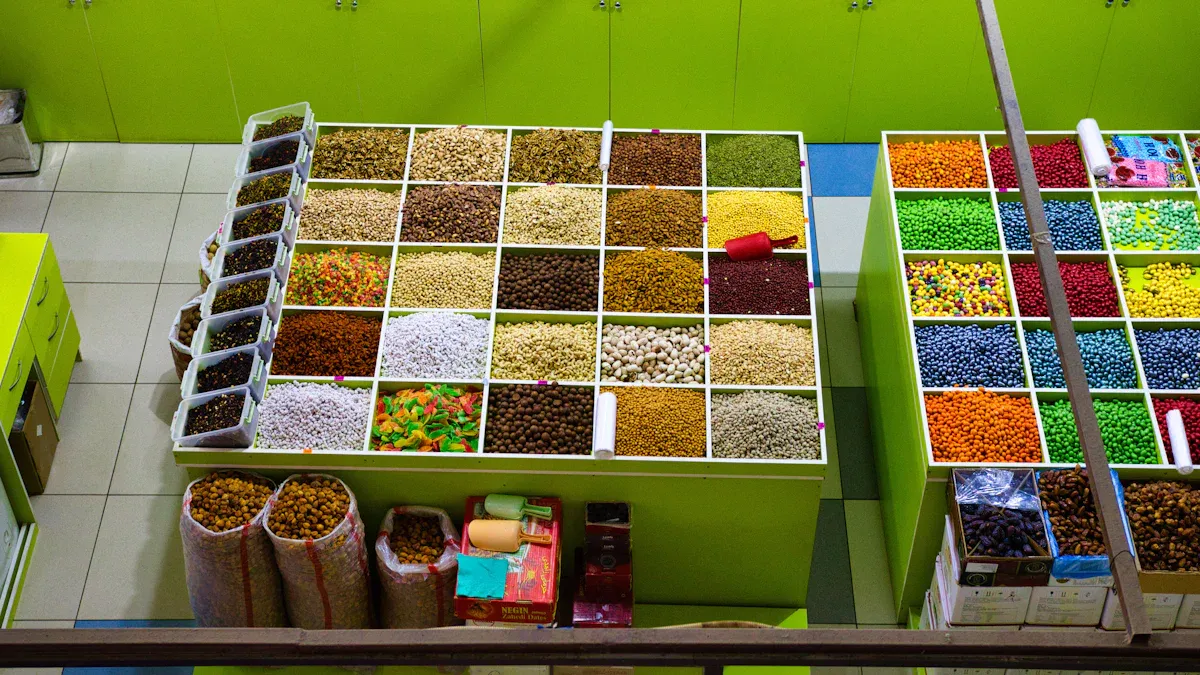
You can help your store grow and operate more efficiently by selecting the ideal product assortment for your autonomous franchise stores. Effective assortment strategies enable you to provide customers with what they desire, encouraging them to return. It's essential to adjust your product choices for each store and utilize sales data and customer feedback to make informed decisions. By doing so, you can stay ahead of new trends and foster customer loyalty to your store.
Key Takeaways
Pick the best product assortment to fit what customers want. This can help you sell more and keep customers coming back.
Look at local sales data and listen to customer feedback. Change your product mix for each store. This makes sure you have what local shoppers need.
Use both wide and deep assortment strategies. This gives shoppers more options and makes shopping more fun.
Use technology like AI to help with inventory management. This lets you guess what people will buy and improve your product assortment.
Check your inventory and customer feedback often. Small changes can help your store grow a lot over time.
What Is the Ideal Product Assortment?
Defining Product Assortment
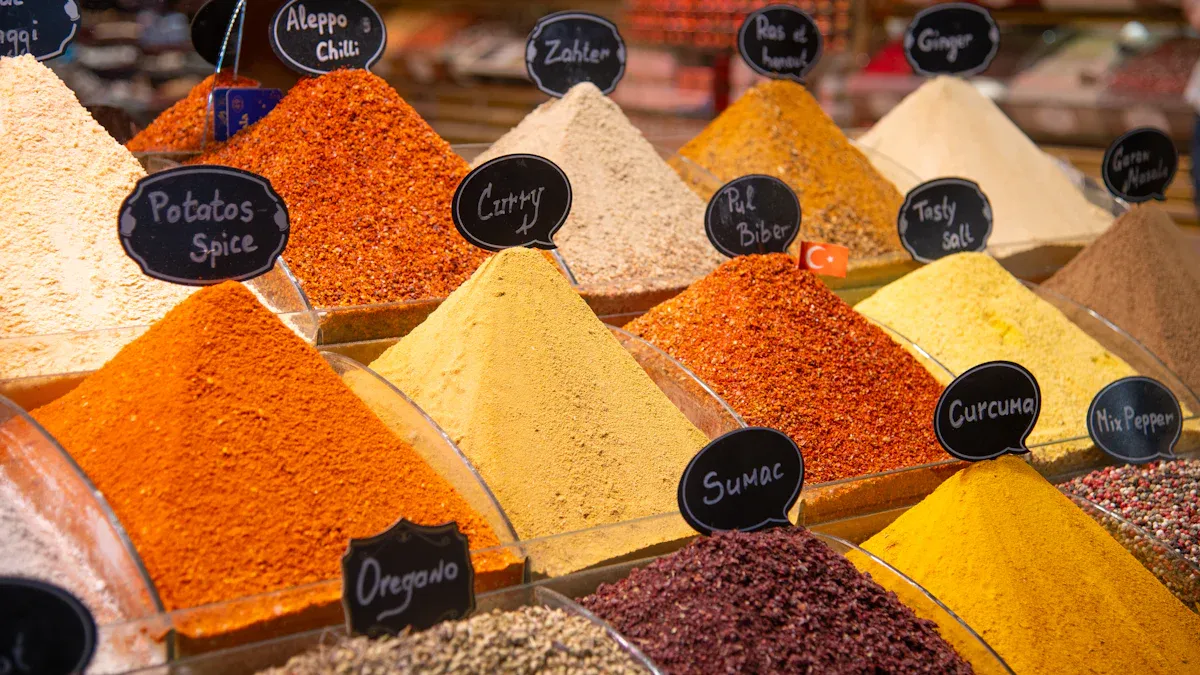
You should know what product assortment means before making the best choices for your store. Product assortment is the group of products you sell to customers. This group has different brands, sizes, types, and prices. You can sort your products by how people use them or what they like. To find the best mix, follow these steps:
Do market research to learn about your customers.
Make clear goals for your assortment, like raising sales or making customers happier.
Put products into easy-to-understand groups.
Look at sales numbers to see trends and best sellers.
Check what other stores do to find chances to improve.
Think about how long products last and keep new, popular, and regular items.
Make sure prices and stock levels are balanced.
Add seasonal and trendy products to keep your assortment exciting.
These steps help you create an assortment that matches what your customers want and keeps your store strong.
Why It Matters for Autonomous Stores
Running an autonomous store is different from other stores. The right product assortment is very important for your store’s success. Autonomous stores use technology to handle inventory and pick products. If you pick the best products, customers are happier and your store works better. Unlike regular stores, you do not run out of products or have too much stock because your systems help you keep the right items. This makes shopping better and brings customers back.
Tip: Use technology to watch sales and change your assortment fast. This helps your store keep up with what customers want.
Franchise and Multi-Location Considerations
If you run more than one franchise store, you need to change your product assortment for each place. Different areas have their own needs and likes. You should use local sales numbers and customer opinions to make your assortment fit. For example, one store might need more health foods, while another sells more snacks. By changing your product mix, you get more sales and make customers loyal in each area. You also keep your brand the same while meeting local needs.
Assortment Strategies for Autonomous Stores
Wide vs. Deep Assortment
You can pick between wide or deep assortment strategies. Wide assortment means you sell many kinds of products. Deep assortment means you have lots of choices in one group. For example, wide assortment has snacks, drinks, and home items. Deep assortment has many chip flavors or lots of bottled water brands. You need to choose what matches your store’s goals. Wide assortment brings in people who want lots of options. Deep assortment is good for shoppers who want special choices. Franchise stores often use both strategies together. You can try different ways to see what works best for your store.
Tip: Try to use both wide and deep assortment. This helps you give customers more choices and keeps your store fun.
Localized Product Mix
You should change your product mix for each store. Localized assortment means you pick products that local people like. This helps you connect with your area and sell more.
Local digital content can get up to 32% more clicks than national posts.
Engagement can go up by 20% with local content.
Stores using advanced personalization can make 40% more money than others.
You can use sales numbers and customer feedback to learn what people want. For example, a store near a gym might sell more sports drinks. A store near a school might sell more snacks and lunch foods. When you offer what local people like, you make the best product assortment for your store. This makes customers happy and keeps them coming back.
Mass Market and Niche Options
You can sell both mass market and niche products. Mass market products are for lots of people. Niche products are for smaller groups with special interests. This helps you get more customers and be different from other stores.
CorePower Yoga reached both fitness fans and regular yogis, growing their market.
They made special classes like Yoga Sculpt for people who want a tough workout, making a 'gateway' product.
This plan brought in more customers and lowered business risks.
You can do this in your store too. Sell popular things everyone buys. Add special items for people with unique needs. For example, you can sell gluten-free snacks or organic drinks. This helps you make the best product assortment and bring in new shoppers.
Scrambled Assortment
Scrambled assortment means you add products not usually in your store. For example, you could sell phone chargers in a food shop. This gives customers more choices and makes shopping easier.
Scrambled merchandising can make shopping better by giving more options. Shoppers have more reasons to visit your store. But you must manage these new items carefully. If you do not know how to handle them, you could lose money. Learn about each new product before you add it.
Note: Scrambled assortment works best if you know your customers and can handle new items well. Always check sales and feedback to see if these products help your store.
You can use these ideas to make the best product assortment for your autonomous franchise stores. Real examples show that changing your mix for each place, selling both mass market and niche items, and trying scrambled assortment can help you sell more and make customers happy.
Data-Driven Optimization

Analyzing Sales and Demand Trends
You can look at sales and demand trends to make better choices about your product assortment. This helps you see which items sell well and which do not. You can find patterns and change your inventory to match what customers want. Many autonomous franchise stores use these methods to improve their product mix.
Use Case | Description |
|---|---|
SKU Rationalization | Finding which products to keep or remove from the assortment. |
Customer-Centric Assortments | Changing product mixes to fit what customers like. |
Localized Assortments | Suggesting special assortments for each store. |
Cross-Category Analysis | Finding links between products for better bundles. |
New Product Introduction | Guessing how well new products will do. |
Space Planning and Merchandising | Making product placement and store layouts better. |
ML for Assortment Optimization | Changing product assortment by store, region, or customer group. |
Example | A D2C fashion brand uses customer groups to change its product mix in Tier 1 and Tier 2 cities. |
You can also use cross-category analysis to find products that sell well together. For example, AI can show that customers are 20% more likely to buy Bluetooth headphones when they buy a smartphone if you offer both options.
Leveraging AI and Automation
Artificial intelligence gives you strong tools to make your assortment better. AI uses predictions to help you guess what customers will want. You can find products that do not sell well and see gaps in your product mix. AI can make store groups and change size curves automatically. These features help you match your assortment to what customers want. You lower the risk of buying too much or missing sales. Automation saves time and makes your store work better.
Tip: Use AI to change your assortment fast. This keeps your store ready for new trends and customer needs.
Using Digital Consumer Feedback
You can get feedback from customers using digital tools. Online surveys, store apps, and social media help you learn what shoppers like and dislike. This feedback lets you change your assortment to fit what customers want.
You can ask customers about new products.
You can check reviews and ratings for current items.
You can use feedback to try seasonal or trendy products.
Continuous data analysis and technology help you build a product assortment that grows your store and keeps customers happy.
Overcoming Assortment Challenges
SKU and Shelf Space Management
You have many choices about what products to stock. If you have too many SKUs, your shelves get crowded. Shoppers can feel confused and not find things. If you have too few SKUs, your store looks empty. Customers do not have enough options. Autonomous franchise stores use smart technology to help with this. Robots restock shelves and check inventory all the time. These machines move around and check product levels. They make sure popular items are always there. You save money on labor and get better accuracy. Customers find what they need, and your sales increase.
Robots watch products and restock fast.
Real-time inventory helps you avoid running out.
Automated systems cut waste and keep shelves tidy.
Tip: Use inventory robots to keep shelves neat and your assortment new. This makes shopping easier for everyone.
Balancing Standardization and Localization
You must keep your brand strong and meet local needs. Standardization means using the same rules in every store. Localization means changing products and services for each community. You can use both ways to get the best results.
Processes to Standardize | Processes to Localize |
|---|---|
Safety protocols | Community events |
Billing systems | Class schedules |
Staff training | Facility layout changes |
Branding elements | Local marketing |
Maintenance schedules | Social media tone |
Stores that use both ways see real benefits. Gym chains with standard operations cut onboarding time by 30%. They also keep more members, raising retention by 22%. You can check success by tracking revenue per member, retention rates, and cost per new member.
Note: Change your product mix for each place, but keep your brand the same. This helps you build loyalty and grow your business.
Inventory Control in Autonomous Stores
You must control inventory to keep your assortment good. Standardized processes make training and ordering simple. Lean practices help you cut waste and work better. Regular audits catch problems like spoilage. The right POS system lets you track inventory all the time. Inventory management software helps you share data and keep records correct.
Strategy | Description |
|---|---|
Makes training, ordering, pricing, and forecasting easier. | |
Triangulating communication | Helps suppliers, franchisors, and franchisees work together. |
Implementing lean practices | Cuts waste and boosts efficiency. |
Leveraging economies of scale | Lowers costs with bulk buying and shared resources. |
Conducting regular inventory audits | Finds issues like spoilage and helps assortment. |
Choosing the right POS system | Lets you track inventory and collect data in real time. |
Utilizing inventory management software | Supports standard practices and real-time data sharing. |
Callout: Use technology and regular audits to keep inventory correct. This helps you offer the best assortment and avoid waste.
Steps to Implement the Ideal Product Assortment
Market and Customer Research
You need to start with strong research. Learn what your customers want and what they buy most. You can use surveys, loyalty programs, and sales data. Watch for trends in your area. Ask questions like, “What do shoppers buy often?” and “What new items do they want?” You can also visit other stores to see what works for them. This helps you find gaps in your own assortment.
Tip: Talk to your customers. Simple questions can give you big ideas for your product mix.
Inventory Analysis and Rationalization
You should check your inventory often. Look for products that sell well and those that do not. Remove slow-moving items and add more of the best sellers. This process is called rationalization. It helps you use your shelf space better and avoid waste.
Here is how inventory analysis can help your store:
Improvement Type | |
|---|---|
Reduction in Overstock | 15-25% |
Revenue Increase | 8-15% |
Sales per Square Foot | 10-20% |
Gross Margin Improvement | 5-12% |
Reduction in Stockouts | 20-30% |
When you analyze and adjust your inventory, you can sell more and waste less. You also make shopping easier for your customers.
Applying Feedback and Reassessment
You should always listen to feedback. Use digital tools like store apps or online surveys to hear from your shoppers. Check reviews and ratings for your products. Try new items in small amounts and see how they do. If something does not sell, remove it quickly. If customers love a product, stock more of it.
Note: Review your assortment every month. Small changes can lead to big growth over time.
By following these steps, you can build the best product assortment for your autonomous franchise stores. You will see more sales, happier customers, and a stronger business.
Making your product assortment better helps your store grow. It also helps your store run smoothly and keeps customers coming back.
Stores that care about customer experience get more repeat buyers. They also see more people renew their subscriptions.
Picking products just for your shoppers can make them spend more over time.
You can use smart tools like Hivery, RELEX, and ToolsGroup to help plan what you sell. These tools help you avoid mistakes.
The Co-op Group used better forecasting and restocking in their franchise stores. This helped them manage inventory and save money.
Start now. Change your product mix and see your autonomous franchise do well.
Software | Key Features | Benefits |
|---|---|---|
Hivery | AI-powered planning, digital twin technology | Makes the mix better, supports local plans |
RELEX | Unified supply chain, demand forecasting | Matches what people want, stops running out |
ToolsGroup | Demand-driven optimization, automated replenishment | Raises sales, cuts extra inventory |
Case Study | Implementation | Outcome |
|---|---|---|
Co-op Group | Advanced forecasting and replenishment | Better inventory, lower costs |
FAQ
What is product assortment in autonomous franchise stores?
Product assortment means the mix of items you sell in your store. You choose brands, sizes, and types to match what your customers want. Smart assortment helps your store grow.
How do you decide which products to add or remove?
You check sales data and listen to customer feedback. If a product sells well, you keep it. If it does not, you remove it. You test new items in small amounts.
Why is localizing product assortment important?
Localizing helps you match your store’s products to what people in your area like. You see higher sales and happier customers. You build loyalty by offering items that fit local tastes.
What tools help optimize product assortment?
Tool | Benefit |
|---|---|
AI Software | Predicts demand |
POS System | Tracks sales in real time |
Surveys | Collects feedback |
You use these tools to make better decisions and keep your assortment fresh.
See Also
Starting Your AI-Driven Corner Store on a Budget
Comparing Micromarkets and Smart Stores in Global Retail
The Future of Retail: Embracing AI-Powered Stores
