Designing the ideal product assortment for autonomous stores in Corporate offices & tech parks.

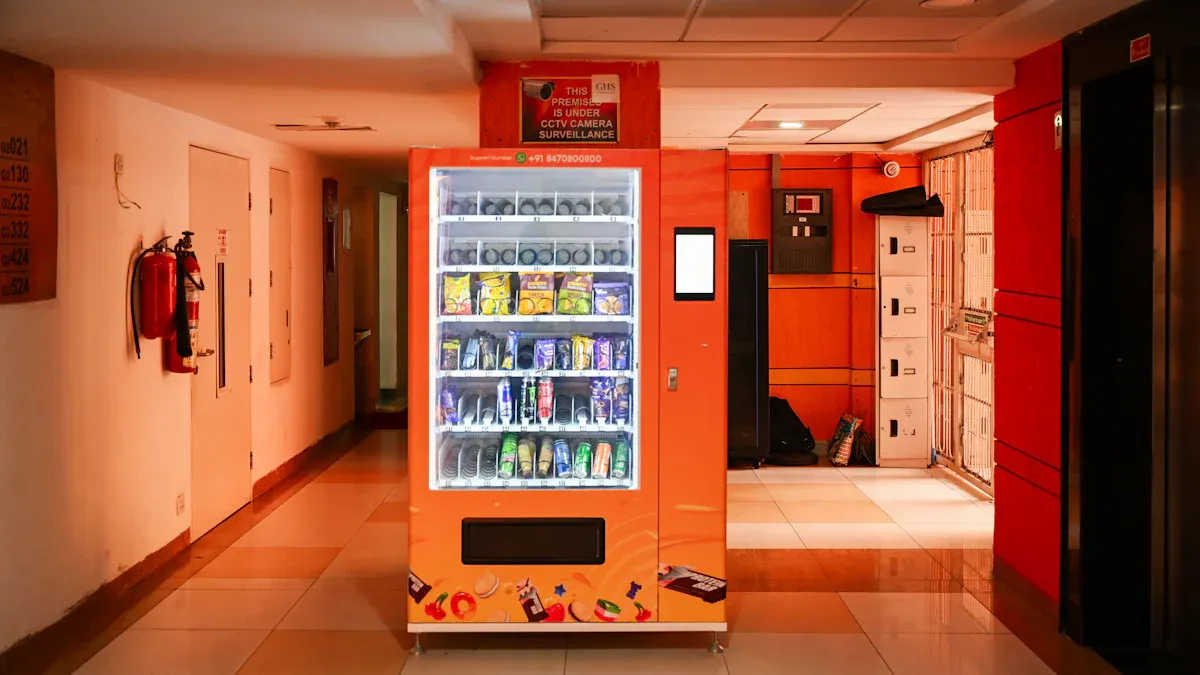
You see autonomous stores growing fast in corporate offices and tech parks. The number of stores with retail automation jumped from 350 in 2018 to a projected 10,000 by 2024. These stores shape the future of retail by using AI and self-checkout to create the ideal product assortment. When you balance product variety and depth, you support consumer psychology and boost satisfaction. Shoppers enjoy sustainable stores most when you offer wide choices without confusion. You need to keep optimizing to match changing needs and space.
Key Takeaways
Understand your customers. Focus on the needs of young professionals in corporate offices and tech parks. Offer quick, healthy options to fit their busy schedules.
Use AI for data-driven decisions. Leverage technology to analyze sales data and customer preferences. This helps you stock the right products and improve customer satisfaction.
Balance product variety and simplicity. Offer enough choices to satisfy customers without overwhelming them. A well-curated selection boosts confidence and encourages purchases.
Optimize store layout for efficiency. Place high-demand items near entrances and checkout areas. A smart layout enhances the shopping experience and speeds up checkout.
Continuously gather feedback. Use surveys and real-time data to understand customer preferences. Regular updates to your product mix keep your store relevant and engaging.
Understanding Corporate & Tech Park Shoppers

Demographics and Work Culture
You see a unique group of customers in corporate offices and tech parks. Most customers are young professionals. Many work in technology, finance, or creative fields. These customers value speed and convenience. They often have busy schedules and tight deadlines. You notice that customers want quick solutions for meals and snacks. They also look for healthy options to support their active lifestyles. The work culture in these places encourages collaboration and long hours. Customers often work late or come in early. This means you must think about their needs at different times of the day. Customers appreciate stores that help them save time and keep their energy up. You can make their journey smoother by offering products that fit their work routines.
Consumption Patterns and Time Constraints
You need to understand how customers eat and shop during their workday. Their journey through the store often happens during short breaks or between meetings. Customers do not have much time to browse. They want to find what they need fast. Here are some common patterns you will see:
Customers show a high demand for snacks in the mid-evening, especially during project deadlines.
Many customers prefer protein bars, nuts, and energy drinks.
Snack planning works best when you match it with long work hours and peak work periods.
You notice that customers often shop in groups. They may pick up snacks for team meetings or quick lunches. Customers want easy access to both healthy and indulgent choices. You can help customers by placing popular items near the entrance or checkout. This makes their journey faster and more enjoyable. When you understand these patterns, you can design a product mix that meets the real needs of your customers.
AI and the Ideal Product Assortment
Data-Driven Assortment Optimization
You can use AI and machine learning to create the ideal product assortment for your store. These tools help you understand what your customers want and when they want it. AI systems look at sales data, customer preferences, and even outside factors like weather or local events. This helps you predict demand and keep your shelves stocked with the right items.
When you use data-driven optimization, you see many benefits:
You reduce stockouts and overstocks. This means you do not lose sales or waste money on extra inventory.
You improve customer satisfaction. Shoppers find what they need, which makes them want to return.
You increase sales and profit margins. Your products match what people want, so they buy more.
You manage inventory more efficiently. You save money and avoid missed sales.
Tip: Always keep core products in stock. This builds trust with your customers and keeps them coming back.
You can see the impact of assortment optimization in the numbers:
Impact of Assortment Optimization | Value |
|---|---|
Increase in sales | 2% to 5% |
Improvement in margins | up to 10% |
Failure rate of ineffective promotions | up to 25% |
AI also helps you adjust your product mix quickly. If you notice a trend or a change in customer behavior, you can update your assortment right away. This keeps your store relevant and competitive. In an autonomous store, this speed and accuracy are even more important because you do not have staff to guide customers or fix problems on the spot.
Deep, Wide, and Localized Strategies
To build the ideal product assortment, you need to balance depth, width, and local needs. Depth means you offer enough choices in popular categories, like snacks or drinks. Width means you cover all the main categories your shoppers want, such as healthy foods, tech accessories, and quick meals. Localized strategies mean you adjust your products for the people who work in your building or tech park.
AI helps you with all three strategies. It looks at what sells best in your location and suggests changes. For example, you might see that one tech park prefers energy drinks, while another wants more fresh fruit. If you do not adapt to these local preferences, you risk having products that do not sell and missing out on sales.
You should always tailor your assortment to fit your shoppers. Different offices have different work cultures and schedules. Some neighborhoods have more young professionals, while others have a mix of ages and backgrounds. When you use AI to analyze these patterns, you make smarter choices about what to stock.
Note: Localizing your assortment is crucial for success. If you ignore local tastes, you may end up with products that sit on the shelf and do not move.
You can use AI to keep your ideal product assortment fresh and relevant. By reviewing sales data and customer feedback, you can make ongoing adjustments. This helps you stay ahead of trends and keep your autonomous store running smoothly.
Core Categories for Autonomous Stores
Snacks and Beverages
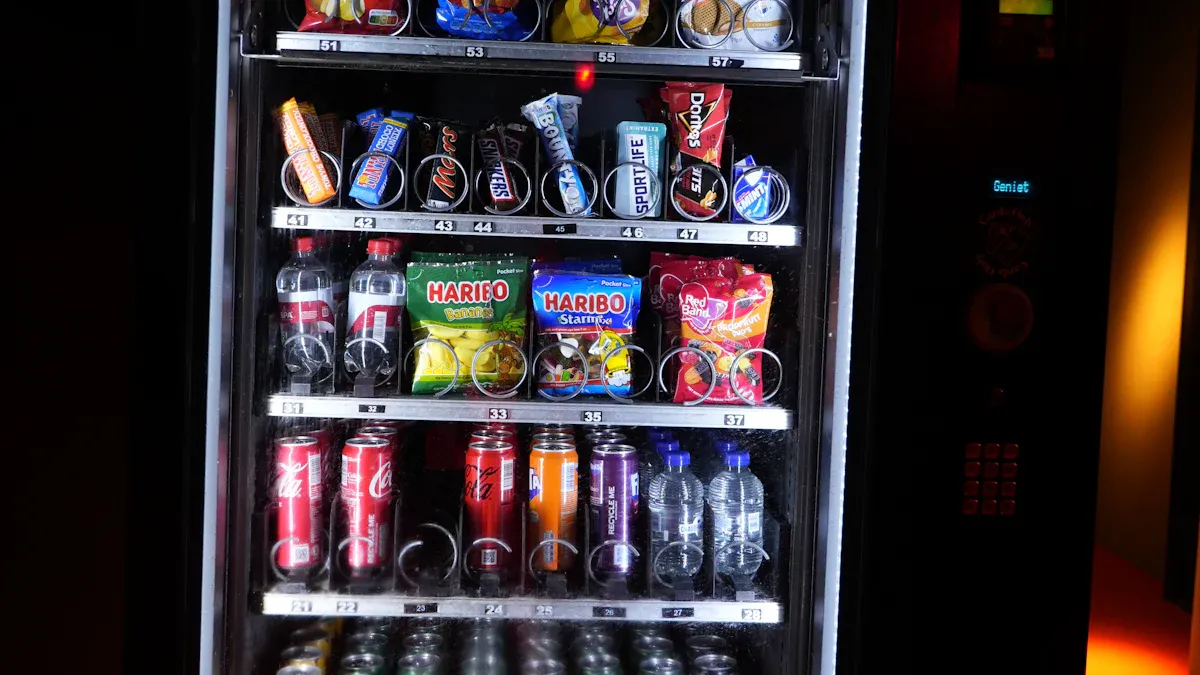
You see snacks and beverages as the backbone of autonomous stores. These products attract busy professionals who want quick energy boosts. Chips, protein bars, trail mix, and bottled drinks are high-demand items. You can use clear displays to help shoppers find their favorites fast. You should rotate flavors and brands to keep the selection fresh. When you offer a mix of sweet, salty, and healthy snacks, you meet different tastes and needs. You also support convenience by placing these products near the entrance or checkout.
Fresh and Healthy Choices
You play a key role in supporting employee health by offering fresh and healthy choices. A balanced diet helps people stay focused and energized at work. When you provide salads, fruit cups, yogurt, and whole-grain sandwiches, you help employees make better decisions. Research shows that a healthy diet boosts cognitive function, energy, and well-being. Employees who eat well are more productive and satisfied with their jobs. They also have better concentration and less anxiety. You can use attractive displays to highlight these products and encourage healthy habits. Ray Merrill, a public health expert, points out that poor nutrition leads to lost productivity and missed business goals.
Convenience and Tech Accessories
You know that convenience matters most in tech parks and corporate offices. People want to solve problems quickly. You can offer products like phone chargers, USB cables, and headphones. These items help workers stay connected and productive. The market for retail automation is growing fast because shoppers want more convenience and efficiency. VenHub’s autonomous stores show how you can meet these needs. You should use strategic placement for tech accessories near the checkout or in high-traffic areas. This makes it easy for shoppers to grab what they need without slowing down.
Tip: Stocking convenience products helps you stand out and keeps customers coming back.
Specialty and Premium Items
You can add value to your store by offering specialty and premium items. These products include gourmet chocolates, organic snacks, and imported beverages. Some shoppers want to treat themselves or buy gifts for colleagues. You can use special displays to showcase these unique products. When you offer premium options, you create a sense of excitement and exclusivity. This approach also helps you increase sales and attract a wider range of customers.
Self-Checkout Integration and Product Mix
Aligning Assortment with Self-Checkout
You need to make sure your product assortment works well with self-checkout technology. This helps you create a smooth and frictionless shopping experience. When you plan your assortment, you should think about how customers use self-checkout. You want to make it easy for them to scan, pay, and leave quickly.
Set clear goals for your self-checkout integration. This helps you shape the customer journey and measure success.
Train your customers to use self-checkout. You can use signs or digital screens to show them how it works. This makes shoppers feel comfortable and confident.
Choose products that scan easily and fit well with self-checkout. Avoid items that are hard to scan or need extra help.
Place high-demand items near the self-checkout area. This saves time and boosts efficiency.
Product assortment planning lets you adapt to new shopping habits and technology. When you offer a wide range of products, you keep customers happy and improve efficiency. Mobile technology helps you track what sells best. This leads to better decisions and more operational efficiency.
Space and Layout Optimization
You must use your space wisely to support self-checkout and product mix. An optimized store layout helps you display products clearly and guide shoppers through the store. You want to make sure customers can find what they need and check out fast.
Use an effective store layout for fresh and perishable items. Good shelf placement reduces waste and keeps products fresh.
Try AI-driven layout tools. These tools match shelf space with how fast products sell. This cuts down on spoilage and markdowns.
Use real-time data and sensors to monitor your shelves. You can adjust your layout quickly to keep the store running smoothly.
When you focus on space and layout, you boost efficiency and make shopping easier. You help customers move through the store and finish their purchases with less stress. A well-designed store supports self-checkout integration and keeps your operations running at their best.
Balancing Variety and Simplicity
Avoiding Choice Overload
You want to give your shoppers enough options, but not too many. If you offer too few choices, customers may feel disappointed. They might think your store does not meet their needs. If you offer too many choices, customers can feel overwhelmed. This can lead to decision fatigue, regret, or even leaving without buying anything. You need to find the sweet spot.
Too few options can make customers feel limited.
Too many options can cause confusion and stress.
The right balance helps customers feel confident and happy with their choices.
Tip: When you offer a balanced selection, you empower your customers. They can make decisions quickly and feel good about their purchases.
Research shows that shoppers feel more satisfied when they see familiar brands. Brand familiarity can help reduce confusion, even if you have a lot of options. You can also use smart layouts to guide customers through choices step by step. This makes the shopping experience easier and more enjoyable.
A famous example is Starbucks. They offer thousands of drink combinations. This variety excites customers and keeps them engaged. People love to share their favorite drinks on social media. You can use this idea by offering variety, but in a way that feels personal and not overwhelming.
Curating Best-Sellers and Rotating New Items
You can boost engagement by highlighting best-sellers and adding new items often. When you showcase popular products, you help customers find what others love. This builds trust and makes it easier for them to decide.
Rotating new items keeps your store fresh. Customers want to see what is new. They will come back to check out the latest products. This strategy encourages repeat visits and keeps your assortment exciting.
Highlight best-sellers to drive quick decisions.
Introduce new items regularly to spark curiosity.
Remove slow-moving products to keep shelves relevant.
Note: A curated mix of favorites and new arrivals creates a dynamic store. You keep customers interested and satisfied every time they shop.
Enhancing the Checkout Experience
Product Placement for Accessibility
You want every shopper to feel welcome in your autonomous store. You can achieve this by making product placement accessible to all. Design your shelves and displays so everyone, including people with disabilities, can reach what they need. Place popular items at eye level and keep aisles wide enough for wheelchairs or strollers. Use clear signs and labels to help shoppers find products quickly. You should also make sure your store app is easy to use for everyone. When you focus on accessibility, you create an inclusive environment. This approach increases customer engagement and satisfaction. You help every person enjoy a smooth customer journey from start to finish.
Tip: Test your store layout with different users to spot any barriers and improve accessibility.
Personalization with Technology
You can use technology to make the checkout experience better for each shopper. Personalization starts with data analysis. When you understand what your customers like, you can offer them products and deals that match their preferences. This makes shopping faster and more enjoyable.
Use self-checkout and Scan and Go systems to give shoppers a seamless, frictionless experience.
Try augmented reality features, like digital try-on mirrors, to make shopping more fun and interactive.
Suggest products based on past purchases or browsing history to help customers find what they need.
Personalization helps you connect with your shoppers. It shows that you care about their needs and want to make their visit special. When you use technology in smart ways, you turn a simple checkout into a memorable part of the shopping experience.
Monitoring and Continuous Improvement
KPIs for Assortment Performance
You need to track the right numbers to know if your product assortment works well. Key performance indicators, or KPIs, help you measure how your store performs. These numbers show you what to keep, what to change, and where to improve. Here is a table that explains some important KPIs for autonomous stores:
KPI Name | Description |
|---|---|
Numerical retention (D.t.N) | Compares the number of products present in a sales outlet with the mandatory assortment. |
Product holdings | Reflects the variety of product offerings available in the store. |
Digital Distribution (DN) | Measures the number of stores carrying at least one SKU across the customer base. |
Active customers | Tracks the number of active stores, indicating sales fronts. |
Coverage rate | Indicates the number of surveys conducted at visited points of sale, assessing field operation effectiveness. |
Number of compulsory references | Sum of products in the compulsory assortment, indicating compliance with the assortment. |
You can use these KPIs to see if your assortment meets customer needs. When you watch these numbers, you spot problems early and make better decisions.
Iterative Updates from Analytics and Feedback
You should always look for ways to improve your product mix. Analytics and feedback help you do this. When you collect and study data, you learn what your customers like and what they want to see next.
Systematic feedback collection lets you hear directly from your shoppers. You can use surveys or digital forms to gather their thoughts.
Feedback kiosks in your store give you real-time opinions. Shoppers can quickly share what they like or dislike about your products.
Organizing and analyzing feedback helps you spot trends. You can see which products need updates or which new items to try.
Tip: Make feedback easy and quick. When you listen to your customers, you build trust and keep your store fresh.
You can use these insights to update your assortment often. This keeps your store relevant and helps you meet changing needs.
You can design the ideal product assortment for autonomous stores by following a few key steps:
Treat autonomous retail as an ongoing process. Use real-world data to train and refine your AI models.
Test different layouts and product placements to see what improves the shopping experience.
Use customer insights and purchase patterns to guide your assortment planning.
Rely on AI for demand forecasting, personalization, and dynamic optimization.
Aspect | Contribution to Adaptation and Integration |
|---|---|
Advanced Data Analysis | Processes vast amounts of data for actionable insights. |
Demand Forecasting | Predicts demand accurately for better assortment. |
Personalization | Tailors offerings to customer preferences. |
Dynamic Assortment Optimization | Adjusts products based on real-time data. |
Ongoing evaluation and adaptation help you keep your shopping experience relevant and efficient as market needs change.
FAQ
What makes a good store layout in autonomous stores?
You need a clear layout to help shoppers move easily. A smart layout places popular items near the entrance. You should keep aisles wide. Good layout design helps you guide customers to checkout quickly. You can use data to improve your layout over time.
How does checkout work in autonomous stores?
You use self-checkout systems. You scan your items at checkout stations. Some stores use mobile checkout apps. You pay with cards or digital wallets. Checkout is fast and easy. You do not need to wait in line. Checkout technology makes shopping simple.
Why is product placement important for checkout speed?
You want products near checkout for quick access. A smart layout puts best-sellers close to checkout. This helps you finish shopping faster. You spend less time searching. Checkout becomes smooth. You feel less stress at checkout. Good placement improves the whole checkout experience.
How can you improve the checkout experience for everyone?
You can use clear signs to guide shoppers to checkout. You should keep the checkout area open and clutter-free. You can test your layout with different users. You can add feedback kiosks near checkout. These steps help you create a better checkout for all.
What role does layout play in reducing checkout lines?
You design your layout to avoid bottlenecks. You place checkout stations in easy-to-reach spots. You use layout planning to spread out traffic. You keep the checkout area visible. A good layout helps you move shoppers through checkout quickly. This reduces wait times.
See Also
Enhancing Office Efficiency Through Innovative Vending Solutions
Comparing Micromarkets and Smart Stores in Global Retail
The Future of Retail: Embracing AI-Driven Stores
