The impact of autonomous retail on brand perception in airports and transportation hubs

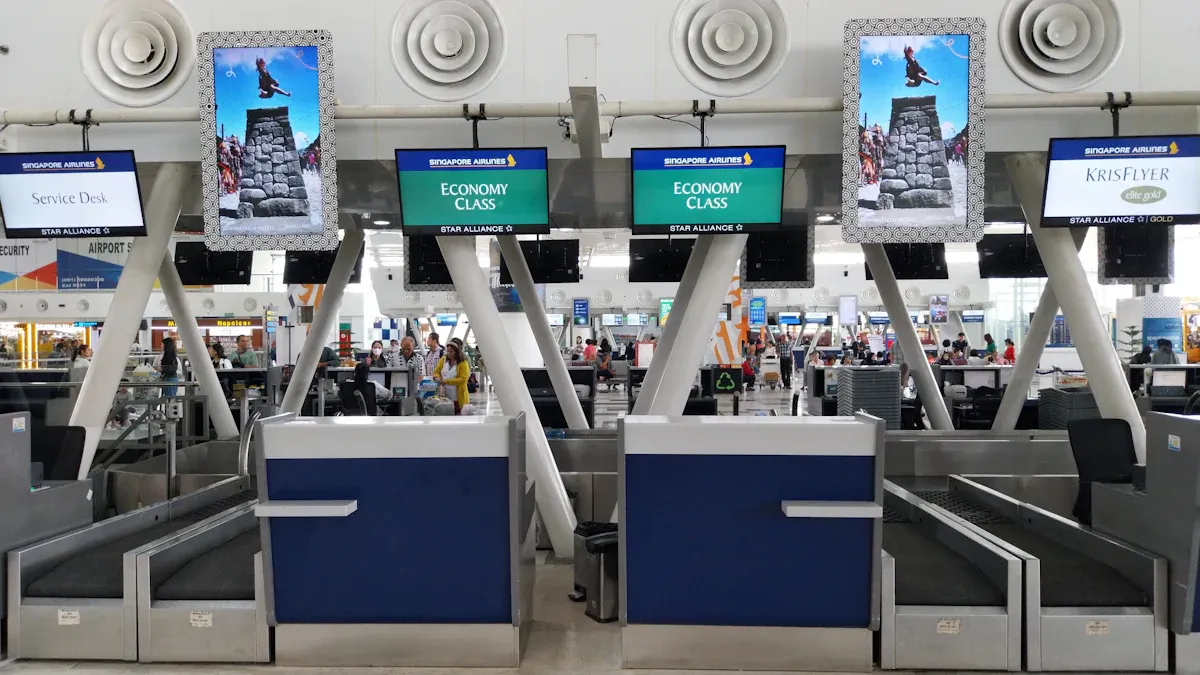
High-stress transit environments fundamentally alter consumer behavior. Standard retail expectations vanish when passengers face strict flight schedules and security delays. Long checkout queues create immediate anxiety and ruin store engagement. Implementing autonomous retail directly solves this major friction point by removing line friction. Cashierless AI formats elevate brand perception instantly in every modern airport terminal. Passengers transition from anxious rushing to relaxed browsing, which elevates their overall customer experience.
Transportation Hub | Implemented Solution | Wait Time Decrease | Satisfaction Score Impact |
|---|---|---|---|
Dallas/Fort Worth International | Checkout-free retail | 70% reduction | +15 points |
Los Angeles International | Frictionless kiosks | 65% reduction | +18 points |
These rapid deployments improve passenger experience and transform high-stress hubs into premium retail destinations.
Key Takeaways
Autonomous stores eliminate long checkout lines and reduce traveler stress instantly.
Modern checkout-free technology improves brand reputation and showcases market leadership.
Freed store employees provide warm hospitality instead of scanning items at registers.
Frictionless shopping experiences encourage travelers to browse longer and buy again online.
How Autonomous Retail Elevates Brand Equity
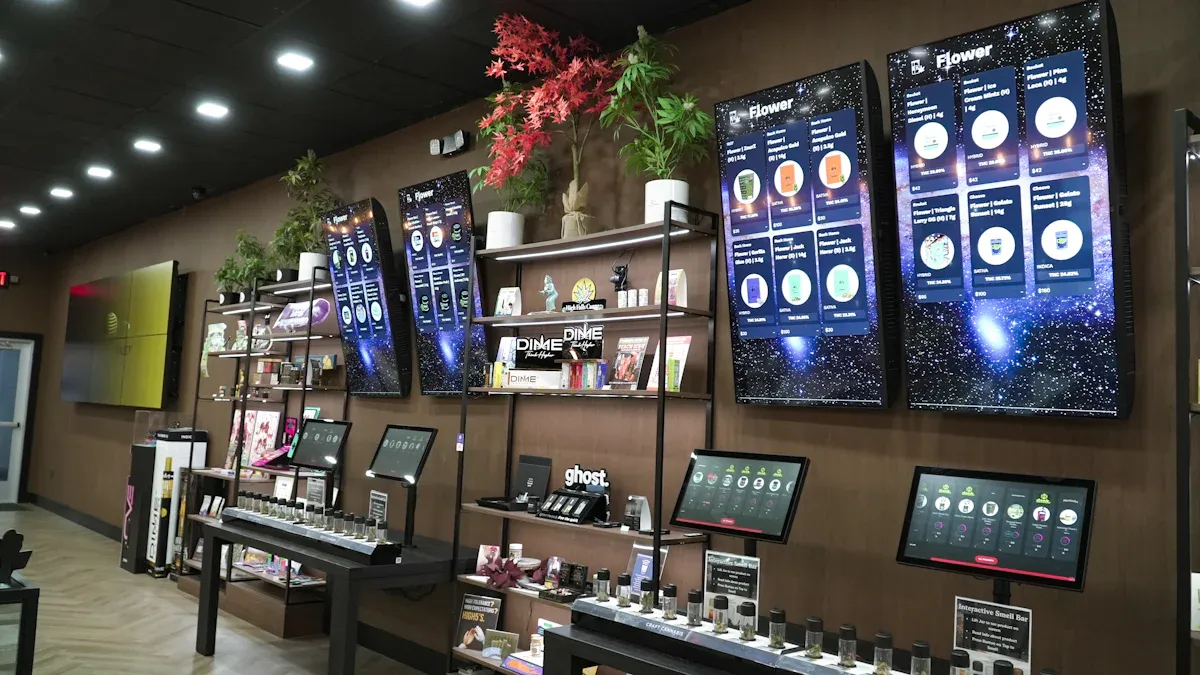
Removing traditional checkout friction transforms standard airport transit hubs into sophisticated commercial destinations. Modern travel retail requires instant gratification. Travelers reward brands that respect their time and ease their journey.
Positioning Brands as Innovation Leaders
Forward-thinking brands utilize autonomous retail to demonstrate market leadership. Cashierless storefronts showcase advanced computer vision and artificial intelligence to passing travelers. This technology signals modernity and premium operational quality.
💡 Key Insight: Passengers associate cutting-edge technology directly with product quality. Modern storefront deployment lifts brand prestige across all consumer demographics.
Airports serve as global discovery zones for affluent shoppers. A successful retail experience within an airport terminal creates a lasting impression. Consumers view automated merchants as forward-thinking industry pioneers. This perception strengthens digital transformation initiatives across global markets and improves overall brand equity.
Redefining Travel Convenience and Speed
Speed of service drives modern premium positioning during travel. Traditional checkout lines create bottlenecks that alienate busy passengers. Autonomous technology eliminates line delays entirely.
Immediate access: Shoppers grab items and exit within seconds.
Frictionless payment: Sensors register selected products automatically.
Stress reduction: Passengers maintain full control over their departure schedule.
Unmatched convenience reshapes how consumers evaluate physical stores. Travelers associate frictionless purchasing with operational excellence. This seamless retail experience builds strong long-term brand loyalty.
Boosting Dwell Time and Repurchase Intent
Eliminating checkout delays fundamentally shifts traveler behavior. Relaxed passengers spend significantly more time browsing premium store displays. Higher comfort levels directly correlate with improved consumer well-being and increased cart sizes.
Store Format | Average Browse Time | Customer Satisfaction Rate |
|---|---|---|
Legacy Checkout | 3.5 minutes | 62% |
Autonomous Format | 8.2 minutes | 94% |
Positive brand perceptions in airport stores drive long-term business value. Satisfied travelers remember smooth interactions long after their flight lands. A stress-free customer experience in an airport leads directly to higher online repurchase intent. Consequently, digital transformation across physical store networks elevates overall market competitiveness and drives customer lifetime value.
Mitigating Risks in Autonomous Stores
Deploying cashierless technology involves specific operational risks. Forward-thinking operators manage these challenges actively to protect brand reputation in busy transit hubs.
Overcoming the Impersonal Tech Perception
Fully automated spaces can feel cold and detached to travelers. Successful concessionaires solve this issue by repositioning store personnel. Staff members shift from manual checkout duties to proactive hospitality roles.
💡 Strategic Hospitality Tip: Stationing customer service ambassadors near entrances increases shopper comfort. These ambassadors assist first-time users and maintain warmth within autonomous stores.
Human interaction remains crucial during high-stress journeys. Brand ambassadors greet passengers, explain computer vision mechanics, and recommend premium items. This hybrid model combines digital efficiency with authentic human connection.
Preventing Brand Erosion from System Downtime
Technical glitches severely damage consumer trust. System downtime during peak departure hours creates immediate frustration and negative brand sentiment.
Failure Risk | Operational Impact | Mitigation Strategy |
|---|---|---|
Network Outage | Failed payments, entry delays | Dual-redundant cellular connections |
Sensor Error | Incorrect item billing | Edge computing hardware processing |
Retailers prevent system failures by implementing redundant hardware and offline processing protocols. Clear LED indicators display store status instantly. Operational resilience protects brand credibility during sudden technical interruptions.
Ensuring Accessibility for Diverse Travelers
Airport retail environments serve diverse global demographics. Physical and digital accessibility barriers undermine customer satisfaction quickly.
Operators design accessible layouts for passengers with varied physical abilities. Touchscreens feature adjustable heights and intuitive multilingual interfaces. Clear visual cues guide international travelers through payment gates without language barriers. Inclusive design standards allow autonomous stores to serve every traveler effectively while boosting overall market reach.
Modernizing Airport Retail Through Experience Design
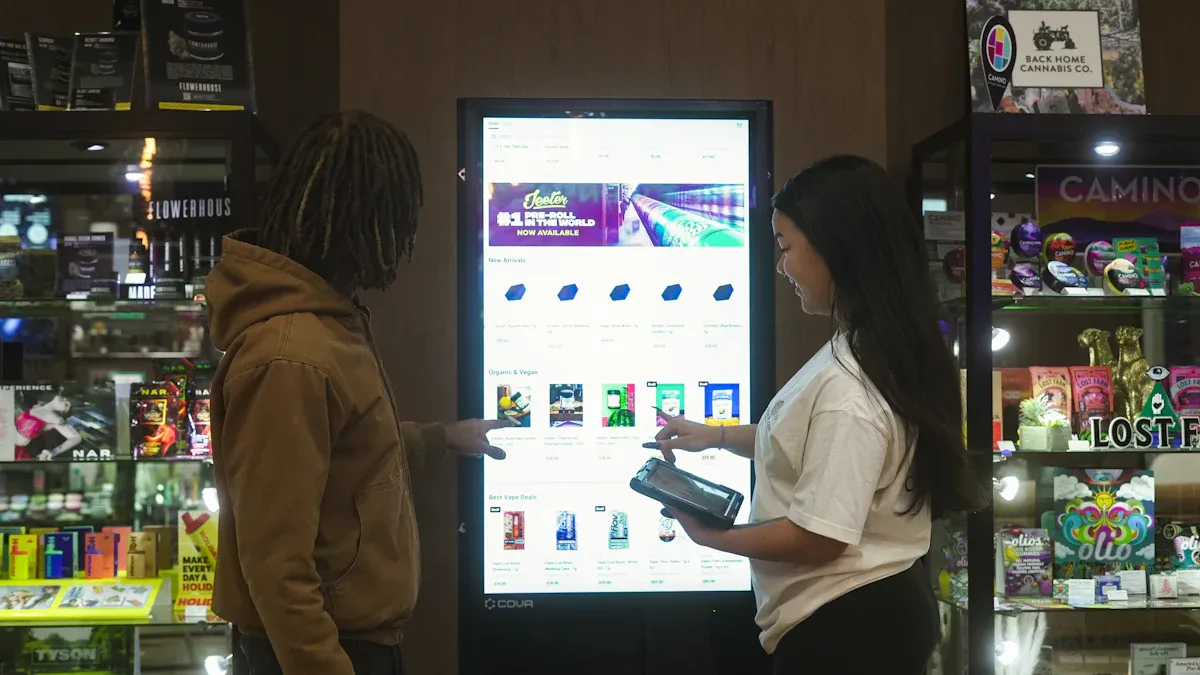
Transit hubs now evolve into intelligent commercial spaces. Modern storefronts combine commerce, media displays, and dynamic storytelling. This structural transformation turns static sales floors into immersive brand environments.
Integrating Storytelling and Media Hubs
High-definition digital screens and green architecture reshape physical spaces. Modern operators build each retail experience venue to captivate travelers. Physical store layouts influence consumer perceptions in several direct ways:
Comfort zones: Strategic physical layouts manage dwell time effectively. Comfortable seating areas strengthen brand affinity while driving food and product sales.
Visual engagement: Immersive media walls showcase brand origin stories to passing travelers.
Physical design choices directly impact brand equity during travel:
Store Experience Design Element | Impact on Traveler Brand Perception |
|---|---|
Eco-Friendly Store Design | Creates a relaxing environment that fosters positive consumer behaviors, boosts brand engagement, and improves overall brand image and reputation. |
Green Ambience & Natural Surroundings | Generates a favorable consumer perception and significantly enhances the airport's overall brand image. |
Thoughtful environmental upgrades elevate the overall passenger experience.
Balancing Automation with Human Touch
Fully automated formats deliver unmatched speed and convenience. However, brands must avoid cold interactive environments. Successful operators implement hybrid service models in smart airports.
Staff members shift away from manual checkout registers. Store associates welcome visitors near entryways. They offer product advice and guide first-time shoppers through computer vision entry gates. This human presence elevates customer experience scores across all traveler demographics. A balanced retail experience blends automated efficiency with warm personal hospitality. This operational transformation keeps stores welcoming and highly productive.
Leveraging Data for Personalized Commerce
Concessionaires use spatial sensors and opt-in mobile apps to collect first-party data. These tools track store foot traffic without violating personal privacy. Brands analyze movement patterns to optimize product placements on shelves.
Tailored mobile notifications alert nearby passengers to customized promotions. Dynamic digital signage displays localized product recommendations based on flight departure destinations. This targeted digital transformation delivers relevant offers to passing travelers.
Modern airport retail relies on smart data deployment. Every major airport deploys advanced analytics to maximize efficiency. Automated systems improve every airport retail store. Merchants drive sales by modernizing every physical retail experience. This ongoing digital transformation elevates the holistic passenger experience across global transportation networks.
Autonomous retail acts as a powerful catalyst for enhancing brand equity in modern transportation hubs. Converting high-stress transit centers into frictionless destinations turns brief layovers into long-term customer relationships. Passengers remember efficient service and reward responsive merchants with higher brand loyalty. Therefore, a seamless retail experience leaves a positive, lasting impression long after travelers land at their final destination.
💡 Executive Recommendation: Retail decision-makers must audit existing transit store operations immediately. Concession strategists should deploy autonomous stores strategically inside high-traffic departure gates to eliminate checkout friction.
Early adopters secure a decisive competitive advantage in global travel hubs. Implementing autonomous retail formats represents the clear future of retail for modern passengers. Upgrading physical locations elevates the overarching retail experience and drives sustained business growth across every channel.
FAQ
How does autonomous retail improve passenger satisfaction in airports?
Autonomous stores eliminate long checkout queues entirely. Computer vision systems automatically process purchases when travelers pick up items. This rapid shopping experience reduces pre-flight anxiety and gives passengers extra time to relax before boarding.
Do cashierless airport stores eliminate human customer service?
💡 Staffing Insight: Automation enhances hospitality by freeing employees from cash registers.
No, autonomous formats reposition store personnel. Staff members shift to proactive customer service roles. Ambassadors greet visitors, assist first-time shoppers, and answer product questions directly on the sales floor.
How do autonomous stores handle payment security and data privacy?
Modern autonomous systems use spatial sensors and anonymized tracking to monitor product selections. These platforms process transactions securely through encrypted payment gateways. They protect passenger privacy by avoiding facial recognition technology completely.
What happens if an autonomous store system experiences technical downtime?
Concessionaires deploy dual-redundant cellular networks and local edge computing hardware to maintain continuous store uptime. Clear status screens inform travelers instantly, while backup software prevents billing errors during temporary network disruptions.
See Also
Why Artificial Intelligence Driven Retail Outlets Represent The Future
Comparing Micromarkets And Smart Stores In Global Automated Retail
How The PARC At Tysons Became A Community Hub
Essential Insights For Retailers On Growing AI Powered Local Shops
Understanding The Rapid Growth Of Innovative All Day Vending Cafes
