Transform Airport Journeys by Embracing Frictionless Checkout

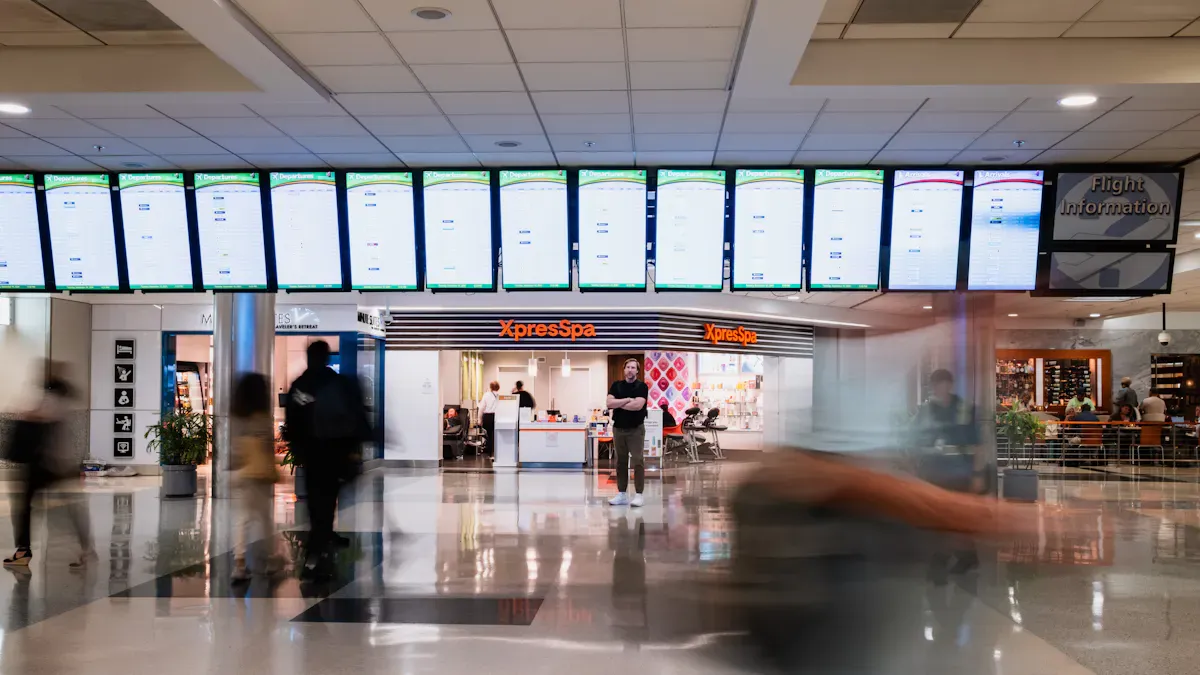
You see airports changing quickly to enhance the passenger experience. People want more control, faster service, and comfort. Frictionless checkout lets you skip lines and pay fast, improving the overall passenger experience. You feel safer and more sure when you shop or eat. Airports that use these tools are different from others, creating a better passenger experience. Think about walking in an airport where every step is better—no stress, just easy travel.
Imagine going through stores, taking what you need, and getting to your gate with no wait, all contributing to a seamless passenger experience.
Key Takeaways
Frictionless checkout makes your airport trip better. You can skip lines and pay fast. This helps lower stress and saves time.
Self-service and touchless tools, like automated kiosks, help you shop faster. You get more time to relax before your flight.
Airports that use smart technology make customers happier. 79% of travelers say they have a good time because things move faster.
Data helps airports make shopping better. It makes sure popular products are in stock. This improves your whole trip.
Using new technology, like AI and biometric systems, will make airport shopping even easier and more personal in the future.
Passenger Experience Challenges
Long Lines and Wait Times
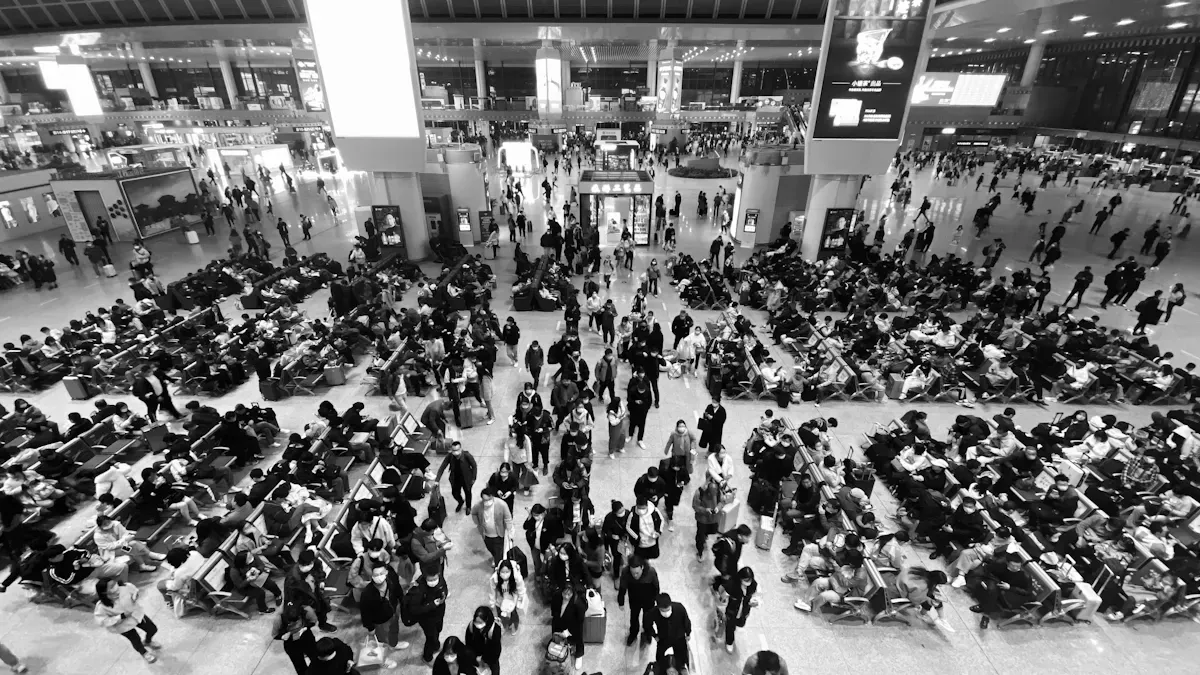
You probably know the feeling of standing in a long line at the airport. It can make you anxious, especially when you worry about missing your flight. Many travelers say that waiting in lines is one of their biggest complaints. At major airports like Amsterdam's Schiphol, people spend an average of 146 minutes in the terminal. Only a tiny part of that time goes to actual processing. Most of it is just waiting. You want to use your time better, maybe by relaxing or shopping, but lines get in the way.
Did you know? 62% of travelers say the airport experience shapes how they feel about their whole trip.
Payment and Shopping Friction
Shopping at the airport should feel easy, but it often does not. You might rush to your gate and skip stores because you do not want to wait. Sometimes, you cannot find what you need. Other times, you get distracted by loud announcements or worry about missing your flight. Here is a quick look at what makes shopping tough:
Cause of Friction | Description |
|---|---|
Time Constraints | You hurry to your gate, so shopping time feels short. |
Limited Product Offerings | Stores do not always have what you want. |
Distractions | Announcements and travel stress make it hard to focus on shopping. |
Need for Efficient Inventory | Stores need to keep popular items in stock for you. |
These problems can hurt the passenger experience and make you less likely to shop.
Missed Retail Opportunities
When you face long waits or tough shopping experiences, you might skip airport stores altogether. Airports lose out, too. Business travelers want speed and convenience. Leisure travelers like to explore and buy on impulse. If the airport does not make shopping easy, both groups miss out. You want a smooth journey, and airports want happy customers. Fixing these challenges can boost the passenger experience for everyone.
Frictionless Checkout Explained
Key Features and Technologies
You might wonder what makes frictionless checkout so different from the old way of shopping at airports. Retailers like Hudson and Zippin have started using these systems to turn airport stores into automated convenience shops. This shift helps you shop faster and with less hassle.
Here are some of the main features you will notice:
Contactless Shopping: You can buy things without touching payment terminals or handing over cash. This keeps things clean and safe, which matters a lot today.
Autonomous Checkouts: You do not need a cashier. The system handles your payment as you leave, so you spend less time waiting.
AI Integration: Smart technology learns what you like and helps you find what you need quickly.
These features work together to make your shopping trip smooth and stress-free. You get in, grab what you want, and get back to your journey.
If you look at the benefits, you will see why airports love these systems:
Improved Customer Flow: Fewer lines mean you can shop even when the airport is busy.
Operational Efficiency: Stores need fewer cashiers, so they can focus on helping you in other ways.
Convenience for Customers: You get what you need fast, with almost no waiting.
Self-Service and Touchless Solutions
Self-service and touchless solutions help you move through the airport with ease. These tools cut down on wait times and make every step feel quicker.
Tip: Look for self-checkout kiosks or stores with signs that say "touchless" or "contactless" for the fastest experience.
Here is a table that shows how these solutions work to speed up your trip:
Solution Type | How It Helps You |
|---|---|
You spend less time in lines because machines handle the checkout process. | |
Biometric Technologies | Quick scans of your face or fingerprint help you move through checkpoints faster. |
Appointment-based Processing | You can book a time for security, so you avoid crowds and long waits. |
Just-in-Time Processing | You get processed as soon as you arrive, so there are no big lines. |
Decentralized Security | Security checks happen in more places, so you do not get stuck in one big line. |
High-Throughput Devices | New machines can check more people per hour, so you move faster. |
You will notice that these tools do more than just speed up shopping. They help with security, boarding, and even finding your way around the terminal. This all adds up to a better passenger experience.
Checkout-Free Retail in Airports
Checkout-free retail takes things a step further. You walk into a store, pick up what you want, and walk out. The store uses smart cameras, sensors, and AI to track what you take. Your payment happens automatically as you leave.
You might see these stores open late at night or early in the morning. Traditional airport shops often close by 10 PM, but checkout-free stores can stay open all night. This helps if you have a late flight or a long layover.
Some airports, like Fort Worth, use checkout-free technology to solve labor shortages. Without cash registers, stores have more space for products. This means you get more choices and a smoother shopping trip.
Traditional shops close early, so you might miss out if you travel late.
Checkout-free stores stay open, giving you more chances to shop.
Stores can offer more products because they do not need big checkout counters.
You get more freedom and less stress. The airport gets happier travelers and better sales. Everyone wins.
Implementing Frictionless Checkout
Technology Integration
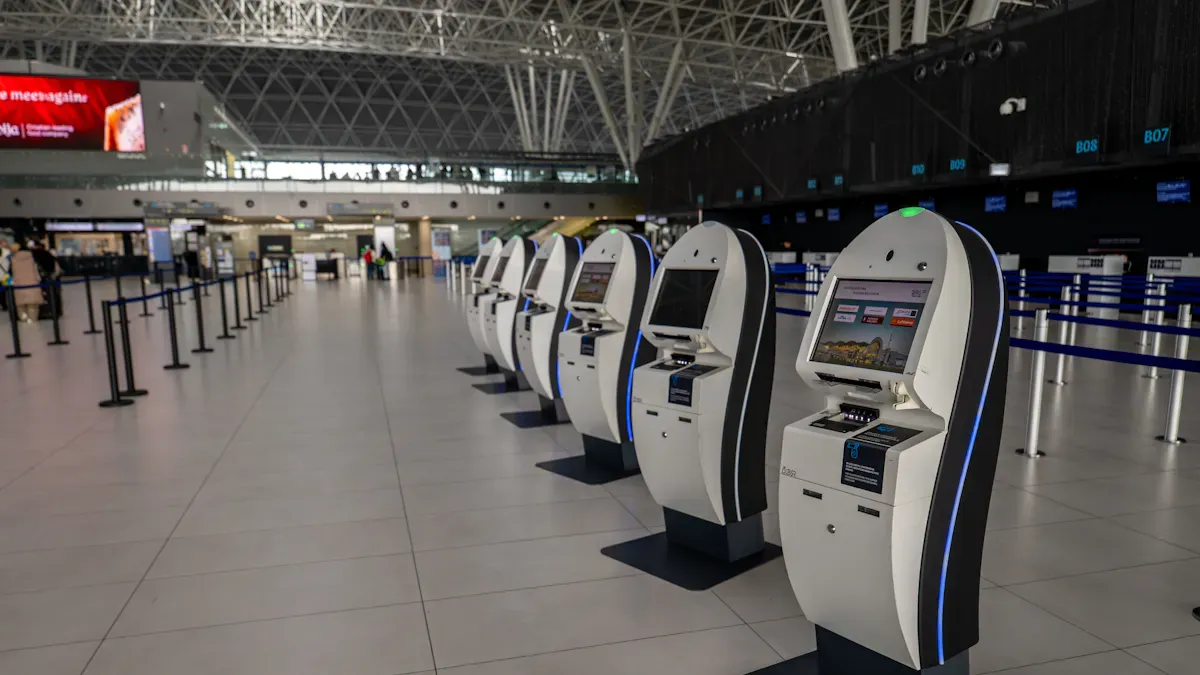
You want your airport to feel new and work well. Start by putting in self-service kiosks and touchless POS systems in stores. These kiosks have screens that are simple to use. You can pay fast, so you do not wait long. The screens show deals and other things you might like. This helps you shop quickly and buy more.
Here is a quick look at why these kiosks are helpful:
Key Feature | Description |
|---|---|
User-Friendly Interface | Simple to use, so you can check out alone. |
Orders go through fast, and stock updates right away. | |
Customization Options | Kiosks can match the airport’s style. |
Advanced Features | Upselling and data collection help with better ads. |
Security Features | Keeps your payment and personal info safe. |
Technical Support | Help is always there if something breaks. |
When you use these systems, staff can help you instead of working the register. The airport gets data to make ads and run things better. This makes the passenger experience nicer.
Staff Training and Change
You want your team to feel sure about new tech. Train staff to help travelers use kiosks and touchless payment tools. Show them how to answer questions and fix problems fast. When staff know the systems, they can help customers and keep lines short. Change can be tough, but good training helps everyone.
Tip: Give short, hands-on training so staff can try real devices.
System Compatibility
You want everything to work together. Make sure your new checkout systems connect with your airport’s software. This keeps stock, payments, and customer info up to date. When systems work together, you avoid mistakes and keep things easy. Always check for updates and support to keep things working well.
By doing these things, you help your airport become a smooth, modern place to shop that travelers enjoy.
Enhancing Passenger Experience
Speed and Convenience
You want your airport journey to move fast. Frictionless checkout makes that happen. You can skip long lines and pay in seconds. This means you have more time to relax, shop, or grab a snack before your flight. Airports around the world have seen big changes after adding these new systems.
Global passenger satisfaction with airports has reached its highest level ever. Now, 79% of travelers say they have a positive airport experience. In 2019, only 60% felt this way.
Airports have improved because they use more automation, biometrics, and self-service tools. These changes help you move quickly and easily.
Let’s look at some real examples:
Airport Name | Innovation Description | Impact on Passenger Experience |
|---|---|---|
Bangalore International Airport | Fully contactless parking-to-boarding process | Streamlines your journey from arrival to boarding, cutting wait times and stress. |
Tokyo Haneda | Automated check-in and baggage handling | Makes check-in smooth and fast, so you feel less rushed. |
Singapore Changi Airport | Multi-biometric and documentless clearance | Lets you clear immigration in under ten seconds, saving you time. |
Heathrow | Facial biometrics for identity checks | Speeds up check-in, so you get to your gate faster. |
Sydney Airport | Generation 3 SmartGates for security | Processes up to 640 passengers per hour, reducing lines. |
Istanbul Airport | Real-time monitoring and multilingual robots | Helps you find your way and keeps the terminal less crowded. |
Hong Kong International Airport | Sensors and analytics to manage passenger flows | Keeps you moving and avoids delays. |
Munich Airport | AR wayfinding apps | Makes it easy to navigate, so you don’t get lost or stressed. |
You can see how these airports use technology to make your trip smoother and more enjoyable.
Safety and Autonomy
You want to feel safe and in control when you travel. Frictionless checkout gives you both. You can shop and pay without touching cash or talking to a cashier. This keeps things clean and helps you avoid germs. You also get to make your own choices and move at your own pace.
You can make purchases on your own, which gives you more freedom.
You spend less time waiting in lines, which lowers your stress.
Self-checkouts and smart systems let you finish shopping quickly, which is important when you have a tight schedule.
You feel more confident and relaxed when you know you can handle things yourself. Airports that use these systems show they care about your safety and comfort.
Tip: Look for stores with self-checkout or contactless signs. You’ll get in and out faster, and you’ll touch fewer surfaces.
Data-Driven Improvements
Frictionless checkout does more than speed things up. It helps airports learn what you need and want. Smart systems collect data to improve your journey every time you visit.
Here are some ways airports use this data:
Insight Type | Description |
|---|---|
Dwell-time hotspots | Shows where you spend the most time, so stores can be placed in the best spots. |
Visibility and access impact | Helps airports see which stores get the most visits and why. |
Layout and signage testing | Lets airports try new signs or layouts to see what works best for you. |
Campaign impact | Measures how well sales or ads work, so you get better deals. |
Zone-level KPIs | Gives detailed info on how each area is doing, so airports can improve. |
Continuous improvement | Uses all this info to keep making your experience better. |
Airports also use real-time updates to help you plan. You can get flight status, delay predictions, and even tips on how long it will take to reach your gate. Some airports send you special offers based on where you are in the terminal. This makes your trip more personal and fun.
You get less stress, more choices, and a smoother journey. Airports get better at helping you and can earn more from happy travelers. Everyone wins when the airport uses smart tools to improve the passenger experience.
Overcoming Implementation Barriers
Security and Privacy
You want your airport experience to feel safe. Frictionless checkout uses cameras, sensors, and sometimes biometrics. These tools help you move fast, but they also raise questions. People worry about privacy and how their data gets used. Some critics say too much surveillance can lead to problems like gender discrimination. Others point out that airports must follow strict rules about data. You might wonder who sees your information or how long it stays in the system.
Here are some common concerns you might hear:
Too much surveillance can make you feel uncomfortable.
Biometric and video systems need strong privacy controls.
Airports must follow different privacy laws in each country.
Data leaks or misuse can hurt your trust.
You want to know your information stays safe. Airports must show you they take privacy seriously.
Cost and ROI
You may think new technology costs a lot. Airports must buy new systems, train staff, and update old equipment. These steps can add up fast. Sometimes, airports face high costs before they see any benefits. They also need to make sure all their systems work together. If not, things can break down or cause delays.
Regulatory challenges can slow things down, too. Each country has its own rules. Airports must spend time and money to follow them. Data governance issues, like incompatible IT systems, can also block progress.
A joint project between two big European airports failed because they could not agree on how to share data.
You want airports to invest wisely. They need to see a clear return on investment before making big changes.
Best Practices
You can look for airports that follow best practices. These airports focus on privacy, security, and smooth operations. They train staff well and update systems often. They also listen to feedback from travelers like you.
Here’s what works best:
Use clear signs to explain how data gets used.
Test new systems before a full launch.
Work with trusted tech partners.
Keep updating privacy and security policies.
Make sure all systems can talk to each other.
When airports follow these steps, you get a safer, faster, and more enjoyable journey.
Future Trends in Airport Retail
Emerging Technologies
You will see airport shopping change a lot in the next few years. New technology will make your experience even smoother and more fun. Here are some cool things you might notice soon:
AI-powered chatbots will answer your questions and help you find what you need.
Facial recognition payment systems will let you pay just by looking at a screen.
Automated checkout solutions will let you grab your items and go—no lines, no waiting.
Cryptocurrency and digital wallets will give you more ways to pay.
AR and VR will let you try on sunglasses or see how a suitcase looks before you buy it.
Omnichannel retail strategies will connect your phone, airport apps, and in-store shopping for a seamless journey.
You might walk into a store and see a virtual assistant greet you. You could get special offers on your phone as you pass by a shop. These changes will make airport shopping feel futuristic and easy.
Tip: Try out new tech features when you travel. You might find a faster way to shop or a fun new experience.
Personalization and Analytics
You want shopping to feel personal. Airports are using smart tools to make that happen. Artificial intelligence helps stores show you products you like and send you deals that match your interests. You might get a snack suggestion based on what you bought last time or see a sale on your favorite brand.
Here’s how airports use AI and analytics to help you:
Personalized marketing and product recommendations make shopping more fun.
Virtual assistants chat with you before and after you shop, giving tips and support.
Inventory optimization means your favorite snacks and gifts stay in stock.
Dynamic pricing helps you get the best deal at the right time.
Airports also use advanced systems like InfoGenesis POS and IG PanOptic Kiosk. These tools let you check out fast and keep lines short. At places like Singapore Changi, data analytics help manage crowds and improve your journey.
You get a shopping experience that feels made just for you. Airports get happier travelers and better sales. The future of airport retail looks bright—and it’s all about making your trip easier.
You see how frictionless checkout changes your airport journey. You skip lines, shop faster, and feel less stress. At DFW airport, the Fort Worth Magazine Travel Store saw a 70% jump in revenue and a 91% customer conversion rate after switching to this technology. You get more choices and better service. If you lead an airport, you should:
Learn how frictionless checkout boosts customer experience.
Talk openly with your staff about changes.
Use smart tools to make your airport run better.
Now is the time to give travelers the smooth experience they want.
FAQ
What is frictionless checkout at airports?
Frictionless checkout lets you shop and pay without waiting in line. You grab what you want and go. Smart systems handle your payment automatically. You save time and avoid stress.
Is frictionless checkout safe for my personal data?
Yes, airports use strong security to protect your information. They follow privacy laws and update systems often. If you have concerns, look for signs that explain how your data gets used.
Can I use cash with frictionless checkout?
Most frictionless systems work best with cards or mobile payments. Some stores may still accept cash, but you get the fastest experience with contactless options like Apple Pay or Google Pay.
Will staff still help me if I need it?
Absolutely! Staff stay nearby to answer questions or help with problems. You can ask for help anytime. The new systems just make shopping faster and easier for you.
What if I have trouble with the technology?
Don’t worry. If you get stuck, staff can guide you through the process. Many kiosks also have simple instructions on the screen. You can always ask for help if you need it.
See Also
Boosting Efficiency And Customer Experience With Cloudpick Checkout
The Transformation Journey Of Self-Checkout Systems
Addressing Self-Checkout Cash Errors For Seamless Transactions
Introducing Cashierless Shopping Convenience With Cloudpick Solutions
