Integrate autonomous stores with existing payment systems in Universities & campus retail.

You can integrate autonomous stores with campus payment systems by connecting the store’s technology to your existing payment network. This process helps students shop faster and more securely. AI-powered solutions now appear on many college campuses, making shopping easier and reducing the need for staff. The table below shows how this integration improves campus retail:
Improvement Type | Description |
|---|---|
Reduced Crowd Sizes | Autonomous stores have cut crowd sizes by 51%. |
Decreased Shopping Time | Shopping time has been reduced by half, enhancing the experience. |
Labor Savings | Automation lets staff focus on valuable tasks. |
Instant Price Updates | Prices update instantly, lowering expenses. |
Improved Inventory Management | Real-time tracking keeps popular products in stock. |
When you integrate autonomous stores, you must also protect sensitive data and follow privacy rules. This builds trust and supports a safe shopping experience for everyone.
Key Takeaways
Integrating autonomous stores with campus payment systems speeds up shopping and enhances security for students.
Using APIs allows real-time transaction syncing, making payment processes seamless and efficient.
Autonomous stores reduce theft and improve inventory management, leading to higher revenue and zero shrinkage.
Offering multiple payment options, like student ID cards and digital wallets, increases convenience for users.
Regular training for staff on new technology ensures smooth transitions and better service in autonomous retail.
Integrate autonomous stores with campus payment systems
API Integration and Payment Compatibility
You can integrate autonomous stores with your campus payment systems by connecting APIs. This step lets you sync every transaction in real time. You make sure your campus retail environment works smoothly with the latest autonomous technology. AI-powered solutions help you link your store’s software to your existing systems. You can track sales, update inventory, and manage student accounts without manual effort.
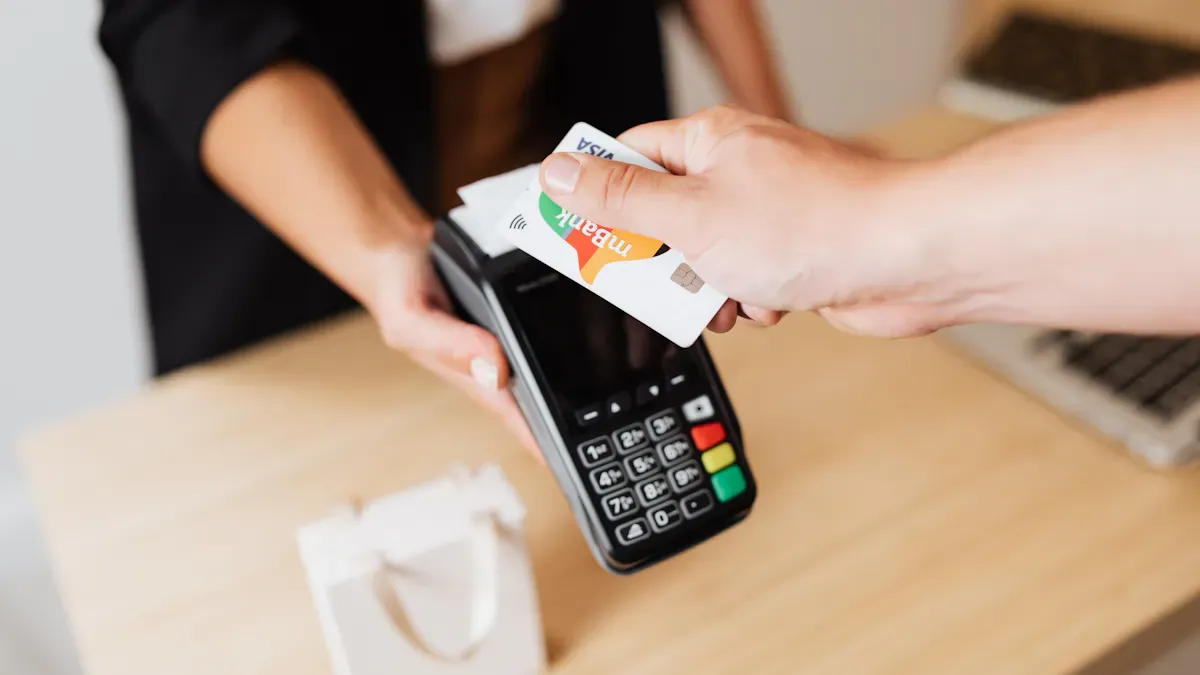
Many college campuses use this approach. You see autonomous stores in cafeterias and snack zones. These stores connect to campus apps and payment networks. You can pay with student ID cards, standard cards, or digital wallets. The table below shows how payment compatibility works in campus retail:
Payment Method | Description |
|---|---|
Student ID Cards | Accepted for transactions at A-POPs on campus. |
Standard Cards | Compatible with the autonomous purchasing systems. |
Digital Wallets | Facilitates seamless transactions for users. |
You get a seamless integration that supports campus convenience. You can use your preferred payment methods and enjoy a seamless and contact-free experience.
Student ID and Digital Wallet Support
You can use student ID cards and digital wallets for payments in autonomous stores. These systems support digital credentials, so you can pay with your phone or smartwatch. You can access restricted areas, pay for amenities like food and laundry, and use devices like iPhone or Apple Watch. You get more campus convenience and flexibility.
The technical requirements for this support include secure payment processing and integration with existing systems. You see every payment meet PCI-DSS compliance. You get encrypted processing and real-time confirmations. Every sale syncs with your ERP or SIS, including GL codes and student accounts. The table below shows these requirements:
Requirement | Description |
|---|---|
Secure Payment Processing | Every payment meets PCI-DSS compliance, with encrypted processing and real-time confirmations. |
Integration with Existing Systems | Every sale automatically syncs with your ERP or SIS, including GL codes and student accounts. |
Digital Credentials | Supports payments through digital wallets and virtual student IDs for campus amenities. |
You see autonomous stores work with campus apps. You can track orders and receive digital receipts. You get a seamless integration that makes campus retail easier for students and staff.
Multiple Payment Methods in Campus Retail
You can choose from many payment methods in campus retail. You use student meal plans, debit cards, credit cards, and stored payment methods. You see autonomous stores integrate with campus apps for tracking and digital receipts. You get more options and faster service.
You pay with student ID cards or digital wallets.
You use meal plans for food and beverages.
You choose debit or credit cards for other purchases.
You store payment methods in campus apps for quick checkout.
You see real-world examples where autonomous stores let students and staff enjoy quick access to food and drinks. You use your ID or mobile app for easy payment. You get a seamless and contact-free experience that improves campus convenience.
You make campus retail more efficient when you integrate autonomous stores with your payment systems. You give students and staff a seamless integration that supports many payment methods. You help your campus stay modern and secure.
Campus retail challenges and autonomous solutions
Reducing Theft and Shrinkage
You face many challenges in campus retail. Theft and shrinkage can cause big losses. Traditional stores often struggle to track inventory and prevent unauthorized access. You see vision-based systems miss items because of occlusions or confusion among similar products. Perishable goods need careful temperature control, but old systems cannot monitor them well.
Autonomous stores use cameras and AI to track every movement. Access control limits entry, so only authorized users can shop. You get real-time monitoring that detects theft quickly. The table below shows how autonomous stores reduce shrinkage and boost revenue:
Metric | Value |
|---|---|
Shrinkage Rate | Reduced from 20% to 0% |
Revenue Growth | 3.6x more than traditional vending |
Zero Shrinkage | Achieved in high-theft areas |
Unit Revenue | Doubled compared to previous vending |
Overall Shrinkage | 0% across all deployments |
Revenue Comparison | 3x compared to traditional solutions |
You achieve zero shrinkage and higher revenue with a fully autonomous operation.
Streamlining Checkout and Payments
You often see long lines and slow checkouts in campus stores. These problems frustrate students and staff. Autonomous stores solve this by offering cashier-less shopping. You scan your ID or use a digital wallet, then walk out with your items. The system records your purchase instantly.
Automation removes bottlenecks and speeds up the process. You enjoy a contactless payment method that matches modern preferences. This autonomous shopping experience increases satisfaction and saves time for everyone.
Enhancing Security and 24/7 Access
Security is important in campus retail. You want safe access to products at any time. Autonomous stores provide 24/7 access, so you can shop whenever you need. Cameras and sensors monitor the store, reducing the need for staff presence. You get consistent availability of essential items.
This model fits the needs of Gen Z students who prefer mobile-first convenience. You benefit from improved security and round-the-clock shopping. Autonomous stores make campus retail safer and more accessible.
Technical steps for transforming campus retail
Infrastructure and System Upgrades
You need strong infrastructure to support autonomous stores. Start by upgrading your network and hardware. You install high-speed internet and reliable Wi-Fi. You add sensors, cameras, and smart shelves. These devices use ai to track inventory and customer movement. You connect all systems for real-time data management. You run pilot projects to test new technology before full deployment. You choose scalable solutions that grow with demand. The table below shows key operational requirements for transforming campus retail:
Operational Requirement | Description |
|---|---|
Scalable Systems | Solutions that grow with demand and adapt to changing needs. |
Integrated Systems | Systems that work together to enhance efficiency and data flow. |
Secure Systems | Cybersecurity measures to protect data and operations. |
Agile Testing and Pilot Projects | Small-scale tests to validate concepts before full deployment. |
Real-time Data Management | Manage and analyze data as it is generated for timely decisions. |
Advanced Technologies (IoT and AI) | Use IoT and ai to optimize operations and improve customer experience. |
Data Security and Privacy
You must protect sensitive information in ai retail environments. You use a zero trust approach, which means you always verify identity. You set up multi-factor authentication and strong access controls. You secure endpoints with ai-driven detection to stop malware. You segment networks to limit attacker movement and secure IoT devices. You monitor systems for unusual activity and have an incident response plan ready. You train staff to recognize phishing and handle data safely. The table below highlights best practices for data security and privacy:
Best Practice | Description |
|---|---|
Adopt a Zero Trust Approach | Never trust, always verify with continuous identity checks and MFA. |
Implement Advanced Endpoint Protection | Use ai-driven detection to stop malware before it spreads. |
Train Employees & Seasonal Staff | Regular training helps staff handle sensitive information properly. |
Strengthen Access Controls & MFA | Enforce least privilege access and strong password policies. |
Network Segmentation & IoT Security | Separate networks and secure IoT devices. |
Continuous Monitoring & Incident Response | Detect unusual activity and recover quickly with a tested plan. |
Tip: You build trust by following privacy rules and keeping data secure.
Staff Training and Change Management
You prepare your staff for new technology by offering structured training. You identify all stakeholders and assess their needs. You create training modules and eLearning courses. You hold development days to empower staff with new skills. You embed change management principles in your campus culture. You support leadership styles that help everyone adapt. Universities like Texas A&M and UC San Diego use these steps:
Identify stakeholders and assess training needs.
Hold training sessions and development days.
Embed change management principles in campus culture.
Support leadership styles for smooth transitions.
You help your team embrace ai retail and new systems. You make the transition easier and more successful.
Measuring success in campus autonomous retail
Efficiency and Revenue Metrics
You can measure the success of autonomous stores by tracking key performance indicators. Shrinkage rates show how well you prevent theft and loss. A lower shrinkage rate means your store keeps more products safe. Revenue growth tells you if your store sells more items over time. You can also look at unit revenue, which shows how much money you make from each product. These numbers help you see if your autonomous store works better than traditional options.
Metric | What It Shows |
|---|---|
Shrinkage Rate | Loss prevention and security |
Revenue Growth | Increase in total sales |
Unit Revenue | Profit per product |
User Satisfaction | How happy students and staff feel |
Tip: Track these metrics every month to spot trends and make smart decisions.
User Experience and Adoption
You want students and staff to enjoy shopping in your autonomous store. You can measure user experience by looking at how easy and smooth the shopping process feels. Technologies that reduce friction help people move through the store quickly. Features that improve transparency and build trust make users feel safe. You should also check how many people use the store and how often they return.
Features that reduce friction during checkout
Tools that enhance trust and transparency
You should pay attention to how people feel about using new technology. Some users worry about the risks of autonomous systems. You can help by making the store easy to use and showing how it keeps data safe. When you boost confidence and make shopping simple, more people will try and adopt the new system.
Scalability and Future Growth
You can expand autonomous stores across your campus when you have the right technology. Access to strong platforms and new tools makes scaling easier. Market conditions, like inflation, can affect how fast you grow. You need to build trust in automated systems so more students and staff accept them. Competition from other stores can also shape your plans.
Use advanced technology for easy expansion
Watch market trends and adjust your strategy
Build trust to increase adoption
Study competitors to find the best locations
You can measure success by how many stores you open and how well they perform. A scalable solution lets you serve more people and keep up with campus needs.
You see how integrating autonomous stores with campus payment systems transforms retail. You gain faster shopping, stronger security, and better inventory management. Campus leaders at the University of Denver have embraced digital transformation, leading to higher sales and lower food costs. You experience improved convenience and labor savings. As autonomous retail grows, you can help your campus stay ahead. Consider adopting these solutions to meet student needs and drive future success.
FAQ
How do autonomous stores connect with campus payment systems?
You connect autonomous stores to campus payment systems using APIs. This lets you process payments instantly and update student accounts. You keep all transactions secure and accurate.
Can students use meal plans in autonomous stores?
Yes, you can use your meal plan in most autonomous stores. The system links to your campus account. You pay for food and drinks just like in traditional dining halls.
Are autonomous stores safe for personal data?
You stay safe because autonomous stores use strong encryption and follow privacy rules. The system protects your payment and personal information at every step.
What if a student has trouble with payment?
If you have payment issues, you can contact campus support or use the help feature in the campus app. Staff can help you solve problems quickly.
See Also
Comparing Micromarkets And Smart Stores In Global Retail
The Future Of Retail Lies In AI-Driven Stores
Analyzing Walgreens Self-Checkout: Benefits And Retail Obstacles
The Impact Of Smart Technology On Electronics Vending Machines
Transforming Online Store Management With AI E-Commerce Solutions
