Integrate autonomous stores with existing payment systems in Convenience store chains & small-format grocery.

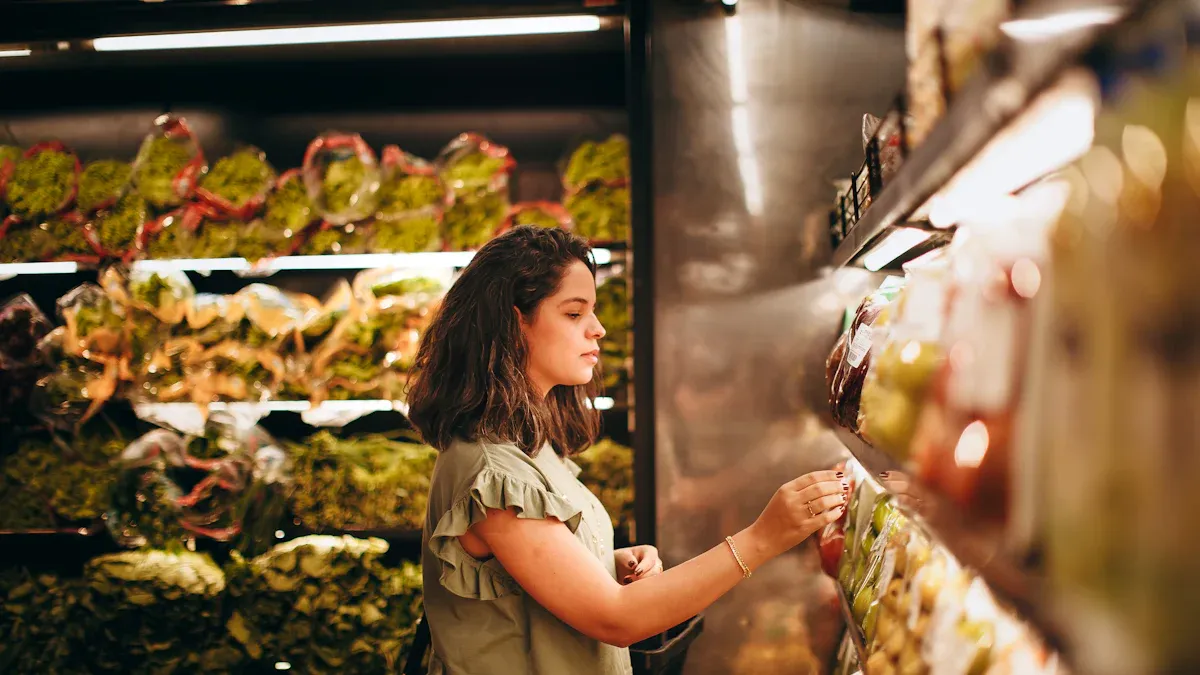
You see autonomous retail changing the way you shop in small-format grocery chains. When you integrate autonomous stores with your current payment systems, you make shopping faster and easier. Autonomous stores use sensors and smart software so you can pick up what you need and pay quickly. This change brings many benefits:
Benefit | Description |
|---|---|
Enhanced Customer Experience | You wait less, so you are happier and come back more often. |
Operational Efficiency | Stores can help more people with fewer workers. Mistakes happen less. |
Cost Savings | Stores save money on workers, training, and fixing mistakes. |
Improved Data Collection | Stores learn what you like and use this to stock better and send you deals. |
Space Optimization | Stores use space better by removing old checkout counters. |
Safety and Hygiene | You touch fewer people, so shopping is safer and cleaner. |
Scalability | Stores can change systems to fit any size and need. |
Key Takeaways
Integrating autonomous stores with payment systems speeds up shopping and enhances customer satisfaction.
Autonomous retail reduces operational costs by minimizing the need for staff and improving efficiency.
Using mobile wallets and QR codes simplifies payments, making transactions faster and more convenient.
Pilot programs help identify issues early, ensuring a smoother transition to autonomous retail systems.
Strong data protection measures build customer trust and ensure compliance with privacy laws.
Autonomous Store Technology in Small-Format Grocery Chains
AI Powered Automated Self Checkout
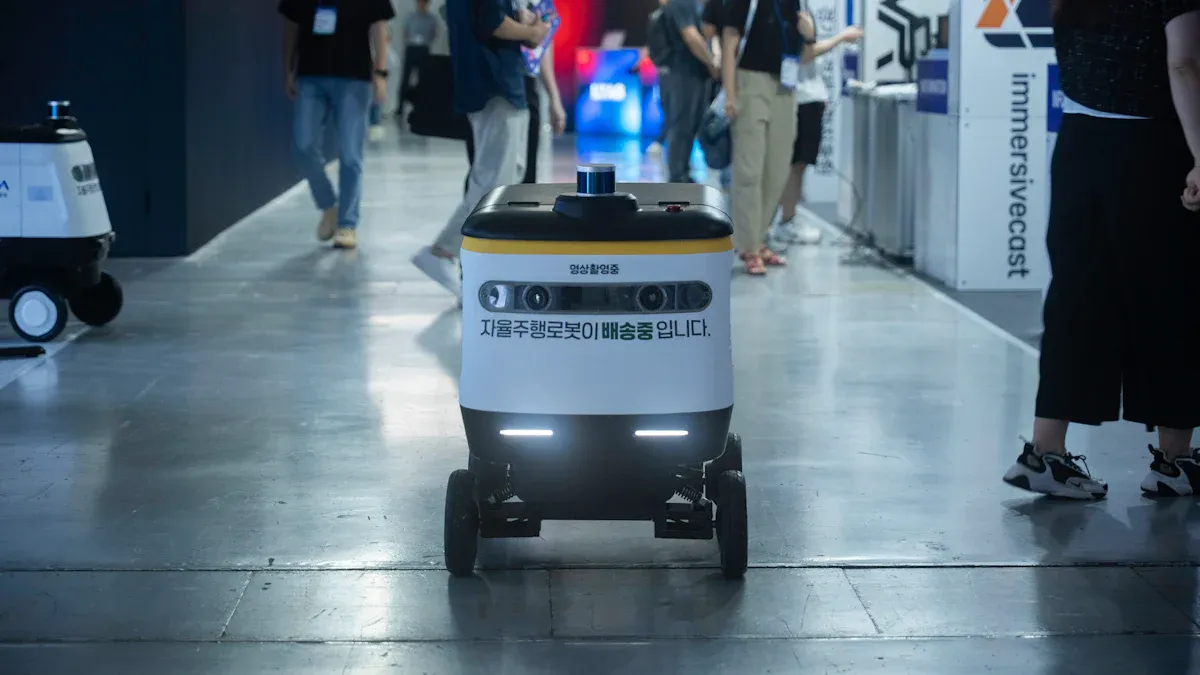
You see autonomous retail changing how you shop every day. When you walk into a small-format grocery store, you notice automated checkout systems that use smart sensors and AI powered automated self checkout. These systems let you grab what you need and pay without waiting in line. You do not need to scan barcodes. The store uses AI driven automated checkout to identify products instantly. You finish shopping faster and avoid confusion.
Automated checkout systems use computer vision and AI powered automated self checkout to spot mistakes right away.
You get real-time help if you have questions, which makes your visit smoother.
Stores use AI powered automated self checkout to reduce the need for staff, so you get quicker service.
AI driven automated checkout helps stores keep track of inventory, which lowers costs and waste.
You enjoy cashierless shopping because you spend less time waiting. Stores use robust security to prevent theft and keep your experience safe. Seamless integration with payment systems makes automated self checkout easy for you.
Benefits for Small-Format Grocery Chains
Autonomous stores bring many benefits to small-format grocery chains. You see stores open all day, so you can shop anytime. Stores save money by using automated self checkout and reducing staff costs. You enjoy a contactless shopping experience, which feels safer and more convenient.
Benefit | Description |
|---|---|
24/7 Accessibility | Shop anytime, boost satisfaction, and raise sales. |
Reduced Operating Costs | Lower staff expenses and use resources better. |
Contactless Shopping Experience | Enjoy a safe, convenient visit, even during health concerns. |
Location Independence | Find stores in more places, making shopping easier for you. |
Technological Innovations | Get faster service and smarter product choices with advanced tech. |
Increased Customer Satisfaction | Stores report a 25% jump in customer satisfaction. |
Cross-Selling Success | A 20-30% increase in cross-selling success reported. |
You notice stores using smart shelves with sensors to track products and alert staff about missing items. Automated self checkout and autonomous retail help stores grow revenue and improve customer satisfaction. You see a 25% increase in satisfaction and a 20-30% rise in cross-selling success. Autonomous stores use technology to make your shopping experience better every time.
Integrate Autonomous Stores with Payments
Payment System Compatibility
When you integrate autonomous stores with your current payment systems, you face some challenges. Many convenience stores use older systems that do not work well with new autonomous retail technology. These legacy systems often lack modern interfaces and use different data formats. This makes integration difficult.
Key Issues | Description |
|---|---|
Legacy systems are not built to function with modern systems, leading to integration difficulties. | |
Lack of Modern Interfaces | Older systems often lack the necessary APIs and interfaces for seamless integration. |
Data Format Differences | Variations in data formats complicate the interfacing of legacy systems with new technologies. |
You need to make sure your autonomous retail systems can talk to your existing payment solutions. Many stores use third-party vendors to help with this process. Companies like Nuvei and Visa play a big role. They help you adapt to new payment technologies and build trust between your store and your customers. You also need to protect customer data. Strong security measures like encryption and even blockchain technology can keep your transactions safe. Backup systems help your store keep running if something goes wrong.
Mobile Wallets and Digital Payments
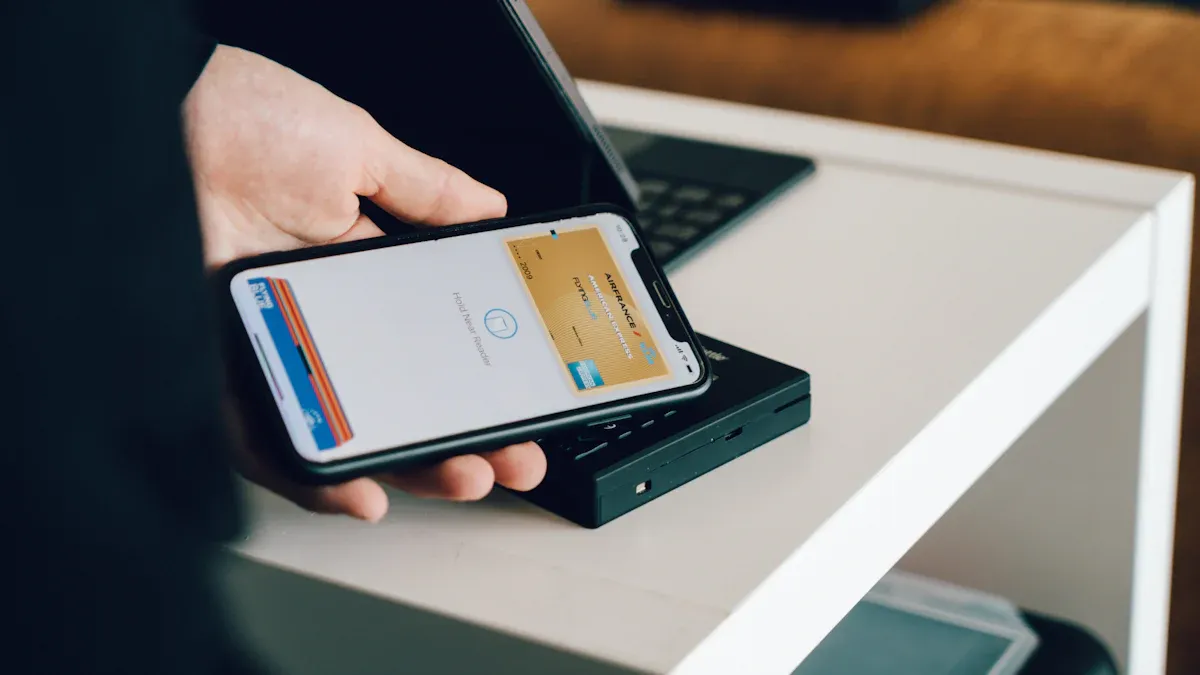
You see more customers using mobile wallets and digital payments every day. These options make autonomous retail even smoother. You can use QR codes to pay quickly. You scan a code, and the transaction finishes in seconds. This method gives you more control and speeds up your shopping.
Integration Method | Description | Benefits |
|---|---|---|
QR Codes | Customers scan codes to complete transactions independently. | Enhances customer autonomy and speeds up payment processes in busy environments. |
Mobile POS Systems | Smartphones act as payment terminals for digital wallets. | Reduces hardware investment and supports multiple payment options, improving customer satisfaction. |
API Integrations | Seamless incorporation of digital wallets into e-commerce platforms. | Provides a consistent payment experience and increases conversion rates for merchants. |
Mobile POS systems let your staff use smartphones as payment terminals. This reduces the need for expensive hardware and supports many payment types. API integrations help your store connect digital wallets to your autonomous retail systems. This gives your customers a consistent payment experience and helps you increase sales.
Retrofit Solutions for Integration
You do not always need to replace your whole system to integrate autonomous stores with payments. Retrofit solutions help you add autonomous retail features to your current setup. For example, AiFi Refresh lets you add autonomous checkout to your store without major changes. Circle K worked with Standard to launch a store where customers shop without scanning or waiting in line.
Solution Name | Description |
|---|---|
AiFi Refresh | A retrofit solution that integrates autonomous checkout systems into existing store infrastructures without major modifications. |
Circle K & Standard | Collaboration to launch the first convenience store retrofitted with AI technology, allowing customers to shop without scanning or waiting in line. |
You need to think about the cost when you integrate autonomous stores with payments. Self-checkout machines can cost from $5,000 to $30,000 each. You also pay for installation, software, and connecting to your current systems. Most stores see a return on investment in one to three years because they save on labor and help more customers.
Tip: Start with a pilot program before a full rollout. Train your staff and teach your customers about the new autonomous retail systems. This helps you gather feedback and fix problems early.
You can see that integrating autonomous stores with payments brings many benefits. You get frictionless checkout, better customer satisfaction, and more efficient operations. With the right integration, your store can keep up with the future of autonomous retail.
Integration Process and Challenges
Assessing Infrastructure for Integration
You start the integration process by looking at your store’s current setup. You want to make sure your store can support autonomous retail technology. You follow a clear set of steps to get ready for this change:
Planning and Vendor Selection: You define what your store needs. You research vendors who offer autonomous retail solutions. You ask for proposals and decide on a pilot project.
Infrastructure Setup and Integration: You assess your store’s layout and systems. You install new hardware like sensors and cameras. You deploy software and connect it to your payment systems.
Calibration, Training, and Testing: You calibrate the autonomous systems so they work well. You train your staff to use the new technology. You test everything and run security checks.
Launch and Optimization: You start with a soft launch to see how things work. You open to the public and keep monitoring the system. You make changes to improve performance.
Tip: You can run a pilot program in one location before expanding to all stores. This helps you find problems early and fix them.
Overcoming Technical Compatibility Issues
You face technical challenges when you connect autonomous retail systems to your payment platforms. You need skilled developers to make sure your autonomous checkout works with older systems. You test both autonomous and traditional checkout processes to avoid problems.
If you choose the wrong vendor, you may have trouble later.
You might see hidden costs or find that your system cannot grow easily.
Some vendors do not support new integrations, which can cause issues.
You need your engineering team to learn new specifications. You build internal endpoints to handle payment mandates. You test the new autonomous transaction flows many times to make sure everything works.
Solutions | |
|---|---|
Accuracy of Product Detection and Billing | You train your autonomous retail systems often to improve accuracy. |
Customer Adoption and Understanding | You talk clearly with customers about privacy and how the system works. |
High Initial Investment and Operational Costs | You build strong infrastructure to lower costs over time. |
Technical Glitches and Downtime | You schedule regular maintenance and updates to avoid failures. |
Inventory Management Challenges | You use data analytics to keep inventory accurate. |
Data Privacy and Security Concerns | You set up strong data protection measures. |
Shrinkage and Fraud | You improve system security to stop shoplifters. |
You see that regular updates and maintenance help you avoid technical glitches. You use advanced analytics to manage inventory and improve operational efficiency. You talk with customers to help them understand autonomous retail technology and feel comfortable using it.
Data Privacy and Staff Training
You collect a lot of data in autonomous retail stores. Cameras and sensors track what customers buy. This raises privacy concerns. You need to handle data responsibly and follow privacy laws.
You collect data through cameras and sensors, which can worry customers.
Customers want to know how you use and store their data.
Data breaches or misuse can make customers avoid autonomous retail stores.
You follow laws like the California Consumer Privacy Act and the General Data Protection Regulation. These laws give customers rights and require you to be transparent. You comply with these rules to build trust.
Regulatory Consideration | Description |
|---|---|
Privacy Laws | You follow laws about collecting customer data. |
AI Surveillance | You obey rules about using AI for surveillance. |
Technology Approvals | You get approval for new technologies. |
Jurisdiction Variability | You check local laws before expanding to new areas. |
You train your staff to manage autonomous retail systems. You teach them to answer customer questions, restock shelves, and fix basic problems. You make sure your team knows how to keep customer data safe.
Note: You build trust by being open about your data practices and giving customers control over their information.
You see that overcoming these challenges helps your store run smoothly. You improve customer satisfaction and keep your store secure. You make autonomous retail a success in your small-format grocery chain.
Impact and Future of Integration
Efficiency and Customer Experience
You see big changes in your store when you use autonomous retail technology. You notice that automating payments and connecting all transaction data in one place increases trading speed. You get same-day settlements, which helps your store run faster. You do not need to worry about switching banks because the system works with any institution. You use self-checkout kiosks with RFID technology, which cuts checkout times from 20 minutes to less than 1 minute. This boosts cash collection efficiency by 20%. You also see that cashierless stores using sensors and AI remove lines, making shopping easier for everyone.
Evidence Description | Impact on Operational Efficiency |
|---|---|
Automating payments and unifying transaction data into one portal | Increases trading speed in-store and online |
Unlocking same-day settlements regardless of banking institution | Enhances cash flow and operational speed |
Comprehensive network of third-party integrations without migration pains | Streamlines payment stack transformation |
Self-checkout kiosks with RFID technology reducing checkout times | Reduces checkout times from 20 minutes to less than 1 minute, improving cash collection efficiency by 20% |
Cashierless store concept using AI and sensors for automatic charging | Eliminates checkout lines, enhancing customer experience |
You see that autonomous retail improves customer experience. You wait less and enjoy a smooth shopping journey. Automation makes shopping more enjoyable and encourages you to come back. You notice fewer errors at checkout, which makes the process more reliable.
Benefit | Impact on Customer Experience |
|---|---|
Reduced Waiting Times | Provides a smooth and streamlined shopping journey, enhancing satisfaction and encouraging repeat business. |
Enhanced Customer Satisfaction | Automation leads to a more enjoyable shopping experience, directly correlating with increased customer loyalty. |
Operational Efficiency | Higher transaction volumes with fewer errors, contributing to a more reliable checkout process. |
Tip: You can use autonomous retail to handle more customers with fewer mistakes, making your store more efficient and friendly.
Trends in Autonomous Payments
You see new trends shaping autonomous retail every day. Stores use AI and automation to improve shopping and store operations. Smart video cameras alert you if you forget to scan an item, which helps prevent theft. Just Walk Out technology lets you leave the store without waiting in line. AI predicts what you will buy, so shelves stay stocked. Supply chain optimization makes deliveries faster and keeps products available. Personalized marketing gives you deals based on your shopping history. Autonomous checkout lets you pay without a cashier, making visits quicker. Fraud detection finds unusual purchases and keeps your money safe.
Technology Trend | Description |
|---|---|
AI and Automation | Enhances store operations and improves shopping experience. |
Smart Video Cameras | Alerts customers if they forget to scan items, reducing theft. |
Just Walk Out Technology | Allows customers to leave without waiting in line, speeding up shopping. |
Demand Forecasting | Uses AI to predict customer purchases, ensuring shelves are stocked. |
Supply Chain Optimization | Improves delivery and stock management. |
Personalized Marketing | Offers tailored deals based on purchase history. |
Autonomous Checkout | Enables payment without a cashier, making visits quicker. |
Fraud Detection | Identifies unusual purchases to enhance security. |
You see contactless payments speeding up checkout and making shopping safer. Mobile wallets attract tech-savvy shoppers. Biometric authentication increases security and lowers fraud risk. Cryptocurrency payments give you more options and attract international customers. Buy Now, Pay Later makes expensive items easier to buy. AI optimizes payment processes and keeps your transactions secure.
Note: Experts predict that cashierless stores, inventory robots, and self-driving delivery vehicles will become common. Autonomous retail will help stores run 24/7 and give you better deals and faster service.
You can transform your store by following key steps for autonomous retail integration. Start with contactless payment solutions and automatic checkout systems. Use smart platforms to unify data and train your staff on new autonomous tools. You lower labor costs and boost customer throughput with autonomous self-checkout. Early feedback helps you improve technology and match customer behavior. Focus on frictionless payments and data-driven decisions to make autonomous retail successful.
Solution Type | Description |
|---|---|
Legacy Systems | Partner with tech companies for integration. |
Data Silos | Use platforms to unify customer data. |
Staff Training | Invest in autonomous tool training. |
Tip: Begin with a pilot program and adjust based on customer feedback. This helps you create a smooth autonomous retail experience.
FAQ
How do you connect autonomous checkout to your current payment system?
You work with vendors who offer integration tools. These tools link your autonomous checkout to your payment system. You test the connection to make sure payments process smoothly.
What payment methods can you use in autonomous stores?
You can use credit cards, mobile wallets, QR codes, and contactless payments. Stores often support many options to make shopping easier for you.
Is customer data safe in autonomous stores?
You see stores use encryption and follow privacy laws. Staff train to protect your information. You control your data and can ask how stores use it.
How much does it cost to upgrade to autonomous checkout?
You pay for hardware, software, and installation. Costs range from $5,000 to $30,000 per checkout unit. Most stores see savings in one to three years.
See Also
Comparing Micromarkets And Smart Stores In Global Retail
Understanding Walgreens Self-Checkout: Benefits And Hurdles Faced
AI-Driven Corner Stores: Essential Insights For Retailers Today
Cloudpick's Cashierless Solutions: Enhancing Store Convenience Effortlessly
The Future Of Retail: Embracing AI-Powered Store Innovations
