Integrate autonomous stores with existing payment systems in Convenience store chains & small-format grocery.

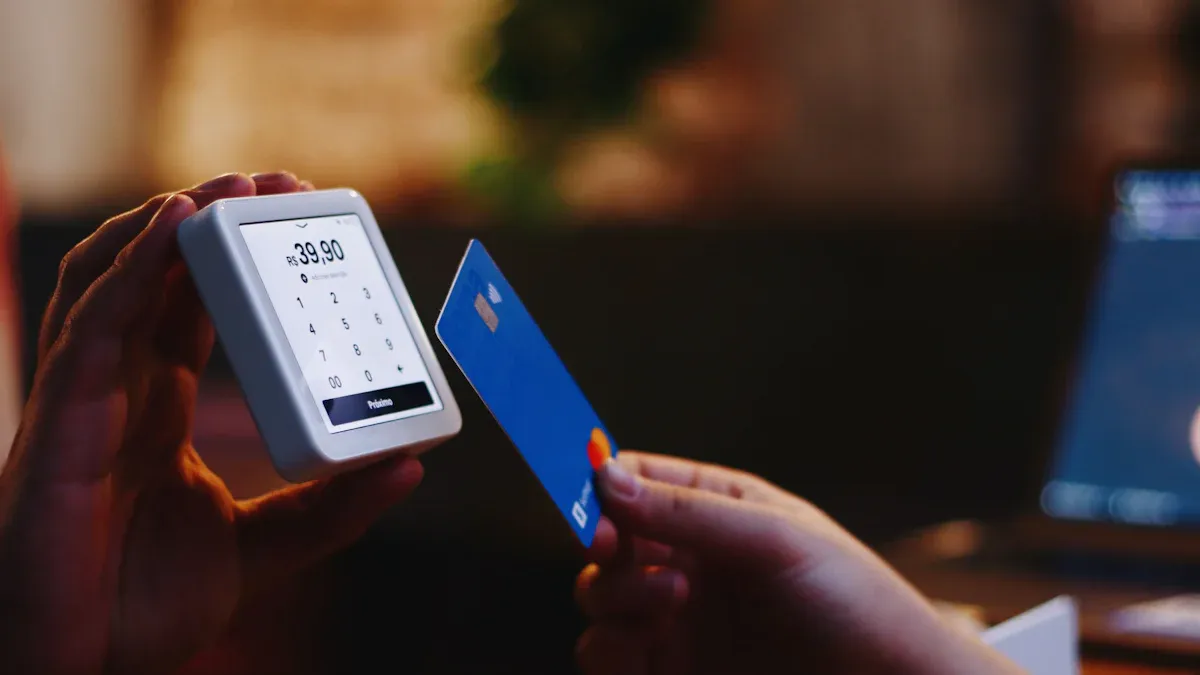
You can integrate autonomous stores with your existing payments by using technology that connects self-service systems to your current checkout solutions. Autonomous stores are retail spaces where automation handles most tasks, including checkout and inventory tracking. Payments refer to the process customers use to buy products. Small-format grocery chains are compact stores that focus on quick shopping experiences. Seamless integration improves efficiency and customer satisfaction. For example, Żabka uses autonomous retail to solve labor shortages and boost operations. Real-time tracking increases inventory accuracy and keeps shelves stocked.
Benefit | Description |
|---|---|
Automated systems maintain optimal inventory levels for better product availability. | |
Cost Savings | Automation reduces manual reordering labor, allowing staff to assist customers. |
Enhanced Customer Satisfaction | Products are available when customers want them, building loyalty. |
AI-powered autonomous systems and retrofit solutions help you modernize your store without major disruptions.
Key Takeaways
Integrate autonomous stores with existing payment systems using APIs or middleware to enhance efficiency and customer satisfaction.
Choose compatible autonomous technology that fits your current systems to ensure smooth operations and quick transactions.
Upgrade to cloud-based payment solutions for better security, easy updates, and seamless integration with autonomous retail functions.
Train staff on new technologies and customer service skills to ensure a smooth transition to autonomous shopping experiences.
Integration approaches for autonomous stores
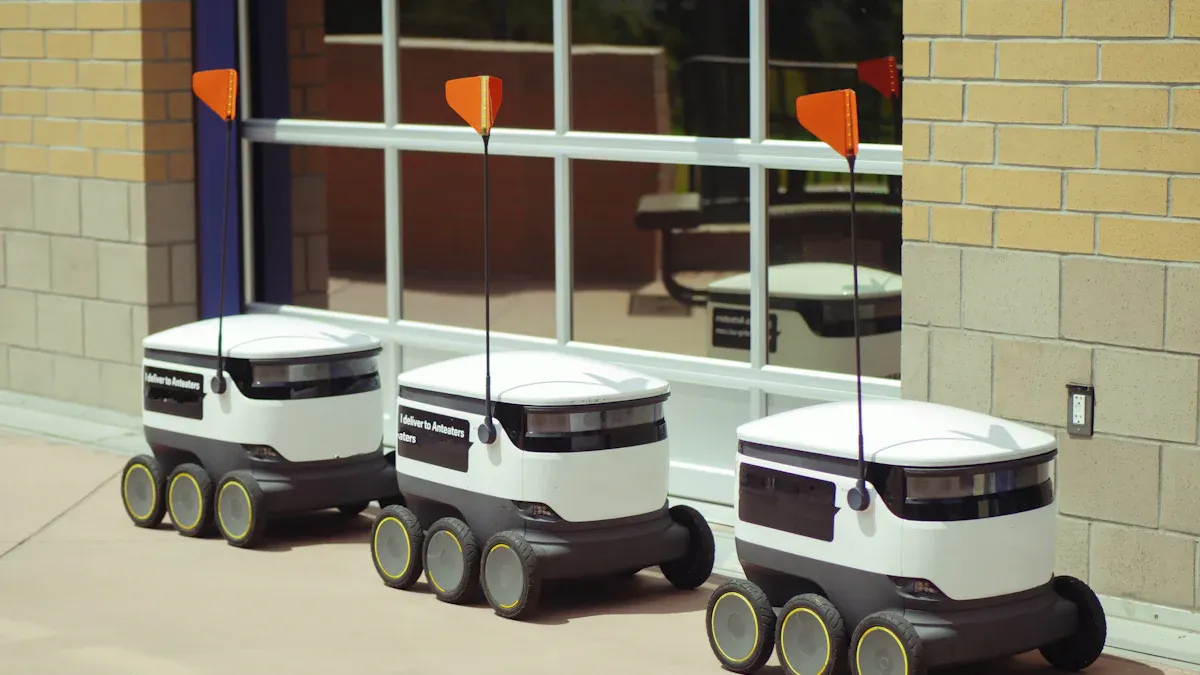
Direct connection to legacy payments
You can integrate autonomous stores with your existing payment systems by connecting new technology directly to your legacy point-of-sale solutions. This approach lets you keep your current payments setup while adding automated checkout systems and automated self checkout features. Many stores face challenges with outdated architectures and data format incompatibilities. You may also see issues with vendor support and API integration failures. Here is a table showing common compatibility problems and their descriptions:
Compatibility Issue | Description |
|---|---|
Outdated Architectures | Legacy systems use old technology, making integration with modern autonomous retail difficult. |
Lack of Vendor Support | Many legacy systems do not get updates, which complicates integration efforts. |
Data Format Incompatibilities | Old systems use formats that modern autonomous shopping platforms cannot read directly. |
API Integration Failures | Legacy APIs may not handle the data loads needed for ai-powered automation and self-checkout. |
You should plan carefully to address high upfront costs and test solutions with pilot programs. Continuous optimization of ai systems helps you avoid delays and improve efficiency.
Middleware and APIs for integration
Middleware and APIs help you connect autonomous retail platforms with your existing payment systems. Middleware acts as a bridge, solving compatibility issues and lowering setup costs. APIs streamline operations and enhance customer experiences. They connect payment processing with inventory management, making decisions faster with real-time data. If you use a POS system with built-in APIs, you can make your store more flexible and responsive to ai-powered automation.
APIs enable seamless connections between payment and inventory.
Middleware reduces integration costs and helps autonomous stores work with legacy systems.
Real-time data from ai systems supports better decisions and efficiency.
Cloud-based payment solutions
Cloud-based payment solutions offer another way to integrate autonomous stores. These systems use online platforms to manage payments, inventory, and sales reporting. You get enhanced security because cloud POS software uses advanced encryption. Data is saved online, so you reduce risks from viruses or corruption. Vendors update the infrastructure, giving you the latest technology and security features. Cloud POS also allows seamless integration of autonomous retail functions.
Advantages | Description |
|---|---|
Enhanced Security | Advanced encryption protects sensitive data. |
Reduced Data Loss Risks | Online data storage minimizes loss from attacks or corruption. |
Easy Updates | Vendors manage updates for the latest features. |
Seamless Integrations | Cloud POS combines inventory, sales, and autonomous shopping in one place. |
You may need to train staff on new systems, which can add costs. Some cloud solutions offer limited customizations, and poor internet access can cause connectivity issues. Still, cloud-based payment systems help you integrate autonomous stores with less disruption and more efficiency.
Autonomous retail models and payment compatibility

Sensor and camera-based checkout
You can integrate autonomous stores with sensor and camera-based checkout systems to create a smooth shopping experience. These systems use ai-powered cameras, shelf sensors, and RFID technology to track items as customers shop. You do not need to wait in line or interact with a cashier. The system automatically records your purchases and processes payments. Many small-format grocery chains use automated checkout systems to boost efficiency and reduce staff at checkout. Unmanned and micro store formats rely on these technologies to offer quick, cashier-free shopping.
Sensors and cameras track items in real time.
Customers shop and leave without traditional checkout lines.
Automated self checkout improves accuracy and speed.
Stores like Zabka use ai and automation to optimize operations.
Mobile and app-based payments
Mobile and app-based payments play a key role in autonomous retail. You can scan items with your phone or use a store app to pay instantly. These payment methods offer convenience and security. Autonomous stores use secure payment gateways and strong encryption to protect your data. You benefit from privacy-first approaches and fraud prevention systems.
Security Aspect | Description |
|---|---|
Privacy-First Approach | Only necessary information is collected for transactions. |
Secure Payment Gateway Integration | Reliable gateways align with business needs. |
Fraud Prevention Systems | Multiple layers of fraud detection protect you. |
User Authentication | Two-factor and biometric options keep payments safe. |
Compliance with Security Standards | Stores follow PCI DSS for secure processing. |
Data Encryption | AES-256 encryption protects sensitive data. |
Automatic Data Purging | Regular cleanup maintains privacy and trust. |
Hybrid staff and automation models
Hybrid staff and automation models combine human service with autonomous technology. You see staff helping with customer service while ai systems handle payments and inventory. This approach supports integration by creating consistent experiences across all channels. Automation and technology help stores adapt to changing customer behaviors.
Stores use automation and ai to improve customer service.
Data from ai systems increases operational efficiency.
Hybrid models require seamless technology integration for effective payment processing.
Personalized service and efficient payments build customer loyalty.
You can expect autonomous shopping to become more common as stores focus on efficiency and customer experience.
Integration steps for small-format grocery chains
Assess current payment systems
You should start by reviewing your current payment systems. Look at how your store handles transactions and what technology you use for checkout. Check if your point-of-sale software supports features like automated self checkout or self-checkout. Make a list of all hardware and software in use. Ask yourself if your systems can connect with autonomous retail solutions. You need to know if your payment processor can handle ai-powered automation and if it supports grocery-specific needs.
Tip: Write down any problems you notice, such as slow transaction times or frequent errors. This helps you spot areas for improvement.
Assessment Step | What to Check |
|---|---|
Hardware Compatibility | Does your equipment support new autonomous tech? |
Software Integration | Can your POS connect with ai and automation? |
Payment Processor | Does it handle EBT and regular payments? |
Data Security | Are customer details protected? |
Select compatible autonomous tech
You need to choose autonomous technology that works well with your current systems. Focus on speed and reliability, especially if your store has high transaction volumes. Look for solutions that fit into your existing kiosks and do not take up too much space. Make sure the technology supports grocery-specific payment needs.
Pick a payment processor with clear pricing so you understand costs.
Choose a provider with strong customer support, available after hours.
Ask about their experience with grocery stores and if they can handle both EBT and traditional payments.
Check if you need new hardware and if it matches your current setup.
Find out what kind of training and ongoing support they offer.
Criteria for Selection | Why It Matters |
|---|---|
Speed and Reliability | Handles busy times without delays |
POS Compatibility | Smooth integration with existing systems |
Compact Design | Fits in small spaces |
Grocery-Specific Features | Meets unique store needs |
Transparent Pricing | No hidden costs |
Customer Support | Help when you need it |
Upgrade infrastructure and software
You should upgrade your infrastructure to support autonomous stores. Moving to cloud-based payment systems can make management easier. Cloud solutions offer security, scalability, and simple integration with ai-powered automation. You can manage payments, invoices, and customer data in one place. Automatic syncing saves time and reduces errors.
Note: Always check if the platform follows security rules and keeps customer data safe.
Look for strong security features and good customer support.
Choose a system that can grow with your business and adapt to new payment needs.
Make sure the platform works well with your accounting and ERP software.
Follow security protocols and meet all regulations.
Plan for data migration, user training, and process documentation.
Test the new system and run a pilot before full rollout.
Train staff and communicate changes clearly.
Monitor performance and collect feedback for improvements.
Review and update your systems regularly.
Upgrade Benefit | Description |
|---|---|
Efficiency | |
Centralized Management | Control all operations from one dashboard |
Security | Protects customer and business data |
Scalability | Grows with your store |
Staff training and rollout
You must train your staff to use autonomous retail technology. Organize workshops where employees can practice with new tools in real or simulated scenarios. Role-playing exercises help staff learn how to handle price disputes, returns, and customer questions. A structured onboarding process helps new hires learn store policies and customer service skills quickly.
Teach staff how to restock shelves and fix basic issues with autonomous systems.
Focus on customer service skills, such as greeting shoppers and solving complaints.
Train associates to manage ai-powered checkout and answer customer inquiries.
Use hands-on learning to build confidence and understanding.
Tip: Keep training ongoing. Update staff when you add new features or change processes.
Training Activity | Purpose |
|---|---|
Role-Playing Exercises | Practice real-life challenges |
Workshops | Hands-on experience with new technology |
Onboarding Process | Quick learning for new hires |
Customer Service Training | Better interactions and satisfaction |
Troubleshooting Lessons | Solve basic tech problems |
You can integrate autonomous stores with your existing payment systems by following these steps. This approach improves operational efficiency, boosts customer satisfaction, and helps your store keep up with changes in autonomous retail and ai-powered automation.
Overcoming integration challenges
System compatibility issues
When you integrate autonomous stores with legacy payment systems, you often face technical challenges. Many older systems do not work well with modern autonomous retail technology. You may see problems with outdated interfaces, missing APIs, and different data formats. These issues can slow down your checkout process and make self-checkout less reliable. You need to address these problems early to keep your store running smoothly.
Source | Key Issues |
|---|---|
Addressing Integration and Compatibility Issues in Legacy Systems | Legacy systems are not built to function with modern systems, leading to compatibility challenges. |
How to Solve Common Legacy Systems Integration Problems | Lack of modern interfaces and APIs complicates integration with business-critical systems. |
Navigating the Risks of Legacy System Integration | Legacy technology often lacks compatibility with newer systems, leading to integration difficulties. |
Legacy System Integration Challenges and Strategies | Differences in data formats and communication protocols create challenges in interfacing legacy systems with modern applications. |
You can solve these problems by using middleware or APIs that help connect old and new systems. A phased approach lets you test autonomous technology in small areas before a full rollout. Regular updates and proactive maintenance keep your ai and automation running smoothly.
Data privacy and security
Protecting customer data is very important when you use autonomous retail and ai-powered checkout. You must follow strict rules to keep information safe. Strong security measures like encryption and secure payment systems help prevent unauthorized access. Some stores use blockchain technology to make it harder for hackers to steal or change data. Backup systems keep your store running if the main system fails.
Solution Type | Description |
|---|---|
Strong Security Measures | Implementing data encryption and secure payment systems to prevent unauthorized access. |
Blockchain Technology | Utilizing blockchain to protect sensitive data, making it difficult for hackers to alter or steal data. |
Backup Systems | Establishing backup systems to ensure operational continuity in case of main system failure. |
You also need to follow privacy laws like PCI DSS, GDPR, and CCPA. These rules help you manage customer data safely. You should collect only the data you need, get clear consent from customers, and train your staff on privacy best practices. Regular audits and transparent policies build trust with your shoppers.
Staff and customer adaptation
Introducing autonomous stores and ai-powered automation changes how your staff and customers interact with your store. You need to help everyone adapt to new systems. Start with pilot programs in small areas. This lets you test autonomous checkout and self-checkout features before expanding. You can gather feedback and make improvements.
Train staff to use new autonomous technology and answer customer questions.
Educate customers about how autonomous retail works and how to use ai-powered checkout.
Use clear guides and support to help older customers who prefer traditional shopping.
A phased rollout and ongoing support make the transition easier. You can reduce confusion and build confidence in your autonomous systems.
Benefits and future trends in autonomous retail
Efficiency and cost savings
You can integrate autonomous stores with your existing systems to see big improvements in operational efficiency. When you use autonomous retail, you reduce costs and make your store run smoother. Many small-format grocery chains report a 40% drop in operational costs and a 42% reduction in waste. You also use resources better and face fewer unexpected expenses.
Improvement Type | Percentage Reduction/Increase |
|---|---|
Operational Costs | 40% |
Waste Reduction | 42% |
Resource Utilization | 38% |
Unexpected Costs | 34% |
You save money on labor and training. You make fewer mistakes, so you spend less fixing errors. Autonomous stores also speed up the shopping experience and let you serve more customers with less staff. You can use ai-powered automation to keep shelves stocked and reduce waste.
Enhanced customer experience
Autonomous retail changes how you shop. You get a faster checkout process and spend less time waiting in line. AI driven automated checkout and ai powered automated self checkout systems make shopping easier. Stores use smart carts and real-time processing to help you move quickly.
Smart carts help you find items and make shopping smooth.
Aspect | Description |
|---|---|
AI technologies enable real-time processing, making the shopping experience more efficient. | |
Reduced Wait Times | Self-checkout systems minimize the time customers spend waiting in line, enhancing convenience. |
Personalized Experiences | AI can tailor shopping experiences based on customer preferences, increasing satisfaction. |
Stores like Zippin use ai to track what you pick up and charge you automatically. You can finish shopping in seconds, not minutes. Casey’s General Stores uses ai assistants to link orders to your digital profile and apply loyalty points. You get a more personal experience and better service.
Trends in autonomous payments
You see new trends in autonomous retail every year. Autonomous micro markets now offer 24/7 shopping with no cashiers. Smart checkout systems, like Amazon’s ‘Just Walk Out’, let you skip lines. AI and IoT technologies improve accuracy and make payments faster.
Autonomous stores give you access to products any time.
Self-service technologies cut labor costs by up to 70%.
Data analytics help you keep popular items in stock and reduce waste.
Automation Technology | Percentage of Adoption |
|---|---|
Any Automation Technology | |
Digital Self-Checkout Kiosks | 41.7% |
You see autonomous retail expanding into larger stores. AI and robotics keep getting better, making payment technologies more accurate and less expensive. You can expect more stores to upgrade their infrastructure and use autonomous solutions to improve efficiency and customer experience.
You can integrate autonomous stores by following best practices that boost efficiency and customer satisfaction. The table below highlights key benefits and challenges:
Benefit/Challenge | Description |
|---|---|
Enhanced Customer Experience | Reduces waiting times and increases repeat business. |
Operational Efficiency | Processes more transactions with fewer staff. |
Cost Savings | Automation lowers labor and training costs. |
Improved Data Collection | Offers insights for better management. |
Data Layer Challenges | Real-time efficiency and security remain critical. |
Retrofit solutions save money and time compared to full system replacements. As a manager, you should:
Enhance customer experience with frictionless shopping.
Minimize losses by tracking inventory.
Automate operations for better efficiency.
Stay open to new technology and ongoing improvements.
FAQ
How do you connect autonomous checkout to your current payment system?
You use APIs or middleware to link autonomous checkout with your existing POS. This lets you process payments without changing your whole system. You keep your current payment provider and add new features.
What training do staff need for autonomous stores?
Staff learn to use new checkout technology and help customers. You train them with hands-on workshops and role-playing. You also teach troubleshooting and customer service skills.
Tip: Update training when you add new features.
Are autonomous stores safe for customer data?
Yes, you protect customer data with encryption and secure payment gateways. Stores follow PCI DSS and other privacy laws. You collect only needed information and use regular audits to keep data safe.
Security Feature | Benefit |
|---|---|
Encryption | Protects payment data |
Audits | Finds security issues |
Can you use autonomous retail in small stores?
You can use autonomous retail in small stores. Compact systems fit limited spaces. You choose technology that matches your store size and payment needs. Many providers offer solutions for small-format grocery chains.
See Also
Comparing Micromarkets And Smart Stores In Global Retail
Analyzing Walgreens Self-Checkout: Benefits And Obstacles In Retail
Understanding The Growth Of AI-Driven Corner Stores For Retailers
Discover How Cloudpick Enables Cashierless Shopping Experiences
The Future Of Retail: Embracing AI-Enabled Store Innovations
