Integrate autonomous stores with existing payment systems in Corporate offices & tech parks.

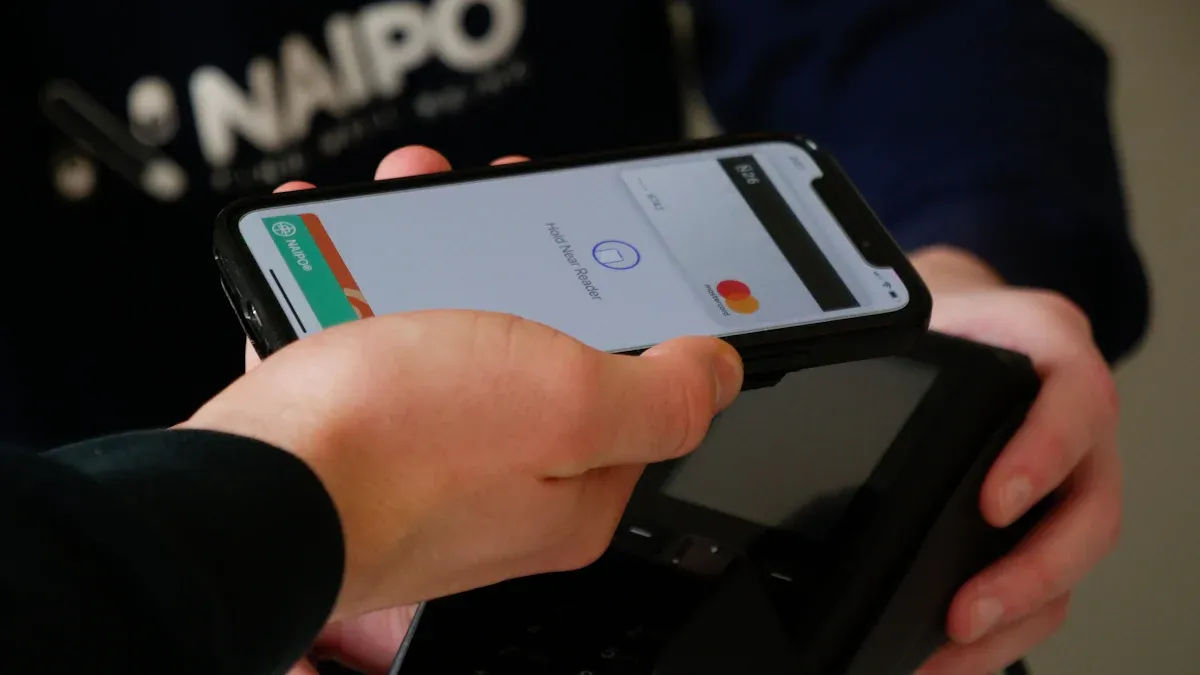
You see autonomous stores becoming more common in corporate offices and tech parks. Many large enterprises now use AI tools, with integration rates between 50% and 60%. Small businesses show rapid adoption, but fewer have formal AI strategies.
Company Size | AI Integration Rate | Key Insights |
|---|---|---|
Large Enterprises | 50-60% | Higher integration of AI tools due to larger budgets and infrastructure. |
Small Businesses | 89% | Rapid adoption for daily tasks, but only 40-42% have formal AI strategies. |
General Insights | N/A | 59% of people want to use AI applications when shopping. |
Only 9% feel happy with in-store shopping, and just 14% like online shopping. |
You want to integrate autonomous stores with existing payment systems for a seamless, contactless experience. This integration helps you avoid touching surfaces, improves hygiene, and speeds up transactions. It also supports better inventory management and smarter business decisions. You need to consider compatibility, security, and user experience.
Key Takeaways
Integrating autonomous stores with payment systems enhances hygiene and speeds up transactions, creating a seamless shopping experience.
APIs and middleware serve as bridges between new technology and existing systems, allowing for smooth data exchange without overhauling current setups.
Choosing the right payment gateway is crucial; it should support various payment methods and ensure secure, real-time processing.
Digital wallets and access cards improve security and convenience, utilizing features like tokenization and biometric verification to protect user data.
Forming a cross-departmental task force ensures effective collaboration and problem-solving during the integration process.
Integration Methods for Autonomous Stores
When you integrate autonomous stores with your company’s payment systems, you need to choose the right technical approach. You want a solution that works with your current setup, supports many payment methods, and keeps things secure and easy for users. Let’s look at the main ways you can connect these systems.
API and Middleware Solutions
APIs and middleware help you connect new autonomous store technology with your existing payment systems. They act as bridges, making sure data moves smoothly between different platforms. You do not need to change your old systems completely. Instead, you can use these tools to add new features and keep everything working together.
Here’s a table that shows how middleware and APIs work:
Middleware Type | Description |
|---|---|
Middleware | Acts as a bridge between systems, standardizing integration and simplifying communication. |
API | Enables software applications to communicate, facilitating data exchange between systems like e-commerce and payment platforms. |
You can think of middleware as a translator. It changes data formats and protocols so that your systems can talk to each other. Middleware also centralizes the logic for integration. This means you do not have to change every part of your old system. You can add new technology in the future without a lot of extra work.
It translates data and keeps everything in sync.
You save money and time because you do not need to rebuild your whole payment system.
APIs make sure data moves in a standard way. They help different platforms work together, even if they use different technology. This makes it easier to integrate autonomous stores with your company’s payment setup.
Payment Gateway Compatibility
Payment gateways are important when you want to integrate autonomous stores. They process payments and keep transactions safe. You need a gateway that works with both your autonomous store and your company’s payment system.
Some leading payment gateways, like Nuvei, work with platforms such as Syspro’s PayThem Payment Gateway. This setup gives you real-time payment processing and automatic updates to your accounts. It also supports secure transactions. If your company operates in many countries, you can accept payments in over 150 currencies and more than 200 markets. This flexibility is key for large offices and tech parks.
Real-time payment processing keeps your records up to date.
Automatic updates reduce manual work.
Secure transactions protect your business and your employees.
When you choose a payment gateway, make sure it supports the payment methods your employees use most. This could include credit cards, mobile payments, or even international options.
Digital Wallets and Access Cards
Digital wallets and access cards make shopping in autonomous stores fast and secure. Employees can use tools like Apple Wallet on their iPhone or Apple Watch to unlock doors and pay for items. They do not need a physical badge or cash. You can even design custom badges for your company, giving employees a personalized experience.
Digital wallets and access cards offer strong security features:
Tokenization replaces sensitive payment details with unique tokens. This reduces the risk of data breaches.
Biometric verification, like fingerprints or facial recognition, makes it hard for someone else to use your account.
End-to-end encryption protects data during transmission and storage.
User registration and KYC (Know Your Customer) checks help verify identity and prevent fraud.
AI and machine learning watch for unusual activity and stop fraud before it happens.
Tip: When you integrate autonomous stores, always check that your digital wallet and access card solutions support the latest security features. This keeps your employees safe and builds trust in the system.
By using these integration methods, you can support many payment options and make sure your autonomous store works well with your company’s infrastructure. You also improve security and give users a better experience.
Payment Landscape in Corporate Offices
Common Payment Systems
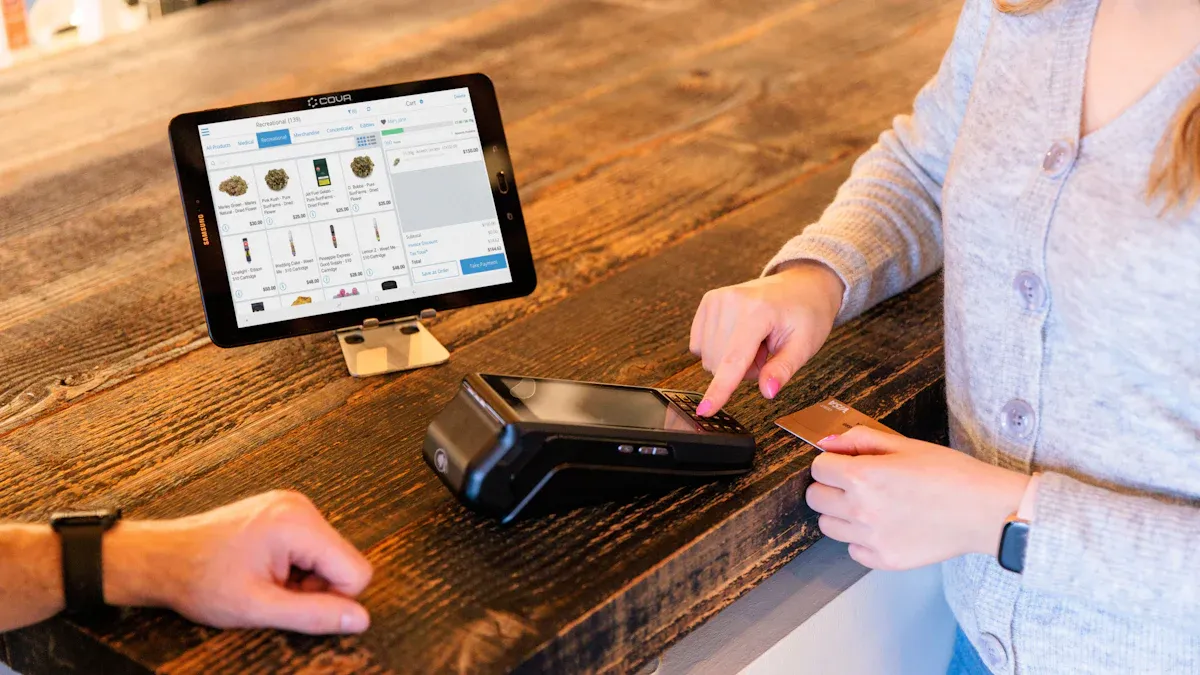
You see many payment systems in corporate offices. Some companies use traditional card readers and cash registers. Others rely on digital solutions like online payment portals and mobile apps. These systems have evolved to support autonomous retail environments. You now find advanced technologies such as AI and machine learning in payment systems. These tools allow transactions without human help. Payment systems use tokenized payments to protect sensitive data. Real-time processing gives instant authorization. Orchestration layers help route transactions intelligently.
Rise of Digital and Contactless Payments
Digital and contactless payments are growing fast in corporate offices and tech parks. You notice more employees using mobile wallets and contactless cards. The pandemic and new technology have pushed this change. Here is a table showing the growth of card payments:
Year | Card Payment Share | Total Value of Card Payments (Trillions) |
|---|---|---|
2016 | 45% | 5.46 |
2021 | 57% | 9.77 |
2027 | N/A | 3,527 (projected) |
Digital payments have increased because e-commerce revenue grew by 22.7% in 2020. In-person cash usage dropped by 7%, while mobile payments rose by 3%. The user base of mobile payment apps jumped from 92.3 million to 101.2 million. Widespread smartphone use and smart city programs also drive contactless payment adoption. Digital wallet use among parking users is rising by 27% each year. Contactless payments are expected to reach nearly $10 trillion globally by 2027.
PayTech Ecosystems
PayTech ecosystems help you integrate autonomous stores with existing payment systems. These ecosystems combine traditional and digital currencies in one interface. You get intelligent transaction routing, which improves approval rates by up to 10%. Businesses that accept cryptocurrency see a 40% increase in cross-border transactions. User assurance is important because 52% of online shoppers abandon purchases if they feel the payment process is insecure. Zero-stress payment solutions reduce cart abandonment by 68%. PayTech ecosystems make payments smooth and secure, supporting many payment options for employees and visitors.
Challenges and Opportunities to Integrate Autonomous Stores
AI and System Compatibility
When you integrate autonomous stores, you face several technical and operational challenges. Many companies struggle with making AI systems work smoothly with existing technology. Here is a table that shows some of the most common issues:
Challenge Type | Description |
|---|---|
Accuracy of Product Detection and Billing | Systems may misidentify products or fail to register purchases, leading to customer dissatisfaction. |
Customer Adoption and Understanding | Hesitance from customers due to privacy concerns and a lack of understanding of the technology. |
High Initial Investment and Operational Costs | Significant upfront and ongoing costs for hardware, software, and maintenance. |
Technical Glitches and Downtime | Software bugs and network outages can disrupt service and lead to operational challenges. |
Inventory Management Challenges | Maintaining accurate inventory in real-time can be difficult, especially with fast-moving items. |
Data Privacy and Security Concerns | Extensive data collection raises privacy issues and the need for robust security measures. |
Shrinkage and Fraud | Vulnerabilities in the system may be exploited by shoplifters, leading to potential losses. |
You can address these challenges by viewing autonomous retail as an ongoing process. Regularly train your AI models and update your software. Always monitor performance and fix issues quickly. Start with a pilot store to test new technology before a full rollout.
Security and Compliance
Security and compliance are top priorities when you integrate autonomous stores with payment systems. You must protect sensitive data, such as credit card numbers and payment information. Compliance with the Payment Card Industry Data Security Standard (PCI DSS) helps you defend against data breaches and avoid fines.
Ransomware attacks may disrupt your payment systems.
Outdated or unpatched systems can create vulnerabilities.
You should use strong encryption and keep your systems updated. Always follow global regulations to keep your business safe.
User Experience and Cost Efficiency
User experience shapes how employees and visitors feel about autonomous stores. You want a system that is easy to use and reliable. Focus on seamless design and clear communication about how the technology works. Keep a human element for support when needed.
Cost efficiency is also important. High initial investments can be a barrier, but you can lower costs by starting small and scaling up. Use data analytics to find ways to improve efficiency and reduce waste. Forming internal task forces with cross-functional teams helps you solve problems faster and make better decisions.
Tip: Always listen to user feedback and look for ways to improve your system. Continuous optimization leads to better results for everyone.
Implementation Best Practices
Task Force and Stakeholder Collaboration
You need a strong team to guide your payment system integration. Form an internal task force with members from IT, finance, HR, and operations. Each department brings unique skills and insights. Stakeholder collaboration helps you solve problems faster and keeps everyone informed. You gain real-time visibility of financial operations, which improves communication and control. Streamlined processes across departments ensure compliance and efficiency. You also connect to over 11,000 banks, making it easier to work with partners.
Benefit Description | Impact on Payment System Integration |
|---|---|
Real-time visibility of financial operations | Enhances communication and control over payment management |
Streamlined processes across departments | Ensures compliance and efficiency in payment systems |
Connectivity to over 11,000 banks | Facilitates integration with various financial entities and partners |
Tip: Hold regular meetings with your task force. Share updates and address challenges quickly.
Scalability and Continuous Improvement
You want your payment system to grow with your business. Use these strategies to ensure scalability and ongoing improvement:
Design a consistent shopping experience. Make sure every store feels the same to users.
Develop comprehensive applications. Create apps that guide customers and support multiple functions.
Deploy a seamless payment system. Accept many payment methods for convenience and efficiency.
Leverage scalable technological platforms. Use cloud services like Microsoft Azure or AWS for flexibility and power.
Note: Always review your system and update it as your needs change. Continuous improvement keeps your stores running smoothly.
Vendor Selection
Choosing the right vendor is important for success. Vendor partnerships help you integrate new technologies, lower costs, and encourage innovation. Many retailers and tech companies work together to improve autonomous checkout solutions. This teamwork leads to better integration of hardware, software, and payment systems. You benefit from scalable solutions and standardization. Smaller retailers also save money and gain access to advanced technology.
Tip: Compare vendors based on reliability, support, and their ability to scale with your business.
You can integrate autonomous stores with payment systems by following clear steps. This process improves efficiency and user satisfaction. See the table below for key benefits:
Benefit | Description |
|---|---|
Streamlined Transactions | Automatic billing and real-time tracking reduce transaction times. |
Reduced Wait Times | You exit quickly without stopping at a cashier. |
Multiple payment options make shopping easier and more enjoyable. |
To start, follow these steps:
Plan and select vendors.
Set up infrastructure and integrate systems.
Train staff and test the setup.
Launch and optimize the store.
You should keep customers informed, provide support, and update your systems often.
FAQ
How do you start integrating an autonomous store with your payment system?
You begin by assessing your current payment setup. Choose compatible technology. Form a team with IT, finance, and operations. Test the integration with a pilot project before expanding.
What payment methods can you support in autonomous stores?
You can support credit cards, mobile wallets, access cards, and even cryptocurrencies.
Tip: Always check what your employees prefer to use.
How do you keep payments secure in autonomous stores?
You use tokenization, encryption, and biometric verification.
Update your software often.
Train your staff on security best practices.
What should you do if employees have trouble using the autonomous store?
You provide clear instructions and offer support.
Place help guides near the store.
Set up a contact point for questions.
See Also
Exploring Global Automated Retail: Micromarkets Versus Smart Stores
Modern Retail Benefits: AI-Driven Combo Vending Machine Features
The Future Of Retail: AI-Driven Store Innovations
Cloudpick's Role In Delivering Cashier-Free Store Convenience
