Is cashierless retail here to stay or just a passing trend

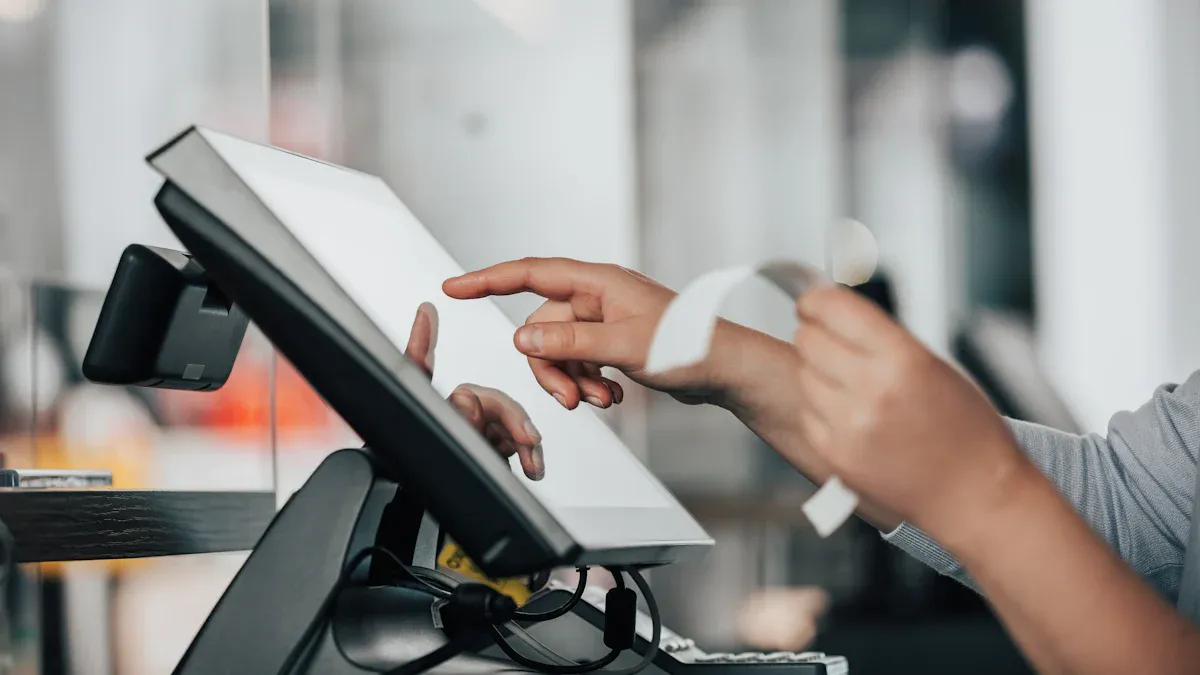
You see cashierless retail getting bigger quickly. AI helps stores work better and makes shopping easier for you. Computer vision watches what you do and what you pick up right away. Machine learning makes sure your online cart is correct. These tools help stores keep track of items and make your visits special. As stores use more automation, you might see jobs change and worry about privacy. Think about how this new way to shop could change your day.
Key Takeaways
Cashierless retail makes shopping quick and easy. You can pick up things and go without standing in line.
AI and technology make shopping feel special for you. Stores show you items you might like, so your trip feels different from others.
Some people worry about privacy with cashierless systems. Stores keep track of what you buy, and this can bother some shoppers.
Jobs are affected a lot. Automation could mean fewer cashier jobs, so workers may need to learn new things or do other jobs.
The future for cashierless retail seems good. More people will use it as technology gets better and stores grow.
What Is Cashierless Retail
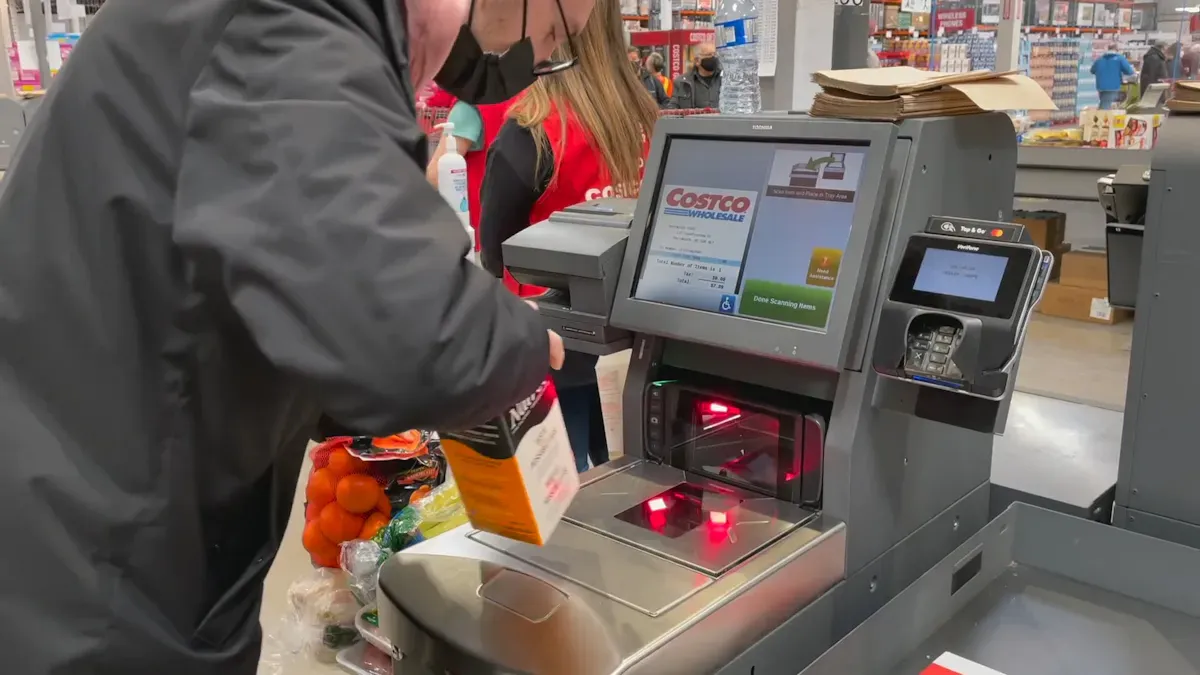
Cashierless retail is a new way to shop. You do not have to wait in line or talk to a cashier. You just walk in, grab what you want, and leave. The store uses technology to see what you take and charges you by itself. This is not like old stores, where you pay a cashier before you go. Cashierless retail lets you shop and pay without stopping at a checkout counter.
How It Works
You get into a cashierless retail store by scanning your phone or using an app. Sensors and cameras watch what you pick up as you shop. The system puts each item in your virtual cart. If you put something back, it takes it out of your cart. When you are done, you just walk out. The store charges your account for what you took. You get a receipt on your phone. This way, shopping is faster and easier.
Key Technologies
Many smart tools help cashierless retail work well. Most systems use these main technologies:
Product tracking and detection
Artificial intelligence and machine learning
Smart shelves
Data analytics and cloud computing
Customer interaction interfaces
RFID technology
Computer vision
Mobile payment systems
IoT (Internet of Things)
Weight sensors and smart shelves
Real-time analytics
Surveillance systems
These tools help track products and see what you do. They make sure you pay for what you buy. They also help stores know what you like and keep shelves full. Cashierless retail uses these technologies to make shopping fast and easy for you.
Benefits of Cashierless Retail
Convenience and Speed
You want shopping to be quick and easy. Cashierless retail gives you that. When you enter these stores, you do not have to wait in long lines. You can pick up what you need and leave right away. Smart cameras and sensors track your items, so you skip the checkout process. This saves you time, especially during busy hours. Many shoppers say these stores make shopping feel smooth and stress-free.
You avoid long queues and crowded checkout counters.
You do not need to scan each item yourself.
The store charges you automatically, so you get your receipt on your phone.
You spend less time in the store, which helps you fit shopping into your busy day.
Retailers also benefit. They can lower their labor costs by up to 40%. Stores like Amazon Go spend less on staff, which can lead to lower prices for you. These systems help stores run better and keep shelves stocked.
Personalization and Efficiency
Cashierless retail uses artificial intelligence to make your shopping experience special. AI learns what you like by looking at your past purchases and shopping habits. The store can suggest products you might enjoy or need. Sometimes, you see these suggestions on digital screens or in the store’s app.
AI systems understand your preferences and offer personalized recommendations.
The store can show you deals or new products based on your interests.
You get a shopping trip that feels made just for you.
Stores also become more efficient. Staff can focus on helping you or keeping the store clean instead of working at the register. Automated systems track inventory, so you find what you need more often. This model helps stores grow without hiring more people during busy times. You get faster service, and the store runs smoothly.
Challenges and Concerns
Theft and Security
You might ask if cashierless stores are safe from theft. These stores have new security problems. Some common issues are:
Employees stealing from the store
People making mistakes when scanning items
Cybersecurity threats that attack store systems
Self-checkout and cashierless systems can make stealing easier. Studies show almost 39% of grocery store losses come from self-checkout lanes. Theft rates can be five times higher than stores with cashiers. Some people steal because there are no cashiers watching.
Stores use new tools to stop theft. TruScan uses cameras to see items you forget to scan. It gives alerts with sounds and lights. This helps remind you to pay for everything. These systems try to stop both mistakes and stealing.
Autonomous stores have big problems. These include vision tracking issues, sensor scaling, theft prevention, and real-time data processing.
Technology helps, but it is not perfect. Some systems work well in small stores. They may not work as well in bigger stores with more shoppers. High costs and technical limits can slow down how fast stores use these systems.
Privacy Issues
You might worry about your privacy in cashierless stores. These systems collect lots of data about you. Cameras watch what you do. Sensors track what you pick up and put back. The store uses this data to charge you and suggest products.
Many shoppers feel uneasy about how stores use their data. A study found that even though cashierless systems make shopping easier, privacy worries can stop people from using them. You may not trust these systems if you do not know how they use your information.
Not knowing how stores use your data can hurt trust.
If stores do not explain their technology, you may feel unsure about your privacy.
Clear communication helps you feel safer and more willing to try new shopping methods.
Job Impacts
Cashierless retail changes how stores hire and use workers. Cashiers have a high risk of losing their jobs to machines. Experts say cashiers have an 88% chance of being replaced by automation. By 2033, cashier jobs in the U.S. could drop by over 350,000.
Big stores like Walmart and Amazon use more self-checkout and cashierless stores. This means fewer cashier jobs. Some workers may find new roles, but many will need to learn new skills or look for other jobs.
You may see fewer cashiers in stores as technology grows. This change can affect families and communities that depend on these jobs. It is important to think about how automation changes the future of work.
Adoption and Real-World Examples
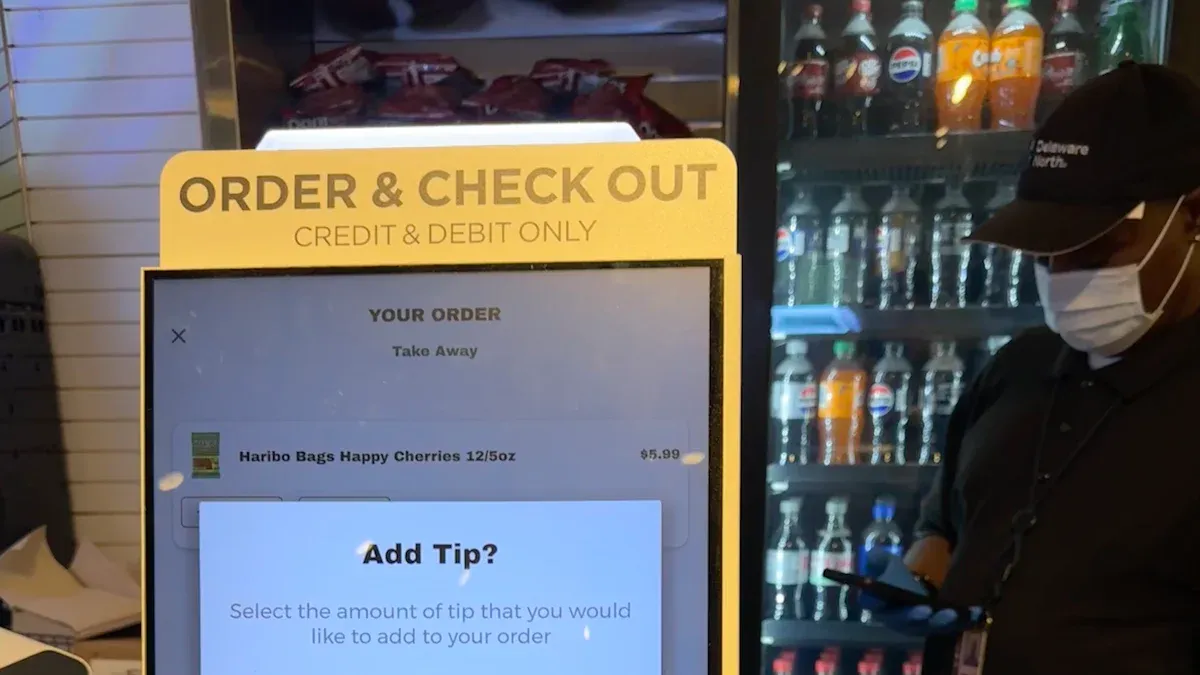
Leading Brands
Many big brands are using cashierless retail now. Amazon Go lets you walk in, take things, and leave without waiting in line. Sam’s Club has the Scan & Go app. You scan items with your phone and pay in the app. Walmart and 7-Eleven are also trying stores with no cashiers. In Asia, Alibaba’s Hema stores use smart carts and facial recognition for fast shopping. These brands show how technology can change your shopping trip.
Consumer Response
Most shoppers want new ways to check out. About 80% of people like having more checkout choices. Young adults use cashierless stores more than older people. Around 21% of people aged 18 to 34 shop this way. Only 6% of older adults do. You might like how fast and easy these stores are. Many customers feel happy with quick checkouts and simple shopping. Some people worry about privacy. About 19% feel nervous when stores track what they do. Older shoppers sometimes find digital payments hard to use. Some customers still want to talk to a real person.
Here is what affects customer satisfaction:
Factor | Impact on Customer Satisfaction |
|---|---|
Performance Expectancy | Positive |
Effort Expectancy | Positive |
Customer Empowerment | Positive |
Overall Experience | Positive |
Data Privacy Concerns | Negative |
Note: Many shoppers like having control over their shopping, but some still worry about privacy.
Market Trends
Cashierless retail is growing fastest in North America. Over 40% of the market is there. Europe has about 30%, with the UK, Germany, and France leading. Asia-Pacific has around 20%, but it is growing quickly. China, Japan, and South Korea are helping it grow. Cities and tech-friendly shoppers make this growth faster. More pilot programs and new stores open every year. Retailers say customers are happier and stores run better. As more people try these stores, you might see one near you soon.
Future Outlook for Cashierless Retail
Market Growth
Cashierless retail will get bigger in the next ten years. Experts say self-checkout systems will be worth $5.9 billion by 2026. By 2035, this could grow to $18.8 billion. Retail stores will lead this growth, reaching $2.57 billion in 2025. The market will grow about 13.7% each year from 2026 to 2035.
More stores will use cashierless systems as they buy new technology.
You will see these systems in cities and busy shopping places.
When technology costs less, small stores can use it too.
Experts think better AI visual technology will make things cheaper. This will help more stores use cashierless systems. You will see these stores in more places, not just big cities.
Innovations Ahead
Cashierless retail will have many new features soon. Stores will let you pay in different ways. Real-time inventory updates will help you find items fast. Screens will show brands and ads while you shop. New tools will help stop theft and mistakes.
AI and machine learning will make shopping better for you. These tools will help stores work well and give you personal suggestions. You will check out faster and make fewer mistakes.
Virtual fitting rooms will be a big part of shopping. These rooms use AI, AR, and 3D body scanning. You can see how clothes or shoes fit before buying. This helps you feel sure and lowers returns. As more people shop online, these features will help stores compete.
Tip: Try a virtual fitting room if you see one. It can make shopping for clothes easier and more fun.
Mainstream or Niche?
You might wonder if cashierless retail will be everywhere or just in some places. Many things will decide this:
New technology like AI-powered checkout and smart shelves will help stores work better.
If you trust and like these stores, more will open.
Stores must follow data protection laws and use AI fairly.
Cybersecurity matters. If stores keep your data safe, you will feel better using them.
Experts think as technology gets better and cheaper, more stores will use cashierless systems. You will see these stores in more places, and they will offer new services like better inventory tracking and supply chain management.
If you like fast and easy shopping and trust the technology, cashierless retail could become normal for you. If people worry about privacy or security, these stores may stay in big cities or tech-focused areas.
Cashierless retail is changing the way you shop today. It makes checking out faster and gives you more personal help. But there are new problems, like worries about privacy and trust. What happens next depends on new technology, what shoppers want, and how much stores spend. Look for these trends:
More tools using AI and new ways to pay
Shopping styles that work for everyone
Stores working to keep shopping safe and private
Benefit | Challenge |
|---|---|
Fast and simple shopping | |
Shopping made for you | Worries about privacy |
Keep learning as stores try new things to make shopping better for you.
FAQ
What happens if you pick up an item by mistake?
You can put the item back on the shelf. The system will remove it from your virtual cart. You only pay for what you take with you.
Do you need a smartphone to shop in cashierless stores?
Most cashierless stores ask you to use a smartphone app. Some stores let you use a card or a special code. Always check the store’s rules before you shop.
How do cashierless stores keep your data safe?
Stores use strong security tools to protect your data. They follow privacy laws and use encryption. You can ask the store how they handle your information.
Will cashierless stores replace all cashiers?
You will still see some cashiers in many stores. Cashierless systems help with speed, but some shoppers want human help. Stores may offer both options for you.
See Also
Transforming Your Store With Cashierless Convenience Solutions
Upcoming Changes to Walmart Self-Checkout in 2025
The Future of Retail: Embracing AI-Powered Stores
Walgreens Self-Checkout: Benefits and Retail Challenges Explored
