Key KPIs to track for autonomous store success in Corporate offices & tech parks.


You face unique challenges with autonomous retail solutions in tech parks and corporate offices. You must define clear objectives that align with your goals. When you track metrics that matter, you boost performance and customer satisfaction. Key KPIs and key performance indicators help you measure success and improve financial performance monitoring. Use data to define clear objectives, drive retail growth, and optimize your metrics for better outcomes.
Key Takeaways
Track foot traffic metrics to understand customer visits. Use this data to optimize staffing and inventory during peak times.
Monitor the repeat visitor rate to build customer loyalty. Personalize offers to retain customers and increase long-term revenue.
Evaluate average transaction value to assess upselling strategies. Adjust promotions based on this metric to boost revenue.
Use retail KPI dashboards for real-time insights. Regularly review metrics to spot trends and make informed decisions.
Focus on customer satisfaction scores to enhance the shopping experience. Gather feedback to identify areas for improvement.
Key KPIs for Store Utilization
Tracking store utilization gives you a foundation for success in autonomous retail environments. You gain insight into how people interact with your store, which helps you make decisions that improve retail performance metrics. When you monitor key KPIs, you understand customer flow, optimize inventory, and adjust staffing. You also create marketing strategies that match real customer behavior. Store utilization metrics help you maximize every square foot and drive performance.
Foot Traffic Metrics
Foot traffic metrics show you how many people enter your store and when they visit. You use people counting software to measure walk-ins versus purchases. This data helps you see which times bring the most visitors and which days need more attention. You can transform foot traffic metrics into actionable insights that impact sales performance. Staff optimization based on peak traffic hours improves customer service and boosts sales. You also link marketing campaigns to foot traffic to assess their real impact on retail performance metrics.
Tip: Use foot traffic metrics to identify slow periods. You can launch targeted promotions or adjust inventory to match demand.
Peak Hours KPI
Peak hours KPI tells you when your store gets the most visitors. You track these metrics to plan staffing and inventory. When you know your busiest times, you allocate staff to improve customer experience and reduce wait times. You also stock shelves with popular items during peak hours. Conversion rates show how well you turn traffic into sales, guiding staffing adjustments during busy periods. You use retail performance metrics to make sure your store runs smoothly during high-traffic times.
You adjust staffing based on customer flow patterns.
You align inventory levels with demand during peak hours.
You schedule marketing campaigns to reach customers when they are most active.
Repeat Visitor Rate
Repeat visitor rate measures how often customers return to your store. This KPI is essential for building loyalty and increasing long-term revenue. Retaining customers costs less than acquiring new ones. Even a small increase in retention can boost profits by up to 95%. Loyal customers buy more often and spend more over time, which strengthens customer lifetime value. Small reductions in churn stabilize revenue and make growth more predictable. You use data from repeat visitor metrics to personalize marketing and improve customer retention.
Note: Focus on repeat visitor rate to create personalized offers and reward loyal customers. This approach increases sales and strengthens your brand.
Store utilization KPIs guide your decisions in autonomous retail settings. You use retail performance metrics to determine optimal inventory levels, adjust staffing, and develop personalized marketing strategies. Monitoring these metrics helps you maximize store space, improve customer experience, and drive performance. You rely on data to make informed choices that support growth and efficiency.
Sales & Revenue Performance Metrics
You need to track sales and revenue performance metrics to understand how your autonomous store operates in a corporate office or tech park. These key KPIs help you measure growth, spot trends, and make smart decisions. When you monitor these metrics, you can improve your store’s layout, product placement, and customer engagement. You also gain insights that drive higher revenue and better retail performance.
Average Transaction Value KPI
Average Transaction Value (ATV) shows you how much each customer spends per visit. This kpi helps you see if your upselling and cross-selling strategies work. When you increase ATV, you boost revenue without needing more customers. You can use data from ATV to adjust product bundles or offer targeted promotions. For example, if you notice ATV rising after a new display, you know your merchandising strategy works. Higher ATV means your store delivers more value with each transaction, which supports long-term performance.
Tip: Track ATV weekly to spot trends early. Use this data to test new offers and measure their impact on sales.
Conversion Rate Metrics
Conversion rate metrics reveal how well you turn visitors into buyers. This kpi is one of the most important key performance indicators for autonomous retail. You calculate conversion rate by dividing the number of purchases by the number of visitors. A high conversion rate means your store layout, product selection, and technology engage customers effectively.
Metric | Definition | Typical Impact |
|---|---|---|
AI Engagement Rate | % of visitors who interact with AI | 20–30% |
AI Conversion Rate | % of engaged visitors who purchase | 10–15% |
Conversion Lift | Improvement vs. non-engaged | 3–4x |
AOV Lift | Increase in average order value | 20–62% |
Revenue Attribution | Sales influenced by AI | Measurable |
When you use AI sales agents, you can see conversion rates jump from 4% to 12%. Average order value can rise from $150 to $185, which is a 23% increase. Monthly revenue can grow from $300,000 to $832,500, showing a 177% lift. These metrics show how technology boosts retail performance and drives growth in autonomous environments.
Sales per Square Foot KPI
Sales per square foot is a kpi that measures how efficiently you use your store space. This metric helps you evaluate your store layout and product placement. A well-organized layout improves customer flow and makes popular products easy to find. When you track sales per square foot, you can see which areas perform best and which need improvement.
You can use this metric to test new displays or rearrange shelves. If sales per square foot increases after a change, you know your strategy works. This kpi helps you maximize every inch of your autonomous store and increase overall performance.
Average Revenue Per Account
Average Revenue Per Account (ARPA) tells you how much revenue each customer or company account generates. In a corporate office or tech park, you may serve both individuals and business accounts. Tracking ARPA helps you identify your most valuable customers and tailor your offerings. You can use this data to create special packages or loyalty programs for high-value accounts. When you focus on ARPA, you drive targeted growth and improve your retail performance.
Identify top accounts for special offers.
Adjust pricing based on account value.
Measure the impact of new services on revenue.
Monthly Recurring Revenue KPI
Monthly Recurring Revenue (MRR) is a key kpi for financial stability in autonomous retail. MRR shows you how much predictable income your store generates each month. This metric helps you plan for the future and spot trends in customer retention. When MRR grows, your business becomes more stable and less dependent on new customers.
MRR reflects steady growth and reliable income.
You can use MRR to measure the success of subscription services or loyalty programs.
If MRR drops, you know to review your retention strategies.
Note: MRR helps you predict long-term revenue and identify strengths or weaknesses in your customer success efforts.
Key Sales & Revenue Metrics Table
Metric | Description |
|---|---|
Lower inventory carrying costs and optimal stock levels | |
Revenue growth | Improved product assortment and placement leading to higher sales |
Time savings | Automation of retail decision-making freeing up employee time |
Standardized data integration | Connecting legacy systems for better operational efficiency |
Predictive analytics | Spotting issues proactively to enhance performance |
You need to track these key KPIs to drive performance and growth in your autonomous store. Use data from these metrics to make informed decisions, optimize your layout, and improve customer experience. When you focus on the right key performance indicators, you set your store up for long-term success.
Inventory Management KPIs
Stock Turnover Rate
You need to track stock turnover rate to measure how quickly your store sells and replaces inventory. This kpi helps you understand if your autonomous retail store keeps products moving or if items sit on shelves too long. High turnover means you use space well and meet customer demand. Low turnover can signal overstocking or poor product selection. Use data from your point-of-sale system to calculate this metric. You can adjust your ordering process based on these insights to improve performance and reduce waste.
Tip: Review your stock turnover rate every month. Fast-moving items may need more frequent restocking to avoid missed sales.
Out-of-Stock Incidents KPI
Out-of-stock incidents can hurt your store’s performance and customer satisfaction. You should monitor this kpi to see how often products run out. Each time a customer cannot find what they want, you risk losing a sale and damaging your brand. Autonomous retail stores rely on real-time data to track inventory levels. Set alerts for low stock so you can act quickly. Fewer out-of-stock incidents mean better service and higher sales.
Track which products run out most often.
Use metrics to spot trends and adjust your inventory plan.
Respond fast to keep shelves full and customers happy.
Shrinkage and Loss Prevention Metrics
Shrinkage refers to inventory loss from theft, errors, or damage. In autonomous environments, you must use metrics to monitor shrinkage and protect your assets. Loss prevention strategies include cameras, sensors, and regular audits. Analyze data to find patterns and weak spots in your process. Strong loss prevention improves your store’s performance and protects your bottom line.
Shrinkage Source | Example | Prevention Method |
|---|---|---|
Theft | Shoplifting | Security cameras |
Errors | Miscounts | Regular audits |
Damage | Broken items | Staff training |
You can use these inventory management kpis to keep your autonomous retail store running smoothly. Reliable data and clear metrics help you make smart decisions, improve performance, and support growth.
Customer Experience KPIs
Dwell Time Metrics
You track dwell time metrics to understand how long customers spend in your autonomous retail store. This kpi helps you measure customer experience and satisfaction. When you analyze data from proximity tracking, you see movement patterns and identify areas where customers linger. You use this information to optimize product placement and improve customer flow. If customers spend more time near promotional displays, you know your marketing strategies work. Dwell time metrics also highlight service bottlenecks, allowing you to set goals for better performance.
Proximity tracking reveals customer movement patterns.
Measuring dwell time in specific areas shows customer interest.
Analyzing behavior through movement data improves store layout and increases sales.
Customer Satisfaction Score (CSAT)
Customer satisfaction score is a kpi that measures how happy customers feel after visiting your store. You collect data through surveys or feedback forms. High satisfaction scores indicate strong customer experience and successful retail operations. You use these metrics to set goals for improvement and track performance over time. When satisfaction drops, you review your processes and make changes to meet customer needs. Customer satisfaction scores help you understand what drives loyalty and repeat visits.
Tip: Ask customers for feedback after each visit. Use their responses to improve satisfaction and reach your goals.
Net Promoter Score (NPS)
Net Promoter Score is a kpi that reflects customer loyalty and satisfaction in autonomous retail environments. You ask customers if they would recommend your store to others. NPS connects customer sentiment to business outcomes. Promoters spend more, stay longer, and refer new customers, showing strong loyalty. Companies with high NPS scores see lower churn rates, which helps maintain a loyal customer base. NPS provides valuable feedback and helps you understand customer happiness with your products and services.
NPS measures willingness to recommend your business.
It differentiates between promoters, passives, and detractors.
High NPS scores reflect a healthy organization that prioritizes customer experience.
Issue Resolution Time KPI
Issue resolution time is a kpi that tracks how quickly you solve customer problems. Fast resolution improves satisfaction and enhances customer experience. You monitor this metric to set goals for response times and measure performance. When you resolve issues quickly, you build trust and encourage repeat visits. Use data from customer interactions to identify common problems and streamline your support process.
Note: Short issue resolution times lead to higher satisfaction and better customer experience in autonomous retail stores.
Operational Efficiency & Retail KPI Dashboards
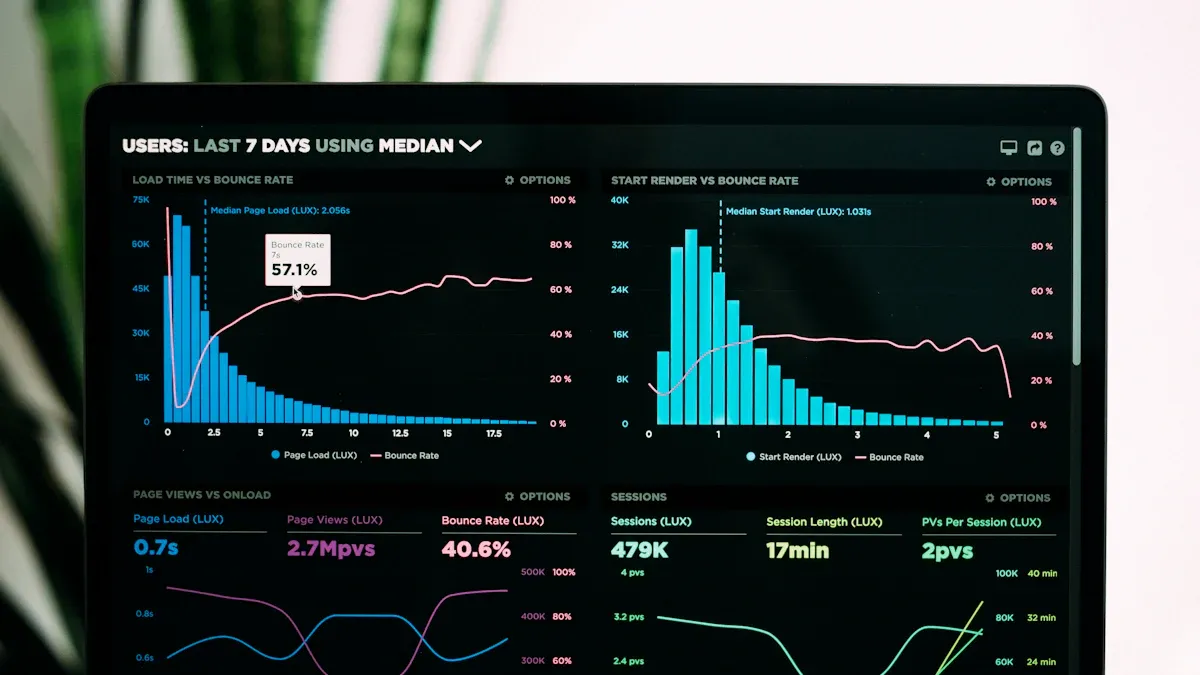
You need to focus on operational efficiency to keep your autonomous store running smoothly. Retail kpi dashboards give you real-time insights into every part of your operation. When you use a dashboard, you see how your systems perform, spot issues early, and make quick decisions. These dashboards help you track efficiency, reduce costs, and improve customer satisfaction. You can view all your metrics in one place, which makes it easier to act on data and drive better outcomes.
System Uptime Metrics
System uptime metrics show how often your store’s technology stays online and available. High uptime means your store runs without interruptions. You want to avoid downtime because it can frustrate customers and hurt your reputation. Uptime and availability are not the same. Uptime measures how long your systems work, while availability includes both uptime and planned maintenance. If you only look at uptime, you might miss hidden problems that affect customer experience. This is known as the watermelon effect—metrics look good on the surface but hide deeper issues. You need proactive monitoring on your dashboard to catch problems fast and keep your store reliable. When you track uptime, you protect your brand and keep customers happy.
Tip: Use retail kpi dashboards to monitor both internal and external systems. This helps you spot outages quickly and keep your store running.
Maintenance Response KPI
Maintenance response kpi measures how fast you fix problems when they happen. Quick responses keep your store efficient and prevent small issues from becoming big ones. You should set clear goals for response times and track them on your dashboard. Fast maintenance means less downtime and better customer experiences. When you use retail kpi dashboards, you get alerts right away. This lets you act fast and keep your store at peak efficiency.
Set response time targets for your team.
Use dashboard alerts to speed up repairs.
Review response data to find ways to improve.
Cost per Transaction KPI
Cost per transaction kpi tells you how much you spend each time a customer makes a purchase. Lower costs mean higher efficiency and better profits. You can use retail kpi dashboards to track this metric and find ways to save money. When you see costs rising, you can dig into the data for insights. Maybe you need to adjust staffing or update equipment. Dashboards help you compare costs across different times and locations. This gives you the insights you need to boost efficiency and performance.
KPI | What It Shows | Why It Matters |
|---|---|---|
System Uptime | Store reliability | Keeps customers satisfied |
Maintenance Response | Speed of repairs | Reduces downtime |
Cost per Transaction | Spending per sale | Improves efficiency and profit |
Retail kpi dashboards bring all your insights together. You can see every metric, track efficiency, and make smart decisions. When you use a dashboard, you turn data into action and keep your autonomous store ahead of the curve.
User Engagement & Technology Metrics

App Usage Rate KPI
You need to track how often customers use your store’s app. This metric shows how well your digital tools support the autonomous shopping experience. High app usage means customers find value in your technology. You can use this data to improve features and fix problems quickly. When you see a drop in usage, you know it is time to review your app’s design or add new functions. App usage rate helps you measure the impact of digital engagement on retail performance.
Tip: Send push notifications to remind users about new products or special offers. This can boost app engagement and drive more visits to your autonomous store.
Self-Checkout Success Rate
Self-checkout success rate measures how often customers complete purchases without help. This metric is vital for autonomous retail because it shows if your technology works smoothly. High success rates mean your system is easy to use. Low rates may signal confusing steps or technical issues. You should review this data to spot trends and fix problems fast. Improving self-checkout performance leads to happier customers and fewer staff interventions.
Metric | What It Tells You |
|---|---|
Self-Checkout Success | Ease of use and reliability |
Failure Rate | Areas needing improvement |
User Engagement Metrics
User engagement metrics help you understand how customers interact with your store’s technology. You can track actions like scanning products, browsing digital shelves, or using loyalty features. These metrics reveal which parts of your autonomous retail experience attract the most attention. You use this data to refine your layout and add features that keep customers interested. Strong engagement leads to better performance and higher sales.
Track which features get the most use.
Analyze engagement patterns to improve store design.
Use feedback to guide technology upgrades.
You should monitor these metrics to keep your autonomous retail store ahead of the curve. Data-driven decisions help you deliver a seamless experience and boost overall performance.
Financial & Marketing KPIs
You need to track financial and marketing KPIs to reach your goals in autonomous retail. These metrics help you evaluate roi for autonomous retail and measure profitability. When you set clear objectives, you can see how each customer adds value to your business. You use financial performance indicators to guide your decisions and improve your results. Retail KPI dashboards let you visualize these numbers and make better choices.
Customer Acquisition Cost (CAC)
Customer Acquisition Cost shows how much you spend to gain a new customer. You calculate CAC by dividing your total marketing costs by the number of new customers. This metric helps you evaluate roi for autonomous retail and set goals for spending. Lower CAC means you use your resources well and improve profitability. You compare CAC with customer lifetime value to see if your marketing brings long-term gains. Use dashboards to track CAC over time and adjust your strategies.
Tip: Set objectives to lower CAC each quarter. This helps you reach your goals and boost profitability.
Revenue and Cost-Efficiency Metrics
You must focus on revenue and cost-efficiency metrics to evaluate roi for autonomous retail. These financial performance indicators show how well you turn sales into profit. You track revenue growth, cost per sale, and margin to measure profitability and margin analysis. When you see rising costs, you review your process and set new goals. Retail KPI dashboards display these numbers side by side, making it easy to spot trends and take action.
Metric | What It Measures | Why It Matters |
|---|---|---|
Revenue Growth | Sales increase | Shows progress toward goals |
Cost per Sale | Expense per transaction | Helps evaluate roi for autonomous retail |
Margin Analysis | Profitability | Supports profitability and margin analysis |
Average Deal Value KPI
Average Deal Value tells you how much revenue you earn from each customer transaction. You use this KPI to evaluate roi for autonomous retail and set objectives for sales teams. Higher deal values mean better profitability and margin analysis. You track this metric to see if your offers match your goals. Retail KPI dashboards let you compare deal values across products and time periods. This helps you focus on the best opportunities and improve financial performance indicators.
Note: Use Average Deal Value to set goals for your team. This drives profitability and supports your objectives.
You need to monitor these financial performance indicators to reach your goals and improve profitability. Retail KPI dashboards give you the data you need to evaluate roi for autonomous retail and make smart decisions.
You drive autonomous retail success by tracking the right metrics. Regular monitoring helps you boost profitability and improve customer experience. Use retail KPI dashboards to turn data into actionable insights. Build a system that fits your office or tech park.
Review your roi and performance often.
Adjust your strategies to maximize results.
Take action now. Assess your current KPI tracking and enhance your approach for better outcomes.
FAQ
What are the most important KPIs for autonomous stores in offices and tech parks?
You should focus on foot traffic, conversion rate, average transaction value, stock turnover, and customer satisfaction. These KPIs help you measure store performance, customer engagement, and operational efficiency.
How often should you review your KPI dashboards?
You should review your KPI dashboards daily or weekly. Frequent checks help you spot trends, address issues quickly, and keep your store running smoothly.
How can you reduce out-of-stock incidents in an autonomous store?
Tip: Set up real-time inventory alerts. You can use automated systems to track stock levels and restock popular items before they run out. This approach keeps shelves full and customers satisfied.
Which KPI best measures customer loyalty?
Net Promoter Score (NPS) gives you a clear view of customer loyalty. The table below shows how you can interpret NPS results:
NPS Score Range | Customer Type |
|---|---|
9–10 | Promoter |
7–8 | Passive |
0–6 | Detractor |
See Also
Understanding AI-Driven Convenience Stores: Essential Insights for Retailers
The Future of Retail: Embracing AI-Enhanced Store Solutions
Comparing Micromarkets and Smart Stores: Global Automated Retail Insights
Transforming Online Retail Management with AI-Driven E-Commerce Tools
Enhancing Workplace Efficiency with Intelligent Vending Solutions for Offices
