Key technology requirements for autonomous retail in Universities & campus retail.

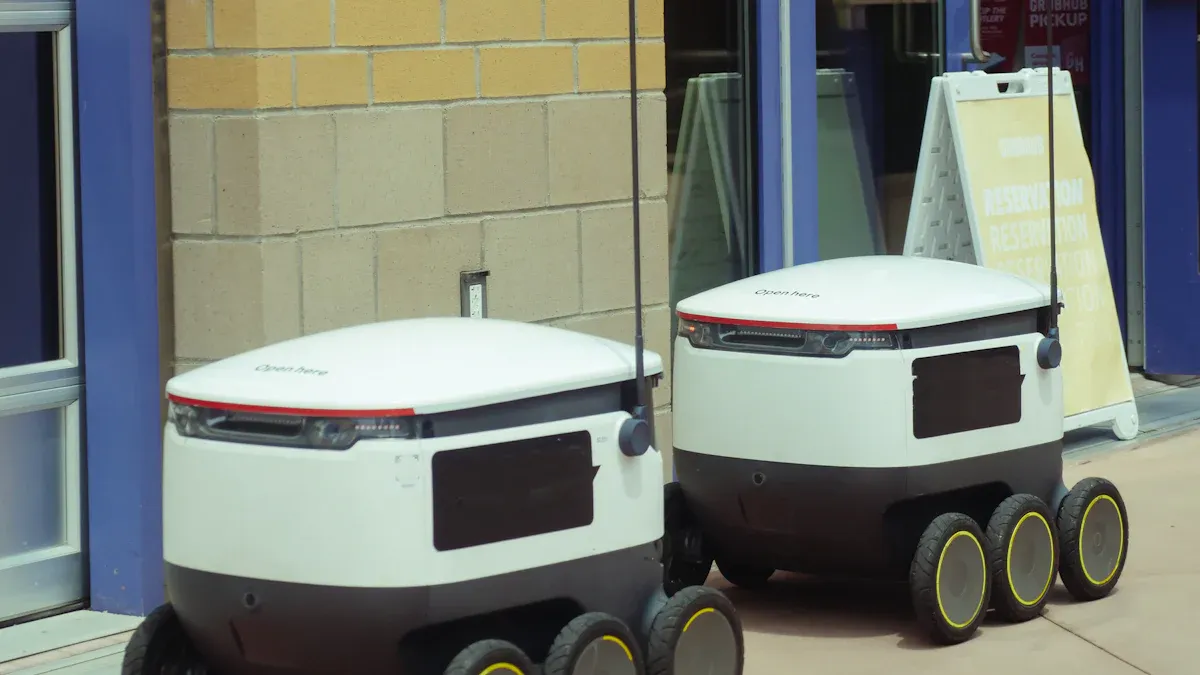
You see new technology changing how you shop every day. On your campus, autonomous retail brings both excitement and challenges. You might notice high costs or staff who worry about new systems. You can solve these problems with creative solutions. For example, subscription plans make costs easier to manage. Involving staff in changes helps everyone adjust. You can check the table below to see how common problems get solved.
Challenge | Solution |
|---|---|
High initial cost | Subscription-based solutions spread costs over time. |
Employee resistance to change | Career development and staff involvement help with acceptance. |
Integration with legacy systems | Technology partners support smooth integration and migration. |
Maintaining a personalized experience | AI chatbots and trained staff keep service personal. |
Technical issues | Backup systems and regular updates reduce downtime. |
Key Takeaways
Autonomous retail enhances convenience with 24/7 access, allowing students to shop anytime without long lines.
Implementing Vision AI and IoT improves inventory accuracy and customer service, making shopping faster and more efficient.
Advanced payment solutions like FacePay ensure secure and quick transactions, enhancing the overall shopping experience.
A unified digital platform streamlines operations, helping manage inventory and sales across all campus stores effectively.
Regular maintenance and contingency planning are essential for keeping autonomous systems reliable and safe for users.
Core technologies for autonomous retail
Vision AI and real-time data
You see Vision AI changing the way autonomous stores work on campus. Vision AI helps you with real-time product detection and people-tracking. These systems use cameras and sensors to watch what happens in the store. They track every product and every customer movement. This makes cashier-less shopping possible and keeps the store running smoothly all day and night.
You can look at the table below to see some of the most widely used Vision AI technologies in retail:
Technology | Description | Effectiveness |
|---|---|---|
A real-time object detection algorithm that improves product recognition accuracy in retail environments. | Handles challenging conditions like occlusions and varying lighting effectively. | |
MidState-YOLO-ED | An enhanced self-checkout system integrating YOLOv10 and YOLOv8 innovations. | Increases processing efficiency and product recognition accuracy in real-time. |
Vision AI helps you with real-time product detection and people-tracking in retail. You get accurate inventory tracking and better customer service. These systems also support safety by monitoring store activity and helping with loss prevention. You can trust Vision AI to keep autonomous stores reliable and secure.
IoT and smart-shelf systems
IoT and smart-shelf systems use sensors to track inventory and customer actions. You see these sensors on shelves and in storage areas. They send real-time data to the central system. This helps you know when to restock and what products are running low. IoT makes inventory tracking easy and fast.
Here is a table showing key features of IoT and smart-shelf systems in autonomous retail:
Feature | Description |
|---|---|
Non-interactive | The system operates independently without human supervision, enhancing operational autonomy. |
Real-time tracking of product availability through IoT-enabled smart scales, ensuring up-to-date inventory status. | |
Adjustable thresholds | The ability to modify restocking thresholds based on factors like store traffic and historical sales data, allowing for responsive inventory management. |
You benefit from continuous monitoring and non-stop inventory tracking. Most students and staff agree that IoT improves inventory accuracy. A recent survey showed that 95% of people believe IoT helps with inventory tracking. After using IoT, inventory accuracy in university retail stores improved from 98% to 99.52%. You also get real-time visibility of inventory across all autonomous stores on campus.
RFID for inventory management
RFID technology uses small tags and sensors to track products in real time. You find RFID tags on almost every item in autonomous stores. These tags help with inventory management and make inventory tracking much easier. RFID readers scan the tags and update the system automatically.
You should know about the costs of RFID systems in campus retail:
Initial equipment costs depend on the type of RFID (passive or active) and the size of your store.
Ongoing maintenance costs are part of using RFID technology.
Passive RFID tags are cheap, costing about $0.03 each.
The price of RFID readers has dropped by more than 50% in the last seven years.
RFID systems help you save on labor costs and improve inventory management, which can balance out the initial investment.
RFID gives you fast and accurate inventory tracking. You can restock shelves quickly and avoid running out of popular products. RFID also helps with people-tracking in retail, making sure every customer gets the right service.
Advanced payment solutions
You experience advanced payment solutions in autonomous retail every day. These systems use sensors and AI to make cashier-less shopping possible. You can pay with your face, phone, or card. FacePay, a facial recognition payment system, is now common in campus autonomous stores. This technology uses biometric verification to keep your payments safe and fast.
FacePay speeds up checkout and makes shopping easier for every customer.
Biometric verification reduces fraud and keeps your information secure.
You get a better customer experience with quick and easy payments.
Advanced payment solutions help you enjoy 24/7 access to autonomous stores. You can shop anytime, and the system keeps your data safe.
Robust data architecture
A strong data architecture supports every part of autonomous retail. You need a system that can handle real-time product detection, inventory tracking, and people-tracking. The data system connects all sensors, cameras, and devices in the store. It collects and analyzes data to help you make smart decisions.
You get these benefits from a robust data architecture:
Real-time inventory tracking and management across all autonomous stores.
Fast response to customer needs and product demand.
Reliable and safe operations, even during busy times.
Easy integration with other campus systems for better service.
A strong data system keeps your autonomous retail environment running 24/7. You can trust it for reliability, safety, and efficiency. With AI-driven retail systems, you get the best results for both customers and staff.
Integration across campus retail
Unified digital platforms
You need a unified digital platform to connect all your campus retail units. This platform lets you see every store, every product, and every customer in one place. Unified dashboards help you manage inventory tracking, sales, and customer service. You can reduce errors and improve compliance. The unified monitoring market keeps growing because more schools want this kind of integration.
A unified digital platform makes your work easier. You can plan better, train staff, and make sure everyone uses the same system.
Best practices for integration include:
Careful technology integration with your current systems.
A strong change management plan to help staff accept new tools.
Training for employees so they feel ready for new workflows.
When you use a unified platform, you can see results like higher sales and better customer experiences.
Real-time inventory synchronization
Real-time inventory synchronization helps you keep track of every product across all campus stores. You do not need to count items by hand. The system updates inventory tracking as soon as a customer buys something. This automation reduces mistakes and gives you instant stock information.
You get immediate visibility into inventory levels.
You can restock popular items before they run out.
Data-driven insights help you spot fast-moving products and improve service.
Real-time inventory tracking means you always know what you have and what you need. This keeps customers happy and makes your retail operations smooth.
Automated operations
Automated operations use technology to handle tasks like inventory tracking, restocking, and customer service. You can set up alerts for low stock or busy times. The system can even reorder products when inventory runs low. This saves you time and lets you focus on helping customers.
Automated inventory tracking reduces manual work.
You can respond quickly to changes in customer demand.
The system supports 24/7 retail service on campus.
Automation makes your retail stores more efficient and reliable.
Contingency and safety planning
You must plan for problems like system failures or safety issues. Backup systems keep your inventory tracking and customer service running if something goes wrong. Regular updates and safety checks protect your data and your customers.
Always have a plan for emergencies. Test your systems and train your staff to handle issues.
A good contingency plan keeps your autonomous retail environment safe and reliable. You can trust your technology to support both your staff and your customers.
Benefits of autonomous retail for campus
Student convenience and 24/7 access
You can shop at autonomous stores any time you want. These stores stay open 24/7, so you never have to worry about missing out on food, drinks, or other essentials. You do not need to wait in long lines because cashier-less technology makes shopping fast and easy. You finish your shopping in half the time compared to traditional retail. You also see fewer crowds, which makes your experience more comfortable.
You get what you need, even late at night.
You save time because shopping is quick.
You enjoy a smooth customer interaction every visit.
Operational efficiency
You notice that autonomous stores make retail operations much more efficient. Automation handles inventory tracking, restocking, and price updates. Staff can focus on helping customers instead of doing manual tasks. You see instant price changes with electronic shelf labels. Real-time inventory tracking means popular products get restocked before they run out.
Improvement Type | Description |
|---|---|
Reduced Crowd Sizes | Autonomous stores have cut crowd sizes by 51%. |
Decreased Shopping Time | Shopping time has been reduced by half, enhancing the overall experience. |
Labor Savings | Automation reduces the need for manual labor, allowing staff to focus on valuable tasks. |
Instant Price Updates | Electronic shelf labels update prices instantly, cutting operational expenses. |
Improved Inventory Management | Real-time inventory tracking ensures popular products are restocked timely. |
You see revenue grow as much as 3.6 times more than traditional vending. Unit revenue can double, showing the tangible benefits of autonomous retail.
Data-driven insights
You benefit from data-driven insights every day. Autonomous retail systems collect data from sensors and customer interactions. You learn about customer behavior, sales trends, and store performance. This information helps you make smart decisions about pricing, marketing, and staffing. You can also use these insights to find underused spaces on campus and adjust HVAC settings for comfort.
You understand what customers want.
You improve customer interactions and service.
You use data to make your retail space better.
Security and loss prevention
You stay safe in autonomous stores because of advanced security technology. Computer vision uses video analytics to track shopper behavior and spot theft. AI solutions help with product recognition and anomaly detection. Voice security listens for fraud during customer interactions and sends real-time alerts.
Technology | Description | Benefits |
|---|---|---|
Computer Vision | Utilizes video analytics to monitor shopper behavior and detect anomalies. | Enhances loss prevention by identifying theft in real-time and providing actionable insights. |
AI Solutions | Integrates various AI applications for security management. | Offers advanced tracking and anomaly detection to prevent organized retail crime. |
Voice Security | Monitors voice interactions for fraud detection. | Provides real-time alerts and insights into potential threats, reducing shrinkage. |
You trust these systems to keep your inventory safe and protect every customer interaction. You see the value of autonomous retail in creating a secure campus environment.
Implementation for campus autonomous retail
Scalability and flexibility
You need a system that grows with your campus. When you choose a model for autonomous retail, look for one that adapts to different store sizes and user numbers. A flexible business model lets you add new autonomous stores or change layouts without starting over. You should use a technology stack that supports ongoing changes. Microservices architecture helps you adjust your system as your needs change. Some solutions, like AiFi, work with many store formats and do not need a sensor on every shelf. This makes scaling easier and more affordable. You can support many types of shopper journeys with the right model.
Pick a model that works for both small and large user groups.
Make sure your business model can grow without losing quality.
Use technology that lets you change your inventory tracking and sensor setup as you expand.
Maintenance and support
You must keep your autonomous stores running smoothly. Regular maintenance keeps your inventory tracking and sensor systems reliable. Follow these steps for best results:
Step | Description |
|---|---|
1 | Clean work areas and remove unnecessary items. |
2 | Inspect equipment often and look for problems. |
3 | Lubricate machines on a set schedule. |
4 | Tighten bolts and fasteners to prevent issues. |
5 | Standardize cleaning, inspection, lubrication, and tightening. |
6 | Train staff to do basic inspections. |
7 | Review and improve your maintenance model often. |
When you involve staff in maintenance, you give them ownership. This increases reliability and helps your business model succeed.
Privacy and data protection
You must protect student data in autonomous retail. Your model should follow privacy rules like GLBA and FERPA. These laws give students control over their information and require you to share data practices clearly. You need a privacy governance program to manage risks. When you work with third-party vendors, make sure they follow your privacy policy and use strong security controls.
Regulation | Description |
|---|---|
Privacy Governance | Set up a program to manage privacy and protect sensitive data. |
GLBA | Be clear about how you share and protect bank and health data. |
FERPA | Let students change their data and control who sees it. |
Third-Party Vendor Compliance | Make sure vendors follow your privacy rules and use good security. |
Health and safety compliance
You must keep your autonomous stores safe for everyone. Check that your sensor and inventory tracking systems meet health standards. Train staff to handle emergencies and keep the store clean. Update your business model to include regular safety checks. Use ai to monitor for hazards and alert you to problems. Always follow campus health rules and review your safety plan often.
Tip: Regular safety checks and staff training keep your autonomous environment safe and welcoming.
Autonomous deliveries and future trends
Delivery robots and campus logistics
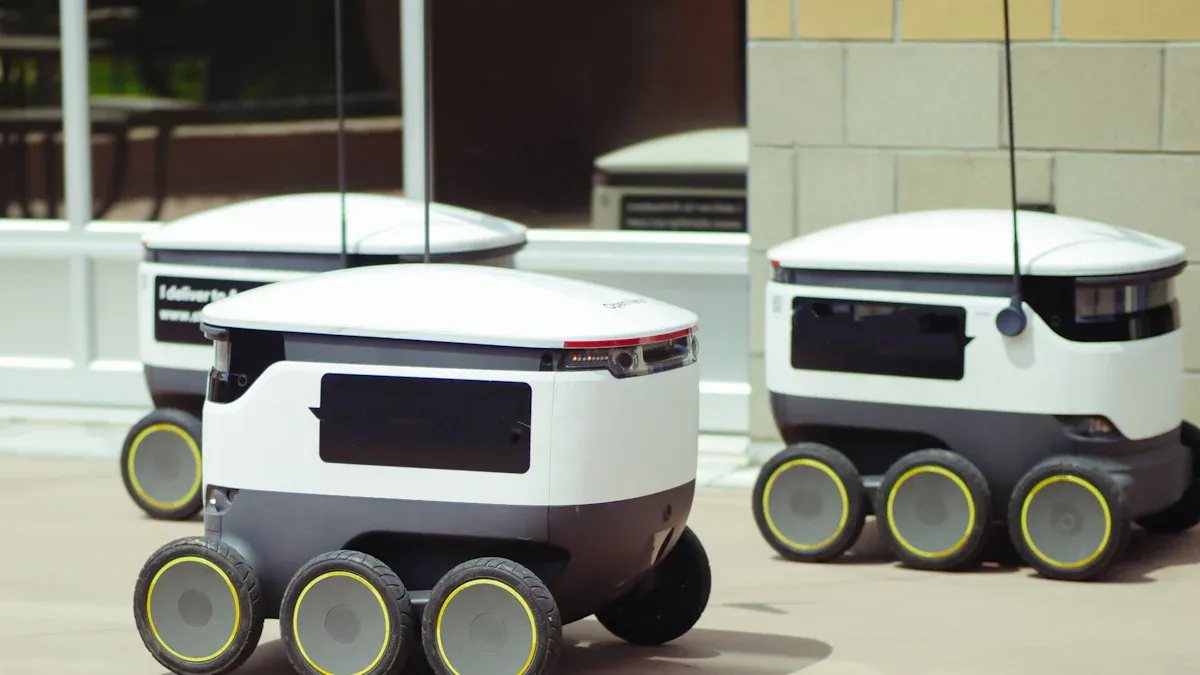
You see autonomous deliveries changing how goods move across your campus. Delivery robots now bring food, groceries, and parcels right to your door. These robots use AI-based navigation systems to find the best routes and avoid obstacles. You notice contactless delivery solutions becoming popular, which keeps everyone safe and reduces human interaction. Robots operate on geofenced paths, so you get precise delivery windows and fewer disruptions.
Universities and hospitals use autonomous robots for campus-based freight services. You benefit from quick restocking and order fulfillment. Robots handle door-to-door deliveries, making your shopping experience smoother. Fleet management software helps monitor robots in real time, improving operational efficiency. You see robots delivering meals, groceries, and even medications. This technology lowers costs per order and boosts customer satisfaction. Autonomous deliveries also support a sustainable future by reducing environmental impact.
Advancement Type | Description |
|---|---|
Contactless Delivery Solutions | Robots deliver goods safely, minimizing human contact. |
AI-Based Navigation Systems | Robots use advanced AI to optimize routes and detect obstacles. |
Deployment in Controlled Environments | Campuses provide predictable layouts for reliable robot performance. |
Use in Food, Grocery, and Healthcare | Robots deliver meals, groceries, and medications efficiently. |
Fleet Management and Cloud Connectivity | Real-time monitoring and management improve delivery reliability. |
Food delivery robots reduce wait times and costs.
Parcel robots make campus logistics more efficient.
Grocery robots appeal to health-conscious students.
Emerging retail technologies
You see the future of autonomous retail shaped by new technologies. Autonomous restaurants use robotics and AI to serve meals anytime. Delivery robots enhance convenience and engagement for students. BGSU adopted Amazon Just Walk Out technology, which improves shopping and creates jobs in retail technology. Starship Technologies at BGSU introduced autonomous food delivery, making campus life easier.
The ETIH Innovation Awards 2026 highlight checkout-free formats, contactless payments, and AI-driven inventory management. These advancements focus on improving convenience and efficiency in campus retail environments. You experience autonomous deliveries as part of future autonomous stores, where technology makes shopping seamless.
BGSU's Amazon Just Walk Out technology creates a better shopping experience.
Starship Technologies brings autonomous food delivery to campus.
Autonomous restaurants offer meals anytime, anywhere.
Delivery robots make door-to-door deliveries possible.
You see these technologies leading the future of campus retail. Autonomous deliveries and campus logistics will keep evolving, making your campus experience more efficient and enjoyable.
You can help your campus succeed with autonomous retail by using smart strategies. Clear communication, in-app guidance, and student ambassadors make adoption easy. Many universities see strong results with these methods. For example, one campus saw a 76% increase in net sales and high student engagement. You can review the table below for key strategies:
Strategy | Description |
|---|---|
Spreading the Word | Share clear messages about the new shopping experience. |
Seamless Adoption | Offer in-app help for students using the technology. |
Student Ambassadorship | Let student influencers promote the benefits on social media. |
FAQ
What is autonomous retail?
Autonomous retail uses technology like AI, sensors, and robots to run stores without cashiers. You shop, pay, and leave without waiting in line. The system tracks products and payments automatically.
How does Vision AI help in campus stores?
Vision AI uses cameras to watch products and people. You get faster checkout and better security. The system spots missing items and helps prevent theft.
Are my payments safe in autonomous stores?
Yes, your payments stay secure. Stores use biometric systems like FacePay and encrypted card readers. You get fast transactions and strong protection against fraud.
Can autonomous retail work in small campus stores?
You can use autonomous retail in stores of any size. Flexible technology lets you add or remove features as needed. Small stores benefit from easy inventory tracking and quick restocking.
See Also
Comparing Micromarkets And Smart Stores In Global Retail
Understanding The Growth Of AI-Driven Convenience Stores
The Future Of Retail Lies In AI-Enhanced Stores
