What Every Business Should Know About Failed Warehouse Automation

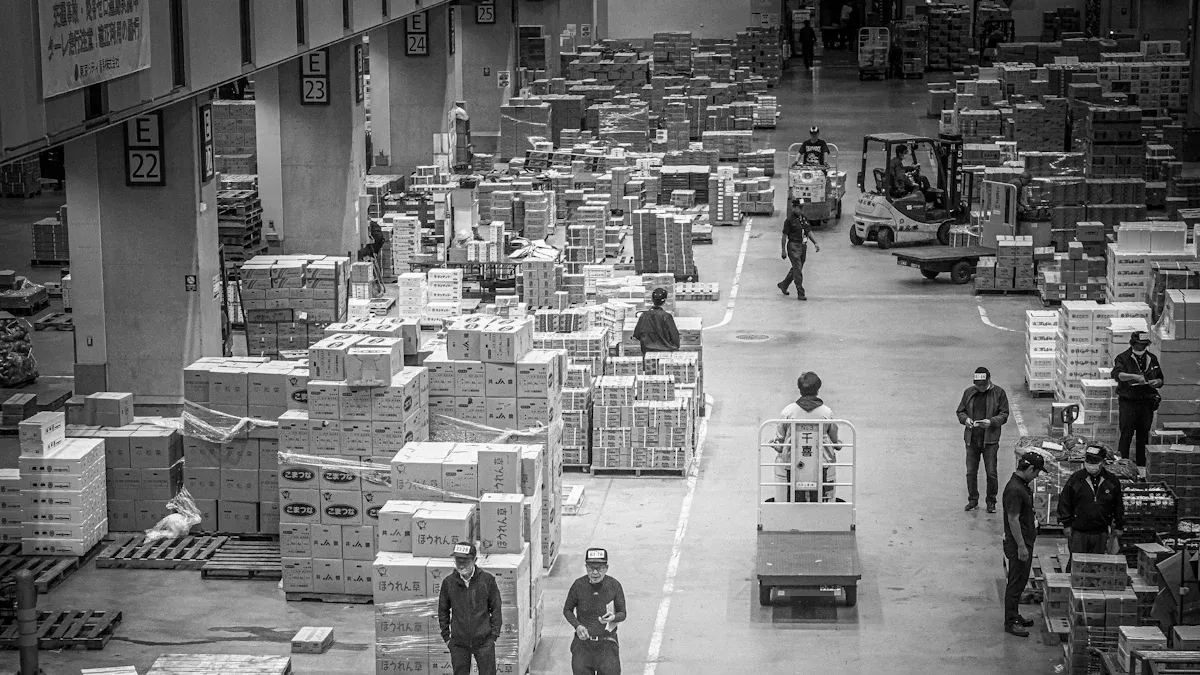
Warehouse automation seems exciting, but it can cause problems. You may believe robots and software fix everything. Many companies face big issues. Why does this happen? Here are common reasons:
Not enough planning and teamwork in the company
Poor change management makes workers push back
Too much trust in cool test projects that do not work
Think about your warehouse before you start. Are you prepared to dodge these problems and apply the lessons learned from past mistakes?
Key Takeaways
Make a good plan before you automate. A clear plan stops confusion and missed deadlines.
Include your team in the process. Talking well builds trust and helps everyone adjust to new systems.
Match automation with your business goals. Make sure technology fits your needs so you do not waste resources.
Get ready for problems with backup plans. If you expect risks, you can fix issues fast when they happen.
Check progress often and change things if needed. Regular checks help automation work well and keep customers happy.
Why Warehouse Automation Fails

Poor Change Management
You may think robots will make work easier. But change can make people nervous. Some workers feel confused with new systems. Others worry about losing their jobs. Deadlines get missed. Customers complain more. Some employees quit. Training does not help much. Here are some signs of poor change management:
Symptoms of Poor Change Management | Description |
|---|---|
Delays happen when there are not enough resources or bad planning. | |
Increased Customer Complaints | More complaints mean changes are hurting service. |
Employee Turnover | Many people leave because they feel unsafe or dislike new ways. |
Ineffective Training | Bad training makes it hard for workers to use new systems. |
You need a plan to help everyone get used to changes. If you skip this, your automation might fail before it starts.
Misaligned Solutions and Needs
Picture buying a robot that does not help your warehouse. Many companies make this mistake. They pick cool technology instead of fixing real problems. Automation should fit your business needs. Experts say these mistakes are common:
Companies do not change with the times.
They avoid tough automated solutions.
They use projects that are not needed.
Your solution must match your warehouse needs. If not, you waste money and time. The best lessons come from knowing what works and what does not.
Lack of Contingency Planning
Things go wrong sometimes. Robots break down. Software stops working. Trucks get stuck. If you do not plan for problems, you could lose a lot. Good managers look for risks early. They check their plans often. You should save money for emergencies. Cover risks from vendors and owners. Without these steps, you could lose sales, spend more, and hurt your reputation.
Spotting risks early helps projects succeed.
Keep checking your backup plans as things change.
Set aside money for emergencies to avoid failure.
Plans should cover risks from vendors and owners.
Not planning for risks can mean lost sales.
Costs go up and your reputation can suffer if projects fail.
People who plan for trouble learn the best lessons and recover faster.
Technical Issues and Maintenance
You push a button and the robot stops. The computer crashes. Problems spread quickly. Mechanical issues can get worse fast. Finding parts for special machines takes a long time. You need experts to fix things. Many warehouses use old systems that do not work well with new tech. More than half of managers say old systems slow them down. High costs, hard maintenance, and tough upgrades make automation difficult.
Technical Issues and Challenges | Description |
|---|---|
Automation systems cost a lot of money. | |
Scalability Issues | It is hard to make systems bigger when needed. |
Reliability and Maintenance | Keeping systems working well is tough. |
System Integration Difficulties | New automation does not always work with old systems. |
Lack of Expertise and Training | Workers do not know enough to handle automation. |
Mechanical problems can spread fast and are hard to fix. Getting new parts for custom systems is not easy. Keeping automated systems safe is always a challenge.
Scalability Challenges
Your warehouse gets bigger. Your automation does not keep up. You want more robots, but the system cannot handle it. Many companies have this problem. They buy systems that work now but not later. Old systems stop upgrades. You need tech that grows with you. If not, you miss out on future success.
Leadership and Communication Gaps
You need strong leaders for automation. If leaders are unsure, workers get confused. Worries about costs and short contracts slow things down. Teams forget business goals. Workers do not like change. Talking and training help build trust. Without these, your project can fail. The best lessons come from leaders who talk and guide their teams.
Supply Chain and Customer Impact
Your warehouse is part of a bigger chain. Automation changes affect your supply chain. Customers notice delays. Partners have trouble adjusting. Failed projects cost money. Costs can go up by 15-30% when you move operations. Deadlines get longer. You miss chances. Bad choices can hurt for years. Think about everyone affected, not just your team.
Tip: Always ask, “Who will this change impact?” before you start. Your customers and partners will be glad you did.
Lessons Learned from Failure
Aligning Automation with Business Goals
You want robots to help your warehouse. You hope things run smoothly and customers are happy. But sometimes, things do not work out. This happens when your automation plan does not fit your business goals. You need a clear plan. Everyone should know what is happening. If your company does not like new technology, things get messy. Good planning is important. You must plan each step before you begin. Look at the table below. It lists the main lessons from failed automation projects:
Lesson | Description |
|---|---|
Lack of Cohesive Vision | A clear plan helps everyone work together. Without it, people get confused. |
Misalignment of Organizational Beliefs | Your company must support automation. If not, people will not accept it. |
Insufficient Planning and Strategy | You need a strong plan. Guessing leads to problems. |
You can avoid these mistakes. Set your goals first. Make sure your automation matches your business. Share your plan with your team. You will get better results.
Prioritizing Change Management
Change can be scary. You bring in new machines. People get worried. Some fear losing their jobs. Others do not understand the new systems. You must help your team with change. Here are some good ways to do this:
Make a clear plan. Show how automation helps everyone.
Find leaders who can help others.
Check your progress. Change your plan if you need to.
Celebrate wins. Have a pizza party when you reach a goal. 🎉
You build trust by listening and helping your team. You keep everyone happy. You avoid mistakes others made. These lessons help you make a better workplace.
Building Resilience and Recovery Plans
Robots can break. Software can stop working. Trucks can get stuck. You need a backup plan. Good managers get ready for problems. You should too. Here is how you can be ready:
Planning: Find risks before they cause trouble. Make a plan for each risk.
Implementation: Get what you need now. Do not wait for a problem.
Testing: Practice your plan. Make sure your team knows what to do.
Tip: Practice your backup plan like a fire drill. You will act faster when real problems happen.
You recover faster. You save money. You protect your good name. These lessons help your warehouse keep working, even when things go wrong.
Ensuring Scalability and Flexibility
Your warehouse gets bigger. Your automation must grow too. You need systems that can change. You want robots that work together. You need strong networks. You must train your team. Here are some smart ideas:
Talk clearly. Tell your team what will change.
Make new jobs. Hire people to manage robots.
Work with colleges. Train workers for new technology.
Make your network faster. Fast networks help robots work better.
Connect your systems. Make sure robots and computers work together.
Flexibility lets you change your automation as your business changes.
Scalability helps you grow without starting over.
“Start small. Add more when you need it. Bring in new tech as you grow. With good software and planning, your warehouse works better and faster.”
You do not get stuck with old systems. You are ready for anything. These lessons help you build a warehouse that lasts.
Strengthening Leadership and Communication
You need leaders who talk and listen. You need teams that share ideas. You want everyone to know what is going on. Here is how good leadership and talking help:
Give updates often. Supervisors share news about wins and problems.
Listen to your team. Workers see problems early.
Work with other groups. Everyone helps each other.
Talk about job safety. Explain your plans for the future.
Teach your team about the good things. Less heavy lifting. More safety.
Good communication helps people work better. There are fewer mistakes. Safety gets better. When your team feels important, they work harder. You build trust. You make a place where people want to work. These lessons from failed projects show that leadership and talking are very important for automation.
Note: Learn from your mistakes. Watch what other companies do. Use these lessons to make your warehouse smarter and happier.
Prevention Strategies
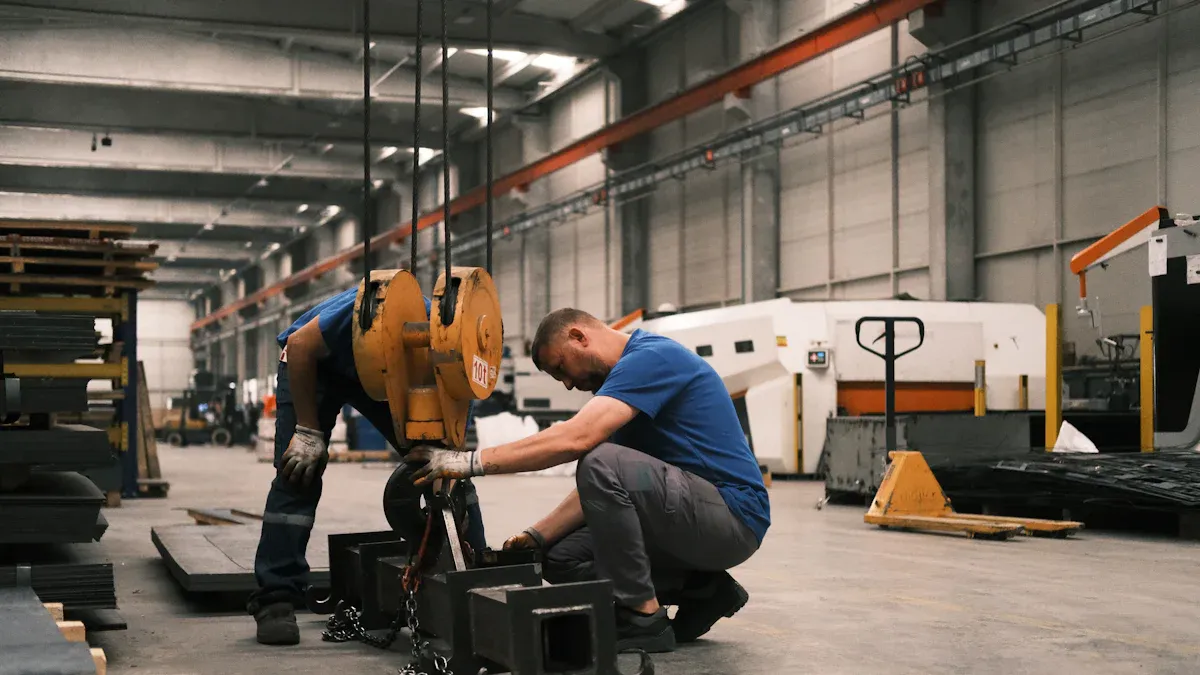
Comprehensive Project Planning
You want your warehouse to work well. Make a plan that covers everything. Check for moisture, dust, and temperature changes. These things can hurt robots. Think about problems that might happen. Plan for service interruptions before they start. Follow OSHA, GDPR, and labor laws. You do not want fines or trouble. Choose automation that can grow with your business. Modular systems let you add robots later. Get your team involved early. They know what works best.
Cross-Functional Team Involvement
You need more than tech experts. Bring people from every department. When everyone helps, you get clear goals. Tech experts and workers solve problems faster. Regular meetings help everyone know what is happening. Teams can change plans quickly if needed. Spotting risks early means fewer surprises. You build a strong team that can handle anything.
Setting Success Metrics
How do you know robots are working well? Set clear goals. Use numbers to track progress. Here is a table with popular metrics:
KPI | Description |
|---|---|
Order Accuracy Rate | Fewer mistakes make customers happy. |
Order Fulfilment Speed | Fast orders keep everyone smiling. |
Storage Utilisation Rate | Smart robots use space better. |
Labour Productivity | Robots help workers do more. |
Return on Investment (ROI) | You save money and make more profit. |
Watch these numbers. Celebrate when you reach your goals. If you miss, fix it quickly.
Pilot Testing and Iteration
Test your robots before using them everywhere. Try a pilot in one part of your warehouse. Find problems early. Listen to your team. Change your plan if something does not work. Keep testing and improving. This way, automation fits your business. You build a team that helps make things better.
Ongoing Monitoring and Adaptation
Always watch your warehouse. Use data to spot problems. Set up monitors for robots and computers. Track order accuracy and speed. Watch for downtime and errors. Change your workflow when you see problems. Regular checks keep things running well. You catch issues before they get big. Your customers stay happy. Your robots keep working. 🚀
Case Studies
Change Management Failures
Imagine you walk into your warehouse and see robots whizzing around. You think, “This is awesome!” Your team, though, looks worried. They whisper in the break room. Training sessions feel like math class—confusing and boring. Deadlines slip. Orders pile up. Customers call and complain. You lose your best forklift driver. Why? You forgot to help your team adjust. Change management flopped. You need pizza parties, pep talks, and clear instructions. Without these, your automation dreams turn into a nightmare.
Tip: If your team feels lost, your robots will too. Keep everyone in the loop and celebrate small wins.
Misaligned Vendor Solutions
You want the coolest tech. You sign a deal with a vendor who promises magic. The robots arrive. They look shiny, but they don’t fit your warehouse. You face problems like Ahold Delhaize did:
The company struggled with different strategies in Europe and the US. This led to buying and selling FreshDirect at a loss.
Technical glitches in a new automated facility stopped it from running at full speed.
Fixed purchasing agreements gave less control over inventory. You now depend on perfect demand forecasts to keep profits up.
Your warehouse needs solutions that match your business, not just fancy gadgets. If you pick the wrong vendor, you might lose money and control.
Recovery After Setbacks
You hit a wall. Robots break down. Orders slow. You panic. But you don’t give up. You fix things and bounce back, just like these companies:
Cepsa’s warehouse in Spain added compact racks and automated systems to handle dangerous goods safely.
Bracchi’s warehouse in Germany installed smart storage and automatic sprinklers for fire safety.
Cofan’s center in Spain restructured for fast picking and zoned storage, making work safer and quicker.
These companies focused on safety, smart layouts, and worker comfort. They turned setbacks into success stories. You can too. When things go wrong, get creative, stay safe, and keep moving forward. 🚀
You now know the secrets behind warehouse automation success. Remember these lessons:
Complexity kills progress. Keep things simple.
Flexibility wins every time. Change is constant.
Proactive planning and strong leadership keep your warehouse safe.
Ready to level up? Start by checking your warehouse’s pain points. Use the table below to guide your next steps. 🚀
Step | What You Should Do |
|---|---|
1 | Define your automation needs. |
2 | Design your system. |
3 | Test and improve. |
Don’t wait! Assess your readiness and ask experts for help.
FAQ
What is the biggest mistake in warehouse automation?
You rush in without a plan. Robots look cool, but chaos follows. You forget to ask your team for ideas. You end up with expensive gadgets that collect dust. Always plan first, then automate!
How do you keep workers happy during automation?
You talk to them. You listen to their worries. You throw a pizza party when things go well. Training should feel like a game, not a test. Happy workers make automation work better.
Can small warehouses use automation?
Yes! You start small. You pick one robot or smart tool. You test it. You watch how it helps. You add more when you need them. Even tiny warehouses can become super-powered.
What happens if a robot breaks down?
You grab your backup plan. You call your tech expert. You fix the problem fast. You keep spare parts ready. You never let one broken robot stop your whole warehouse.
How do you know automation is working?
You check your numbers. Order speed goes up. Mistakes go down. Customers smile more. You celebrate every win. If things slow down, you fix them. Data tells you the real story.
See Also
Understanding The Dangers Of Vending Machines In Detail
Key Maintenance Advice For Vending Machine Security Features
Exploring The Role Of Vending Machines In Fast Food
AI-Driven Corner Stores: Essential Insights For Retailers
Modern Retail Advantages Of AI-Enhanced Combo Vending Machines
