Micromarket self-checkout facts every shopper should know

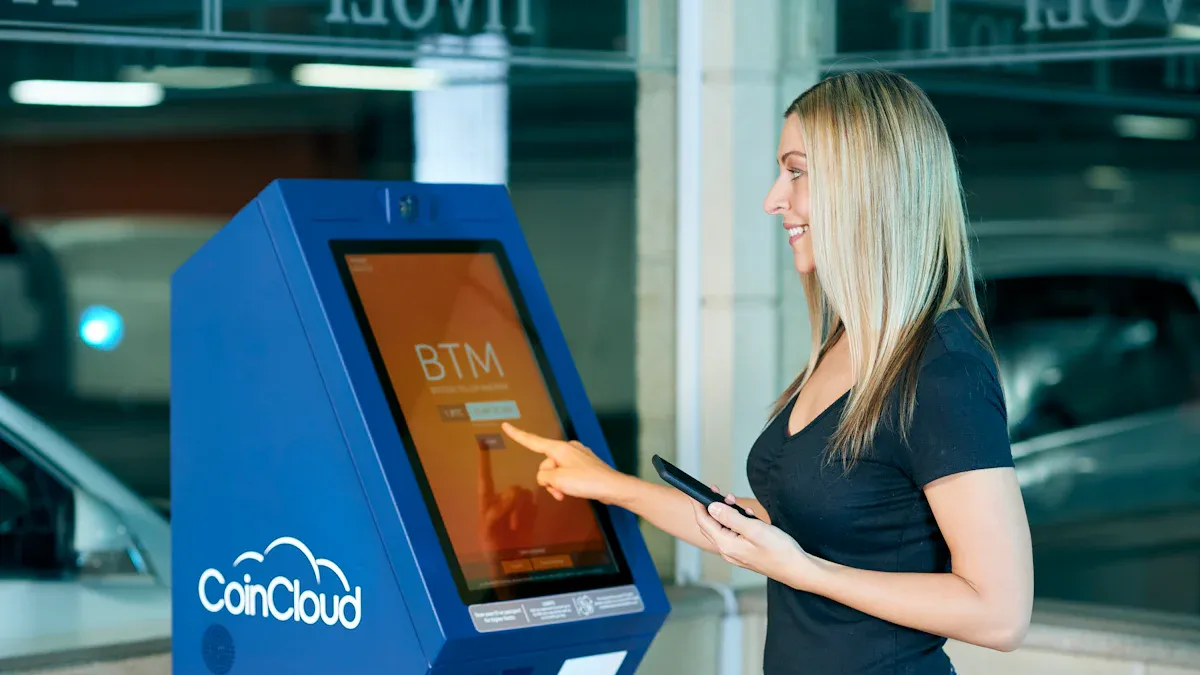
You notice changes when you shop. Micromarket self-checkout makes shopping faster and easier. It also changes how much you spend. Stores use these systems because paying workers costs more. Shoppers also want quick and easy ways to pay. But some people use self-checkout the wrong way. This can cause more loss for stores. It may make prices go up or give you fewer choices.
The self-checkout systems market might reach $5.71 billion by 2025.
More than 43% of shoppers like self-checkout for speed and privacy.
When you are honest, you help stores make good rules. This keeps shopping easy for everyone.
Key Takeaways
Micromarket self-checkout is fast and easy to use. You can shop at any time. You do not have to wait in long lines.
If you use self-checkout the right way, prices stay fair. Always scan your items to stop mistakes and theft.
Self-checkout gives you more privacy. You can pay without talking to staff. Your choices stay private.
Shrinkage means loss from theft or mistakes. Shrinkage is higher with self-checkout. This can make prices go up. It can also mean fewer products to buy.
What you do is important. Report problems and follow store rules. This helps everyone have a good shopping trip.
What is micromarket self-checkout
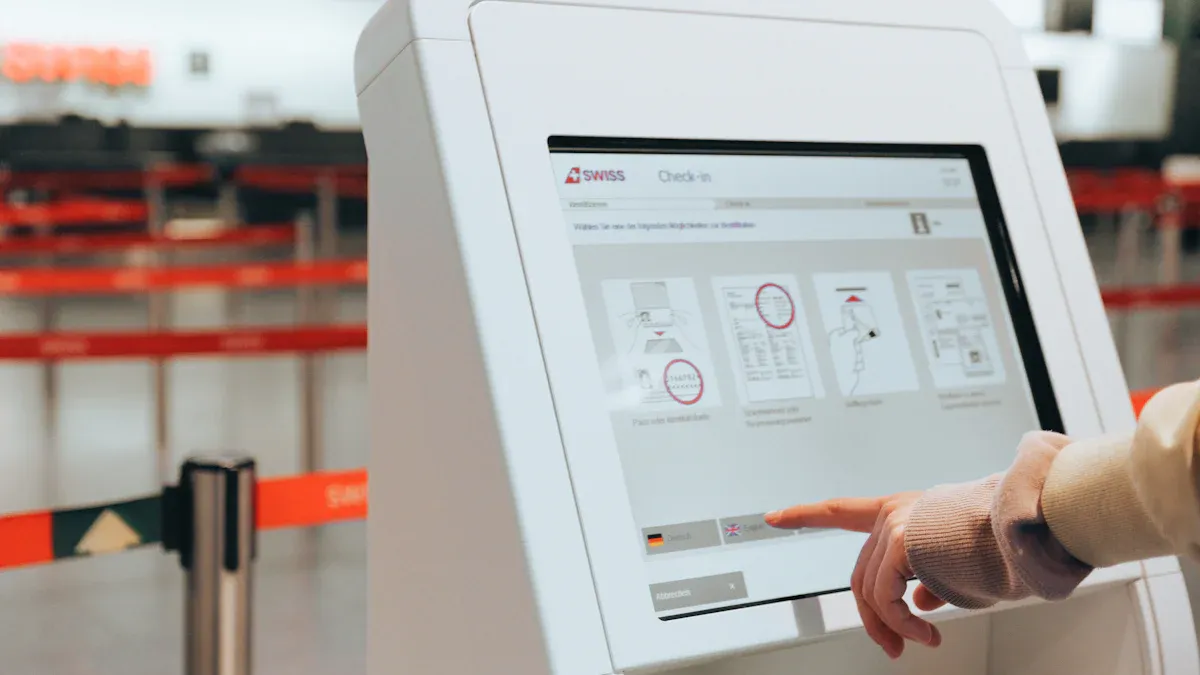
Micromarket self-checkout changes the way you shop. You get more control and flexibility. You do not need to wait for a cashier. You pick your items, scan them, and pay at a kiosk. This system works well in offices, apartment buildings, and other shared spaces. You see open shelves, coolers, and snack racks instead of vending machines. You can grab what you want and check out on your own.
Key features
You benefit from several features when you use micromarket self-checkout:
You use a self-service model. You do not need staff to help you.
You find a wide selection of food, drinks, and convenience items.
You interact with digital kiosks and payment terminals.
You shop any time, day or night, in many locations.
You see healthy options and fresh choices.
You notice security cameras and safe payment systems.
Tip: You can save time and enjoy more choices with micromarket self-checkout.
Here is a quick look at the main characteristics:
Characteristic | Description |
|---|---|
Self-service model | You grab items and pay without staff. |
Diverse selection | You choose from many foods, drinks, and snacks. |
Interactive experience | You use kiosks and digital screens for checkout. |
Technology use | You pay with cards, phones, or apps. |
24/7 operation | You shop when it fits your schedule. |
Health-oriented options | You find healthier snacks and drinks. |
Security measures | You shop in a safe, monitored space. |
Differences from traditional checkout
Micromarket self-checkout stands apart from regular checkout lanes. You do not wait in long lines. You do not hand your items to a cashier. You scan and pay by yourself. This system uses more technology and less staff. You see more freedom, but stores face new challenges.
Research shows that stores with self-checkout see higher loss rates. Shrinkage, or loss from theft and errors, can reach 3.5% or more. Traditional cashier lanes have much lower rates, often below 0.5%. Many stores report a 33% to 60% increase in theft after switching to self-checkout. You play a big role in keeping the system honest and fair.
Note: When you use micromarket self-checkout the right way, you help keep prices down and choices up.
Convenience for shoppers
Speed and flexibility
You want shopping to fit your busy life. Micromarket self-checkout gives you that power. You skip long lines and avoid waiting for a cashier. This system works around the clock, so you can shop whenever you need. You can grab a snack before work or pick up a drink late at night. The process moves fast and feels smooth. You scan your items and pay in seconds.
The checkout process saves you time and lowers your stress.
Most shoppers feel frustrated by long lines. You do not have to wait anymore.
Sensor technology tracks your items and updates your cart right away.
You can shop 24/7, which helps you handle last-minute needs.
You get more control over your shopping trip. You decide when and how you shop. You finish faster and enjoy more freedom.
Tip: Choose micromarket self-checkout to save time and avoid stress.
Micromarket self-checkout also boosts your satisfaction. You get a quick, easy experience. Many shoppers now prefer this system, especially after the rise of contactless shopping.
Privacy benefits
You value your privacy when you shop. Micromarket self-checkout lets you pay without talking to staff. You keep your choices to yourself. Many shoppers like this extra privacy.
Checkout Type | Privacy Benefits |
|---|---|
Self-Checkout | Allows transactions without direct interaction with staff, valued for discretion. |
Traditional Checkout | Requires interaction with staff, which may reduce privacy for some consumers. |
You may worry about how your information is used. Kiosks can track what you buy and collect your data. Some systems use cameras and sensors to watch shopping patterns. You want to know your details stay safe.
Some shoppers feel uneasy about being linked to their purchases.
Stores may track what you do not buy.
Companies can build profiles based on your shopping habits.
You can ask about privacy policies and choose what information you share. When you use micromarket self-checkout, you get more privacy at the counter, but you should stay aware of how your data is handled.
Shrinkage in micromarket self-checkout
How shrinkage happens
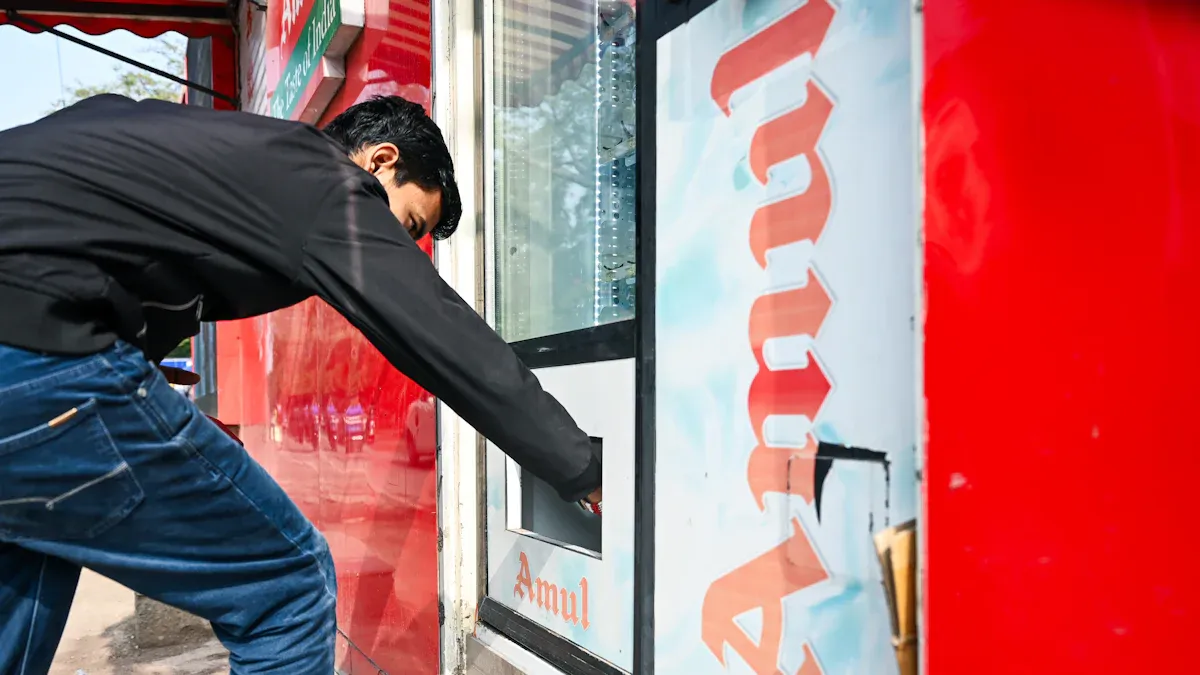
Shrinkage means stores lose items or money. This happens more with micromarket self-checkout than with cashiers. Shrinkage can happen if someone forgets to scan something. It can also happen if someone tries to cheat. Sometimes, people make honest mistakes. Other times, people steal on purpose.
Here is a table that shows shrinkage in different checkout systems:
Checkout System | Shrink Rate (%) | Transactions with Shrink (%) |
|---|---|---|
Self-Checkout | 6.7 | |
Traditional Cashiers | 0.21 | 0.32 |
Micromarket self-checkout has a much higher shrink rate. Almost 7 out of 100 self-checkout trips lose items or money. With cashiers, this happens less than 1 out of 100 times.
Shrinkage can happen in many ways:
Scanning errors: You might forget to scan something.
Bagging errors: You could put an item in your bag without scanning.
Voiding transactions: Some people cancel items after scanning so they do not pay.
Software tricks: Some people try to trick the system.
Tip: Always check your items before you pay. This helps you avoid mistakes and helps the store.
Economic impact
Shrinkage hurts stores and costs them money. When stores lose items, they lose money too. This can make prices go up for everyone. Research shows theft and mistakes in self-checkout cost U.S. stores about $100 billion each year. In the U.K., shrinkage went up by 125% after stores used self-checkout.
Here is what happens when shrinkage goes up:
Stores make less money.
Stores may raise prices to cover losses.
Some stores remove favorite items or offer fewer choices.
Stores spend more on security and technology.
Loss prevention is very important. If you use micromarket self-checkout honestly, you help keep prices fair. You also help stores stay open and keep more choices for everyone.
Security measures
Stores use many tools to stop shrinkage. These tools help protect you and the store. Here are some common security measures:
Security Technology/Policy | Description |
|---|---|
Comprehensive Staff Training | Staff learn to spot theft and help customers use kiosks the right way. |
Visible Surveillance | Cameras and signs warn people not to steal. |
Monitoring Bagging Areas | Scales check if you bag items without scanning. |
Regular Audits and Inventory | Stores count items often to find missing products. |
Leveraging Data Analytics | Computers look for strange shopping patterns to catch theft. |
Stores also use:
Cameras and anti-theft tools.
Software that warns staff if something is wrong.
Easy kiosks to help stop mistakes.
Training for staff and shoppers.
Note: When you follow the rules and tell staff about problems, you help make micromarket self-checkout safer for everyone.
You play a big part in stopping shrinkage. Always scan your items and pay attention. Tell staff if you see something wrong. Your actions help keep shopping easy, safe, and affordable.
Economic consequences for shoppers
Price changes
You want fair prices when you shop. Shrinkage in self-checkout systems can make this harder. When stores lose money from theft or mistakes, they need to cover those losses. You may see higher prices on your favorite snacks and drinks. This happens because retailers adjust their pricing strategies to make up for lost profits.
Shrinkage rates at self-checkouts can be 2-3% higher than with cashiers.
These losses can cost U.S. retailers billions each year.
Stores may raise prices to balance out these losses.
You may feel that prices are less fair or less predictable.
If you use micromarket self-checkout honestly, you help keep prices steady for everyone.
Product selection
You want many choices when you shop. Shrinkage does not just affect prices. It also changes what you can buy. When stores lose too many items, they may stop selling certain products. You might notice empty shelves or missing brands. This happens more often in micromarkets with self-checkout because theft and errors are higher.
Shrinkage leads to more stockouts and fewer options. Sometimes, you cannot find your favorite snack or drink. Stores may remove items that are easy to steal or hard to track. You lose variety and convenience.
Self-checkout also changes what people buy. You may feel more comfortable buying private or sensitive items, like health products, because you do not need to talk to a cashier. This can increase sales of these items. However, you may also feel less loyal to the store because you miss the personal touch from staff.
You get more privacy for sensitive purchases.
You may see fewer choices if shrinkage stays high.
You may not return as often if you feel less valued.
Store policies
You shape store policies with your actions. When shrinkage rises, stores must act. They may add more cameras or use better software to catch mistakes. Some stores limit the number of items you can buy at once. Others may lock up popular products or require staff approval for certain items.
Policy Change | How It Affects You |
|---|---|
More security cameras | You feel watched but safer |
Item limits at checkout | You buy fewer items per trip |
Locked or restricted products | You need staff help for some purchases |
Staff spot checks | You may wait for random receipt checks |
You can help stores keep policies friendly. Always scan your items and pay attention. Report problems to staff. When you act responsibly, you encourage stores to keep micromarket self-checkout easy and open.
Your honest actions help keep shopping simple, affordable, and full of choices.
Balancing convenience and shrinkage
Responsible use
You play a big part in keeping micromarket self-checkout systems fair and easy. When you use these kiosks, you help everyone by acting responsibly. Always scan each item before you pay. Double-check your cart to make sure nothing gets missed. If you see a sample counter, try only one or two products. This helps you make better choices and keeps things simple for others. Stores that let you taste before buying often see more sales and less waste. You help control shrinkage and keep prices steady.
Scan every item before paying.
Limit yourself to one or two samples.
Use the kiosk as the store explains.
Respect the rules and other shoppers.
Tip: Responsible shopping keeps your favorite snacks and drinks available and affordable.
Reporting issues
You can make a difference by speaking up. If you notice a problem, tell a staff member right away. Maybe you see someone forget to scan an item. Maybe the kiosk does not work right. Your quick action helps fix mistakes and stops theft. Stores use cameras and signs to remind everyone to pay. When you report issues, you help build a culture of trust. You show others that honesty matters.
Tell staff if you spot errors or broken equipment.
Ask questions if you do not understand how to pay.
Remind others to follow the rules.
Note: Your voice helps keep the store safe and friendly for everyone.
Supporting store policies
You support your store by following its policies. Stores use new technology like RFID tags and smart kiosks to stop theft and make shopping faster. These tools help honest shoppers like you enjoy a smooth experience. When you follow the rules, you help stores keep self-checkout open and easy to use. Next-generation systems use AI to spot problems and protect your shopping trip. Your support helps stores balance convenience with security.
What You Can Do | How It Helps the Store |
|---|---|
Follow checkout steps | Reduces mistakes and shrinkage |
Respect security tools | Keeps shopping safe |
Give feedback | Improves your experience |
Remember: Your actions shape the future of micromarket self-checkout. Shop smart, speak up, and support your store’s efforts.
You can shop quickly and easily with micromarket self-checkout. Shrinkage rates can be as high as 4%. This is much more than with cashiers.
"More self-checkout means more shoplifting happens."
Help stores and your community do well by staying active:
Wipe and check scanners every week.
Share ideas to make checkout faster.
Buy local products and fresh foods.
"If stores have too few workers and make everyone use self-checkout, customers get upset. This can hurt the store."
Being honest helps keep prices low and makes people happy. Smart shopping helps everyone do better.
FAQ
How do you use micromarket self-checkout?
You pick your items, scan each one at the kiosk, and pay using your card or phone. The process is quick and easy. You control your shopping trip from start to finish.
What should you do if the kiosk does not scan your item?
Ask a staff member for help right away. Do not leave with unscanned items. You help keep prices fair and choices wide when you report problems.
Can you pay with cash at micromarket self-checkout?
Most micromarkets accept cards, mobile payments, or apps. Few accept cash. Always check the payment options before you shop. Using digital payments speeds up your checkout.
How does your behavior affect prices and product choices?
Your honesty keeps shrinkage low. When you scan and pay for every item, you help stores avoid losses. This action helps keep prices down and shelves full of your favorite products.
What if you see someone stealing or making a mistake?
Tell a staff member as soon as possible.
Stay calm and polite.
Your action protects your store and your community.
See Also
The Journey of Self-Checkout Technology Over Time
Understanding Cash Mistakes at Self-Checkout and Their Fixes
A Look at Walgreens Self-Checkout: Benefits and Issues
