2025 Guide to Profitable New Business Models in Unmanned Vending

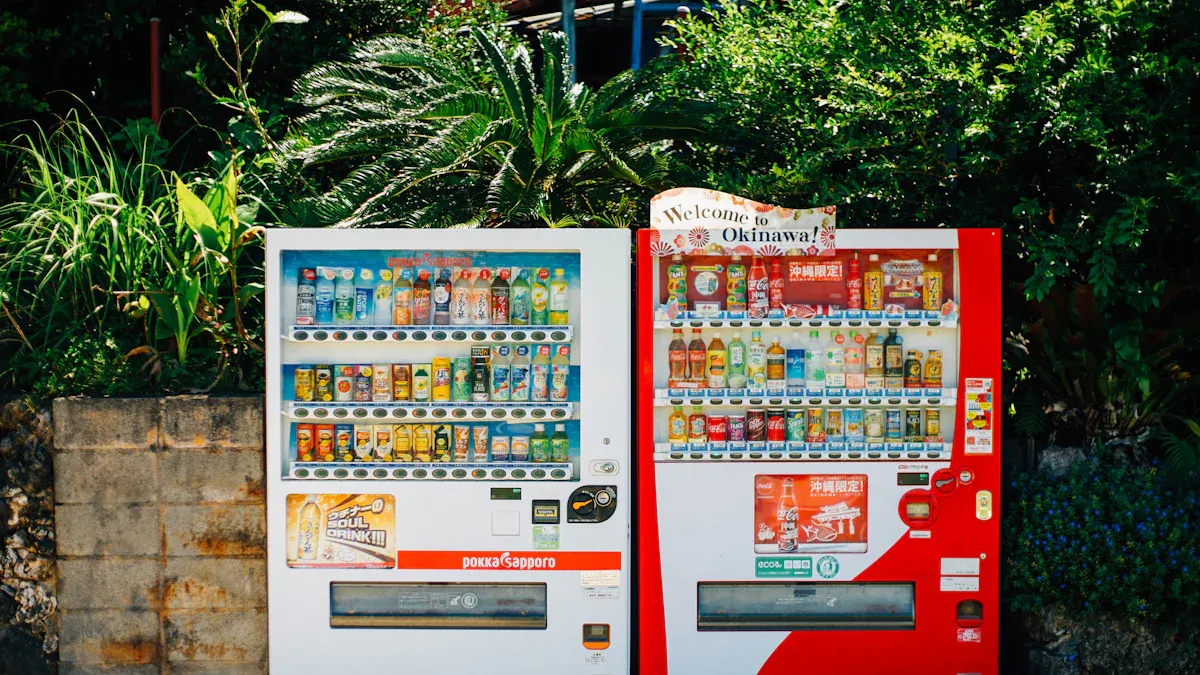
Entrepreneurs see big chances in unmanned vending. Technology is changing how people shop. The global unmanned stores market will be worth $116 billion in 2025. It is growing fast at 34.5% each year. Smart kiosks, micro markets, and AI-powered vending are getting noticed. They offer high profits and new features.
Reasons for High Return | Expected Payback Period | |
|---|---|---|
Smart Refrigerated Beverage Machines | People want fancy drinks and will pay more. | 6 to 12 months |
Automated Hot Meal Vending Machines | Each sale makes more money and more people buy, especially with brand deals. | 8 to 14 months |
Beauty and Personal Care Vending Machines | Big profits and deals with beauty brands for special items. | N/A |
They pick new business models that fit their plans. These models also meet what customers want now. Owners who use these models can grow strong businesses in 2025.
Key Takeaways
Unmanned vending is getting bigger. It may reach $116 billion by 2025. People who start businesses can make good money from this.
Micro markets give shoppers a new way to buy things. They have many products to choose from. These markets make customers happy and keep them coming back. They are easy to use and have healthy choices.
AI-powered vending machines help shoppers pick items. They also keep track of what is in stock. This helps stop waste and makes shopping better for people.
Smart kiosks and modular retail solutions are easy to use. They can work all day and night. They help busy people in many places.
Picking the best spot and using smart technology is important. Owners should watch sales and change what they sell to earn more money.
New Business Models in Unmanned Vending
Micro Markets Overview
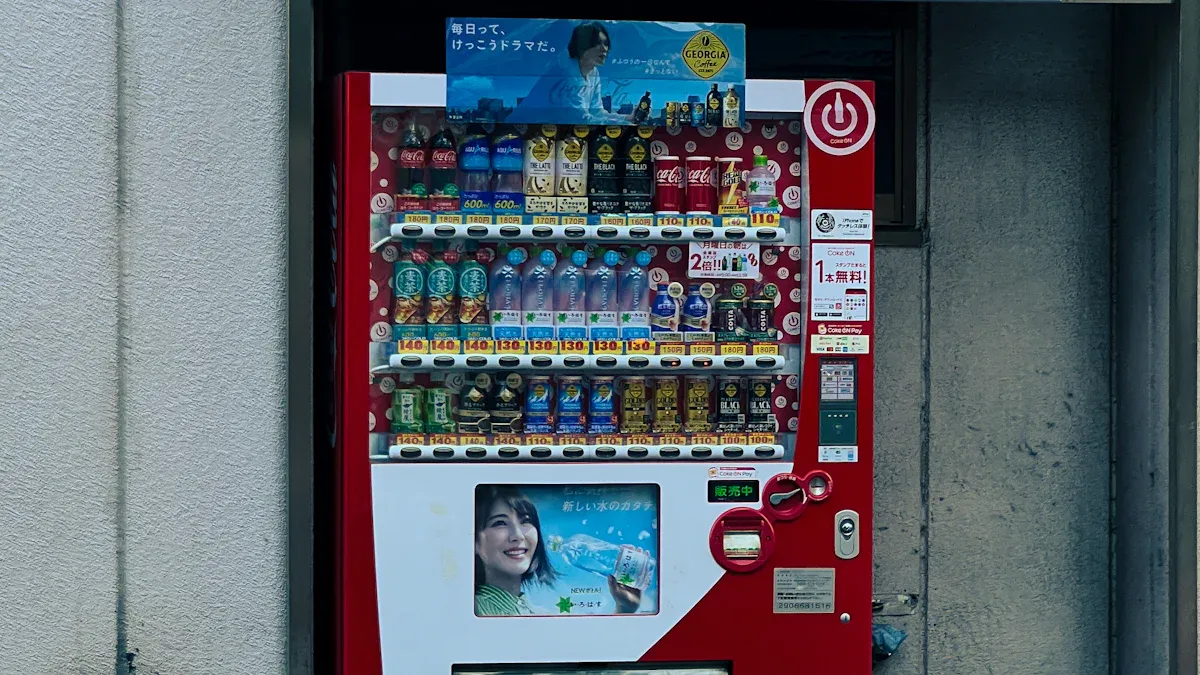
Micro markets have changed how people use vending. These new business models make places feel like small stores. You can find them in offices, schools, and public areas. Micro markets sell many things, like snacks, drinks, and fresh meals. They also have healthy choices. People pay fast with self-checkout kiosks or mobile apps. Micro markets make shopping easy and give people more choices. You can pick what you want at any time.
Micro markets are different from old vending machines. They let you choose from more products and feel modern. Operators can add loyalty programs and special deals. This helps keep customers coming back and makes more money. Micro markets also let people grab food quickly, which is good for busy places. Many companies use micro market solutions to make workers happy and build a better workplace.
Micro Market | Traditional Vending Machine | |
|---|---|---|
Product Range | Wide and customizable | Limited |
Shopping Experience | Retail-like | Basic, mechanical |
Freshness | High (ready meals) | Moderate |
User Interaction | App, touch screen | Minimal |
Customer Loyalty | Loyalty programs | Difficult |
Average Price | Competitive | Low |
Operator Revenue | Higher (greater ARPU) | Limited |
Micro markets do more than sell snacks. They give people a place to talk and support healthy living. Workers feel important when they can get many good food choices. Micro markets also help companies save time and money. People do not need to leave work for food.
Smart Kiosks and Modular Retail
Smart kiosks and modular retail are changing how we shop. These micro retail kiosks use new technology to give products fast. Smart vending machines and smart vending fridges work all day and night. They do not need workers. You can find them in schools, hospitals, airports, and malls.
Micro retail kiosks work well in busy places. They take many kinds of payments and have fun features. Operators can make them bigger or smaller as needed. Micro retail kiosks can sell snacks, drinks, beauty items, and electronics. They fit many places and meet different needs.
Use Cases | |
|---|---|
Schools and Universities | Support student nutrition, promote healthy eating, and provide convenience during tight schedules. |
Healthcare Facilities | Serve patients and staff with essential items, including personal care and medical accessories. |
Transportation Hubs | Meet traveler needs with essentials and support multiple payment methods for convenience. |
Retail Spaces | Transform into mini-retail stores with interactive features and operate after hours for late-night shoppers. |
Events and Festivals | Streamline service during peak crowds and reduce staffing demands with automated vending solutions. |
Micro retail kiosks help businesses reach more people and make more money. They lower labor costs and give flexible options. Automated retail makes shopping simple and fun for everyone.
AI-Powered Vending Models
AI-powered micro-markets are bringing new ideas to vending. These models use artificial intelligence to make shopping personal. AI-powered vending machines suggest items you might like. They use real-time data to keep shelves full of popular things. This cuts down on waste and makes sure people find what they want.
AI-powered micro-markets also help things run better. Predictive maintenance finds problems before machines break. Cashless payments make buying things quick and safe. Operators use data to pick the best products and prices. This helps them earn more and keep customers happy.
AI-powered vending machines make shopping better with product suggestions and contactless payments.
They help machines work longer by finding problems early.
Real-time inventory keeps popular items in stock and cuts waste.
Data helps operators choose the right products and prices.
Businesses that use ai-powered micro-markets get ahead. They offer easy, automatic shopping that tech fans like. These models make shopping fun for both owners and customers.
Food Micro Market Solutions
Food micro market solutions bring fresh meals to work and public places. These micro-markets focus on giving many choices. Workers can buy breakfast, lunch, or snacks without leaving. Food vending machines and micro retail kiosks make it easy to get healthy food anytime.
Food micro market solutions help workers feel better and support health. They save time because food is close by. Companies see happier and more productive teams. Micro-markets also help people talk and make the workplace friendlier.
Employee Satisfaction: Micro markets make workers happier with more food choices.
Convenience: They save time by letting people eat at work.
Health and Wellness: Nutritious food helps workers stay healthy.
Enhanced Company Culture: People talk more and feel like a team during meals.
Food micro market solutions need good planning to work well. Operators must know what workers like and how big the workplace is. Stocking the right foods makes micro-markets useful and popular. Micro markets that do this become important for any company.
Micro retail kiosks, ai-powered micro-markets, and food vending machines are changing how we buy food. These new business models help businesses grow and try new things. They give everyone a chance to do better in the future.
Industry Trends Shaping Unmanned Retail
Growth of Micro Markets
Micro markets are getting more popular in the United States and Canada. They are changing how people buy snacks, drinks, and meals at work and in public. In the United States, micro markets are growing by 13% each year until 2030. In Canada, they are growing even faster at 17.6%. Companies like micro markets because they have fresh food and easy ways to pay. Micro markets help businesses spend less money and give workers more choices. New technology helps this growth with smart systems and better ways to track products. Micro markets are now a big part of automated retail.
AI and Automation in Retail
AI and automation are making stores smarter and faster. These tools help stores work with fewer workers and lower costs. AI helps stores keep track of products and guess what people want. Automation lets stores help people faster and make fewer mistakes. Stores use smart carts and systems with no cashiers to make shopping simple. New technology brings tools like machine learning and smart sensors. Automated retail uses these tools to give quick, safe, and personal shopping.
Automation helps stores serve people better with faster service, special offers, and help right away.
Micro markets use AI to keep shelves full and suggest things to buy. Automation lets stores stay open all day and night. New technology will keep making micro stores better for everyone.
Consumer Preferences and Workplace Shifts
People want shopping to be fast, safe, and easy. More than 60% of shoppers like stores that save time and are convenient. Almost 70% feel safer in unmanned stores because of better health rules. Micro markets and automated retail give these things with touch-free payments and fresh food. Workplaces and schools use micro markets to give more choices and save time. New technology brings smart vending machines and cold micro kiosks. These have cold snacks, fresh meals, and dairy foods. Micro stores fit busy lives and help people stay healthy. Now, people expect stores to use these new solutions.
Trend | Description |
|---|---|
More people want safe, touchless ways to pay, and unmanned stores give this. | |
Sophisticated AI and Computer Vision | New tools help stores know what products are and stop theft. |
Integration with Mobile and Payment Technologies | Easy payment methods make shopping quick and simple. |
24/7 Accessibility | Automated stores are open all the time for shopping anytime. |
Smart Inventory Management | Automated systems watch product levels and order more when needed. |
Technological Advancements | New ideas in AI, IoT, and sensors help stores grow. |
Changing Consumer Preferences | More people want fast, contactless shopping everywhere. |
Labor Cost Optimization | Stores use unmanned models to spend less on workers. |
Urbanization and Smart City Initiatives | More people in cities and smart buildings help unmanned stores grow. |
Micro markets, automated retail, and micro kiosks are leading the way. New technology will keep changing how people shop and work.
How Models Operate
Technology Integration
Modern unmanned vending uses smart technology to make shopping easy. Operators set up systems that link products to online stores. These systems save space and cut down on worker costs. Micro kiosks and self checkout fridge units work all day and night. This gives people more convenience than ever before. Customers can pick products that match what they like. The table below shows the main features:
Feature/Benefit | Description |
|---|---|
24/7 Availability | You can shop anytime, which is very convenient. |
Customization Options | Products can be changed to fit what you want. |
Technological Advancements | Smart features make shopping easier and faster. |
Unattended retail solution providers use these new tools to give people what they want. Micro vending machines can change fast to fit new shopping needs. This helps operators come up with new ideas.
Payment and Self-Checkout
Payment in unmanned vending is now safer and easier to use. Most stores let you pay without touching anything. This keeps your information safe and makes paying faster. Extra steps and special networks protect your private data. Many people like self-checkout, especially younger shoppers. In fact, 73% of people use self-checkout, and Gen Z uses it the most. Older people use cashierless checkout less, showing a difference between age groups.
Contactless payment helps people trust the store and wait less.
Self checkout fridge units are popular with people who like technology.
Younger shoppers feel good using these new systems.
Stores make people feel safe by using secure payment technology. This builds trust and gets more people to try unattended retail solution models.
Inventory and Data Management
Operators use smart tools to keep shelves full and waste low. Real-time tracking checks how much is left, so there is no too much or too little. Predictive analytics help guess what people will buy next. Automated alerts tell suppliers when more products are needed. Waste reduction strategies watch for old food and what people eat, helping the planet.
Solution Type | Description |
|---|---|
Real-Time Tracking | Checks how much is left so shelves stay full. |
Helps guess what people will want to buy. | |
Automated Alerts | Tells suppliers when to send more products. |
Waste Reduction Strategies | Cuts down on throwing away food and helps the environment. |
Micro vending operators use AI to manage inventory and sales. Cashless payments make buying things quick and easy. These tools help unattended retail solution businesses grow and work better.
Implementation Strategies
Site Selection
Picking the best spot is very important. Operators look for places with lots of people. Busy break rooms and common areas work well. Open layouts let many people shop at once. This is helpful during busy times. The area should be easy for everyone to use. People with mobility challenges must feel welcome. Operators check what food is nearby. They want their micro market to be different. They follow local rules and get all needed permissions. A good location makes people notice the micro market. It also makes them want to come back.
Tip: Open spaces help people feel relaxed and boost sales.
Tech Setup and Cloud Systems
Operators use new technology to make shopping easy. They add AI and computer vision to help people shop faster. RFID and facial recognition keep things safe and stop theft. Automated checkout systems make paying quick and simple. IoT sensors and AI analytics keep shelves full. AI gives each shopper special suggestions.
Best Practice | Description |
|---|---|
Live Machine Monitoring | Watches vending machines all the time. |
Real-Time Stock Management | Updates shelf stock right away so nothing runs out. |
Refill and Warehouse Optimization | Plans refills and keeps the warehouse organized. |
Top-Selling Product Insights | Finds popular items to help sell more. |
Automated and Manual Controls | Lets operators change things for special needs. |
Operators save money by finding problems early. They control machines from one place. They earn more by changing products and making special deals.
Remote Monitoring and Maintenance
Remote monitoring helps vending machines work well. Operators watch inventory all the time. This keeps shelves full and sales steady. Smart technology knows when to restock. This saves time and lowers costs. Automated alerts stop wasted trips and downtime. Smart vending machines use AI and IoT to track inventory. This cuts costs for running the machines. Predictive analytics guess what people will buy next. This helps micro vending stay successful.
Note: Good remote monitoring means fewer problems and happier shoppers.
ROI & Cost Analysis
Startup and Operating Costs
Starting a vending machine or micro market business in 2025 costs money. Operators buy equipment and pay for software and setup. The table below shows what you might spend and earn:
Category | |
|---|---|
Equipment | $10,000 to $12,000 |
Software | Ongoing monthly expense |
Average Revenue | $4,000 per month |
Annual Gross Profit | Up to $19,200 |
Break-even Timeline | About 7.5 months |
Operators get their money back fast. Most break even in less than eight months. Good planning and picking the best spot help lower risks and make more money early.
Revenue Streams
Micro markets can make money in many ways. Operators sell snacks, salads, and sandwiches. This brings in more customers and helps sales go up. Vending machines can show ads. Businesses pay to put ads on or near the machines.
Operators can:
Sell fresh meals and other valuable items.
Make it easy for people to buy more at once.
Rent shelf space to brands for a fee.
Charge fees for top machine spots.
Earn money from ads on the machines.
These ways help operators earn more and find new customers.
Profit Optimization
Operators use smart ideas to make more money. They add mobile payments and remote monitoring. This keeps machines working and cuts downtime. They use marketing like deals and social media to get and keep customers. Watching costs is important. Operators check spending and talk to suppliers to save money.
Tip: Using technology and creative marketing helps operators earn more and makes customers happier.
With smart choices, micro markets and vending machines help businesses grow and succeed.
Case Studies and Success Stories
Leading Micro Market Operators
Many companies have made strong businesses with micro markets. Feel Good Market in Panama is a top example. They use a trust-based system and cashless payments. Their team listens to customers and makes special offers for each place. This way helps people feel loyal and want to come back.
Operator Name | Key Success Factors | Location |
|---|---|---|
Feel Good Market | Trust-based system, cashless payments, customer engagement, tailored offerings | Panama |
Aldo says it is important to talk with customers. He says, “Just listen to your customer. Sit with them. Be straight and as honest as you can, then try to create that relationship.”
Feel Good Market shows that being honest and building trust works. Their story tells others to focus on what people need and be honest every day.
Smart Kiosk Deployments
Smart kiosks have changed how people shop in busy places. Operators turn empty corners into busy shopping spots. They use A-POPs for fast shopping without staff. These kiosks show special deals and keep lines short. Shoppers get quick service and easy ways to pay.
Metric | Autonomous Stores | Traditional Stores |
|---|---|---|
Profit Increase | 1x | |
Transaction Speed | <10 seconds | >2 minutes |
Customer Satisfaction | High | Medium |
Smart deployment strategies include:
Turning empty spots into busy shopping areas.
Using A-POPs for fast, staff-free shopping.
Showing special deals to help stores earn more.
Keeping lines short so customers stay happy.
About 60% of shoppers like checkout with no cashier. Almost half want to use self-checkout kiosks. One out of three likes scan & go apps to skip lines. These numbers show that smart kiosks fit new shopping needs and help stores grow.
Challenges and Solutions
Security and Compliance
Unmanned vending businesses have many security and compliance problems. Operators must keep payments safe and follow privacy laws. They also need to meet safety rules. The table below lists common problems and how to fix them:
Challenge | Description | Solution |
|---|---|---|
Payment Security Standards | Keeping payment information safe is very important. | Use strong codes and check who is paying. |
Data Privacy Laws | The law says you must protect customer data. | Use special systems and ask legal experts for help. |
Safety Regulations | Machines must be safe for everyone to use. | Train workers and talk to rule makers. |
Food Safety and Labeling | Food must be healthy and have the right labels. | Follow health rules and make machines easy for all people. |
Accessibility Requirements | People with disabilities must be able to use machines. | Build machines that follow ADA rules. |
Cashless Payment Policies | Rules for cashless payments change a lot. | Keep learning new rules and use the best ways to pay. |
Operators who solve these problems make vending machines safer. This helps customers and rule makers trust them more.
Customer Trust
Getting people to trust automated stores starts with being correct and safe. Automation helps stop mistakes with prices and bills. Customers feel good when things are right and fast. Good internet keeps machines safe and tells operators about problems. The table below shows ways to build trust:
Method | Benefit |
|---|---|
Accurate Pricing and Billing | People trust stores that charge the right price. |
Secure Transactions | Stops cheating and keeps money safe. |
Personalized Service | Makes shopping feel special for each person. |
Fast Self-Checkout | Shorter waits make shopping better. |
Operators use automation to follow rules and avoid trouble. Self-checkout lets customers shop by themselves. These steps make people feel safe and important.
Scaling Your Business
Growing unmanned vending businesses takes smart choices. Operators use profits to buy more machines and save money. They pick busy places and check out other stores nearby. The table below shows what to think about:
Key Consideration | Description |
|---|---|
Location Selection | |
Niche Market Targeting | Sell special foods for loyal customers. |
Foot Traffic Analysis | Watch where people walk to find the best spots. |
Operators can do these things to grow:
Sell special items to be different.
Offer foods for people with special diets.
Work with others to get better spots.
They also add touchless payments and mobile apps to machines. These ideas help businesses reach more people and grow bigger.
Tip: Operators who try new things and care about customers do well for a long time.
Future Trends and Opportunities

Emerging Tech in Unmanned Retail
Unmanned retail will get better with new technology. Advanced AI helps stores know what shoppers want. Computer vision watches shelves and finds empty spots. IoT sensors check products all the time and help restock fast. Seamless payment systems let people pay quickly and safely.
Technology | Impact on Unmanned Retail |
|---|---|
Advanced AI Algorithms | Makes stores work better and helps customers more |
Watches products and knows who is shopping | |
IoT Sensors | Shares data right away and helps stock shelves |
Seamless Payment Systems | Makes paying easy and quick |
Next-generation micro markets will use these tools for better shopping. Operators who use new tech will lead and inspire others.
Expanding to New Markets
Unmanned vending is growing in many places. Asia-Pacific grows fast because more people live in cities. The middle class is getting bigger there. Latin America gets help from new government programs and more factories. The Middle East and Africa build new buildings and have different kinds of businesses. Each place gives operators new chances to reach more people.
Region | Key Growth Drivers |
|---|---|
Asia-Pacific | More factories, bigger cities, more money, more shoppers, and people know more about vending. |
Latin America | More factories, new government ideas, and plans for better vending. |
Middle East & Africa | New buildings, more factories, and different types of businesses. |
Operators who go to these places can grow strong businesses. They help more people enjoy micro markets.
Sustainability in Business Models
Sustainability is important for micro markets. Operators pick packaging that is good for the planet. They use paperless receipts to cut down on trash. IoT-enabled vending machines collect data all the time. This helps operators stock only what is needed and saves resources. Smart stocking and maintenance make things work better.
Operators who care about the planet earn trust and loyalty. They show that you can do well in business and help the earth too.
Micro markets will use green ideas and smart tech in the future. These changes help businesses grow and protect the environment.
Action Plan for Launch
Step-by-Step Checklist
Starting a profitable unmanned vending business in 2025 needs a good plan. Successful operators follow steps to build a strong business. This checklist helps new entrepreneurs get started:
Select High-Demand Products
Operators pick snacks, drinks, and fresh foods people like. Popular items make customers come back often.Adopt Smart Technology
They use RFID tags and automated payment systems. These tools help everyone shop quickly and easily.Strengthen Security
Operators set up cameras and secure payment systems. Shoppers trust stores that keep their information safe.Pick the Best Location
They choose places with lots of people, like offices or airports. More people means more sales for the business.Monitor and Improve
Operators watch sales and customer choices using data analytics. They change products and prices based on this information.
Tip: Operators who check their progress often find new ways to grow and get better.
Resources for Entrepreneurs
Entrepreneurs in unmanned vending have many helpful resources. These tools and networks help them grow and make work easier:
Low Startup Costs
Vending machines cost less to start than most other businesses. This makes them a good choice for small business owners.Flexible Placement
Operators can put machines in many places, like schools or airports. This helps them reach more customers.Easy Management
Cloud-based systems let operators manage many machines from one spot. They can check sales, restock, and fix problems fast.Advertising Opportunities
Vending machines can show ads and special deals. This brings in extra money and attracts more shoppers.
🌟 Entrepreneurs who use these resources build strong businesses and inspire others to do the same.
Unmanned vending helps businesses grow and do well. Operators who use smart technology and good plans get great results. Each business model gives its own benefits. Owners should look closely to pick the best one for their goals. The action plan and resources help with every step.
Start now. Try new ideas, read real stories, and build a business for the future. If you need help, ask experts for advice.
FAQ
What is the best location for an unmanned vending business?
Operators do well in places with lots of people. Airports, schools, and offices have many customers. Busy spots help machines make more money and grow strong.
How can operators keep vending machines secure?
Operators use cameras and safe payment systems. They check machines often and update software. These steps keep customer data safe and stop stealing.
What technology helps micro markets grow?
Smart kiosks, AI-powered systems, and cloud tools help operators track sales and restock fast. These tools make shopping simple and keep customers happy.
How do operators choose products for vending machines?
Operators look at what customers like and check sales numbers. They add snacks, drinks, and healthy foods people want. This keeps customers happy and makes them come back.
Can unmanned vending businesses help the environment?
Operators use green packaging and paperless receipts. Smart stocking cuts down on waste. These choices help the planet and make customers want to support these businesses.
See Also
Unique Vending Machine Sites: Expanding Beyond Conventional Areas
Automated Vending Machines: Shaping the Future of Quick Meals
Modern Vending Machines: Advantages, Features, and Innovative Solutions
The Growth of 24-Hour Vending Cafes: Where Convenience Meets Creativity
Smart Combo Vending Machines: Advantages and Features for Retail
