Operational challenges of autonomous stores in Universities & campus retail and how to solve them.

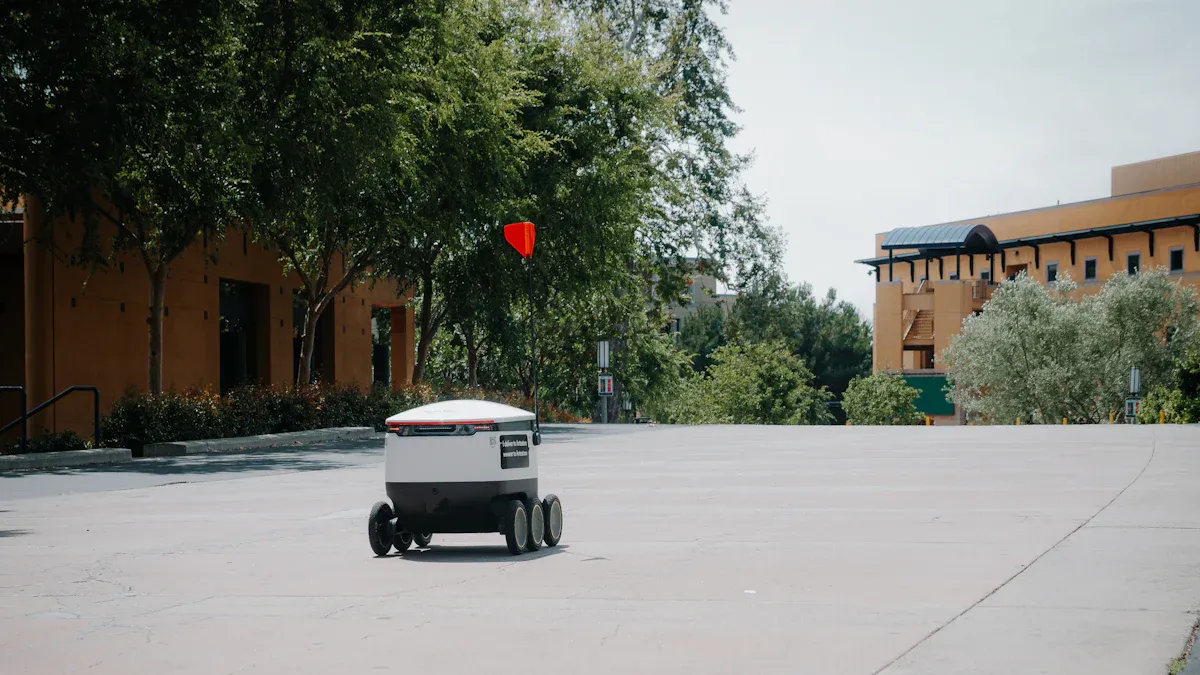
You face several major hurdles when running autonomous stores on campus. These include high operating costs, digital solution needs, system integration, security risks, and inventory management. The table below shows the most common challenges you might encounter:
Challenge Type | Description |
|---|---|
Higher Operating Costs | Increased costs require new operational models. |
Need for Effective Digital Solutions | Digital tools must boost efficiency without raising expenses. |
Integration with Campus Systems | Smooth integration is key for real-time management. |
Security and Compliance Issues | Protect sensitive data and follow changing regulations. |
Robust Inventory Management | Keep stock levels steady for smooth operations. |
You can address each challenge with targeted strategies that fit your campus needs.
Key Takeaways
Autonomous stores face challenges like high operating costs and inventory management issues. Address these with effective digital solutions and technology.
Implement automated inventory tracking systems to improve stock management. This reduces waste and enhances efficiency in operations.
Ensure strong data security measures to protect student information. Use encryption and regular training to build trust and comply with regulations.
Design inclusive stores that cater to all students. Features like accessible kiosks and clear signage enhance the shopping experience for everyone.
Run pilot programs to test new technologies and gather feedback. This helps identify issues early and improves overall service quality.
Challenges Facing Autonomous Stores
Inventory Management Issues
You face unique challenges when you manage inventory in autonomous stores on campus. Inventory tracking often becomes difficult because students buy items at unpredictable times. You must keep inventory levels steady to avoid empty shelves or wasted products. Inventory errors can lead to lost sales and unhappy customers.
Many stores use technology to improve inventory management. You can see how different systems perform in the table below:
Technology Used | Performance Improvement | Effectiveness Metrics |
|---|---|---|
Autonomous Mobile Robots (AMR) | 89% accuracy in real-time stock tracking | |
Cyber-Physical Systems (CPS) | 35% reduction in inventory holding costs | 99.2% uptime reliability |
The Nimbus bot, created by students at the University of Pennsylvania, uses LiDAR technology. It helps you track inventory in real time, optimize space, and detect safety issues. Inventory management becomes easier with these tools, but you must still check inventory often and fix errors quickly.
Privacy and Data Protection
You must protect privacy in autonomous stores. Students and staff worry about how stores collect and use their data. You need to address these concerns to build trust.
Many people worry about issues of consent, commercialization of student data, potential invasions of privacy, and risks from monitoring and profiling.
You must follow strict data protection rules. Some important regulations include:
General Data Protection Regulation (GDPR): Protects personal data and privacy in the EU.
Health Insurance Portability and Accountability Act (HIPAA): Governs health information privacy.
Payment Card Industry Data Security Standard (PCI DSS): Ensures secure handling of credit card information.
You must keep inventory data safe and protect personal information. You need to update your systems often and train staff to handle data correctly.
Accessibility in Cashierless Stores
You must make autonomous stores easy for everyone to use. Some students may have trouble with cashierless systems. You need to design stores that help people with disabilities and those who are not comfortable with technology.
You can add features like voice commands, large touchscreens, and clear signs. You must check if your inventory system works for all users. You can ask students for feedback and improve accessibility based on their needs.
Business Risks and IT Infrastructure
You face business risks when you run autonomous stores. Inventory mistakes can cost money. Technology failures can stop sales. You must invest in strong IT infrastructure to keep stores running smoothly.
You need backup systems for inventory tracking. You must test your technology often. You can reduce risks by training staff and planning for emergencies. You must keep inventory data safe and make sure your systems follow all rules.
You can solve many challenges by using reliable technology and checking inventory often.
Solutions for Campus Retail Challenges
Automated Inventory Tracking
You can solve inventory management problems by using automated inventory tracking systems. These systems give you real-time inventory visibility, which helps you keep shelves stocked and avoid waste. Automated mobile robots and smart sensors can scan shelves and update stock levels instantly. This technology reduces labor challenges and makes it easier to manage micro-fulfillment centers on campus.
While you may face high initial costs, the long-term benefits are clear. You save time and money on inventory management, and you can update prices quickly. The table below shows the main cost components you should consider:
Cost Component | Description |
|---|---|
Technology purchase | Initial investment in automated systems |
Setup and installation | Costs associated with integrating the system |
Staff training | Expenses for training employees on new systems |
Maintenance and support | Ongoing costs for system upkeep and support |
You will see significant operational efficiencies and increased revenue potential. Automated inventory tracking also helps you solve the order management challenge by giving you real-time inventory visibility across all autonomous mobile stores.
Increased revenue potential
Time and cost savings in inventory management
Easier price updates
While the initial costs can be high, you will likely see a favorable return on investment over time.
Robust Data Security Measures
You must protect consumer data in autonomous stores. Strong data security keeps students safe and builds trust. You should use strict access controls and adopt zero-trust security. This means you check every user and device before allowing access.
You need to monitor your systems for unusual activity. Regular security awareness training helps your staff spot phishing and social engineering attempts. Encrypt sensitive data both in transit and at rest. Always follow compliance requirements like FERPA and NIST 800-171.
Use multi-factor authentication for extra security.
Update and patch software often.
Segment your networks to stop attackers from moving freely.
These steps help you meet operational requirements and keep your infrastructure secure.
Inclusive Store Design
You can make your always-open autonomous store accessible to all students by using inclusive design features. Accessible touchscreens, seamless store entry with credit cards, and frictionless checkout options help everyone shop with ease. Adjustable self-checkout kiosks with large-print or audio instructions and tactile buttons support students with disabilities.
The table below lists effective design features:
Design Feature | Description |
|---|---|
Alternative Forms of Interaction | Accessible touchscreens, seamless store entry using credit cards, and frictionless checkout options. |
Adjustable Self-Checkout Kiosks | Kiosks with adjustable heights, large-print or audio instructions, and tactile buttons. |
Inclusive Store Layouts | Wider aisles and accessible pathways to enhance mobility for all customers. |
Wider aisles and accessible pathways give convenient access to every consumer. You should ask students for feedback and update your store design to meet their needs.
Risk Assessment and Pilot Programs
You can reduce business risks by running pilot programs before launching new autonomous mobile stores. Pilot programs let you test technology, train staff, and gather feedback from students. Many institutions with inclusive-access programs have reported savings of over $2 million for students in a single semester. Students also save 50% to 70% off the retail price of print materials, and they get all their materials from the first day of class.
Pilot programs help you find problems early and fix them. You can use these programs to test last-mile delivery options and see how well your systems work in real life. This approach helps you deliver convenience directly to shoppers and improve the consumer experience.
Test technology and processes
Gather feedback from students
Identify and fix problems early
Measure savings and convenience
IT Infrastructure Investment
You need strong infrastructure to support autonomous stores. Cloud-native, API-first systems help you scale and integrate your operations. Retail IoT capabilities give you real-time inventory visibility and improve efficiency. Cybersecurity measures protect your digital infrastructure and keep consumer data safe.
The table below shows key investments you should consider:
Key Investment | Description |
|---|---|
Cloud-native, API-first systems | Solutions that enable scalability, integration, and security for retail operations. |
Retail IoT capabilities | Technologies that enhance inventory management and operational efficiency. |
Cybersecurity measures | Endpoint protection and data governance to secure digital infrastructure. |
AI and Machine Learning | Tools that optimize operations and enhance customer experience through data analysis. |
Robotic Process Automation (RPA) | Automation of repetitive tasks to improve efficiency and reduce operational costs. |
Omnichannel Retail Solutions | Integration of various sales channels to provide a seamless customer experience. |
Compliance and security frameworks | Systems to ensure adherence to regulations and protect against cyber threats. |
Investing in these areas helps you meet operational requirements and support the growth of autonomous mobile stores. You can also use AI and machine learning to improve order management and enhance the consumer experience.
By following these solutions, you can overcome the main challenges of running autonomous stores on campus. You will create a safer, more accessible, and more efficient shopping experience for students and all consumers.
Enhancing Customer Experience in Autonomous Stores
Personalized Shopping Technologies
You can use personalized shopping technologies to improve the experience in cashierless stores on college campuses. AI systems suggest products based on your preferences. This makes shopping more enjoyable and efficient. You get tailored recommendations that match your needs. The technology helps you find essentials quickly. You feel more satisfied with your shopping experience.
Evidence Description | Impact on Student Satisfaction |
|---|---|
24/7 access to autonomous micro stores allows students to quickly access essentials. | Enhances the shopping experience, leading to higher satisfaction and increased usage rates. |
The ease of access contributes to a more satisfying experience for students. | Increases overall satisfaction with shopping. |
AI technology provides tailored product suggestions based on preferences. | Creates a more personalized and enjoyable shopping experience. |
Personalized services enhance the shopping experience. | Makes shopping more enjoyable for students. |
You benefit from commerce that adapts to your habits. Cashierless stores use data to improve product selection. You see products that fit your lifestyle. This approach increases satisfaction and encourages repeat visits.
Expanding Operating Hours
You can shop at cashierless stores any time you want. College campuses offer 24/7 access, so you never worry about store hours. You save time because you avoid checkout lines. You focus more on your studies and less on waiting. Commerce becomes more flexible and fits your schedule.
Evidence Type | Description |
|---|---|
Increased Sales | The University of Denver saw increased sales after implementing the eat> NOW concept. |
Student Convenience | 24/7 access to products enhances convenience for students with busy schedules. |
Time Savings | The elimination of checkout lines saves time for students, allowing them to focus more on studies. |
You see higher sales and better convenience. Cashierless stores support commerce that meets your needs. You enjoy shopping when it suits you. College campuses benefit from increased usage and happier students.
Autonomous Delivery Integration
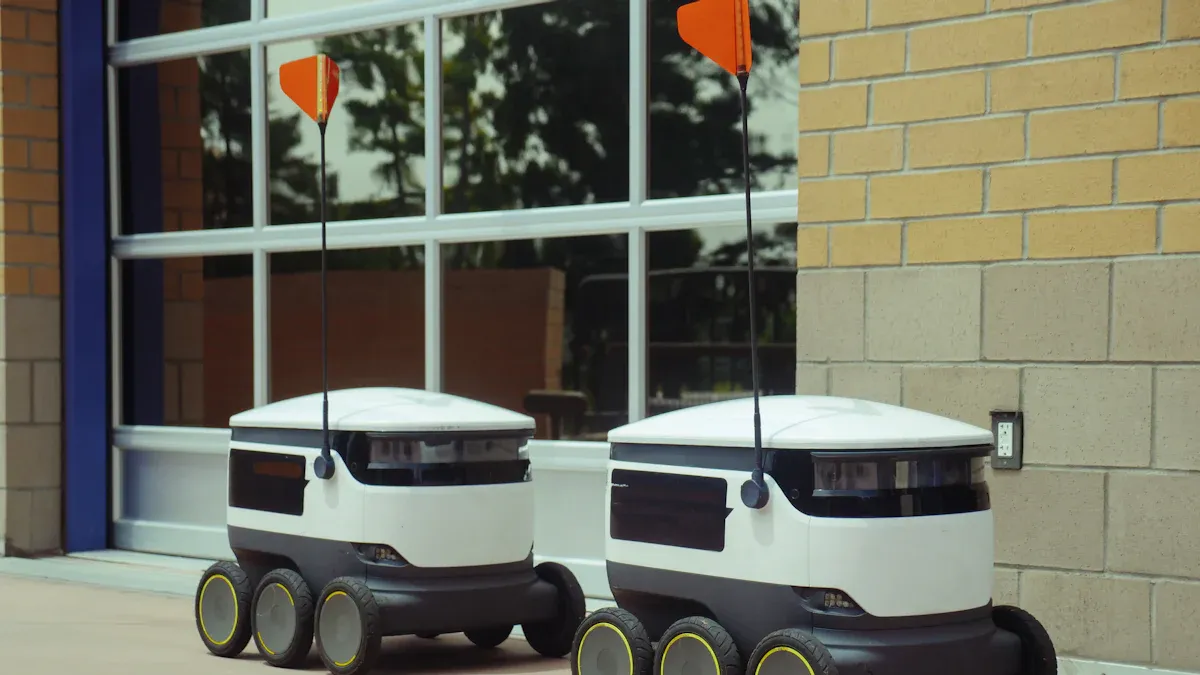
You experience new ways to shop with autonomous delivery. Cashierless stores use robots and high-tech vending options. You scan a QR code from Grubhub’s app to enter the store. You select items freely and leave without traditional checkout. Payments process automatically through your meal plan or saved payment methods. Commerce becomes seamless and easy.
“Students want three things: convenience, choice, and quality – often in that order,” explained Kevin Rettle, Global Vice President, Sodexo Innovation and Digital, Universities.
You see virtual dining concepts delivered by robots. Autonomous delivery meets your need for convenience and quality. You get food and products quickly. College campuses use autonomous delivery to improve commerce and student satisfaction.
Benefits of autonomous delivery integration:
Introduction of autonomous grocery stores and high-tech vending options.
Implementation of virtual dining concepts delivered by robots.
Focus on meeting student needs for convenience and quality in food services.
Students can access the store by scanning a QR code from Grubhub’s app.
They can select items freely and leave without traditional checkout, enhancing convenience.
Payments are automatically processed through their meal plan or saved payment methods, streamlining the purchasing process.
You see commerce evolve with autonomous delivery. Cashierless stores on college campuses offer more choices and better service. You enjoy a smoother shopping experience and greater satisfaction.
You can solve key challenges in autonomous campus stores by using smart technology, strong security, and inclusive design. These solutions help you run stores more smoothly and keep students happy.
Autonomous stores now use computer vision and hybrid models to fit different store layouts and needs.
Retailers see real value by matching technology to each campus.
Experts suggest you focus on customer engagement and collect feedback to improve shopping.
When you use these strategies, you build efficient, safe, and student-friendly stores for long-term success.
FAQ
What makes autonomous stores different from traditional campus stores?
You use autonomous stores to shop without cashiers. You scan items, pay digitally, and leave. You get faster service and flexible hours. You place orders anytime. You enjoy quick delivery of products.
How do autonomous stores handle delivery for campus orders?
You receive delivery through robots or smart lockers. You place orders using your phone. You track delivery status in real time. You pick up your orders from secure locations. You get delivery updates for every order.
Are my personal details safe when I place orders in autonomous stores?
You share your information only for orders and delivery. You see strict security measures. You get regular updates about privacy. You trust the store to protect your data during delivery and orders.
Can I place orders for delivery at any time?
You place orders for delivery 24/7. You use your campus app to schedule delivery. You get notifications for every order. You enjoy flexible delivery options. You never miss your orders.
What happens if my delivery or orders have issues?
You contact support for help with delivery or orders. You report missing items or late delivery. You get quick solutions. You track your orders until delivery. You receive updates for every delivery problem.
Tip: Always check your delivery status and order history in your campus app.
Issue Type | Solution Provided |
|---|---|
Late delivery | Contact support |
Missing orders | Request replacement |
Damaged delivery | Report for refund |
Wrong orders | Exchange or return |
See Also
Comparing Micromarkets And Smart Stores In Global Retail
The Future Of Retail Lies In AI-Driven Stores
Examining Walgreens Self-Checkout: Benefits And Retail Hurdles
Understanding The Growth Of AI-Enhanced Corner Stores
Transforming Online Retail Management With AI E-Commerce Tools
