Operational challenges of autonomous stores in Corporate offices & tech parks and how to solve them.

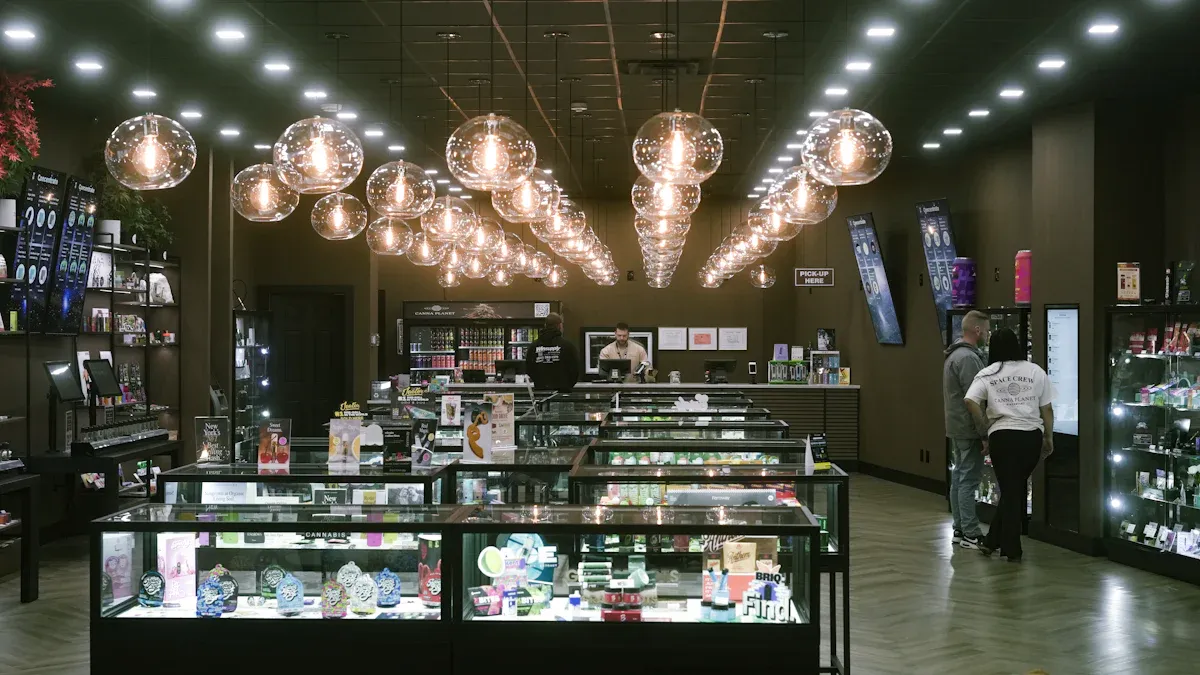
You see many operational challenges when you run autonomous stores in corporate offices and tech parks. These challenges affect how you use automation and how well your autonomous store works. You must think about the location, rules, money, and how your autonomous store fits with other systems.
Challenge | Description |
|---|---|
Place stores where people walk the most to meet demand. | |
Need for Regulatory Frameworks | Ensure compliance with local laws for autonomous devices. |
Economic Viability | Assess if the store can generate sufficient revenue to sustain operations. |
Integration Challenges | Develop plans for how the store will integrate with existing buildings and systems. |
You want your autonomous store to give people a better experience and run with more efficiency. Automation in autonomous smart stores lets you avoid lines and focus on efficiency and profitability. Automated store environments also help you use data to make better choices. You must protect privacy and scale your autonomous store for future growth.
Key Takeaways
Choose store locations wisely. Place autonomous stores where foot traffic is highest to meet customer demand.
Implement strong data management practices. Protect customer information and comply with regulations like CCPA and GDPR to build trust.
Use technology for inventory management. Automated tracking and real-time alerts help maintain stock levels and reduce errors.
Enhance customer support with remote tools. Use AI and chatbots to assist customers quickly in staffless environments.
Plan for technology integration. Ensure new systems work with existing setups to avoid operational inefficiencies.
Key Operational Challenges
Running autonomous stores in corporate offices and tech parks brings unique challenges. You must solve these challenges to keep store operations smooth and customers happy. Each challenge affects how you manage inventory, support customers, protect data, use technology, and oversee multiple locations.
Inventory Management
You need to track inventory in real time to avoid unexpected shortages and overstock. Autonomous stores use advanced technology to manage inventory, but you may still face operational inefficiencies. Vision-based systems help you track products, but they can confuse similar items or miss products hidden from view. Multi-modal sensing combines weight, vision, and vibration to improve accuracy, but it uses a lot of computing power. StockBot, an autonomous robot, gives you 12 hours of autonomy and 99% reading accuracy. It scans products, finds misplaced items, and fixes phantom inventory problems. This helps you keep inventory levels correct and reduces supply chain issues.
Technology Type | Description |
|---|---|
Vision-based systems | Used for automated inventory tracking, but can confuse similar products or miss hidden items. |
Multi-modal sensing | Combines weight, vision, and vibration for better accuracy, but needs high computing power. |
StockBot | Autonomous robot with 12 hours of autonomy and 99% accuracy, finds misplaced items and fixes errors. |
You must use the right tools to keep inventory accurate in micro-stores and small footprint stores. This helps you avoid operational inefficiencies and keeps your supply chain running smoothly.
Customer Support Without Staff
You do not have staff in autonomous stores, so you must find new ways to help customers. Many customers feel frustrated by long wait times, unavailable stock, and lack of support. The chart below shows the most common pain points for customers in staffless stores.
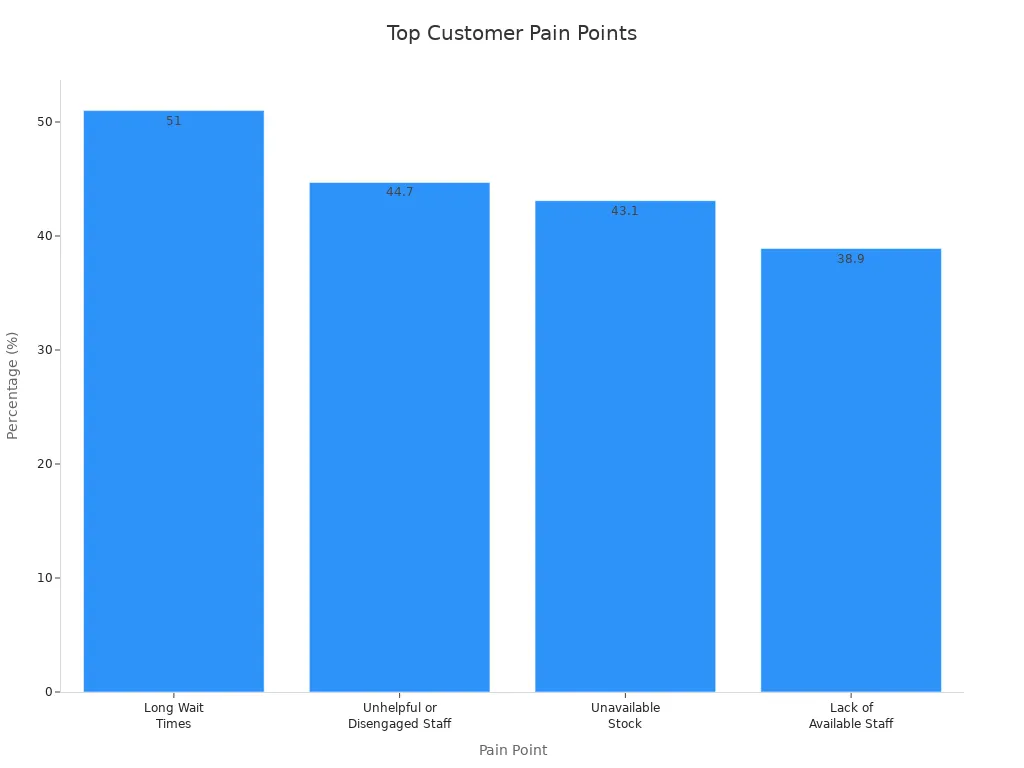
You can use remote assistance tools, AI-powered checkout, and mobile self-checkout to solve these problems. Remote operators can watch the store and help in emergencies. AI systems like AiFi let customers shop without waiting in line. MishiPay lets customers scan, pay, and leave quickly. These solutions make store operations smoother and improve the shopping experience in smart micro-format stores.
Privacy and Data Management
You must protect customer data in autonomous stores. Regulations like CCPA and GDPR require you to give customers control over their data and keep it safe. These rules help you build trust and avoid legal trouble. You need clear policies for data management and must show customers how you use their information.
Regulation | Key Features | Impact on Autonomous Stores |
|---|---|---|
CCPA | Consumer rights, data transparency, opt-out options | Maintains trust and avoids legal issues |
GDPR | Data protection, similar rights as CCPA | Critical for compliance in automated retail |
You must stay transparent and follow these rules to keep your store operations safe and legal.
Technology Integration
You face challenges when you add new technology to your autonomous stores. Old systems may not work with new tools, so you need custom solutions. You must keep data in sync between systems to avoid errors. Staff need training to use new technology. You must also follow safety and privacy laws. If you do not solve these challenges, you may face operational inefficiencies and unexpected shortages.
Compatibility issues with old systems
Data synchronization problems
Staff training needs
Regulatory compliance
You must plan carefully to keep your store operations running smoothly.
Managing Multiple Stores
Managing multiple stores across different locations is hard. You must keep inventory levels correct in each store to avoid shortages or overstock. Poor communication can cause confusion and hurt your brand. You need real-time oversight to spot problems early. If you do not manage multiple stores well, you may face unexpected shortages and lose customer trust.
Challenge | Description |
|---|---|
Managing stock across locations can cause shortages and overstock. | |
Communication Breakdowns | Poor communication leads to confusion and inconsistent operations. |
Inconsistent Store Operations | Service quality and product availability may vary, hurting your brand. |
Limited Oversight | Lack of real-time monitoring can cause problems that disrupt operations. |
You must use strong systems to keep your operations consistent and efficient in micro-stores and small footprint stores. This is key for multi-location businesses.
Security and Oversight
You must keep your autonomous stores safe from theft and damage. You need AI surveillance to watch for suspicious activity. Scheduled audits help you find and fix problems before they grow. Good oversight keeps your store operations secure and protects your inventory.
Tip: Use AI cameras and regular audits to spot issues early and keep your stores safe.
You must address these challenges to keep your autonomous stores running well. When you solve these problems, you improve customer satisfaction and make your business stronger.
Inventory Solutions for Store Operations
Automated Tracking
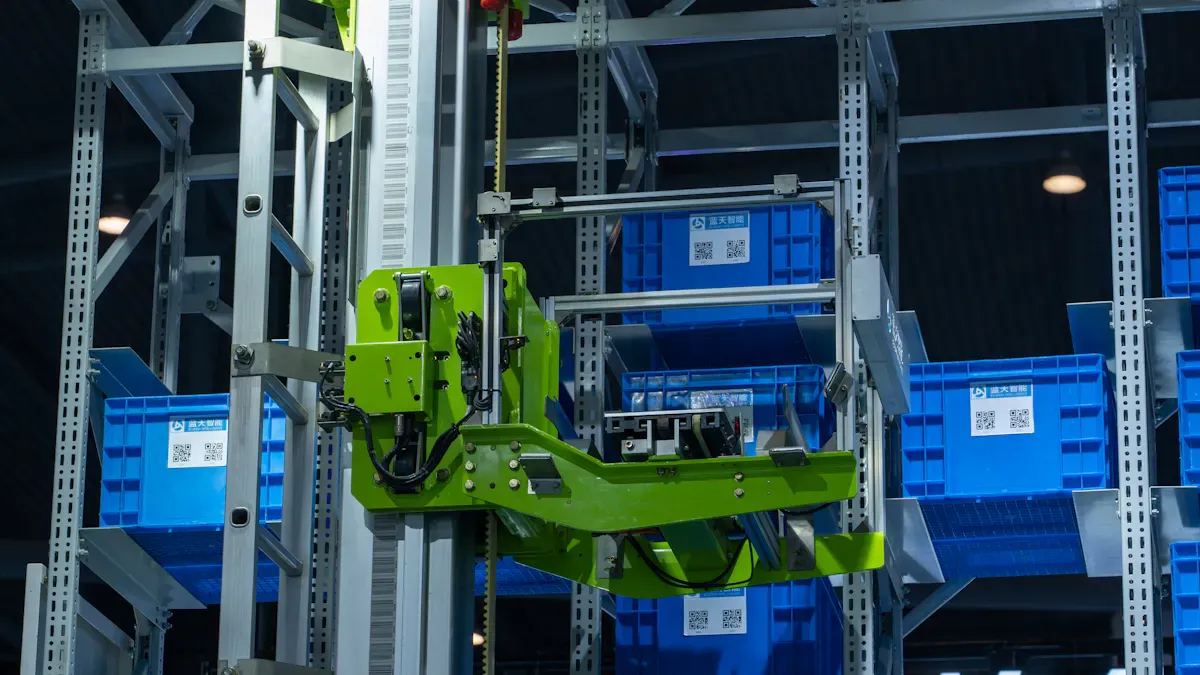
You can use automated tracking to keep your store running smoothly. Autonomous inventory robots now work in many convenience and department stores. These robots move through aisles and scan products, helping you keep track of every item. They use AI and RFID technology to check inventory levels and spot misplaced products. Specialty stores, like electronics and apparel shops, also use these robots to protect high-value items and prevent loss. When you connect these robots to a centralized tracking system, you get better control over your inventory and reduce mistakes.
Real-Time Stock Alerts
You need to know when shelves are empty or running low. Real-time stock alert systems use cameras and AI to watch your shelves all the time. These systems send you alerts right away if they spot empty spaces or low stock. This helps you restock quickly and keep products available for your customers. Image recognition makes these alerts more accurate than manual checks. You get live information about your inventory, so you never miss a stockout. This technology also helps you balance your stock and avoid having too much or too little on hand.
Tip: Use real-time data from your stock alert system to make faster decisions and improve customer satisfaction.
Predictive Restocking
You can use predictive restocking to plan ahead and avoid running out of products. Leading autonomous store operators use autonomous mobile robots with RFID to read inventory tags and check product locations. These robots move through your store and collect data, giving you a clear view of what you have in stock. A 2024 Accenture report shows that stores using these robots cut costs by 23% and improved inventory visibility by 17% in two years. Predictive restocking uses this data to forecast demand and schedule orders before you run out.
Enhancing Customer Support

Remote Assistance Tools
You can improve support in autonomous stores by using remote assistance tools. These tools help you solve problems quickly and keep your store running smoothly. Remote visual assistance lets you see what customers see through video feeds from mobile devices or smart glasses. This real-time view helps you guide customers step by step. Augmented reality tools make it even easier for you to show customers what to do.
Remote support gives you instant diagnosis and fast solutions for tech issues.
You save money because you do not need to send technicians to every store.
One person can manage several stores at once, which keeps communication strong and oversight consistent.
You can help customers directly at digital kiosks or self-checkout systems, solving problems on the spot.
Remote software lets you collect feedback right away, making customers feel heard.
Experts can use live video to give technical help, which speeds up issue resolution and improves first-time fix rates.
Augmented reality in remote support platforms helps you and your customers work together better.
When you use these tools, you make communication faster and more effective. This leads to a better customer experience and fewer problems in your store.
Automated Help Systems
Automated help systems give you another way to support customers without staff. These systems use chatbots and digital guides to answer questions and solve problems any time of day. You can use them to help customers in different languages, making your store friendly to everyone. Automated help systems also collect feedback, so you can learn what customers want and improve your services.
Benefit | Description |
|---|---|
Instant Support | Offers 24/7 help, making shopping easier for customers. |
Resource Efficiency | Handles many questions at once, so your staff can focus on other tasks. |
Multilingual Support | Assists customers in many languages, reaching more people. |
Customer Feedback | Collects real-time insights to help you improve products and services. |
User-Friendly Guidance | Makes returns and exchanges simple, improving the overall experience. |
Automated help systems keep communication open at all times. You can answer questions, solve problems, and collect feedback without delay. This strong communication builds trust and keeps your store running smoothly.
Privacy and Data Security
Data Management Strategies
You must protect customer information in autonomous stores. Good data management helps you keep privacy and security strong. You need to decide what information to collect and when to collect it. Clear rules help you use information in ways that benefit your business and your customers. Secure storage stops unauthorized access and keeps information safe. You should also explain who owns the information and how you might use it for business growth.
Here are some best practices for managing information in autonomous stores:
Best Practice | Description |
|---|---|
Data Collection | Define what information to collect and set guidelines for collection timing. |
Data Usage | Outline how you will use the information within your organization. |
Data Storage | Use secure methods to store information and prevent unauthorized access. |
Data Ownership and Monetization | Clarify who owns the information and explore ways to use it for business growth. |
Compliance with Regulations | Stay updated with rules like CCPA to protect customers and follow the law. |
Tip: Use secure storage and clear guidelines to build trust with your customers.
Compliance and Transparency
You must follow privacy laws to avoid fines and protect your reputation. Regulations like GDPR and CCPA change often, so you need to stay informed. Strong data management practices help you meet these rules. You should use catalogs to find sensitive information and control who can access it. This keeps your store safe and shows customers you care about their privacy.
Regulatory compliance helps you avoid legal trouble and keeps your business safe.
Good data management practices make it easier to follow privacy laws.
Catalogs help you identify sensitive information and manage access.
You build trust when you stay transparent about how you use information. Customers feel safe when they know you protect their privacy. You should always explain your policies and update them as laws change.
Technology and IT Challenges
Seamless Integration
You face many hurdles when you try to connect new technology with your existing store systems. Integrating artificial intelligence with your current retail setup needs skilled IT professionals. You must adjust your processes to fit the new technology. Here are some common challenges you may encounter:
Technical integration often requires changes to your store’s software and hardware.
Data privacy and security become more important as you collect and analyze customer information.
The cost of new technology can be high, so you must check if the investment matches your long-term goals.
You need to plan carefully to make sure your technology works well with your store’s daily operations.
Distributed Infrastructure
When you run several autonomous stores, you need a strong IT setup that can grow with your business. Distributed infrastructure helps you manage many locations at once. Automation plays a big role in keeping your stores running and predicting when maintenance is needed. The table below shows how distributed infrastructure supports your store’s growth:
Source | Key Points |
|---|---|
Automation in Distributed Infrastructure | Automation keeps your systems running and helps you spot problems before they cause downtime. |
Best Practices for Scaling IT Infrastructure | Planning for growth with modular systems and automation helps you manage more stores easily. |
Simplifying Management Across Multiple Locations | Centralized control and automation make it easier to run many stores at once. |
You can use these strategies to keep your technology reliable as your business expands.
IT Support
You must keep your technology running smoothly to avoid store downtime. Continuous training of AI models helps your systems recognize products and track customers better. You should set up strong networks and backup power to prevent outages. Regular hardware checks and clear rules for updates keep your systems reliable.
Train your AI models often to improve accuracy.
Use backup networks and power supplies to avoid interruptions.
Schedule regular checks and updates for all hardware and software.
Tip: Proactive maintenance and clear support protocols help you keep your autonomous stores open and dependable.
Managing Multiple Stores Effectively
Synchronized Inventory Systems
You need a synchronized inventory system to manage multiple autonomous stores. This system helps you keep track of products in every location. When you use real-time updates, you always know what is in stock. You can move products between stores quickly. Your team can work together in the same system, which makes your job easier.
Here is how a synchronized inventory system improves your operations:
Feature | How It Helps You |
|---|---|
Real-time updates | You see inventory changes instantly across all your stores. |
Automatic stock transfers | You move products between stores or warehouses without delay. |
Multiuser access | Your team members from different departments can update and check inventory at the same time. |
A synchronized system reduces mistakes. You avoid running out of products or having too much stock. You save time and money because you do not need to check each store by hand. Your stores run more smoothly, and your customers find what they need.
Tip: Use a centralized dashboard to watch inventory levels and make quick decisions.
Consistent Customer Experience
You want every customer to have the same great experience, no matter which store they visit. You can use several methods to make this happen:
Data Collection and Analysis: You gather information about what your customers like and how they shop. This helps you stock the right products.
Unified Commerce: You give customers the same shopping experience online and in your stores. This builds trust and keeps them coming back.
Technology Integration: You use self-checkout kiosks, smart shelves, and automated systems. These tools make shopping easy and keep products available.
Staff Training: You train your team to use new technology. Well-trained staff help customers and solve problems fast.
When you use these methods, you create a smooth and reliable shopping experience. Customers know what to expect and feel confident shopping at any of your locations. This builds loyalty and helps your business grow.
Security and Oversight Solutions
AI Surveillance
You need strong security in autonomous stores. AI surveillance gives you real-time monitoring of your store. Cameras and sensors work together to watch every corner. The system can spot unusual behavior, such as someone trying to steal or damage products. You get alerts right away, so you can act fast. A smart monitoring system uses artificial intelligence to learn what normal activity looks like. When something strange happens, it sends you a warning. This helps you keep your store safe even when no staff are present. You can also use monitoring to check if equipment works well and if customers follow store rules. With these tools, you build a safer shopping environment and protect your business.
Tip: Set up regular monitoring reviews to make sure your AI system stays accurate and up to date.
Scheduled Audits
Scheduled audits help you keep your store running smoothly. You use audits to check if your store follows rules and meets high standards. In the past, audits happened only once in a while. Now, you need continuous monitoring to keep up with new regulations. The table below shows how audits have changed in autonomous retail:
Aspect | Description |
|---|---|
Shift in Oversight | Regulatory oversight is moving from periodic reviews to continuous verification. |
Real-time Assessment | Future audits will require real-time assessment of system behavior for compliance. |
Continuous Audit Readiness | Emphasizes the need for embedded continuous audit readiness in autonomous systems. |
You can use digital store audits to create structured, data-driven workflows. These audits standardize the process across all your locations. They also turn audits from a subjective task into a continuous compliance system. With regular monitoring, you spot problems early and fix them before they grow. This keeps your store ready for any inspection and builds trust with your customers.
Digital audits create clear steps for checking your store.
You use the same process everywhere, so every store meets the same standards.
Continuous monitoring helps you stay compliant all the time.
When you combine AI surveillance with scheduled audits, you get a complete security solution. You protect your store, keep your customers safe, and meet all legal requirements.
You face many challenges when you run autonomous stores. You must manage inventory, support customers, protect data, and keep technology updated. Recent case studies show that you need to:
Check hardware regularly.
Teach customers how the store works.
Integrate new tools with old systems.
Key Point | Why It Matters |
|---|---|
Helps you adapt to business changes. | |
Ongoing support and optimization | Keeps your store running smoothly. |
Stay proactive and keep improving your store for long-term success.
FAQ
How do you keep inventory accurate in autonomous stores?
You use automated tracking systems like RFID and AI-powered robots. These tools scan shelves and update stock levels in real time. You reduce errors and avoid running out of products.
What should you do if a customer needs help in a staffless store?
You can offer remote assistance through video calls or chatbots. Customers get support quickly. You also provide clear instructions at kiosks and on mobile apps.
How do you protect customer privacy in autonomous stores?
Step | Action |
|---|---|
Collect only needed | Limit data collection |
Secure storage | Use encryption |
Stay transparent | Explain data use to customers |
You follow privacy laws and update policies often.
What is the best way to manage multiple autonomous stores?
You use a synchronized inventory system. This system updates stock levels across all locations. You also set up centralized dashboards to monitor performance and move products as needed.
See Also
The Future of Retail: Embracing AI-Driven Stores
Understanding the Growth of AI-Enhanced Convenience Stores
Comparing Micromarkets and Smart Stores in Global Retail
