Peak passenger flow made easy with smart AI retail

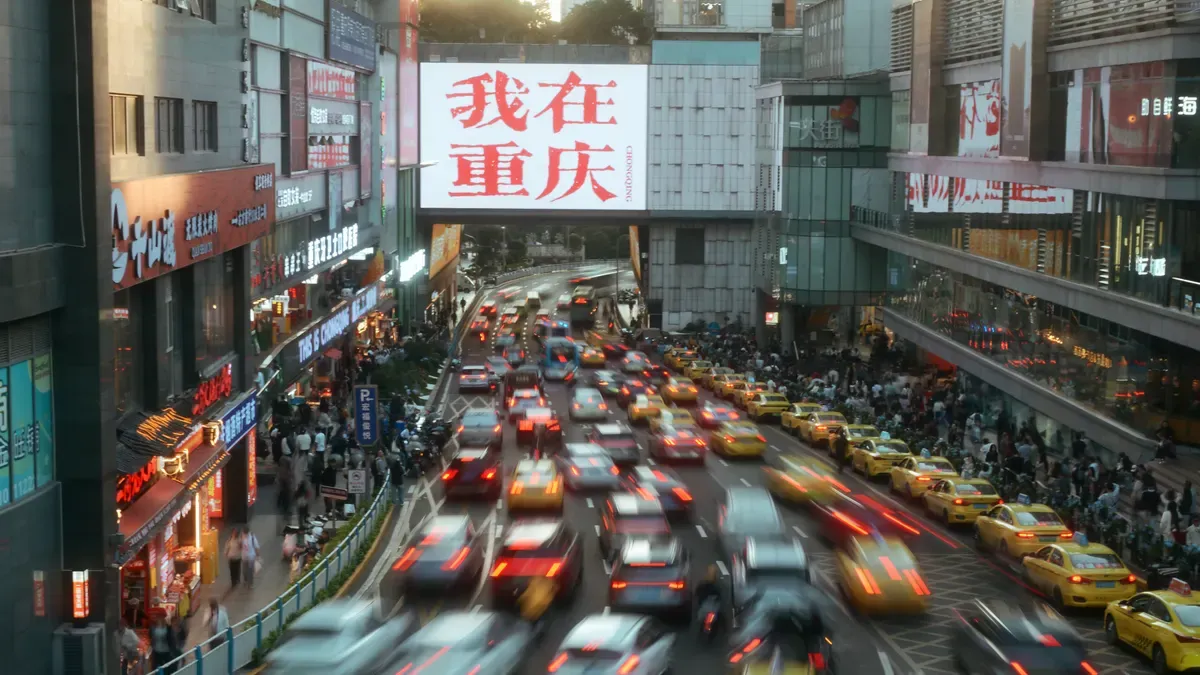
Smart AI retail provides you with powerful tools to manage peak passenger flow effortlessly. You achieve greater efficiency with real-time inventory and product suggestions, similar to what Tractor Supply offers. H&M demonstrates how AI aids in making supply chain decisions and reduces waste. Real-time feedback allows you to monitor passenger experience and address issues more swiftly. By enhancing staffing and layout to facilitate smooth movement during peak passenger flow, you enable teams to collaborate effectively, resulting in increased customer satisfaction.
Key Takeaways
Smart AI retail tools help control busy passenger flow. This makes customers happier and cuts down wait times. Predictive analytics lets businesses guess when crowds will come. This helps them plan staff and stock ahead of time. Real-time monitoring with spatial AI spots crowded places fast. This means changes can be made right away to help passengers. Automated staffing and inventory systems put the right people and items in place. This stops empty shelves and long lines during busy times. Personalized retail experiences with AI make customers more interested. This helps them come back and buy more.
Challenges of Peak Passenger Flow

Bottlenecks and Delays
When lots of passengers move at once, bottlenecks and delays happen. Lines get long at checkouts, security, or entrances. These slowdowns make passengers upset and stressed. If peak passenger flow is not managed well, crowded spots become hard to control. Even small delays can slow down everything for everyone.
Tip: Look for places where lines grow fast. These spots need extra help during busy times.
Resource Allocation Issues
You must use staff and resources smartly during peak passenger flow. Too few workers means slow service for passengers. Too many workers wastes money and time. Many places find it hard to guess how many people will come and when. This makes planning for busy times tricky. You might run out of products or have empty shelves, which makes customers unhappy and hurts sales.
A simple table shows how using resources affects results:
Scenario | Result |
|---|---|
Too few staff | Long waits, poor service |
Too many staff | Higher costs, idle workers |
Poor inventory planning | Stockouts, missed sales |
Customer Experience Gaps
You want every passenger to have a good experience, even when it is busy. If you do not meet their needs, passengers feel ignored or confused. Signs may not be clear, or staff may not answer questions fast. This can cause bad reviews and fewer people coming back. Clear signs and quick service help keep passengers happy.
Listen to what passengers say.
Make signs and directions easy to read.
Teach staff to answer questions fast.
AI Solutions for Peak Passenger Flow
Predictive Analytics for Passenger Patterns
Predictive analytics helps you know when crowds will form. AI systems gather data from checkouts, entrances, and security lines. These systems look for patterns in how people move. They show you where and when crowds might happen. This helps you plan ahead and stop problems before they start.
Passenger flow management systems count how many people come and go at different times.
Footfall analytics tell you which spots get busy and which sales bring more people.
Real-time monitoring lets you make quick changes to reduce wait times and keep customers happy.
Note: Predictive analytics helps you make smart choices during busy times. You can use this to keep lines short and customers smiling.
Real-Time Monitoring with Spatial AI
Spatial AI and sensors like LiDAR show you what is happening right now. These tools make a map of your space and track where people are. You can see crowded spots and fix them fast to keep things moving.
LiDAR makes a 3D map of your store or terminal. It tracks how people move and helps you learn about their trips.
Intelligent displays help guide people to less busy areas or open checkouts.
Real-time monitoring systems, like those on the Hong Kong-Zhuhai-Macau Bridge, made response times 67% faster and cut accidents by 40%. In Shenzhen, AI traffic signals made travel times 15% shorter and delays up to 28% less.
You can use these tools to handle busy times, stop bottlenecks, and make things safer.
Automated Staffing and Inventory
AI helps you put the right number of workers in the right place. It checks airline schedules, booking trends, and wait times to guess when you need more help. This means you can stop long lines and empty shelves.
AI counts how many people are in line and sends alerts if it gets busy.
Predictive models tell you when to add staff or move workers to busy spots.
Automated inventory systems keep shelves full, so you do not miss sales during busy times.
Tip: Automated staffing and inventory save money and keep customers happy. You do not waste resources, and everyone gets served faster.
Personalized Retail Experiences
AI-powered personalization makes each person feel special. Virtual assistants give real-time help and updates. You can send offers and info based on what each person likes.
Companies using real-time personalization see a 10–15% rise in revenue.
Advanced personalization can make marketing work up to 30% better.
Almost 80% of business leaders say customers spend more when things are personalized, with spending going up by 34%.
You can use AI to greet people by name, suggest products they want, and answer questions fast. This makes customers happier and boosts sales, even when it is busy.
Callout: Personalized experiences turn busy crowds into loyal customers. You build trust and get people to come back.
Key AI Technologies at a Glance
Application | Description |
|---|---|
Tracks where passengers are to manage crowd levels. | |
Congestion Alerts | Warns you when areas get crowded so you can act fast. |
Queue Management Systems | Adjusts staffing based on line length and service speed. |
Proactive Congestion Identification | Spots slowdowns before they become a problem. |
Predictive Modeling | Helps you plan for busy times and make smart decisions. |
Tools like LiDAR analytics and intelligent displays help you guide people and control crowds. They give you journey details and live maps, so you always know what is going on.
Financial Impact of AI Retail Solutions
Metric | Value |
|---|---|
$5.44 for every dollar spent | |
Percentage of organizations using AI | 78% |
Cost reductions achieved by major retailers | 10-30% |
Year-over-year growth of retail AI market | 30% |
You can save money and make more when you use AI to handle busy times. Most stores that use AI say they work better and earn more.
AI in Action: Success Stories
Airport Case Studies
You can see how smart AI retail works in real airports. At Changi Airport in Singapore, AI-powered cameras and sensors track how people move. The system finds crowded spots and sends alerts to staff. Staff then open more checkouts or guide passengers to less busy areas. In London Heathrow, AI predicts when flights will arrive and how many people will enter the terminal. This helps managers plan for busy times and avoid long lines.
Note: Airports that use AI can spot problems before they grow. You get smoother journeys and less stress for everyone.
Efficiency and Sales Improvements
AI retail solutions help you work faster and sell more. In one airport, AI queue management cut wait times by 25%. Stores used AI to keep shelves stocked during busy hours. This stopped stockouts and boosted sales by 18%. You can use real-time data to move staff where they are needed most. This means you do not waste time or money.
Benefit | Result |
|---|---|
Shorter wait times | 25% reduction |
Higher sales | 18% increase |
Fewer stockouts | 30% less |
Enhanced Passenger Satisfaction
You want passengers to feel happy, even during peak passenger flow. AI helps you greet people by name and offer products they like. Virtual assistants answer questions fast. Passengers find their way with smart signs and get help right when they need it. Surveys show that airports using AI see a 20% jump in customer satisfaction scores.
Passengers spend less time waiting.
People find what they need faster.
More travelers return for future trips.
Callout: When you use AI, you turn busy crowds into happy customers who want to come back.
Implementing Smart AI Retail
Assessing Peak Flow Needs
First, you need to know when and where crowds happen. Check old data and watch how people move around. Use simple tools to count passengers and see busy times. Ask your staff about the hardest times during peak passenger flow. This helps you find the spots that need the most help.
Tip: Walk around your store or terminal when it is busy. Look for places where lines get long or people seem lost.
Selecting AI Retail Solutions
Pick AI tools that fit what you need. Some tools watch how passengers move. Others guess when crowds will show up. You can choose tools for inventory, staffing, or helping passengers. Make sure the technology works for your space and goals. Many managers have problems like hard systems, not enough skilled workers, and higher costs. You can fix these by choosing easy tools and teaching your team.
Not enough vehicles or skilled workers slows things down.
It is hard to change plans during busy seasons.
Some technology is hard to use.
Delivery costs keep going up.
It is tough to see what is happening after orders are made.
Using many channels with different tech makes things slow.
Staff Training and Integration
You must teach your staff how to use AI tools. Show them how to read alerts and act fast. Practice with new systems when it is not busy. Make sure everyone knows what to do. When your team feels sure, things run better and passengers are happier.
Note: Training helps your staff feel ready for busy times. It builds trust and teamwork.
Continuous Optimization
Keep making your AI retail solutions better. Use data to find new patterns and change your plans. Try new ways to make your system work best. The table below shows ways to make your approach better:
Method | Description |
|---|---|
Predictive Analytics | Uses old data to guess busy times and crowd sizes, so you can plan resources better. |
Real-Time Monitoring | Watches how passengers move to stop crowds before they start. |
Automated Queue Management | Uses systems to make check-in and security faster, so people wait less. |
Resource Optimization | Changes staff and resources using real-time data and booking trends to work better. |
You use these ways to keep your system strong. As things change, your AI tools adjust and help you stay ahead.
Smart AI retail helps you handle busy times easily. The table below shows the main benefits:
Benefit | Description |
|---|---|
Optimizing Store Layouts | You move products to better spots after watching how people walk. |
Enhancing Marketing Strategies | You make better ads by learning what customers enjoy. |
Improving Staff Allocation | You send workers to the busiest places when it gets crowded. |
Delivering Personalized Experiences | You give each customer a special touch that makes them smile. |
More stores and airports use AI every year. The market for passenger flow management is growing quickly. Companies use AI and real-time data to keep crowds moving and make things safer. Big companies like Siemens Mobility and Huawei are leading smart city projects.
You can start using these tools now. This will help your space work better, make customers happy, and earn more money during busy times.
FAQ
What is smart AI retail?
Smart AI retail uses artificial intelligence to help you manage stores or terminals. It tracks people, predicts busy times, and gives you real-time data. You make better decisions and improve customer service.
How does AI help during peak passenger flow?
AI watches crowd movement and predicts busy spots. You get alerts when lines grow. You can move staff or open more checkouts quickly. This keeps everything running smoothly.
Is it hard to set up AI retail solutions?
You can start with simple tools. Many systems work with your current setup. Training helps your team learn fast. Most companies see quick results.
Will AI replace staff?
AI supports your staff. It handles routine tasks and gives alerts. Your team can focus on helping customers and solving problems. You keep people at the center.
See Also
The Future of Retail Lies in AI-Driven Stores
Transforming Online Retail Management with AI Tools
Modern Retail Benefits from AI-Enhanced Combo Vending Machines
