Designing promotions and discounts for autonomous retail in Universities & campus retail.


Creative promotions and discounts can transform how you attract students to your campus store. You can use technology to make shopping fast and easy, which boosts convenience for your customers. Flexible offers improve the experience and drive more sales. When you use data, you can see what works and measure results.
Key Takeaways
Use technology to create fast and easy shopping experiences. Autonomous checkout saves time and reduces stress for busy students.
Design promotions that feel special, like limited-time offers or first-time discounts. These strategies encourage students to try new shopping methods.
Implement loyalty programs to reward repeat customers. Points systems can build connections and encourage students to return to your store.
Gather student feedback to improve promotions. Listening to their needs helps create better offers and enhances the shopping experience.
Keep promotions clear and simple. Use digital signs and mobile alerts to ensure students know about deals and discounts.
Autonomous retail on campus
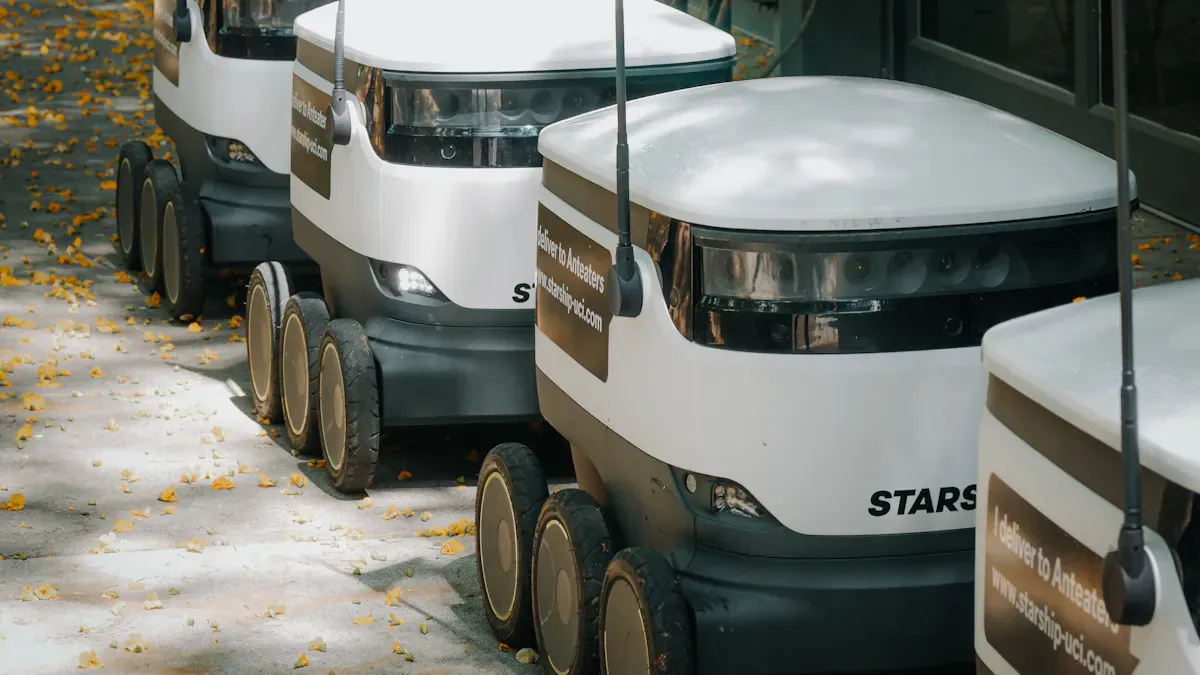
What is autonomous retail?
You see autonomous retail changing how students shop on campus. Autonomous checkout lets you walk into stores, pick up what you need, and leave without waiting in line. These stores use sensors and cameras to track what you take. The system charges your account automatically. You find this technology in micro stores, grab-and-go retail spots, and even in some self-service locations. Cashier-less outlets make shopping fast and easy. You do not need to talk to a cashier or handle cash. This system works well for busy students who want to save time.
Opportunities and challenges
Autonomous stores give you many benefits. You can shop any time, day or night. This 24/7 access helps you buy food, drinks, or essentials when you need them. You do not have to worry about store hours. Contactless shopping means you skip lines and checkout counters. You grab your items and go. This makes your day smoother and less stressful. Security features in these stores protect you and your purchases. The system reduces theft and errors.
Tip: Use autonomous checkout to speed up your shopping and avoid crowds during busy times.
You may face some challenges with autonomous retail. Some students may not know how to use the technology at first. Stores need to teach you how autonomous checkout works. Promotions can be harder to explain without staff. You might miss out on deals if you do not see them on your phone or at the entrance. Campus retail managers must find ways to share offers clearly. They should use digital signs and mobile apps to help you find discounts. The market for autonomous stores keeps growing, so you will see more options and better technology soon.
Understanding student needs
Shopping patterns and preferences
You want a shopping experience that feels personal and fun. Gen Z students like you expect smart technology in campus stores. You look for quick and easy shopping that fits your busy schedule. Many students enjoy these features:
Smart systems that learn your habits and suggest items you might like.
Personalized messages that show you deals and offers you care about.
Frictionless checkout that lets you pay fast and move on with your day.
A seamless shopping experience that builds trust and keeps you coming back.
You want campus stores to know what you like. When you see offers that match your interests, you feel valued. AI-driven tools help stores give you recommendations based on what you buy. Analytics help campus retailers understand what students need most.
Peak times and engagement drivers
You can help campus stores improve by sharing your feedback. Retailers use different ways to learn about your shopping habits and what makes you want to visit. Here are some methods they use:
See if your attendance at events or activities changes how you shop.
Post and comment on social media about your favorite deals.
Get follow-up emails or texts with special offers.
Notice if sales go up during big campus events.
Play games or join challenges that make shopping more fun.
Join focus groups to talk about your shopping experience.
Tip: When you share your opinions, you help campus stores create better promotions and discounts for everyone.
Retailers use these tools to find out what works best. They want to make your shopping experience better every day.
Promotions and discounts strategies
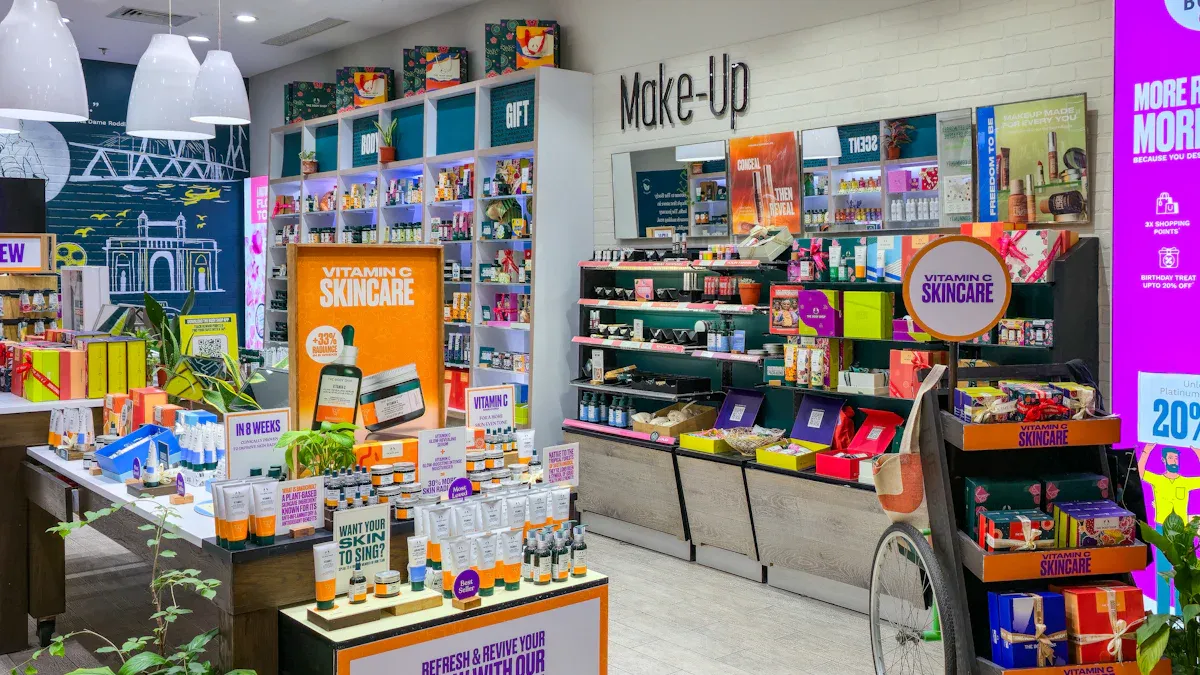
Designing promotions and discounts for autonomous retail on campus requires creativity and flexibility. You want to attract students who value convenience and technology. You can use both online and in-store experiences to make your offers stand out. The right strategy helps you boost sales, manage inventory, and build loyalty in your market.
Time-based and first-time offers
You can use time-based offers to create excitement in your stores. Limited-time deals encourage students to act fast. When you set a short window for a discount, you make the offer feel special. Students often feel motivated to buy because they do not want to miss out. Research shows that these promotions can improve how students see the value of your products. If you remind students about the regret of missing a deal, you can reduce negative feelings about time limits.
You can also use first-time offers to help students try autonomous checkout. Many students feel curious but unsure about new technology. You can make the first experience easy and rewarding. Here are some ways to do this:
Use clear messages in your promotional materials to show how simple and convenient autonomous checkout can be.
Add in-app announcements and step-by-step guides to help students use the system.
Work with student influencers to share their experiences on social media and build trust.
Give a special discount or free item for the first autonomous checkout.
These strategies help students feel comfortable with autonomous technology. You build confidence and encourage repeat visits.
Bundle deals and loyalty rewards
You can use bundle deals to increase the value of each sale. When you group related items together, you help students save money and clear inventory faster. For example, you can offer a snack, drink, and sandwich as a meal bundle. You can also create study packs with notebooks, pens, and snacks. Bundle deals work well in autonomous stores because students want quick choices and good value.
Loyalty rewards keep students coming back. You can set up a points system in your app. Each time a student uses autonomous checkout, they earn points. Students can redeem points for discounts, free items, or exclusive rewards. This strategy builds a connection between students and your stores. You can also use loyalty programs to track shopping patterns and adjust your promotions and discounts.
Tip: Use loyalty rewards to thank students for choosing contactless shopping. You show appreciation and encourage more visits.
Flash sales and exclusive rewards
Flash sales create excitement and drive traffic to your stores. You can announce a flash sale through your app or social media. For example, you can offer 50% off select items for two hours. Students love surprises and quick deals. Flash sales help you move extra inventory and boost sales during slow periods.
Exclusive rewards make students feel special. You can offer early access to new products or invite-only events for your most loyal customers. You can also create digital badges or limited-edition items for students who use autonomous checkout often. These rewards build a sense of community and make your market stand out.
You can integrate online and in-store experiences to make your promotions and discounts even stronger. Many brands use mobile integration, social media engagement, and click-and-collect options to connect with students. The table below shows some trends you can use in your strategy:
Trend | Description |
|---|---|
Mobile Integration | Use your app for browsing, purchasing, and enhancing in-store experiences with features like click-and-collect. |
Social Media Engagement | Drive both online and in-store traffic, gather insights, and build a student community. |
Integration of Experiences | Offer click-and-collect to streamline purchasing and improve convenience, merging online and in-store interactions. |
Real-World Examples | Brands like Nike, Zara, and Nordstrom use omnichannel strategies to boost engagement and convenience. |
You can use these trends to design promotions and discounts that fit the needs of your campus. You help students enjoy contactless shopping and make your stores a top choice for convenience and value.
Personalization with technology
Personalization helps you feel seen and valued when you shop. You can use technology to make every promotion fit your needs. This approach makes your shopping experience better and helps you find deals you care about.
Data analytics for targeted offers
Data analytics lets you see which promotions work best for you. Stores collect information about what you buy and when you shop. They use this data to send you offers that match your habits. For example, if you often buy snacks in the afternoon, you might get a discount on your favorite chips at that time. This targeted approach saves you money and makes shopping more fun.
Mobile apps and digital coupons
Mobile apps give you easy access to digital coupons and special deals. You can scan QR codes in the store or get notifications about new offers. These tools help you stay updated and never miss a discount. Digital engagement tools also let stores track how you interact with promotions. You can see the impact in many ways:
Description | |
|---|---|
Real-time tracking | Enables immediate insights into customer interactions with promotions. |
Scan volume | Measures the number of times QR Codes are scanned, showing engagement levels. |
Signage effectiveness | Assesses how well promotional displays attract your attention and drive interactions. |
A/B testing | Compares different marketing strategies to see which works better. |
Campaign performance monitoring | Tracks how promotions perform across locations, helping improve strategies. |
Customer preferences and behavior | Gathers insights into what you like and how you shop during promotions. |
You can use these features to get the most out of every visit.
AI-driven automation
AI-driven automation uses smart systems to make your shopping experience even more personal. These systems learn what you like and suggest new products. They also help stores deliver discounts right when you need them. Many students want this kind of personalized outreach. In fact:
74% of students want personalized communication and outreach.
35% of campus leaders see personalized marketing as a top opportunity for AI.
You can see the benefits in the table below:
Evidence Description | Impact on Student Satisfaction |
|---|---|
AI-powered algorithms tailor recommendations based on unique preferences | Enhances shopping experience and fosters deeper connections with brands |
Machine learning analyzes data to identify patterns | Enables targeted and efficient shopping journeys, driving satisfaction and loyalty |
You can trust technology to make your campus shopping smarter and more rewarding.
Implementing autonomous checkout promotions
Setup and integration
You can set up autonomous checkout promotions in your campus store by following a few clear steps. First, check if your current systems can support new technology. Make sure your hardware and software work well with AI-powered tools. Choose solutions that fit your store’s needs and are easy for students and staff to use. Involve everyone in the process. Ask for feedback and give training so everyone feels comfortable with the new system. Use AI to make operations smooth and reduce wait times. This will help you create a better shopping experience for students.
Assess your store’s readiness for autonomous checkout.
Pick technology that matches your goals.
Train staff and students on how to use the system.
Personalize promotions to match student preferences.
Use feedback to improve the setup.
Testing and optimization
After you set up autonomous checkout, you need to test and improve your promotions. Start by running small campaigns. Watch how students respond. Use data to see which offers work best. Try different types of promotions, like time-based deals or bundle offers. Use A/B testing to compare results. Track how many students use each promotion and how it affects sales. Make changes based on what you learn. Keep testing until you find the best mix for your campus.
Tip: Measure success by looking at student satisfaction, how fast checkout works, and how well the technology supports your goals.
Seamless student experience
You want every student to enjoy a seamless checkout. At San Jose State University, the Ginger Market used autonomous checkout to cut down long lines and make shopping easier. Students like frictionless systems because they save time and avoid hassle. Self-serve stores use technology to create a fast shopping experience. This is important for student satisfaction. When you focus on speed and ease, you help students feel happy and keep them coming back.
Make sure signs and digital displays show current promotions.
Use mobile apps to send real-time offers.
Keep the checkout process simple and clear.
A seamless checkout helps you build trust and loyalty with students. You create a campus store that stands out for convenience and value.
Measuring retail success
Key metrics and analytics
You need to know if your promotions and discounts work. You can track key metrics to see how well your campus store performs. These numbers help you make better decisions for future offers. Here is a table that shows important metrics and their results:
Metric | Result |
|---|---|
+23% | |
Increase in sales | +20% |
2x (for every $1 on discount, spent $2) |
You can also look at other signs of success:
How well your promotions reach the right students
The total increase in sales during the promotion
The effect of promotions on other products in your store
Changes in student behavior, like trying new brands or coming back more often
Tip: Use these metrics to see what works best. You can adjust your strategy to get even better results.
Student feedback and iteration
You can learn a lot from student feedback. When you listen to students, you find out what they like and what needs to change. You can collect feedback in many ways:
Track how many students join your events or use your promotions
Use real-time feedback tools, like quick polls or mobile surveys
Ask students to fill out short surveys during or after shopping
Watch for trends in sales and attendance
You can use platforms that collect feedback quickly. These tools help you see what students want right away. When you get feedback, you can change your promotions to fit student needs. This helps you build a loyal group of shoppers and grow your sales over time.
Note: When you measure both numbers and opinions, you make your campus store stronger and more successful.
Best practices and pitfalls
Actionable tips for campus retail
You can make your campus stores stand out by following a few best practices. Start by focusing on what students want most. Use technology to make shopping easy and fun. Try to offer deals that feel special and valuable. You can use a mix of strategies to build strong relationships with students and protect your market.
Here is a table with some of the most effective strategies for campus stores:
Strategy | Impact on Customer Relationship | Projected Margin Protection |
|---|---|---|
Free expedited shipping (Value: $25) | Increases convenience and perceived urgency. | Protects core product price integrity. |
Early access to limited edition products | Fosters exclusivity and emotional connection. | Drives full-price sales on new inventory. |
Bonus points multiplier (e.g., 2x points) | Accelerates progress toward the next reward tier. | Defers the actual discount until a future purchase. |
Complimentary extended warranty (Value: $100) | Builds trust and reduces post-purchase anxiety. | Encourages purchase of higher-priced items. |
You can use these ideas to create a market where students feel valued. Offer early access to new items or give bonus points during special events. These tips help your stores keep students coming back and protect your profits.
Tip: Always test new promotions in your stores before making them permanent. This helps you see what works best for your market.
Common mistakes to avoid
You may face some challenges when running promotions in autonomous stores. One common mistake is not showing deals clearly. Students may miss out if you do not use signs or app alerts. Another mistake is offering too many discounts at once. This can confuse students and lower the value of your market. Avoid using the same promotion for every season. Change your offers to keep students interested.
Some stores forget to collect feedback from students. You need to listen to what students say about your market. This helps you fix problems and improve your offers. Do not ignore data from your stores. Use it to track what works and what does not. If you skip this step, you may lose sales and miss chances to grow your market.
Note: Keep your promotions simple and easy to understand. This makes your stores a top choice for students.
You can design effective promotions and discounts for autonomous campus retail by focusing on what students want most. Technology-enabled personalization creates a shopping experience that feels unique and increases student engagement. Smart tools help you offer convenience and make shopping easier for students. When you use data-driven personalization, you mimic the convenience of online shopping and boost sales.
Focus on being customer-oriented to show value.
Start with niche targeting before expanding to more students.
You can apply these strategies right away to improve satisfaction and drive innovation in your campus store.
FAQ
How do you find out about new promotions in autonomous campus stores?
You can check your campus store’s mobile app for updates. Look for digital signs at store entrances. Follow your campus store on social media for the latest deals and flash sales.
What should you do if you miss a digital coupon or offer?
Tip: Ask store staff or check the app’s help section. Many stores let you re-activate missed offers or send reminders for future deals.
Can you use student ID discounts with other promotions?
You usually cannot combine student ID discounts with other offers. Check the promotion details in the app or ask staff for more information.
How do loyalty programs work in autonomous retail?
Step | What You Do |
|---|---|
Sign Up | Join through the store app |
Earn Points | Shop and use checkout |
Redeem | Get rewards or discounts |
You earn points each time you shop. Redeem them for rewards.
See Also
Understanding Automated Retail: Micromarkets And Smart Store Innovations
Discovering Sensi Retail: A Cannabis Dispensary Promoting Social Equity
Enhancing Workplace Efficiency Through Smart Vending Solutions
Starting An AI-Driven Corner Store With Low Initial Costs
Understanding The Growth Of AI-Enhanced Corner Stores For Retailers
