Designing promotions and discounts for autonomous retail in convenience store chains & small-format grocery.

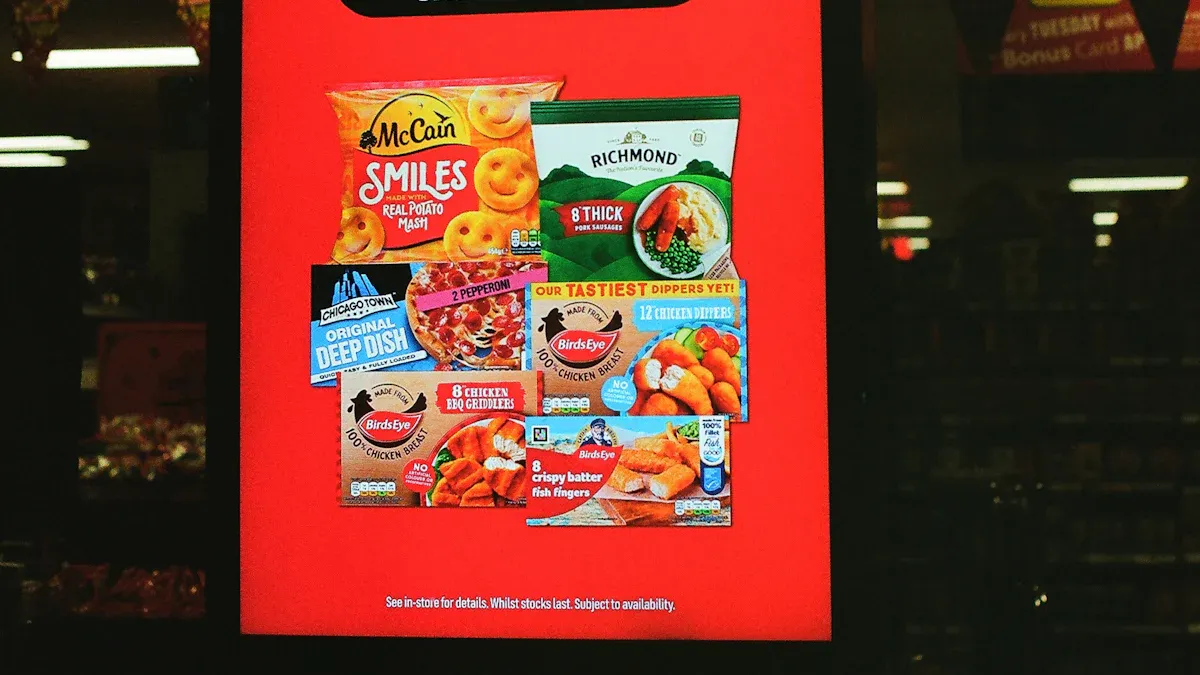
You see autonomous retail transforming how you experience promotions and discounts in convenience and small-format grocery chains. The market for grocery picking robots is valued at USD 1.14 billion in 2024, with a projected CAGR of 19.7%, while convenience stores grow toward $1.75 trillion by 2029. With 71% of shoppers wanting AI in their retail journeys, you expect faster, more personalized service. AI analyzes browsing history and purchase patterns, letting you enjoy seamless digital promotions tailored for your needs.
Key Takeaways
Promotions and discounts in autonomous retail enhance customer loyalty and increase store visits. Loyalty programs encourage repeat shopping and higher spending.
Data-driven personalization tailors promotions to individual shopping habits, making experiences more enjoyable and increasing customer retention.
Digital promotions like rebates and cash back provide added value, making it easier for customers to redeem rewards through automated systems.
AI-powered automation optimizes pricing and product placement, ensuring customers receive the best deals and can find products quickly.
Tracking key metrics and using customer feedback helps retailers refine their promotions, ensuring they meet customer needs and drive sales.
The Value of Promotions and Discounts in Autonomous Retail
Impact on Sales and Customer Loyalty
You see promotions and discounts changing how you shop in autonomous retail. These incentives help you save money and make your visits more enjoyable. When you join loyalty programs, you get rewards that encourage you to visit stores more often. You notice that convenience store promotions make you want to return and spend more each time. Stores use c-store marketing to build strong relationships with you.
Here is how loyalty programs help you and the store:
Benefit | Description |
|---|---|
Boost visit frequency | |
Increase average spend per trip | Customers spend more with loyalty rewards. |
Build long-term relationships | Loyalty programs foster stronger connections. |
82% of shoppers say loyalty programs make them visit stores more often.
34% visit two extra times because of these programs.
60% return two or more times due to loyalty incentives.
You help boost sales and increase brand awareness when you respond to relevant rewards and incentives. Autonomous retail uses technology to track your visits and purchases, making every trip more convenient. You get offers that match your shopping habits, which helps you feel valued and keeps you coming back.
Data-Driven Personalization
You experience personalization in autonomous retail every time you shop. Stores use data to understand your needs and create hyper-personalization for you. This approach makes your shopping experience more convenient and enjoyable. Retailers use customer segmentation to design c-store marketing strategies that fit your behavior and preferences.
Benefit | Description |
|---|---|
Enhanced Customer Engagement | Data-driven personalization aligns with customers’ real-time needs, increasing engagement. |
Increased Conversion Rates | Tailored content leads to higher chances of converting prospects into customers. |
Higher Customer Loyalty & Retention | Personalized experiences foster stronger relationships, reducing churn and enhancing lifetime value. |
Evidence | Description |
|---|---|
Customer Segmentation | Allows retailers to tailor marketing strategies based on customer behavior and preferences. |
Effective Promotions | Leads to more relevant promotions that resonate with individual customers, driving engagement and sales. |
Marketing Policy | Develops a marketing policy for each customer segment incorporating budgets and offers. |
Personalization | Ensures individual customers receive offers that match their preferences within the segment policy. |
You see how autonomous retail uses data to deliver offers that matter to you. This increases your awareness of new products and makes your shopping trips more rewarding. You get relevant rewards that match your interests, which helps you stay loyal to your favorite grocery stores.
Digital Promotions for Autonomous Retail
Rebates, Cash Back, and Sweepstakes
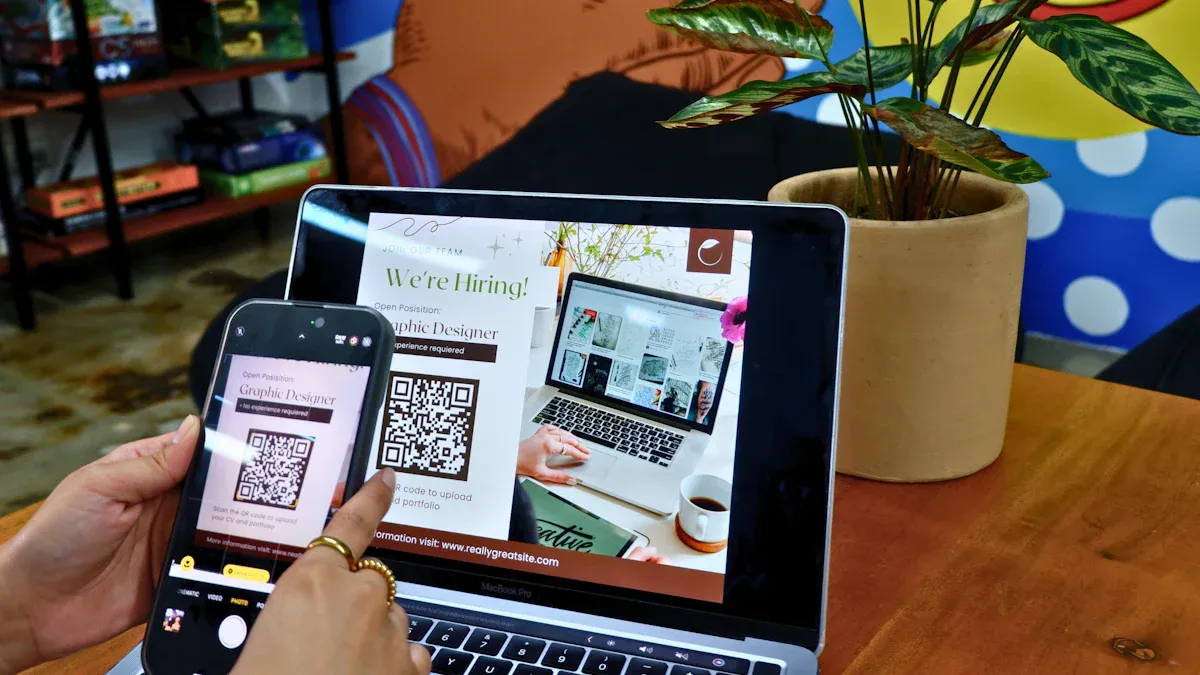
You see digital promotions changing how you shop in autonomous retail. Rebates, cash back, and sweepstakes give you more value every time you visit a convenience store or small-format grocery. You can join sweepstakes for a chance to win prizes, or earn cash back on select purchases. Rebates let you save money by submitting receipts through your mobile device. These offers appear in your app or at automated checkout stations, making it easy to redeem rewards.
Digital workers in autonomous retail optimize product assortment and pricing in real time. They create personalized offers based on your shopping habits and sales trends. You receive notifications about new promotions, and digital workers generate marketing content that helps you discover deals. AI shopping assistants guide you through the process, answer questions, and recommend products that match your preferences.
Strategy | Description |
|---|---|
AI Optimization | AI agents improve product visibility and traffic routing for better deals. |
Review Influence | Agents highlight products with high ratings and reviews. |
Headless Commerce | Stores control inventory access for AI agents, ensuring accurate promotions. |
You benefit from these strategies because you get relevant offers and rewards that fit your needs.
Seamless Customer Experience
You enjoy a seamless customer experience in autonomous retail. Technology transforms stores into smart retail spaces, making shopping faster and easier. You grab items and leave without waiting in checkout lines. Automated checkout systems save you time and reduce stress. You pay with mobile wallets like Apple Pay or Google Pay, adding convenience to every trip.
Evidence Description | Key Benefit |
|---|---|
Integration of technology into stores | Enhances the shopping experience |
Elimination of checkout lines | Saves time and reduces stress |
Autonomous retail technologies | Makes shopping more convenient |
Mobile wallets link to loyalty programs, so you earn rewards with every purchase. Personalized promotions appear in your app, giving you offers that match your preferences. You see how autonomous retail uses automated checkout and digital promotions to make every visit smooth and enjoyable.
AI-Powered Automation for Promotions
You see ai-powered automation changing how you experience promotions in autonomous retail. This technology gives you real-time, personalized discounts and helps stores respond quickly to your needs. You notice that automation makes your shopping trips more efficient and enjoyable. Stores use ai to analyze data and adjust promotions instantly, so you always find the best deals.
Dynamic Pricing Strategies
You benefit from dynamic pricing strategies every time you shop in autonomous retail. Ai-powered automation tracks demand, inventory, and competitor prices. This system changes prices in real time to give you better value and help stores stay competitive. You see prices adjust during busy hours or when stock runs low. This approach helps stores manage inventory and increase efficiency.
Tip: Dynamic pricing lets you save money during off-peak times and helps stores avoid running out of popular items.
Here is how ai-powered automation supports dynamic pricing in autonomous retail:
Functionality | Description |
|---|---|
Dynamic Pricing | Adjusts prices based on demand, inventory, and competitor activity in real-time. |
Personalized Offers | Tailors promotions based on customer behavior and preferences, enhancing the shopping experience. |
Real-time Responsiveness | Quickly reacts to changes in stock levels and competitor promotions to optimize sales opportunities. |
You see that automation helps stores offer you better prices and keeps products available when you need them. This system improves efficiency and makes your shopping experience more convenient.
Personalized Offers with AI
You receive personalized offers with ai every time you visit an autonomous retail store. Ai-powered automation studies your shopping habits and sends you promotions that match your preferences. You get messages about products you like and discounts on items you buy often. This level of personalization makes you feel valued and encourages you to return.
Brands using proactive ai report an average 25% increase in conversion rates.
Brands using Insider One’s ai shopping agent have seen up to 25% lift in conversions by delivering personalized messages.
You notice that ai-powered automation creates hyper-personalization for you. Stores use data to understand what you want and send you offers that fit your needs. This approach increases efficiency and helps stores build stronger relationships with you. You enjoy shopping more because you get relevant rewards and personalized promotions.
Optimizing Product Placement
You see ai-powered automation improving product placement in autonomous retail stores. Ai analyzes customer movement and sales data to find the best spots for products. Stores use automation to change displays during peak seasons and test new layouts. This process helps you find what you need faster and makes shopping more convenient.
A study published in the Journal of Marketing shows that well-designed store displays can boost sales by 540%. Ai-driven tools monitor and optimize store locations during busy times, helping stores manage customer flow and inventory. Real-time A/B testing lets stores refine product placement strategies based on how you interact with displays.
Ai-driven tools monitor and optimize store locations during peak seasons, helping to manage customer flow and inventory effectively.
Real-time A/B testing allows for the refinement of product placement strategies based on customer interactions.
Stores use ai and advanced data analytics to find high-impact placement zones. This strategy helps you discover new products and increases sales for the store. You experience more convenience and efficiency because products are easy to find and displays are always fresh.
You see that ai-powered automation, automated checkout, and smart displays work together to create a seamless shopping experience. Stores use automation to make every visit smooth and rewarding for you.
Strategies to Drive Engagement
Curated Bundles and Cross-Selling
You notice curated bundles and cross-promotions making your shopping trips more rewarding in autonomous retail. Stores group products that fit your needs, such as snacks with drinks or breakfast items with coffee. These bundles help you save money and discover new favorites. When you see cross-promotions, you get special deals for buying related items together. This strategy encourages you to try new products and increases your average transaction value.
Bundled offers can raise your average transaction value by 15-30%, depending on the product category and how the bundle is designed.
Curated bundles make you feel like you are getting more value, so you spend more during each visit.
When stores combine these strategies with loyalty programs, you return more often, and repeat purchase rates can grow by 8-15%.
You experience more convenience because bundles simplify your choices. Cross-promotions also help you earn extra rewards, which makes you want to shop again. Autonomous retail uses data to create bundles that match your preferences, helping stores boost sales and drive engagement.
Location and Time-Based Offers
You see location and time-based offers changing how you shop in retail stores. Autonomous retail uses smart technology to send you promotions when you enter the store or walk by certain aisles. You might get a discount on snacks near the checkout or a special price on drinks during hot afternoons. These offers appear on your phone or at self-checkout stations, making it easy to redeem rewards.
Stores track peak hours and busy locations to deliver the best deals. During busy times, you notice a 10% increase in sales and a 5% rise in conversion rates. Customer interactions go up by 30%, and redemption rates are 15% higher compared to traditional promotions. You feel more engaged because the offers match your location and the time of day.
Retailers use cross-promotions and loyalty rewards to keep you coming back. You get personalized deals that fit your shopping habits, and you enjoy a seamless experience every visit. Autonomous retail helps stores boost sales and create lasting loyalty by using smart strategies that drive engagement.
Implementation Best Practices
Integrating with Store Systems
You want your autonomous retail store to run smoothly. Start by making sure your systems can scale for different store sizes and customer traffic. Design your platform so it works with many types of technology, such as inventory management and loyalty programs. This flexibility helps you keep up with changes in retail and convenience trends.
Focus on user experience. Your mobile app should be easy to use, and signs in your store should guide customers through automated checkout and rewards. Use open standards and APIs to connect with third-party services. This approach lets you add new features without getting stuck with one vendor. Plan for regular maintenance and support. Set up clear steps for hardware repairs, software updates, and technical help. This keeps your automation running with high efficiency and reduces downtime.
Here is a quick checklist for integrating systems:
Step | Why It Matters |
|---|---|
Scalability | Handles growth and changes |
User Experience | Makes shopping simple |
Interoperability | Adds new tech easily |
Maintenance & Support | Keeps systems reliable |
Staff Training and Change Management
You need your team to understand automation and ai tools. Proper training helps staff feel confident using analytics and automated checkout systems. When your staff knows how to use these tools, they can help customers get the most out of rewards and promotions.
Give your team more autonomy. Stores like Abercrombie & Fitch have seen better morale and customer service when staff can make decisions. Good communication and training keep your brand consistent across all locations. Teach your team how to use ai for inventory tracking and analytics. This helps everyone work together to improve efficiency and customer satisfaction.
Use these tips for successful change management:
Offer hands-on training for ai and automation tools.
Encourage staff to share feedback about automated checkout and analytics.
Celebrate team successes with rewards for meeting efficiency goals.
You build a strong foundation for autonomous retail by focusing on system integration and staff training. This approach helps you deliver a seamless experience and keep your store running at its best.
Measuring and Adapting Promotions
Tracking Key Metrics
You need to track the right metrics to measure how well your promotions work in autonomous retail. Using analytics, you can see which strategies bring the best results. Automation helps you collect data from every part of your store, including automated checkout and digital campaigns. You can use tools to monitor open rates, conversion rates, and customer engagement. This table shows some key metrics and tools you can use:
Strategy | Metrics to Track | Recommended Tools |
|---|---|---|
Automated Email Marketing | Open rates, conversions | Mailchimp, Klaviyo |
Dynamic Social Advertising | Cost-per-click, ROAS | Facebook Ads Manager, Google Ads |
Customer Feedback Automation | Survey response rate, NPS | Zigpoll, SurveyMonkey |
Chatbots | Engagement rate, resolution time | Drift, ManyChat, Tidio |
Loyalty Program Automation | Enrollment, repeat purchase rate | Smile.io, LoyaltyLion |
Inventory-Driven Promotions | Sales velocity, redemption rate | POS system, marketing automation |
Review Management Automation | Number of reviews, average rating | Trustpilot, Yotpo |
Cross-Channel Remarketing | ROAS, cart recovery rate | Google Analytics, Facebook Pixel |
Tip: Use analytics to compare which promotions drive more sales and repeat visits. This helps you focus on what works best in your retail store.
Using Customer Feedback
You can collect feedback in real time to improve your promotions. Automation lets you gather data from surveys, audits, and digital touchpoints. For example, a beverage brand used crowdsourced audits to check product placement during a launch. This helped fix problems and avoid lost sales. A snack brand used shelf-level audits to spot issues with displays and made quick changes. Both brands used real-time data to monitor compliance and adapt their strategies. You can use these methods to make sure your promotions and rewards match what customers want.
Collect feedback through surveys at automated checkout.
Use audits to check if displays and promotions are set up correctly.
Monitor customer responses to new offers and adjust quickly.
Iterating with Data Insights
You can use ai and analytics to improve your promotions over time. Real-time marketing strategies let you change your messaging based on live data. For example, you can use live polling during events to get instant feedback. Analytics show you how customers feel about your offers and which channels work best. You can review these metrics often and use automation to make fast changes.
Use ai to analyze customer sentiment and channel performance.
Adjust your promotions during live events using real-time data.
Create a feedback loop with automation to keep improving your strategies.
By tracking key metrics, using customer feedback, and iterating with data insights, you make your autonomous retail promotions more effective and convenient for every shopper.
Overcoming Challenges in Autonomous Retail
Privacy and Data Security
You trust stores with your personal information every time you use ai-powered promotions or automated checkout. Protecting your data is a top priority in autonomous retail. Ai systems process sensitive details, so you need strong security to prevent unauthorized access or misuse. Sometimes, hackers try to trick ai agents, which can lead to data breaches. You also want to know how ai makes decisions about your offers. Clear explanations help you feel safe and build trust.
Challenge | Description |
|---|---|
Ai systems process confidential information, risking exposure or misuse without proper governance. | |
Adversarial attacks | Ai-driven agents can be manipulated, leading to security vulnerabilities and potential data breaches. |
Compliance with regulations | Ensuring adherence to data protection laws is critical, especially in regulated industries. |
Transparency and explainability | The need for clear understanding of ai decision-making processes to maintain trust and accountability. |
Ai's ability to personalize promotions raises privacy issues.
The shift towards autonomous retail increases concerns about data privacy.
Balancing personalization with transparency is crucial for customer trust.
Inventory and Supply Chain
You want your favorite products in stock when you visit a convenience store. Managing inventory is a big challenge in autonomous retail. Ai helps predict demand and keeps shelves full, but you need careful planning during promotions. If inventory runs low, you might miss out on deals. Automated checkout systems rely on accurate inventory data to charge you correctly.
Key Point | Description |
|---|---|
Timely Planning | Effective planning and execution are crucial for managing inventory during promotions. |
Integrated Supply Chains | An integrated supply chain ensures that changes in store replenishment are automatically reflected in demand forecasts, facilitating better inventory management. |
Automation of Replenishment | Automated systems help maintain optimal inventory levels by predicting demand and managing stock-ups effectively. |
Ai tracks inventory in real time and updates supply chains quickly. This reduces mistakes and keeps your shopping experience smooth. You benefit from automation because it helps stores avoid empty shelves and long waits at checkout.
Compliance Issues
You face new rules and standards as autonomous retail grows. Stores must follow laws about data privacy, billing, and product safety. Sometimes, automated checkout systems make mistakes, like charging you for the wrong item. These errors can lead to customer complaints and legal problems. You may also worry about how your data is used.
Accuracy of product detection and billing can cause incorrect charges.
Some customers hesitate to use new technology due to privacy concerns or confusion.
High initial investment and ongoing costs challenge many retailers.
Technical glitches or downtime disrupt your shopping experience.
Real-time inventory management is difficult, especially with fast-moving items.
Data privacy and security concerns remain a top issue.
Shrinkage and fraud can still happen, even with advanced systems.
Tip: Ask staff for help if you notice a problem at checkout. Stores want to fix issues quickly and keep your experience positive.
You help shape the future of retail by sharing feedback and staying informed about your rights. Stores use ai and automation to improve, but they must also protect your privacy and follow the rules.
You see how adapting promotions and discounts helps you stay ahead in autonomous retail. AI and automated checkout systems give you deeper personalization and convenience. You benefit when retailers innovate and refine tactics.
Enhanced customer experience and operational efficiency drive success.
24/7 operation and rich data insights support better promotions and discounts.
Challenge | Solution |
|---|---|
Product identification accuracy | |
Network reliability | Ongoing advancements |
Checkout speed | Automated checkout |
You can expect smarter retail experiences as technology evolves.
FAQ
How do you redeem digital promotions in autonomous retail stores?
You scan your app or loyalty card at checkout. Automated systems apply discounts instantly. You see savings on your receipt. Some stores send notifications about new offers. You can check your app for available rewards.
What happens if you have trouble with automated checkout?
You ask staff for help. Most stores have team members ready to assist. You can use help buttons at self-checkout stations. Stores want you to have a smooth experience.
Are your personal details safe when using AI-powered promotions?
Stores use strong security to protect your data. You control what information you share. Retailers follow privacy laws. You can review privacy policies in your app.
Can you combine multiple offers or discounts?
You often can stack digital coupons and loyalty rewards. Some stores limit combinations. You check the app or ask staff for rules. You see eligible discounts before you pay.
See Also
Understanding Global Automated Retail: Micromarkets And Smart Stores
Analyzing Self-Checkout Systems At Walgreens: Benefits And Hurdles
Starting An AI-Driven Corner Store With Low Startup Costs
AI-Driven Corner Stores Are Emerging: Essential Insights For Retailers
