Real-Time Data Analytics in Modern Vending Machines

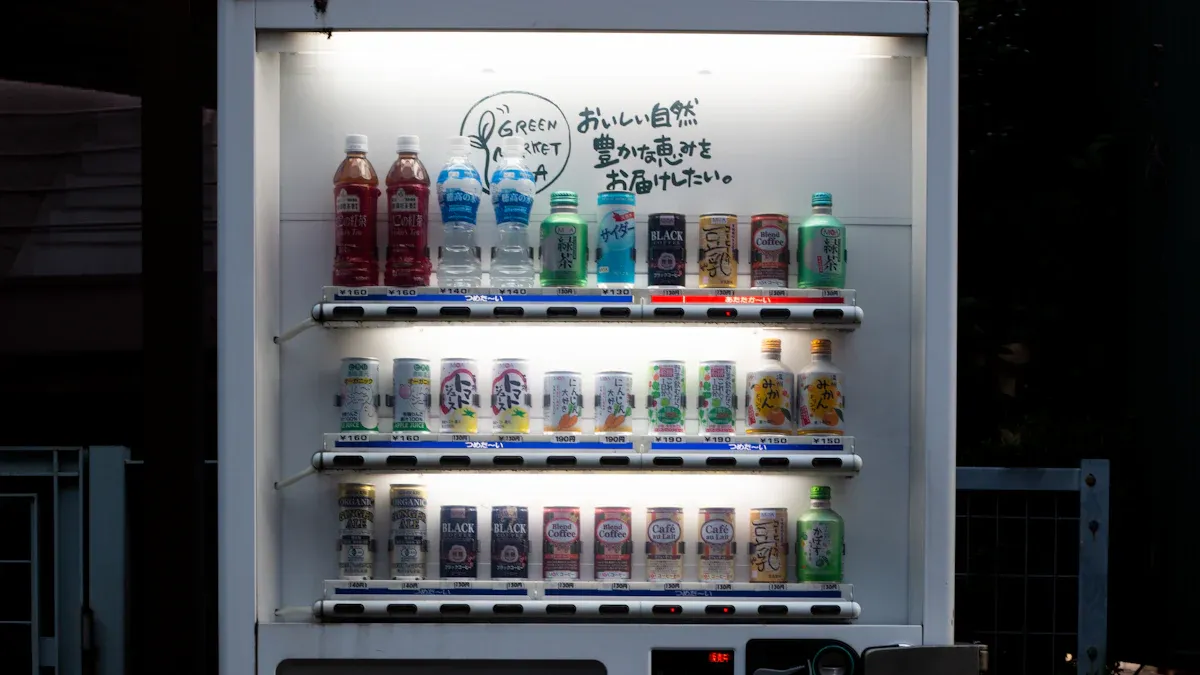
Real-time data analytics and ai have changed vending machines. Now, vending machines are smart retail solutions. Operators use vending machine data to watch inventory and sales. They also learn about how customers act. This way of using data helps with predictive analytics. It helps with inventory optimization. It also gives customers experiences made just for them. Recent reports show businesses study lots of data. This helps them make smart choices. It also helps them earn more money.
The global intelligent vending machine market was USD 17.73 billion in 2025. It may reach USD 53.15 billion by 2035.
AI-powered vending machines cut stock wastage by 30%. They also make efficiency go up by 20%.
Key Takeaways
Real-time data analytics helps vending machines become smart. This makes it easier to manage stock and helps customers.
AI-powered vending machines can waste 30% less stock. They can also work 20% better. This helps companies make more money.
Operators can use predictive analytics to guess what people will buy. This keeps popular items in stock. It also means fewer emergency refills.
Automated restocking systems let machines order more supplies when they are low. This saves time and cuts down on waste.
Picking the right technology provider is very important. It helps AI and analytics work well. It also keeps data safe and machines working right.
The Impact of Real-Time Analytics
Operational Efficiency Gains
Smart vending machines help operators manage their machines better. Data analytics gives quick updates to help companies choose wisely. Operators watch how machines work to pick good spots and products. Predictive analytics helps stop machines from running out of stock. It also helps cut down on waste. This keeps popular items ready and stops extra trips to refill.
Operators use demand forecasting to stop emergency refills.
Dynamic pricing changes prices when demand goes up or down.
Inventory is placed early using forecasts, which helps plan routes.
Tip: Companies that use analytics to check sales and machine uptime often work better and spend less.
AI and predictive tools help lower downtime and fix costs. The table below shows how real-time analytics helps these things:
Benefit | Description |
|---|---|
Remote Monitoring | Operators check machine status from far away, so they visit less. |
Predictive Maintenance | Sensors warn about problems, so machines get fixed fast and break less. |
Efficient Inventory Management | Data helps plan refills, which saves money and makes more profit. |
Enhanced Customer Experience
Smart vending machines use data analytics to make customers happier. Machines check inventory all the time, so empty spots are rare. Predictive analytics helps keep popular items ready when people want them.
Remote diagnostics help machines work well, so customers are less upset.
Analytics picks products that customers like best.
Personalized experiences make vending more fun.
Note: Real-time data analytics helps machines work better and builds trust by keeping them full and working.
Understanding Vending Machine Data
Key Data Types Tracked
Modern smart vending machines collect many kinds of vending machine data. Operators use this information to make choices and find patterns. The table below lists common data types and how they help businesses:
Type of Data | Description |
|---|---|
Transaction Data | Tracks every sale, including what was sold, price, payment type, and time. |
Interaction Data | Watches how users browse, how long they stay, and what they click. |
Environmental Data | Counts people passing by, busy times, and how the machine is working. |
Visual Analytics | Uses cameras to guess age and interest, but keeps privacy safe. |
Healthcare Data | Collects info on health resources used and learning about health topics. |
Operators look at vending machine data to see sales, check inventory, and learn about customers. By studying these patterns, they can change products and keep better track of stock. This helps make sure popular items are always there and less gets wasted.
Note: Watching different types of vending machine data helps operators act fast when demand or customer likes change.
Technologies Powering Data Collection
Smart vending machines use new technology to gather and send data right away. The most common tools are:
IoT sensors and RFID readers check inventory, what people like, and how they buy.
These tools help track stock in real time and let operators react quickly.
IoT lets operators see which products sell best at different times, so stock is more accurate.
Predictive analytics uses this data to guess what will be needed, plan stock, and stop downtime.
Alerts for low stock or problems help operators fix things fast and keep machines working.
The smart vending machine market is getting bigger, with a growth rate of 30.7% from 2024 to 2029. Operators who use these tools can react to trends and what customers want faster than before.
Tip: Smart vending machines with IoT and real-time analytics can pick the best products, keep favorites in stock, and make customers happier.
AI in Industrial Vending Machines
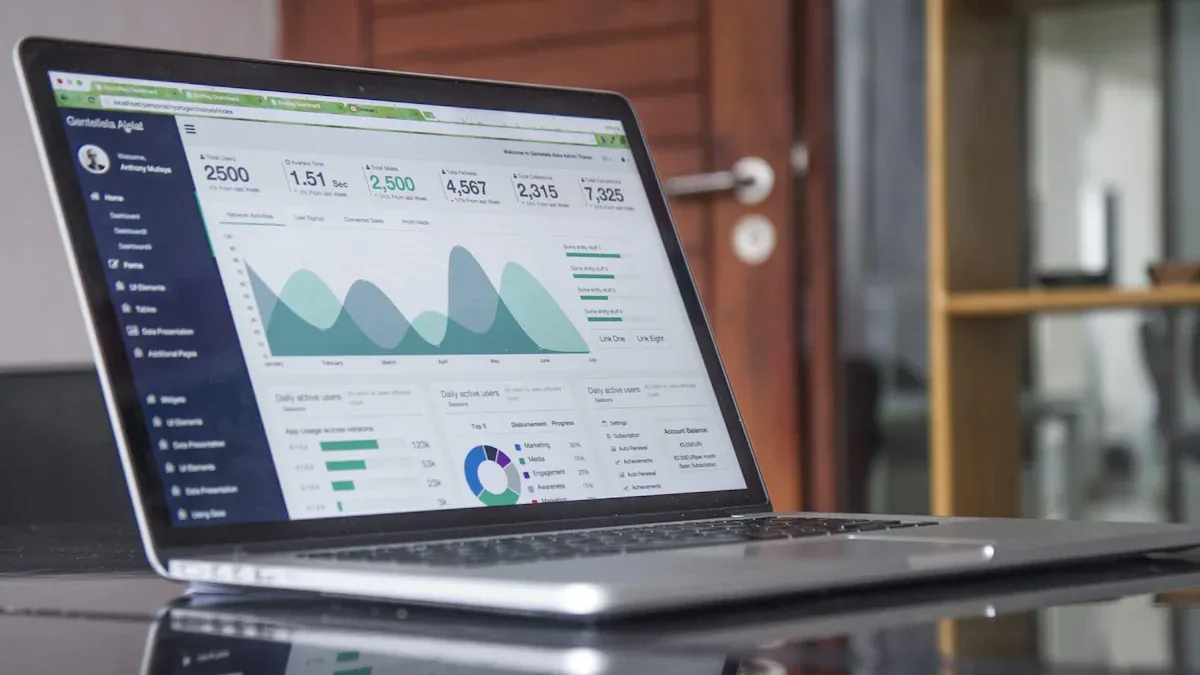
Predictive Analytics & Inventory Optimization
AI helps operators manage inventory and guess what people will buy. These machines use data analytics and machine learning to study sales and customer actions. Operators use this technology to make better choices and keep machines filled with the right items.
Smart inventory management uses AI to look at how items are used. It predicts when to restock and stops shortages or too much stock.
User authentication and access control make machines safer. Facial recognition lets only approved people get certain products.
Real-time monitoring and reporting give operators quick updates. This helps them make fast choices and keeps machines working.
Automated reordering lets machines order supplies when stock gets low.
AI looks at user actions to make the vending experience better. The system arranges items to match what customers like.
Operators get many good things from these features:
It helps plan restocking and talk with suppliers.
Machine learning helps guess what inventory is needed. These models look at patterns and outside things.
Autonomous inventory management lets machines change stock by themselves.
Product placement gets better by looking at sales and customer actions.
Automation means less work for people and the right items are always there.
These changes make customers happier and help sales go up.
Computer vision helps track inventory and watch what customers do. Static recognition finds products, checks loading, spots low stock, and makes sure items are ready to sell. Dynamic visual recognition watches items move, finds jams, and looks at how customers use the machine.
GIS technologies help vending machines too. They study foot traffic and people data to pick the best spots for machines. Companies watch machine performance and change products using these insights. Indoor location intelligence helps put machines in good places inside buildings. K-means clustering groups machines by sales, and a cost matrix checks moving costs to save money.
Operators who use AI in vending machines get ahead. They react faster to changes and waste less.
Personalization and Smart Recommendations
AI does more than manage inventory. It makes vending machines give customers special experiences. AI-powered machines study customer data to pick products and deals that fit each person. This makes customers happier and helps them come back.
AI vending machines can make 30% more money than old machines. The technology looks at what customers like and what they buy. Machines then suggest items that match each person’s taste. This personal touch helps people buy again and builds loyalty.
Smart recommendation engines use AI to study what people do. They give product ideas that fit each customer. Loyalty programs work with these suggestions to make people buy again. Customers feel special when machines know what they want.
AI makes user experiences better by keeping products ready and giving smart tips. Vending machine apps watch what people like and buy. This helps machines suggest items that fit each person. The personal touch makes customers happy and loyal to the brand.
AI in vending machines uses real-time telemetry and data analytics to make vending smarter and more fun. Operators sell more, and customers get a vending experience that feels special and quick.
Applications & Benefits of Data-Savvy Vending Machines
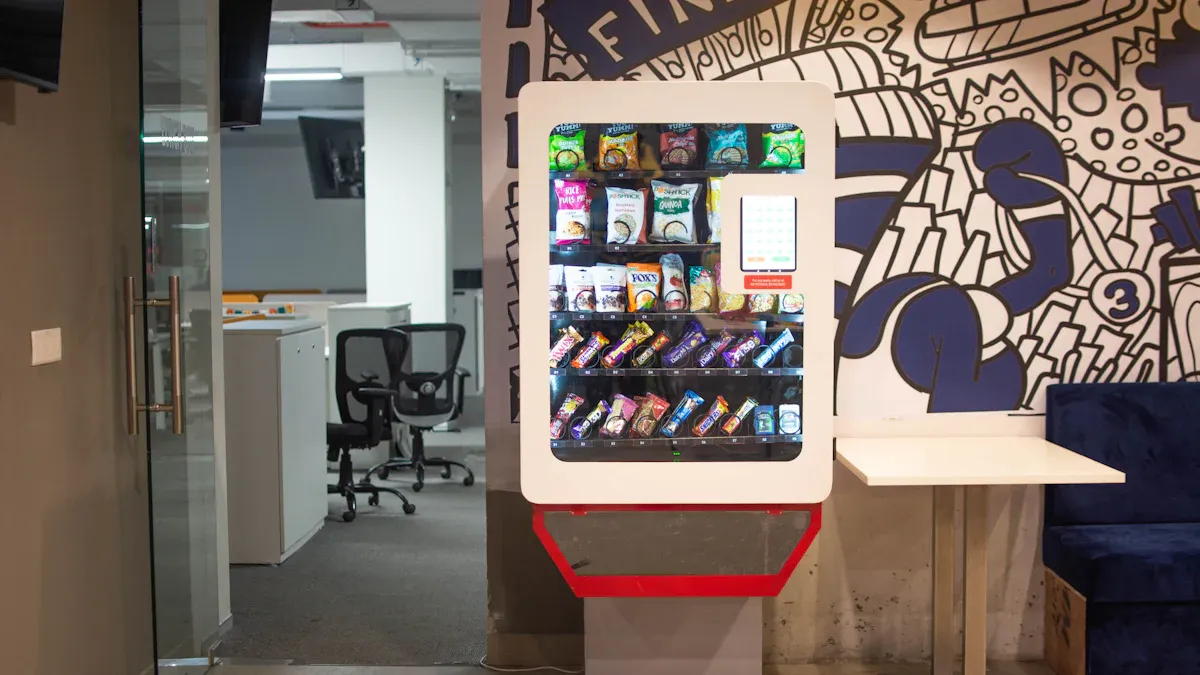
Automated Restocking & Supply Chain
Industrial vending machines use ai and real-time data to change how restocking works. Operators do not need to check stock by hand or guess anymore. They use smart vending machines that track inventory and sales. These machines watch how much is left and how often items are used. When stock gets low, the machine orders more by itself. This stops items from running out and keeps favorites ready.
The table below explains how automated restocking helps:
Benefit | Explanation |
|---|---|
Threshold-Based Triggering | The machine orders more when stock drops below a set level. This keeps items from running out. |
Integrated Supply Chain Management | Operators see supplier inventory right away. This helps restock on time and lowers mistakes. |
Optimized Restocking Schedules | Restocking changes based on past sales. This means fewer trips and saves money. |
Route Optimization Integration | Delivery routes are planned to be fast and save fuel. This helps restock quickly. |
Operators use real-time tracking to avoid too much or too little stock. This keeps popular items ready and makes customers happy. Predictive analytics helps stock items better and saves money. Machines send alerts when it is time to restock. This means less checking by hand and less waste. These changes make the supply chain work better and faster.
Tip: Automated ordering and smart delivery routes help operators save time and money. Machines stay full for customers.
Site Selection with Data Analytics
Smart vending machines use ai and analytics to pick the best spots. Operators study foot traffic and customer habits. This helps them find places where more people will use the machines. DFY Vending uses special analytics to count people and learn what they like. This helps make more money and better deals with hosts.
Operators who use data to pick sites make over $2,500 each month per machine.
Custom plans based on analytics help work better with hosts and find good spots.
Changing the height of machines can make sales go up by 12%.
Using real-time data and ai for site selection helps manage stock and run machines better. Operators see happier customers and more sales. These insights help them change quickly when trends or needs shift.
Note: Picking sites with ai and data analytics helps operators do better than others in vending.
Revenue Growth & Cost Reduction
Industrial vending machines with ai and analytics help operators earn more money. Operators use location analytics to find busy places. This means more people use the machines and sales go up. Data analytics helps keep popular items in stock and cuts down on waste.
Special deals based on what people buy make customers come back.
Watching sales in real time shows which products sell best. Operators can change products and prices fast.
Predictive maintenance finds problems early so machines keep working.
Studying customer actions shows what people like to buy. Operators pick products that match what customers want.
Data analytics turns problems like changing demand into chances to do better. Operators plan ahead instead of just reacting. They make machines work better and improve their vending plans. Knowing about seasons and prices helps keep machines ready for what people want.
Operators who use ai-powered vending machines make more money, spend less, and have loyal customers.
Implementing Data and AI Solutions
Integration Steps
Operators who want to update vending machines should follow simple steps. These steps help add analytics and ai to their work:
Connect digital vending software with inventory systems. This lets operators track stock in real time. It also helps them guess what will sell next.
Link payment and POS systems. This makes buying faster and more exact for customers.
Use data analytics to learn about customer habits and market changes. Operators use this information to make smarter choices.
Many operators run into problems when they do this. The table below lists common problems and what they mean:
Challenge | Description |
|---|---|
High Initial Investment Costs | Some businesses find it hard to pay at first. |
Technical Issues | Problems with connections, software bugs, and fixing machines. |
Data Security and Privacy Concerns | Keeping customer data safe and private. |
Technology Obsolescence | Upgrades, new hardware, and training can use up money. |
Operators who plan for these problems can save time and money. They should get help from experts to fix tech issues and keep systems working well.
Provider Selection & Data Quality
Picking the right tech provider is very important. Operators should think about these things before choosing:
Criteria | Description |
|---|---|
Technology Integration | Does the vendor use IoT, ai, and cashless payments well? |
Service Reliability | Does the system break often or need lots of fixing? |
Product Range & Customization | Can the provider offer many vending choices and custom options? |
Does the system give real-time data and tools to predict problems? | |
Customer Support & SLAs | Are support and service promises easy to understand and trustworthy? |
Pricing & Contract Flexibility | Are prices clear and contracts easy to change? |
Scalability & Expansion Potential | Can the system grow as the business gets bigger? |
Market Presence & Reputation | Does the provider have good reviews and a strong name? |
Operators must keep data safe and high quality. Top companies use ai-powered fraud checks to spot trouble fast. These systems look at things like when and where sales happen to find fraud. Ai can also guess when systems might fail and find software risks quickly. This helps operators fix problems before they get worse.
Tip: Good data security and checks help operators earn trust and keep vending machines working well.
Challenges in Industrial Vending Machines
Integration with Legacy Systems
Many operators have trouble adding new technology to old machines. Older machines do not have digital payment or real-time data features. Businesses fix this by adding modern payment systems to old machines. This helps machines follow payment card rules and keeps payments safe. Operators also use encryption and safe storage to protect data from hackers.
Retrofitting can cost a few hundred or thousands of dollars. The price changes based on the brand and new features. Operators also pay for software and transaction fees. These costs can change how much money is spent on upgrades. Even with these costs, digital payment upgrades often bring in more money. Many businesses see happier customers and better data after upgrading.
Operators who upgrade their machines can reach more people and learn more about sales.
Cost, ROI, and Compliance
Operators need to think about costs and profits when upgrading machines. The first payment is big, but many businesses see good results:
Sales can go up by 10–30% in the first year with AI and IoT.
Operators must also follow rules for safety, privacy, and health. The table below shows how rules change vending machine work:
Regulatory Aspect | Impact on Vending Operations |
|---|---|
Product Certification and Safety | Machines must follow safety rules for reliability and electrical safety. |
Data Security and Privacy | Vendors use cybersecurity to keep customer data safe, which changes design. |
Health Regulations | Health codes change where products go and how machines are cleaned. |
Environmental Regulations | Using green parts helps with sustainability goals. |
Market Entry | Rules can make it hard for new companies but help big companies stand out. |
Operators who follow rules do not get fined and keep a good name. They also earn trust from customers who use vending machines.
Real-time analytics and AI have made vending machines smarter. These machines now work like smart stores. People who use these tools early get big benefits:
Advantage | Description |
|---|---|
AI-powered machines make sure products are always there. | |
Smarter Inventory Management | Automated systems guess when stock is low and refill fast. |
Predictive Maintenance | AI tells suppliers when items run out, making supply chains smoother. |
Leaders can do a few things to stay ahead:
Use predictive analytics to stop machines from breaking.
Give special deals to make customers more interested.
Watch inventory with easy-to-read dashboards.
Follow rules to keep customer data safe.
Link systems with APIs to help everything work better.
AI has turned vending into a smart, data-based business. Companies that use these tools now will do better and have happier customers.
FAQ
What types of data do modern vending machines collect?
Modern vending machines gather sales data and inventory levels. They check machine status and watch customer interactions. They also track payment methods and which products are popular. Operators use this data to make service better and work faster.
How does AI help with inventory management?
AI looks at sales trends and guesses when items will run low. Operators get alerts to restock before products run out. This helps stop waste and keeps favorite items ready.
Are real-time analytics secure for customer data?
Top providers use encryption and strong security rules. They keep customer payment and personal data safe. Operators must follow privacy laws to protect data.
Can operators upgrade old vending machines with new technology?
Operators can add IoT sensors and digital payment systems to old machines. This lets them track data in real time and use new payment choices. Many businesses get more sales after upgrading.
See Also
Modern Retail Benefits From AI-Driven Combo Vending Machines
Vending Machines Have Evolved From Snacks to Smart Solutions
Smart Technology Is Transforming Retail Through Electronics Vending Machines
Exploring Features and Advantages of Modern Vending Machines
